
Articles by Eleanor Stratton
Browse articles in Articles by Eleanor Stratton on U.S. Constitution
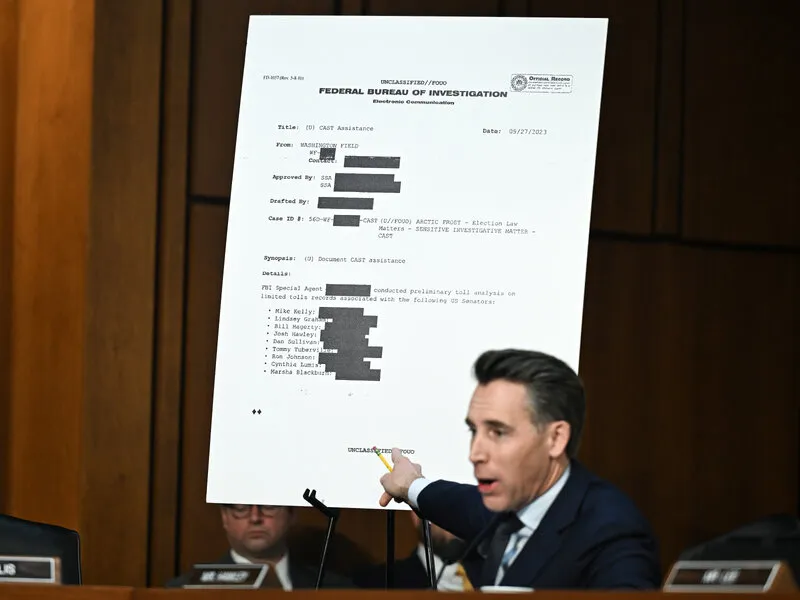
Can a Special Counsel Seize a Senator’s Phone Records?
There is a particular kind of constitutional alarm bell that rings when prosecutors go digging through a member of Congress’s communications records, especially when the member is not notified at the time because a third party is gagged from saying anything. That alarm is sounding now because Sen....
Read more →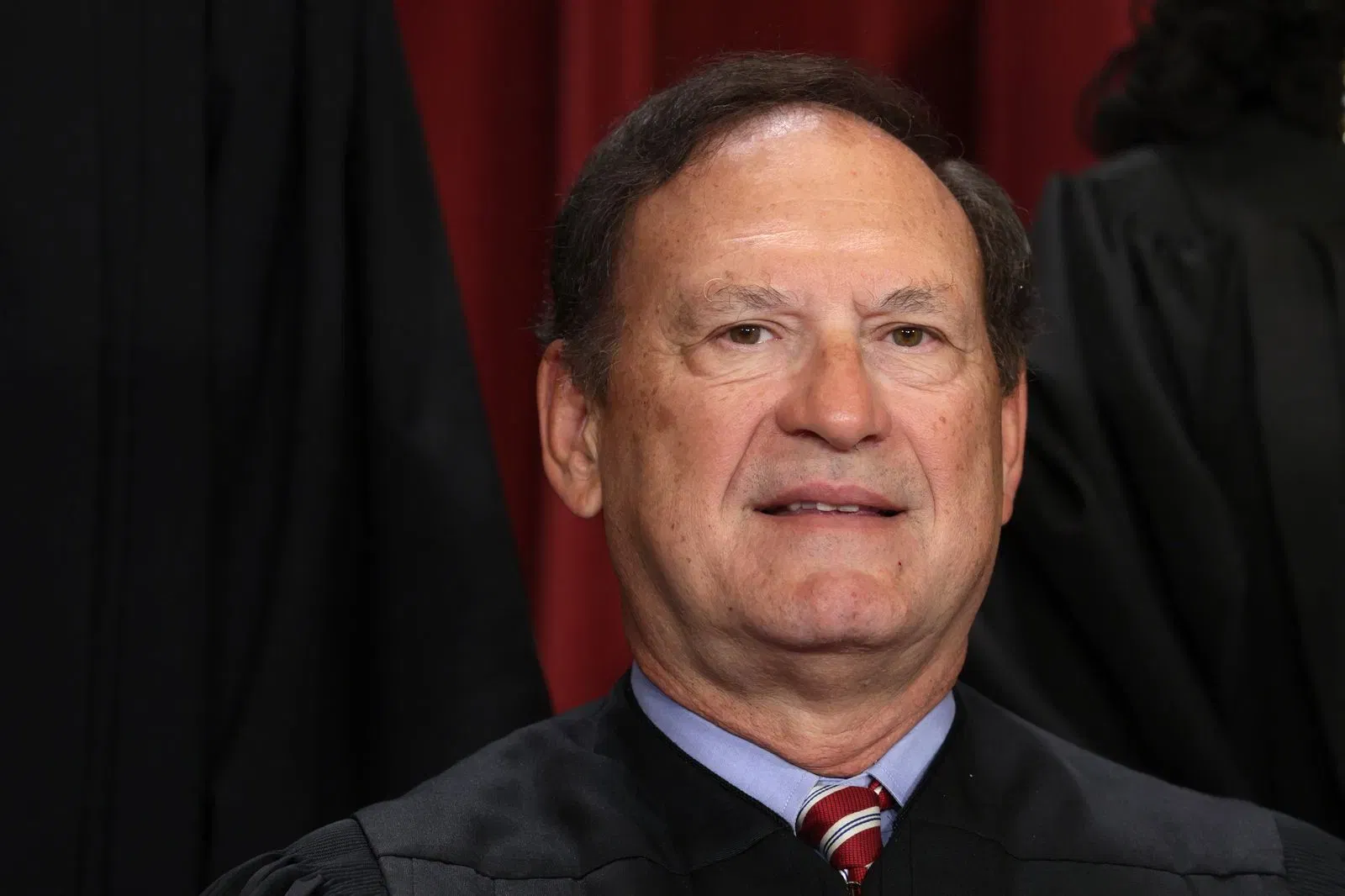
Why Alito’s Recusal Matters in the Supreme Court Climate Case
Supreme Court Justice Samuel Alito recused himself from a closely watched case over climate change liability less than a week before oral arguments were scheduled to begin. That is what happened in Suncor Energy Inc. v. County Commissioners of Boulder County , a dispute over whether Boulder,...
Read more →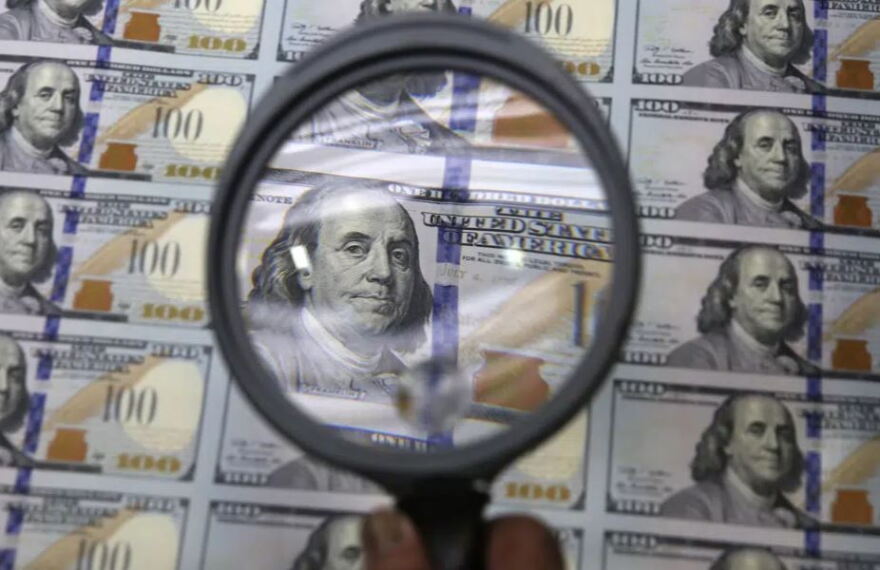
Florida Audit Fuels Moskowitz-Singer Clash Over COVID Relief Oversight
Federal relief money is designed to move fast in an emergency. But once the checks clear, the question shifts to oversight: who tracked where the dollars went, and what safeguards were actually in place? That debate has become a campaign flashpoint in one of the country’s most competitive...
Read more →
Can DEI Policies Be Challenged in Court? What the Seattle Case Means
A unanimous federal appeals court ruled Monday that a jury should decide whether Seattle’s DEI initiatives created a racially hostile work environment for a White employee, while emphasizing that federal anti-discrimination law protects workers regardless of race. The three-judge panel did not rule...
Read more →
Due Process and Second-Home Property Taxes
Property taxes feel like the most ordinary kind of government power. A bill arrives. A due date follows. Life moves on. But when a city rolls out a new surcharge aimed at second homes, ordinary turns into something sharper. A government notice can carry real consequences. And that is where the...
Read more →
Cornell Chi Phi lawsuit: what we know
Most high-profile campus cases are loud in the usual way, through accusations, denials, and institutional statements. This one is loud in a different way, because so much of it turns on what was said after the fact, what was put in writing at the time, and what different systems can do with the...
Read more →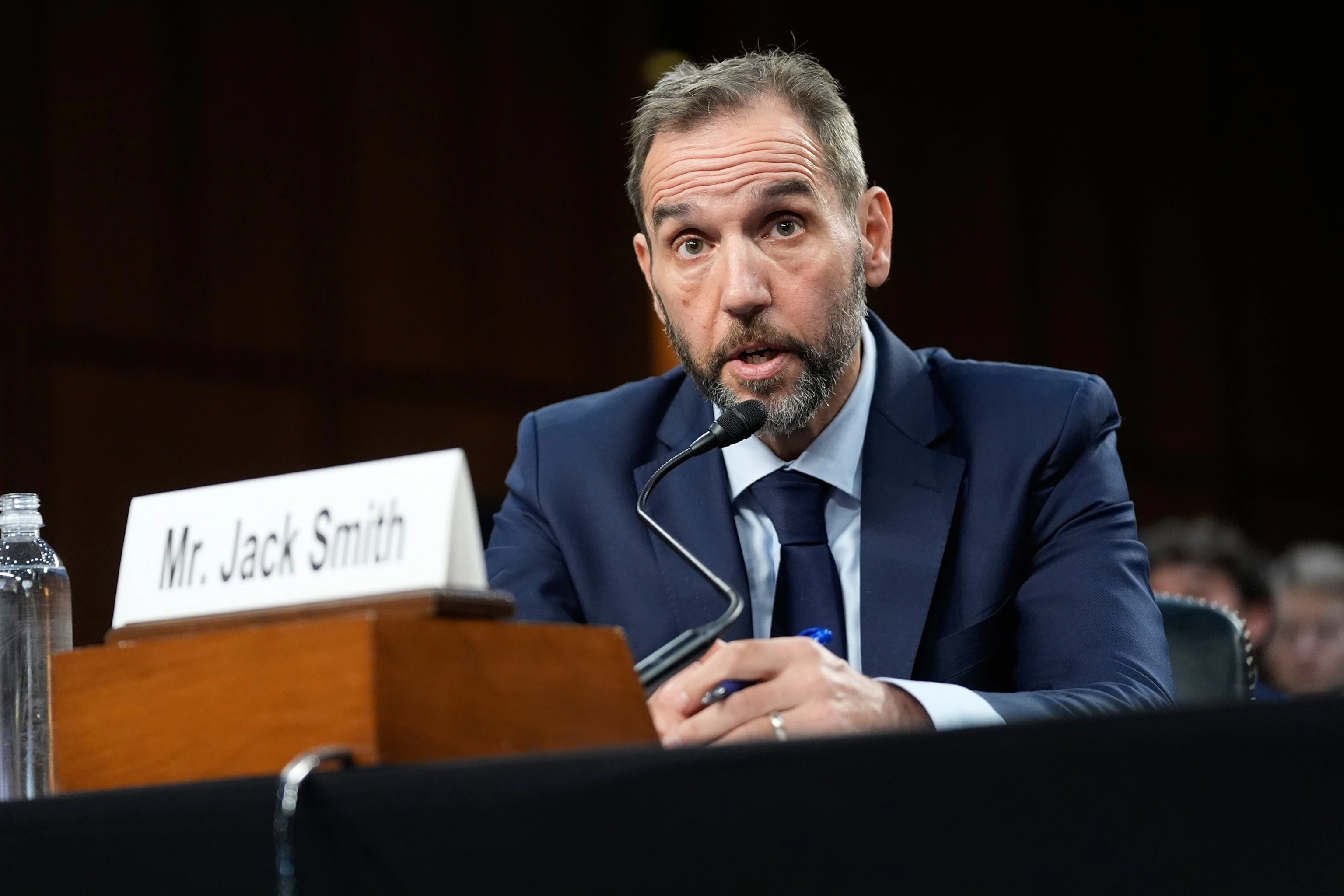
Jack Smith Defends Trump Probes Under GOP Fire
A four-hour Senate Judiciary Committee hearing put former special counsel Jack Smith back in the hot seat over two federal investigations into Donald J. Trump: one tied to efforts to undo the 2020 election and one tied to classified documents kept at Mar-a-Lago. Republicans repeatedly argued the...
Read more →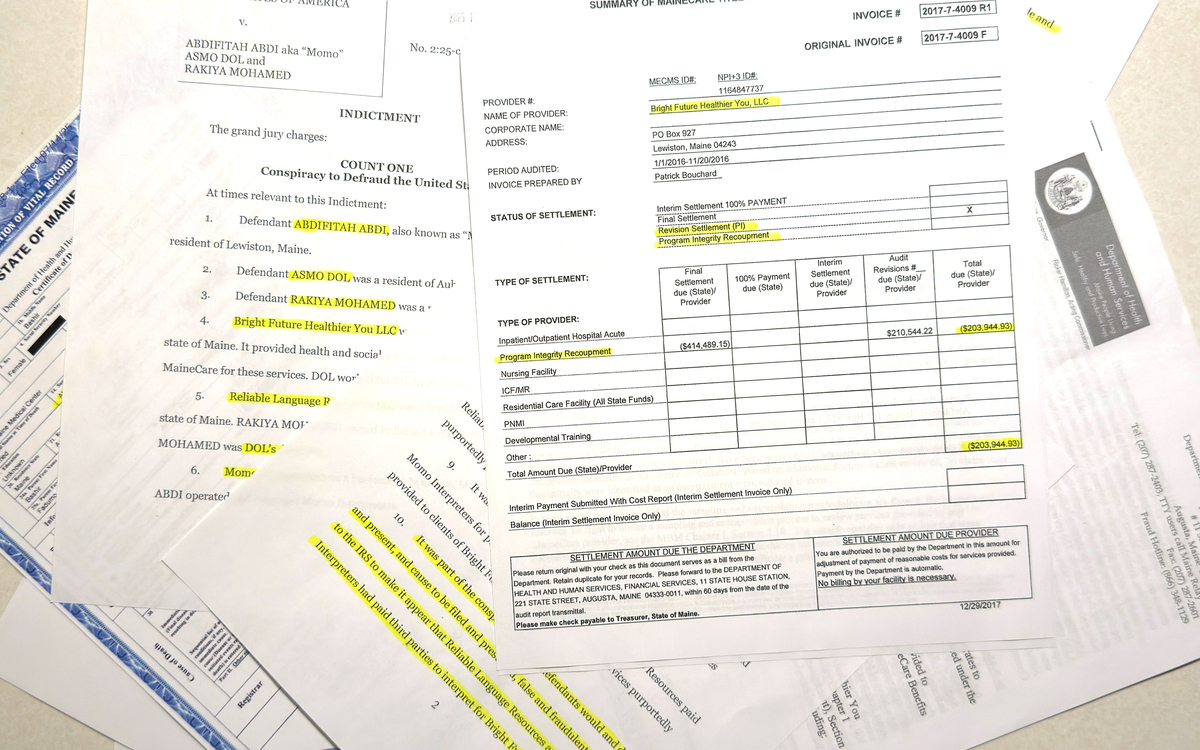
Healthcare Fraud and Congress’s Power to Stop It
When Americans hear the phrase healthcare fraud , it often lands as a moral headline. Someone is cheating, someone is getting rich, and someone else is left holding the bag. But the practical issue is more concrete. Fraud and abuse in federally subsidized healthcare can drain taxpayer dollars and...
Read more →
Temporary Protected Status Is Shrinking
Temporary Protected Status is one of those programs that sounds like a promise until you read the fine print. The promise is protection. The fine print is time. This moment is being defined by three concrete developments: the TPS population has shrunk to 274,000 after terminations , the White House...
Read more →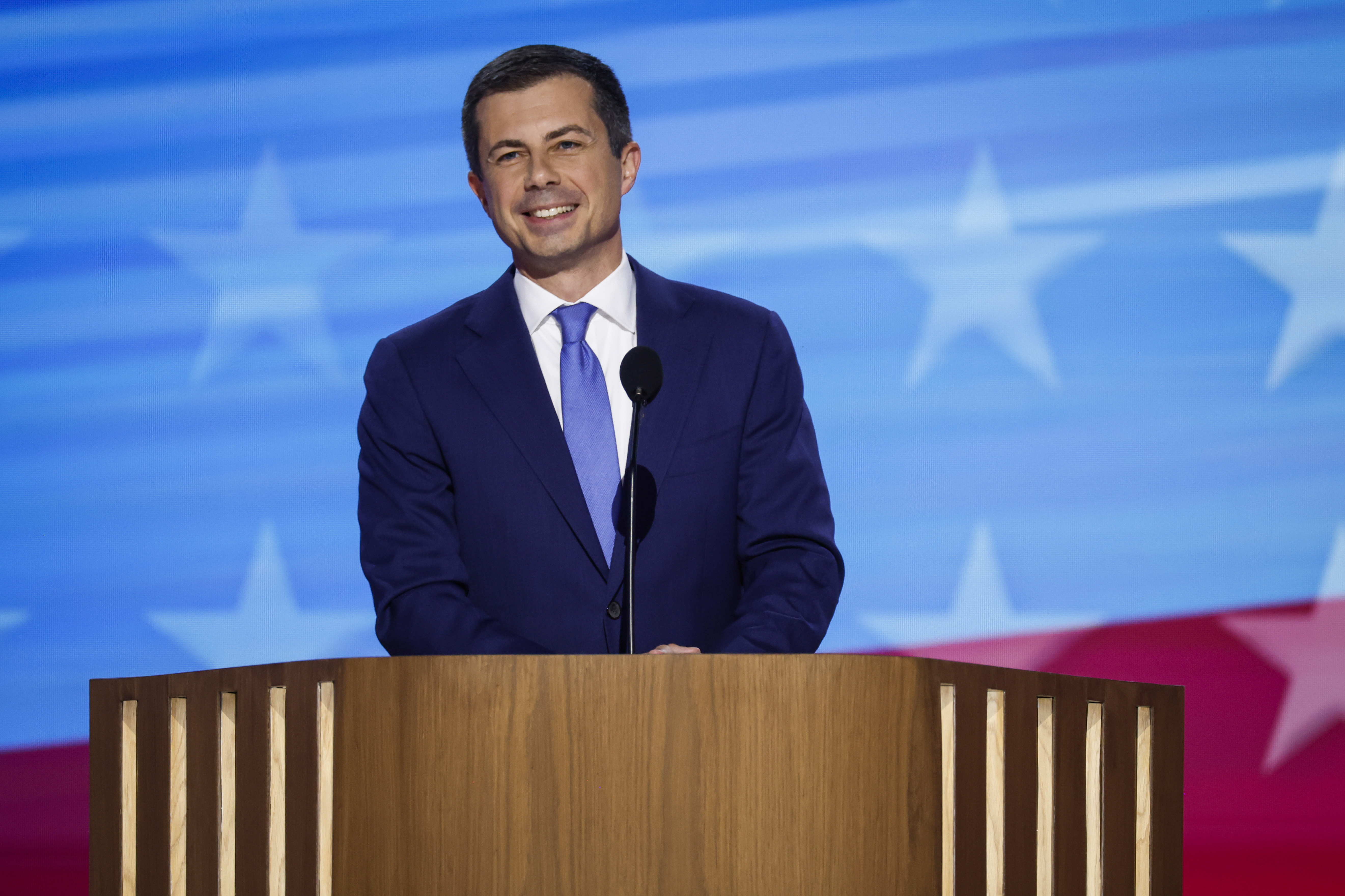
Why Pete Buttigieg Is Back in the National Conversation
Pete Buttigieg is having one of those political moments that looks sudden, but really is not. One day he is a familiar Democratic voice making the occasional appearance. The next, he is a headline name again, framed as both a policy combatant and a potential future contender. The spark is...
Read more →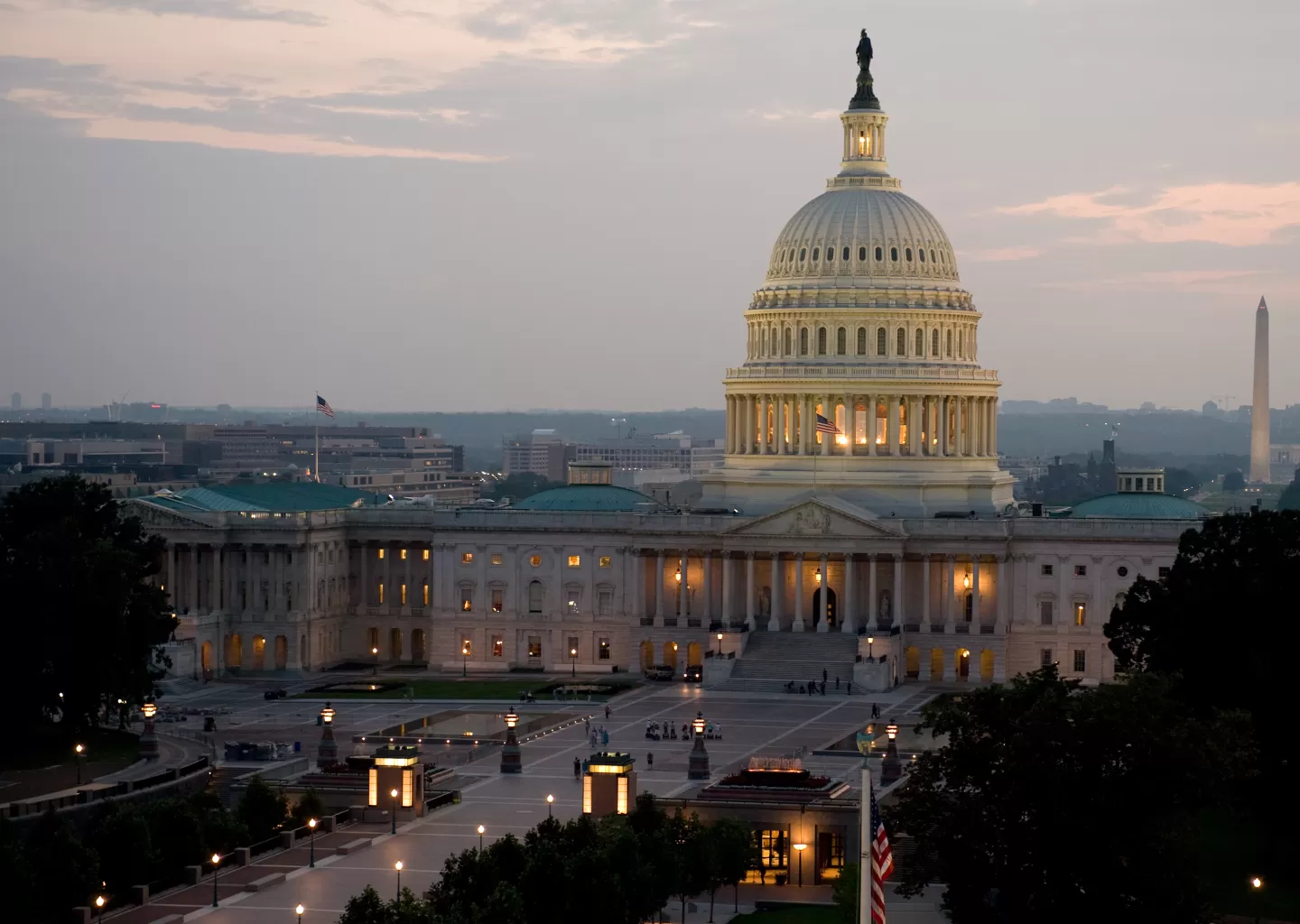
Why the 2026 Midterms Are Getting Loud Already
The 2026 midterms are starting to feel loud, and it is not because Americans suddenly became obsessed with congressional procedure. It is because people can feel the equation forming: a president in the White House, an anxious opposition, a governing party trying to defend its record, and a...
Read more →
Can Federal Prisons Restrict Transgender Treatment? What the Supreme Court Fight Is About
When the Justice Department asks the Supreme Court to “save” a Bureau of Prisons policy, it can sound like a morality play. But it is really a power question and a constitutional question, with a medical question inside it. This explainer is written to be evergreen . It explains the legal standards...
Read more →
Can Citizenship Be Revoked? What Denaturalization Requires and Who Can Do It
In moments like this, a familiar question pops up fast: can the government revoke someone’s citizenship? The Constitution treats citizenship as a status with real gravity, not a license that can be canceled when politics turns ugly. That does not mean citizenship is untouchable. It means there are...
Read more →
What Happens in an ICE Workplace Raid?
Videos of workers running from immigration agents are jarring because they collapse a big, abstract legal authority into a very small space: a kitchen doorway, a service window, a back parking lot. People watching usually ask the same questions in the same order. Can ICE just walk into a business?...
Read more →
Trump’s Approval Hits a New Low: What It Really Means for 2026
Presidential approval ratings are treated like the national mood ring, and in a way they are. But they are also something more practical: a rough measurement of how hard it will be for a White House to govern with Congress, defend its party in competitive districts, and keep its own coalition from...
Read more →
Supreme Court Temporarily Allows SAVE Database for Voter Checks
The Supreme Court just did something that sounds sweeping and, in practice, is more like a legal pause button. In an emergency order issued Friday, the Court temporarily allowed the Trump administration to move forward with a mass voter verification system that relies on a federal database, while...
Read more →
Can a President End Fuel-Economy Mandates?
Fuel economy rules are one of those Washington phrases that sound simple until you ask the obvious question: who is actually in charge. Politicians sometimes claim they have “terminated” an “EV mandate” by moving “fuel economy standards” in a new direction. That runs into a basic constitutional...
Read more →
Who Actually Has the Power in Iran Talks?
You can tell when a foreign policy story is really a civics story because the argument is not about Iran. It is about who can promise what, for how long, and whether the next election can erase it. That is the constitutional question underneath the latest back and forth: if Iran thinks it can wait...
Read more →
SCOTUS and Voter Citizenship Checks: What States Can and Cannot Do
When the Supreme Court steps into the weeds of voter registration, the headline almost always sounds simpler than the law. This explainer uses a Virginia voter-roll dispute as the running example because it tees up several recurring issues at once: what states can do to check citizenship, what...
Read more →
Pocket Rescission Explained
You can learn a lot about the Constitution by watching what people fight over when real money is on the table. That is why the phrase pocket rescission keeps showing up in commentary and legal criticism as late-year spending deadlines approach. The label is not a formal term in federal budget law....
Read more →