
Articles by Eleanor Stratton
Browse articles in Articles by Eleanor Stratton on U.S. Constitution
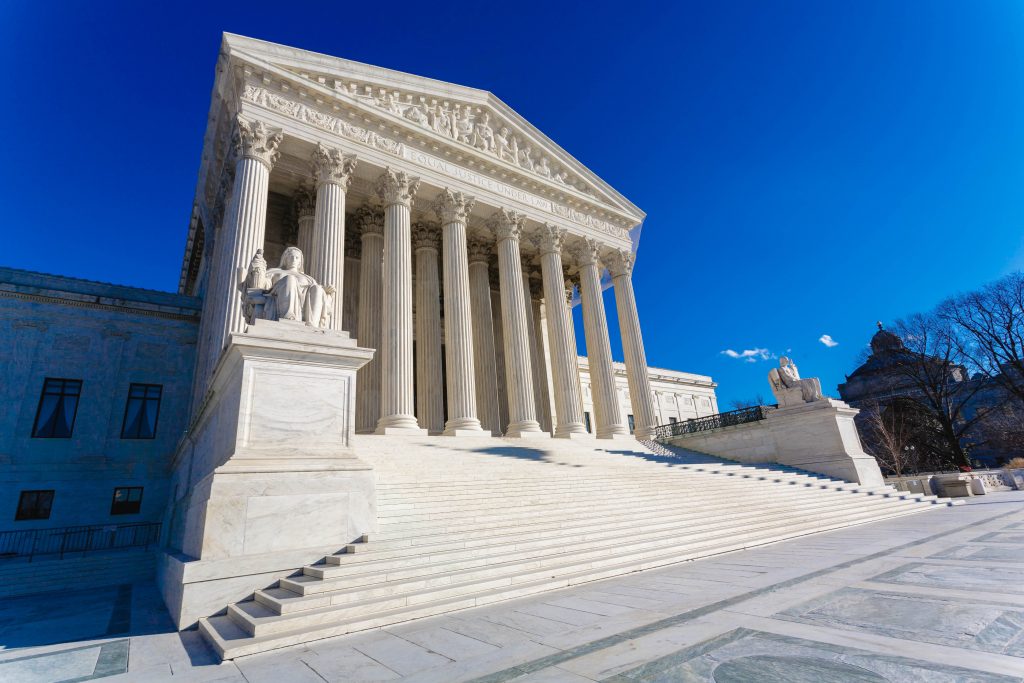
Can ICE Detainees Get Bond Hearings?
People hear “ICE detention” and assume it works like criminal jail: you get booked, you often see a judge quickly, and bail is at least on the table. Immigration detention is not built that way. It is civil detention, and Congress has written immigration statutes that sometimes make detention...
Read more →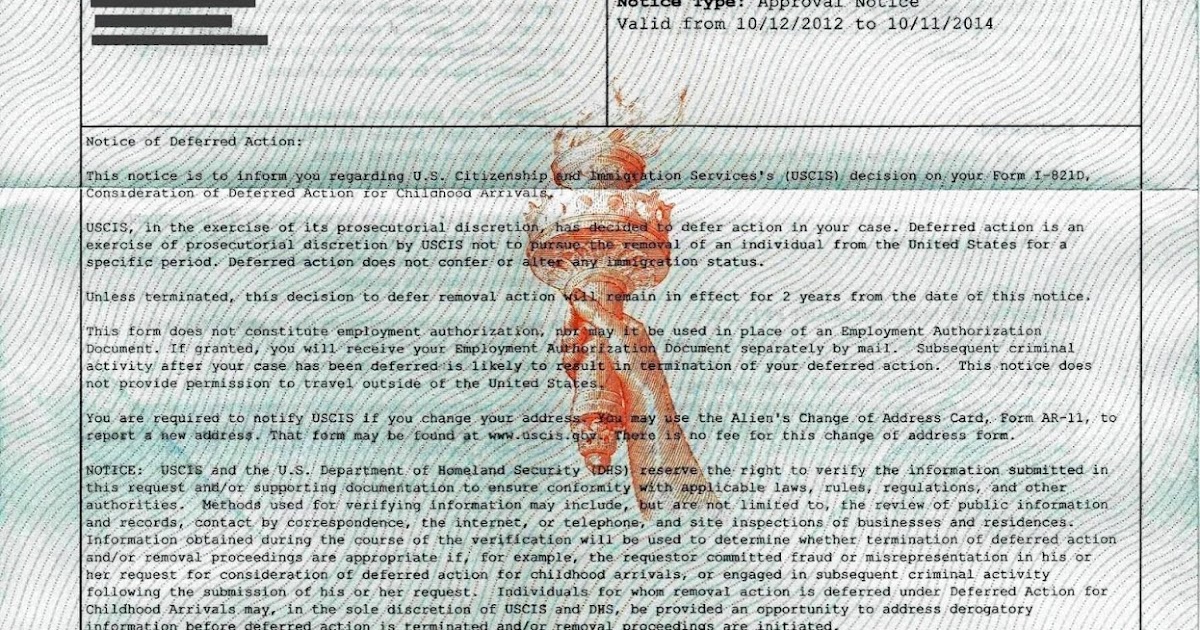
What Deferred Action Means and Why a Visa Overstay Still Matters
“Deferred action” sounds like a technical footnote. It is not. It is one of the most powerful quiet tools in federal immigration enforcement because it answers a blunt question: will the government try to remove you right now ? Recent coverage and public discussion has pointed to Chukwunonso Eze, a...
Read more →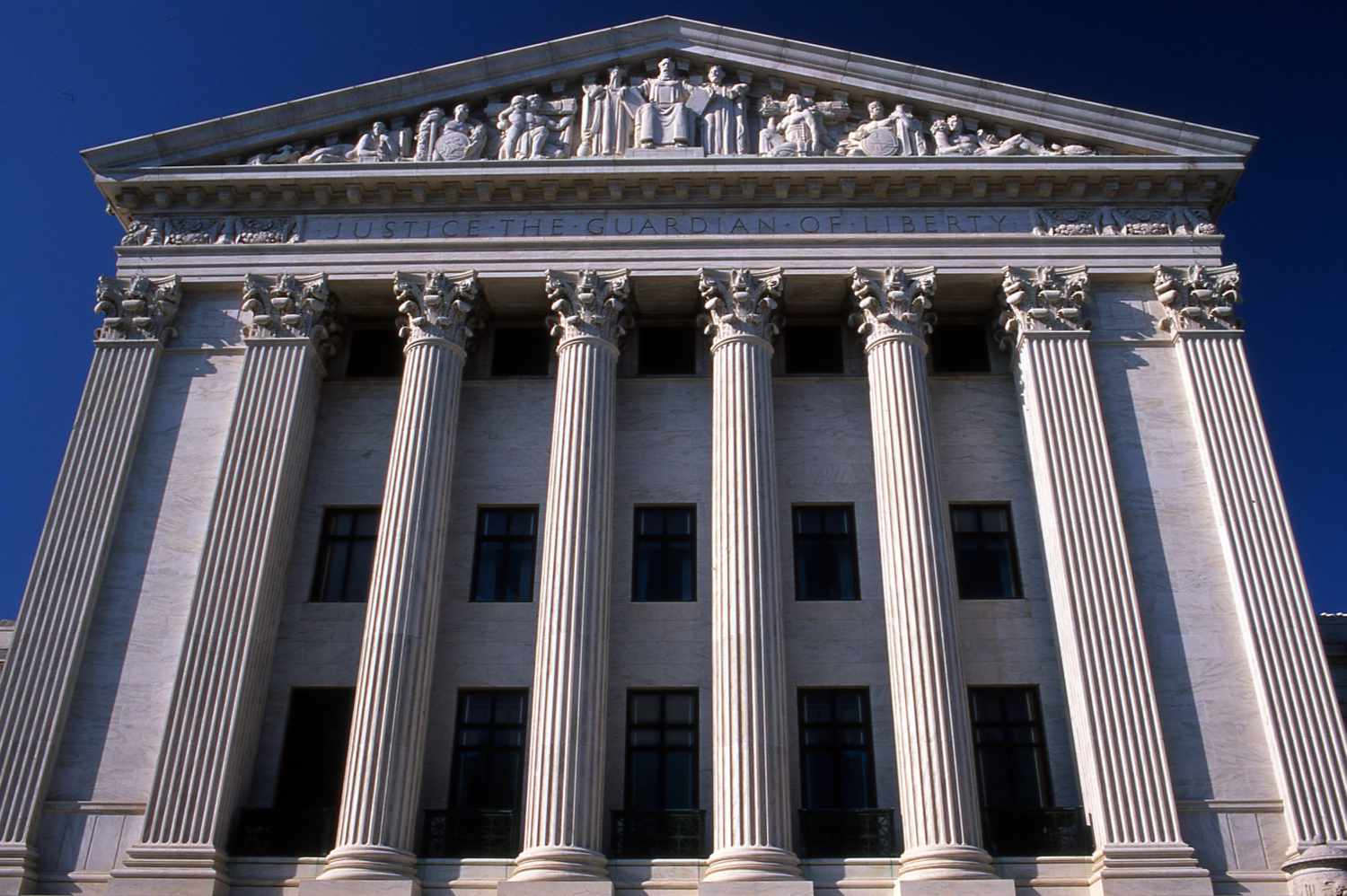
The Supreme Court Emergency Docket Explained
The Supreme Court has a way to change the legal landscape without hearing oral argument, issuing a full signed opinion, or waiting months for the usual briefing schedule. It is not a secret power. It is an old tool used in a modern way. That tool is the Court’s emergency docket , sometimes...
Read more →
How Noncitizens End Up on Voter Rolls
Every time a report surfaces claiming that noncitizens were found on voter rolls , two different questions collide in the public mind. First: Is it legal for a noncitizen to vote? For federal elections, the answer is no. Federal law makes it a crime for a noncitizen to vote in an election held in...
Read more →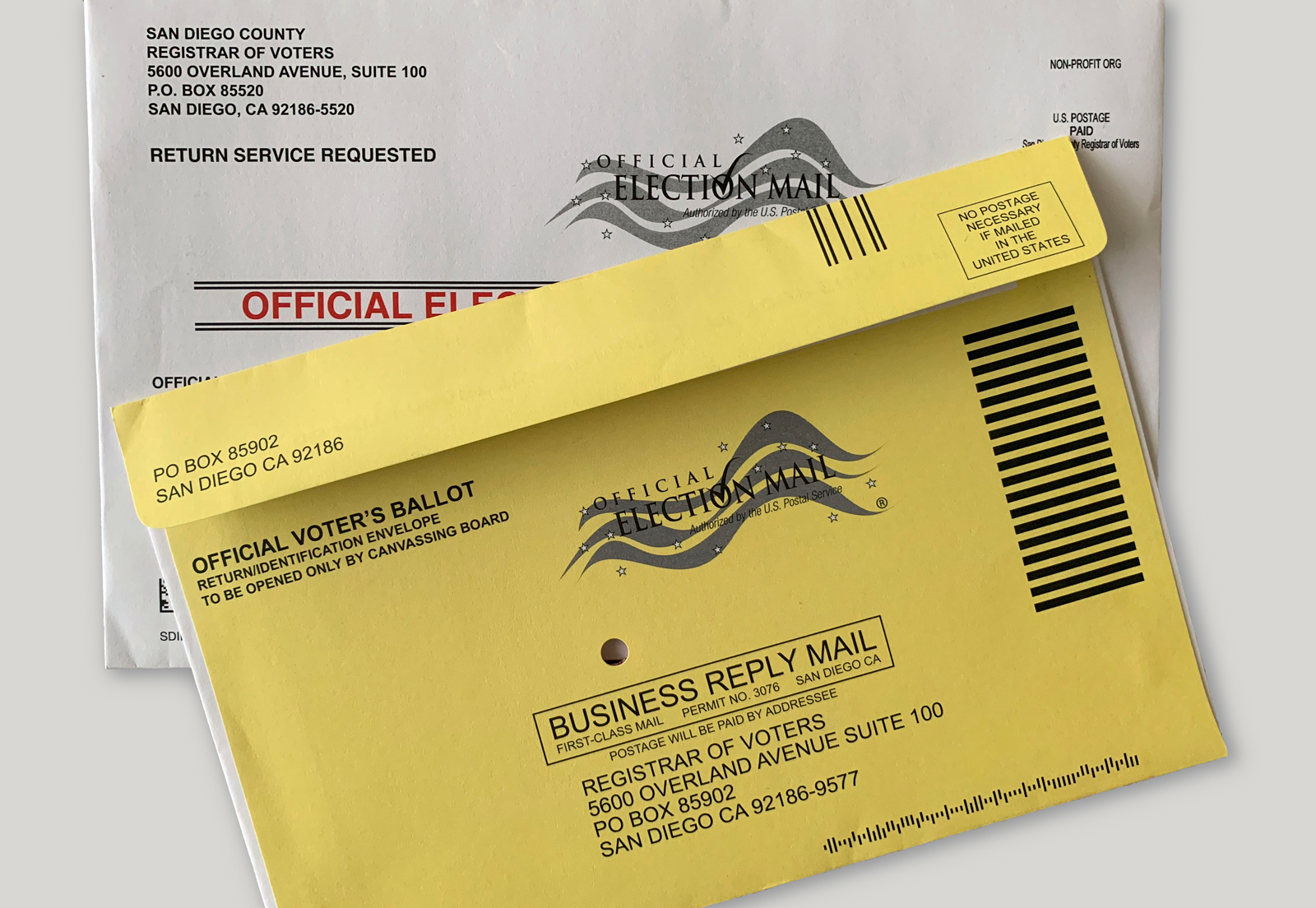
Ballot Custody and Court Power in California Elections
When people argue about “election integrity,” they often skip past the least glamorous part of the system: who physically controls the ballots, and under what rules. Ballots are paper, but they are also process. The legitimacy of an election depends not only on how votes are counted, but on whether...
Read more →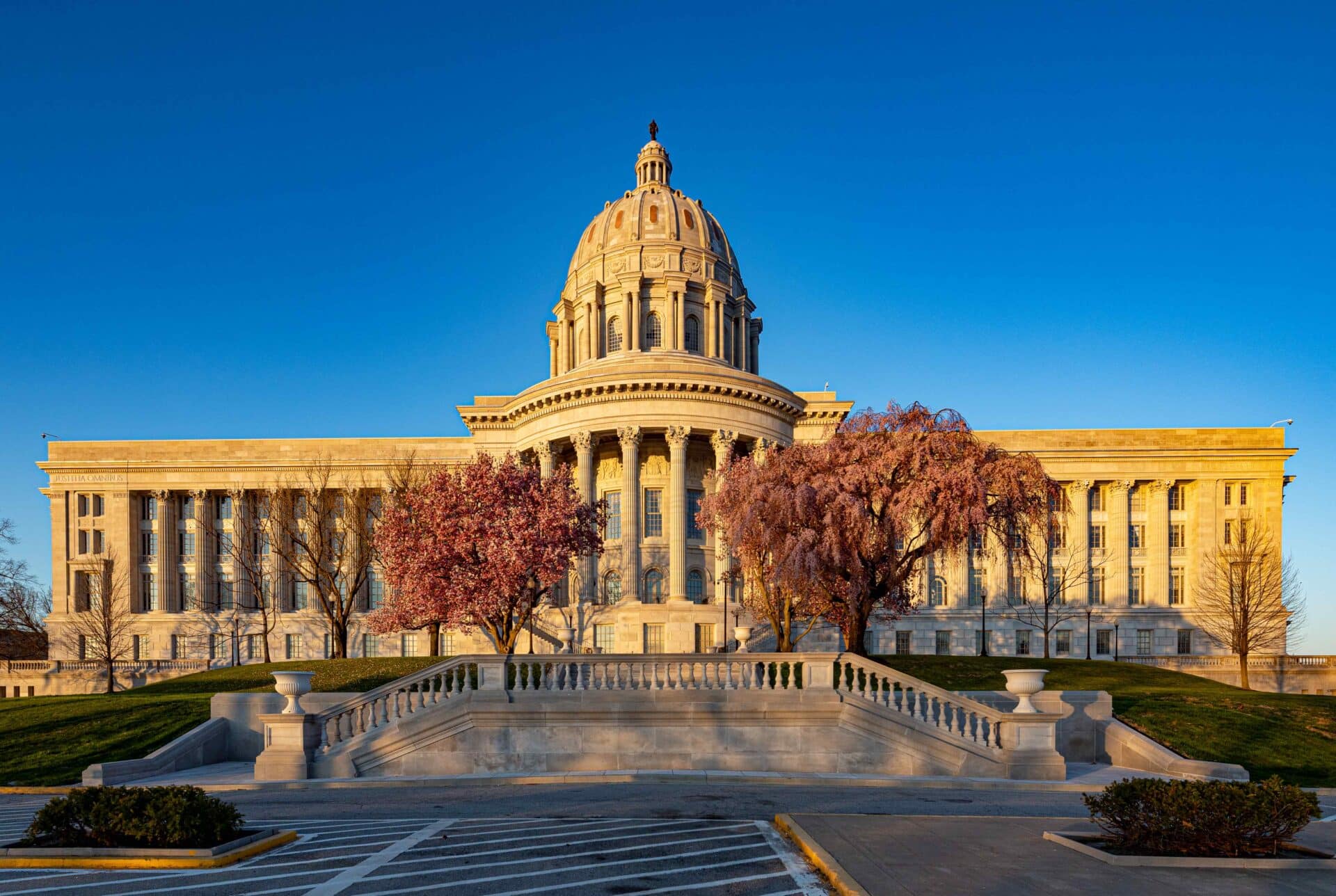
Why Missouri’s Redistricting Fight Is Back in Court
When people say Missouri’s redistricting fight is “back in court,” they usually mean one practical question: which set of district lines will be used for the next congressional election . Important note: This explainer is a general guide to how congressional map disputes move through federal...
Read more →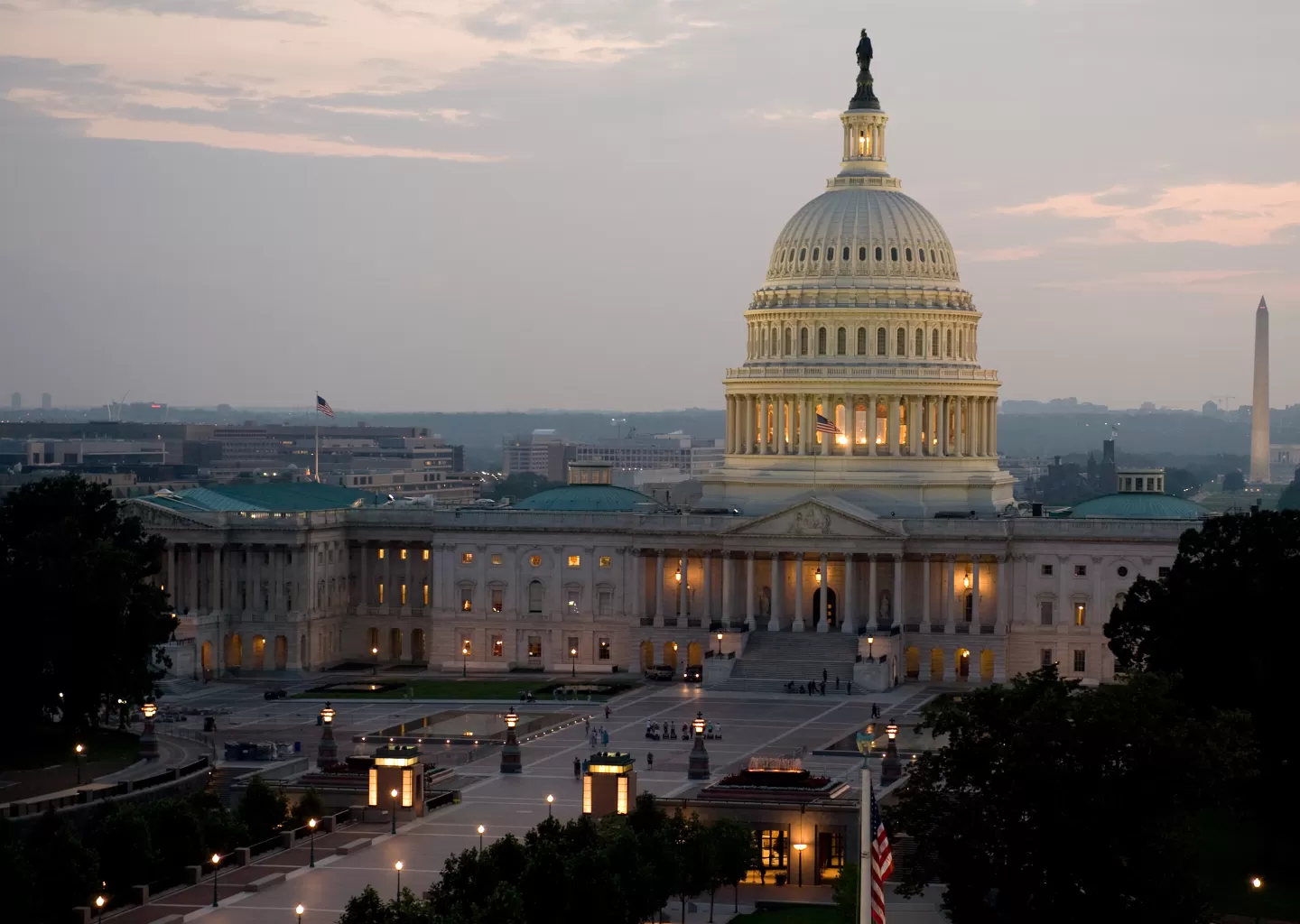
What the War Powers Fight Over Iran Actually Means
When the Senate votes on whether to “rein in” presidential authority over a potential Iran conflict, the headline is not just about one president or one country. It is about a structural choice the Framers made on purpose: the power to use military force is split , so no single branch is supposed...
Read more →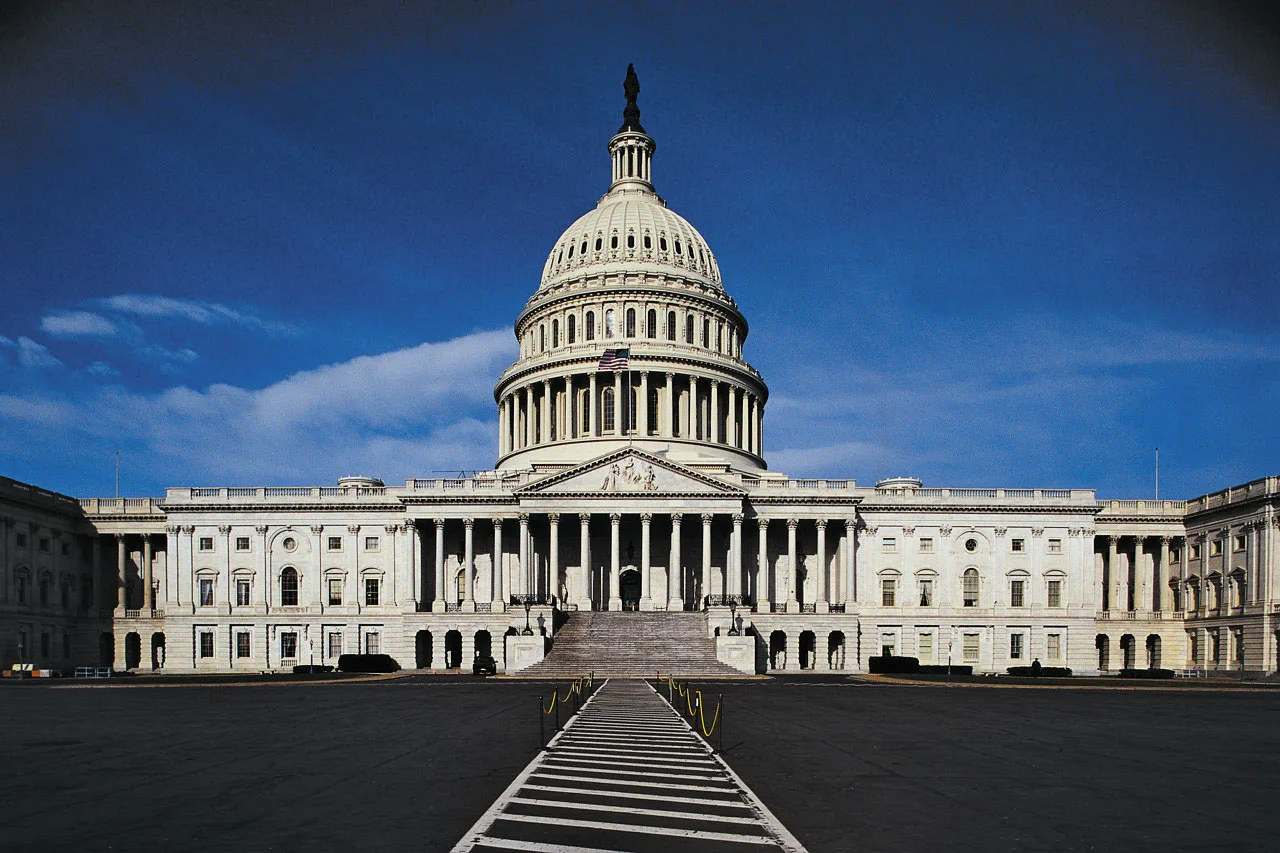
What Voters Can Blame Presidents For
Midterms are America’s constitutional stress test. Not because the Constitution mentions “midterm elections” as a special category, but because the structure practically dares voters to send a message halfway through a presidency. When prices climb and paychecks feel smaller, voters do what humans...
Read more →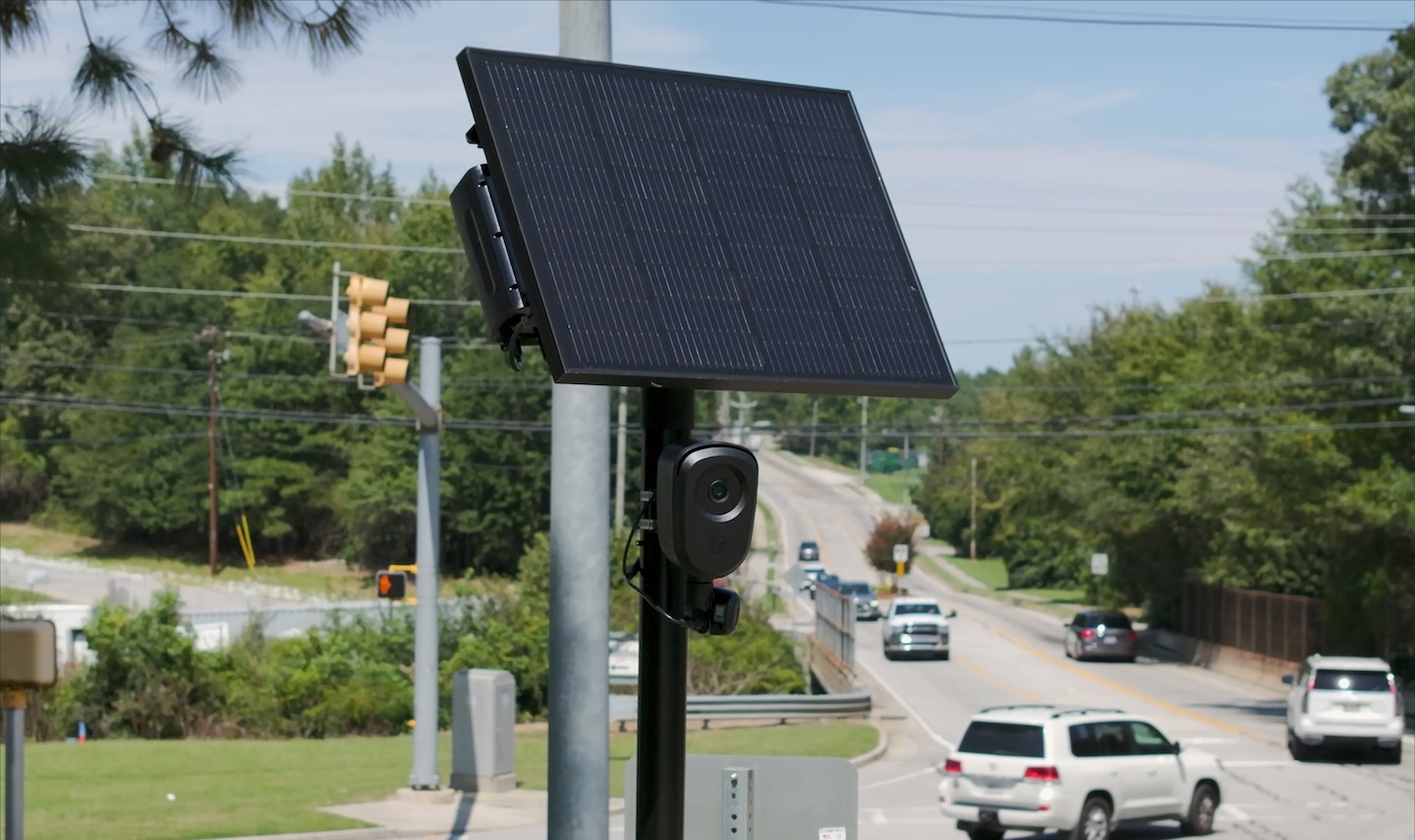
When Gunshots Become Data: Flock Alerts and the Fourth Amendment
You can hear a sound without searching anyone. That is the common-sense starting point. But modern policing is building a new chain of inference: a “bang” becomes a digital alert, the alert becomes a mapped “event,” and the event becomes a database query that can surface a list of vehicles that...
Read more →
Home Heating Oil Reserves and Presidential Power
When senators urge a president to “release the home heating oil reserve,” the phrasing is often imprecise. They are not talking about the Strategic Petroleum Reserve on the Gulf Coast, or a federal stockpile of gasoline. They usually mean one small, purpose-built program created for one problem and...
Read more →
The First Circuit’s Deportation Ruling, Explained
Deportation sounds, in political shorthand, like a single government action: you are “removed,” and that is the end of the story. In reality, deportation is a chain of smaller legal decisions. Where will you be sent? What if you face persecution or torture there? What if you have new, material...
Read more →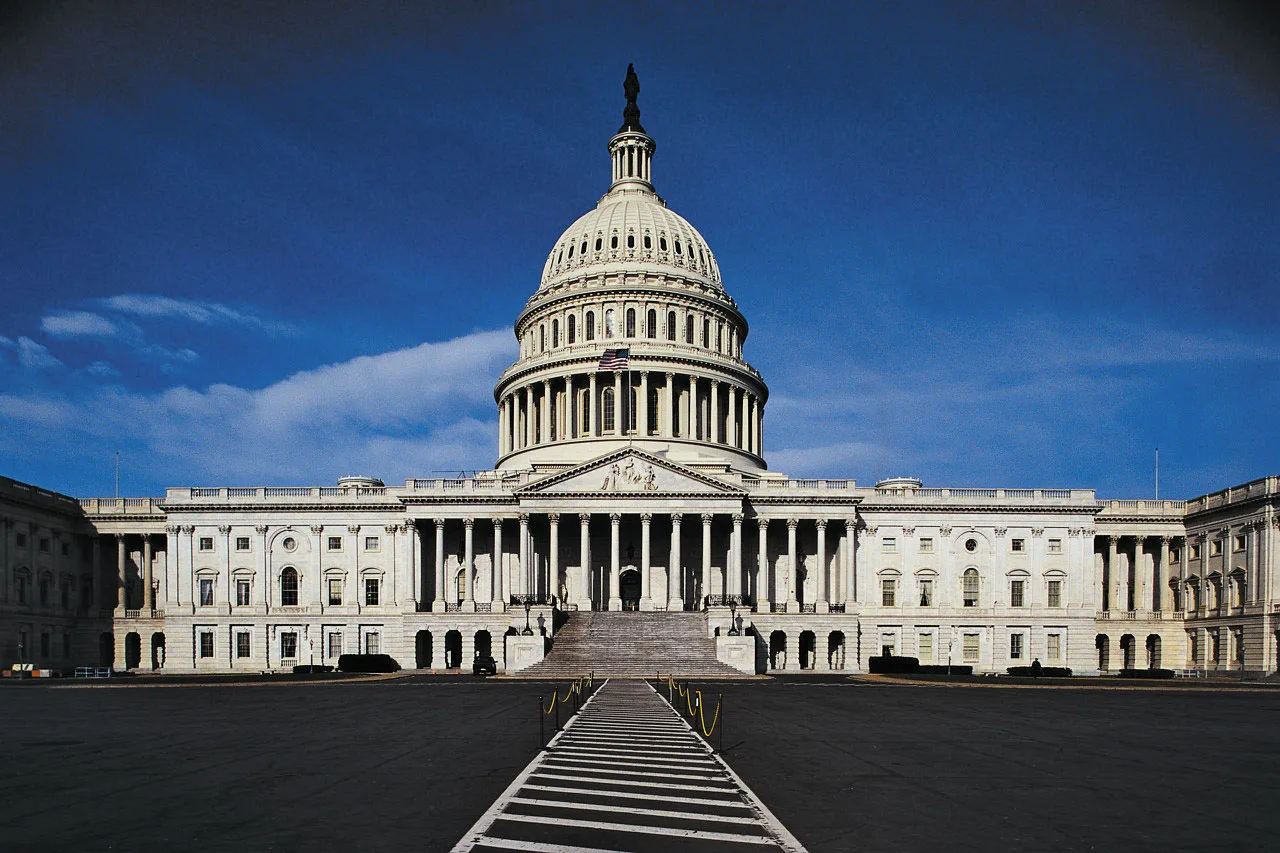
The Senate’s College Sports Vote: What Could Change for NIL and Transfers
College sports used to be governed by a familiar arrangement: the NCAA wrote the rulebook, schools handled day-to-day compliance, and conferences often supported enforcement in uneven ways. States mostly stayed out of the way. NIL changed that. Transfers changed that. And lawsuits, especially...
Read more →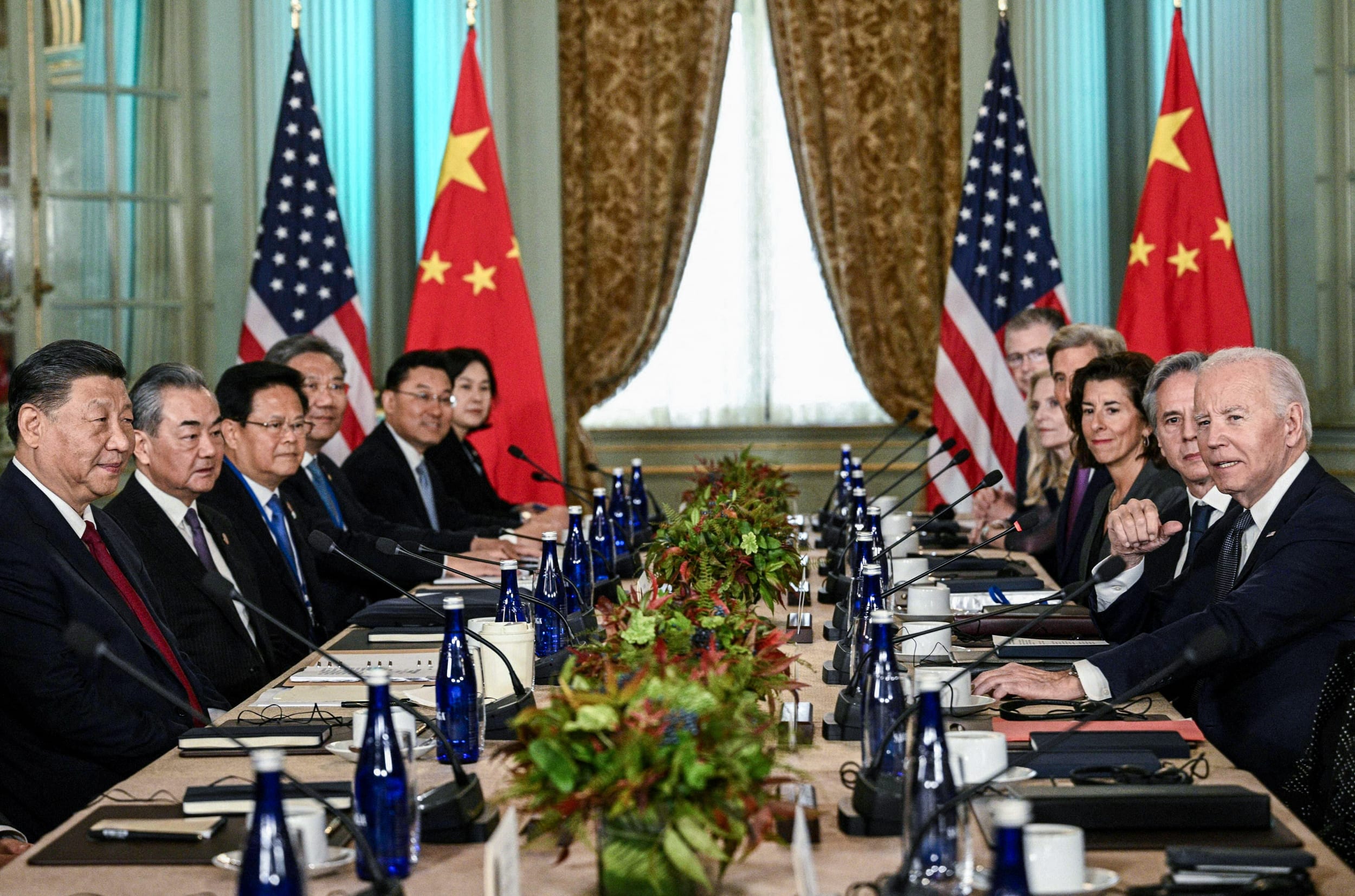
What Can the President Actually Do on Tariffs, AI, and China?
Summits make presidential power look like a single lever. A leader flies in, doors close, statements come out, markets move. But the Constitution does not give the president a “China policy” button. What it gives is a set of shared powers that pull against each other: Congress writes the rules of...
Read more →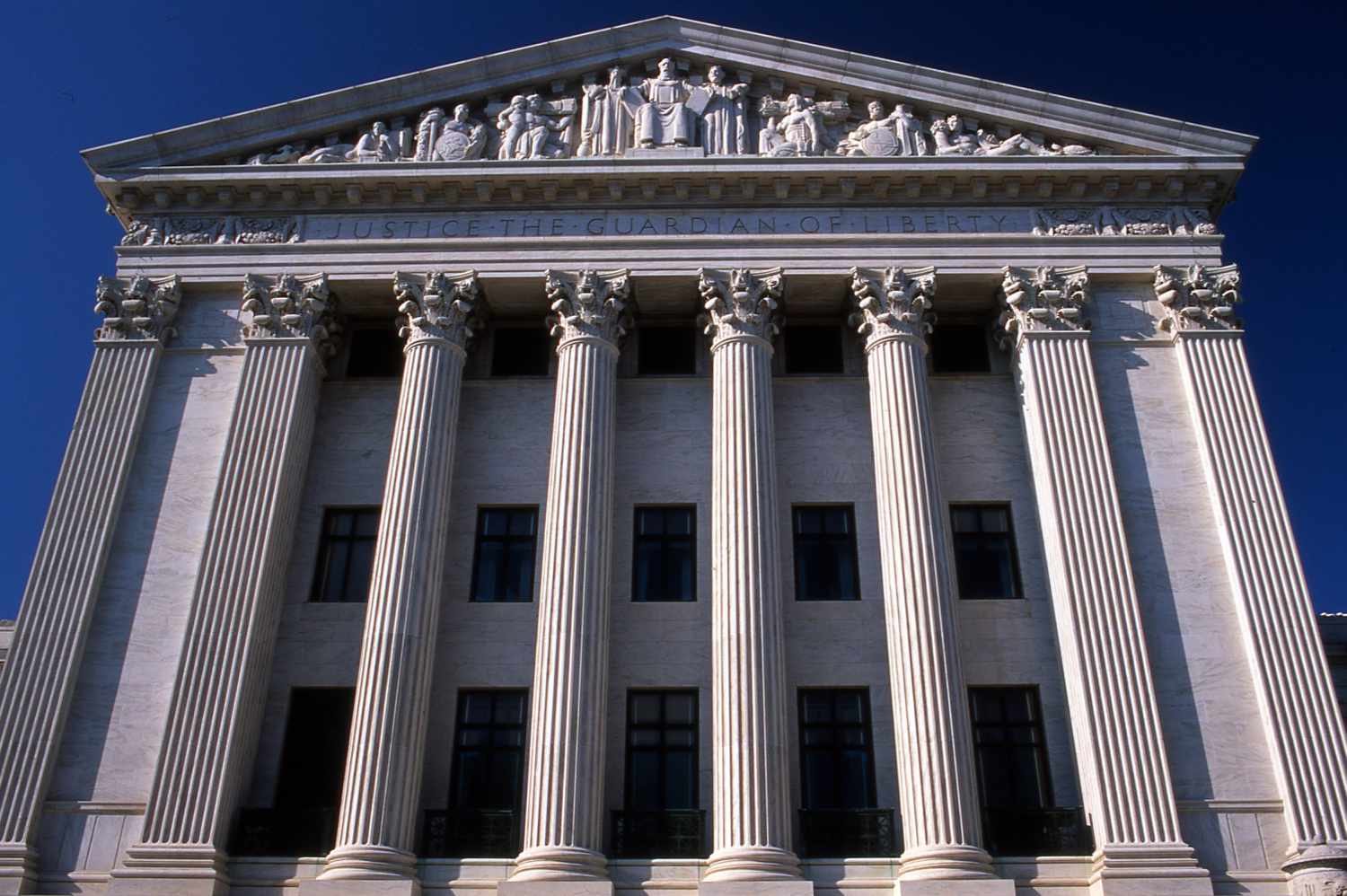
What Happens When a Surrogate Refuses an Abortion?
You can write many things into a surrogacy contract. Parties often plan for hospital choice, prenatal testing, travel, bed rest, and who gets to cut the umbilical cord. But enforceability varies widely by state, and some provisions are limited or void as a matter of public policy. What you cannot...
Read more →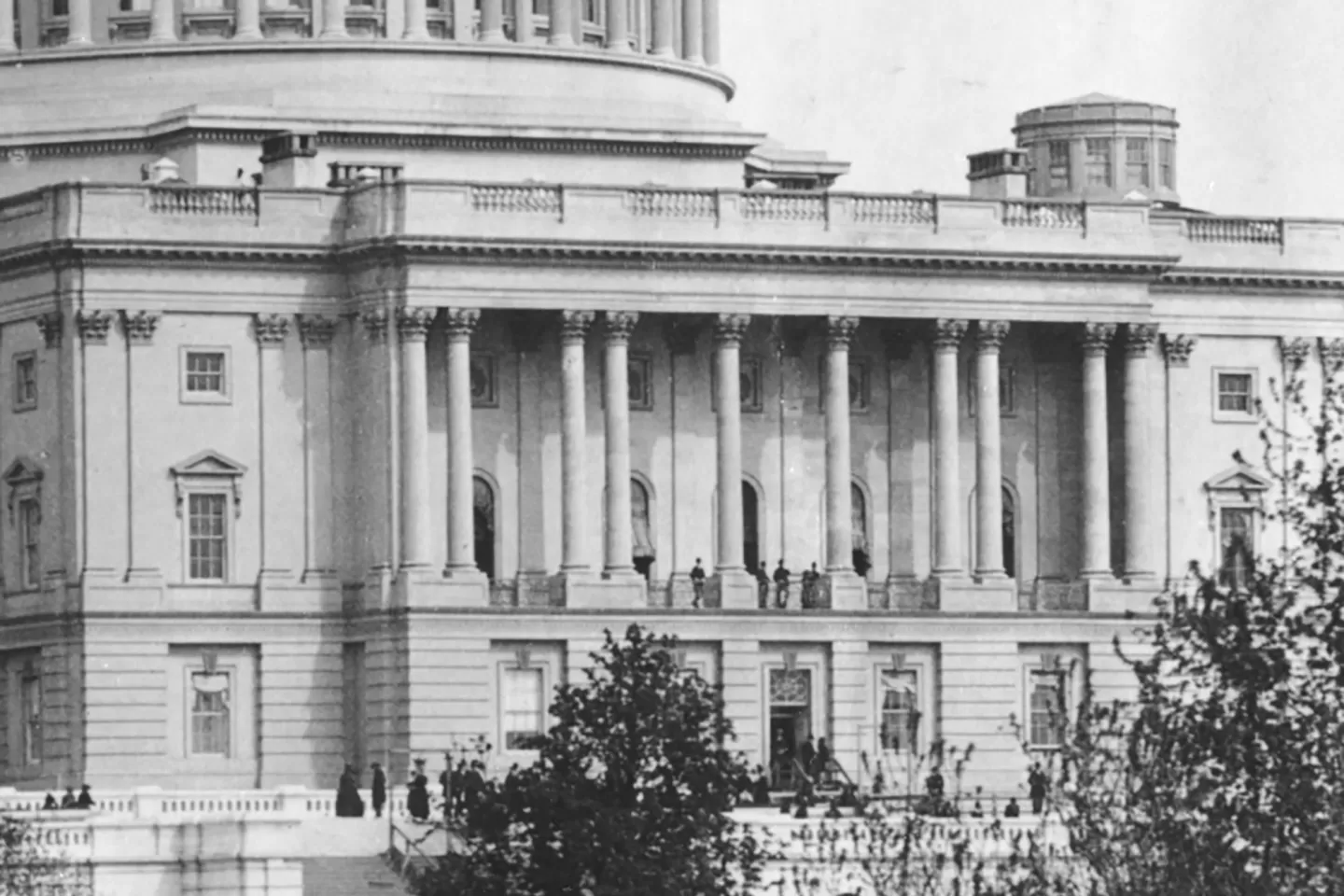
Can Congress Block a Federal Anti-Fraud Division?
You can create a “division” with a press conference. You cannot create one that actually investigates fraud, hires staff, compels documents, and brings cases without running into the Constitution’s basic architecture: Congress writes the laws, Congress controls most federal spending through...
Read more →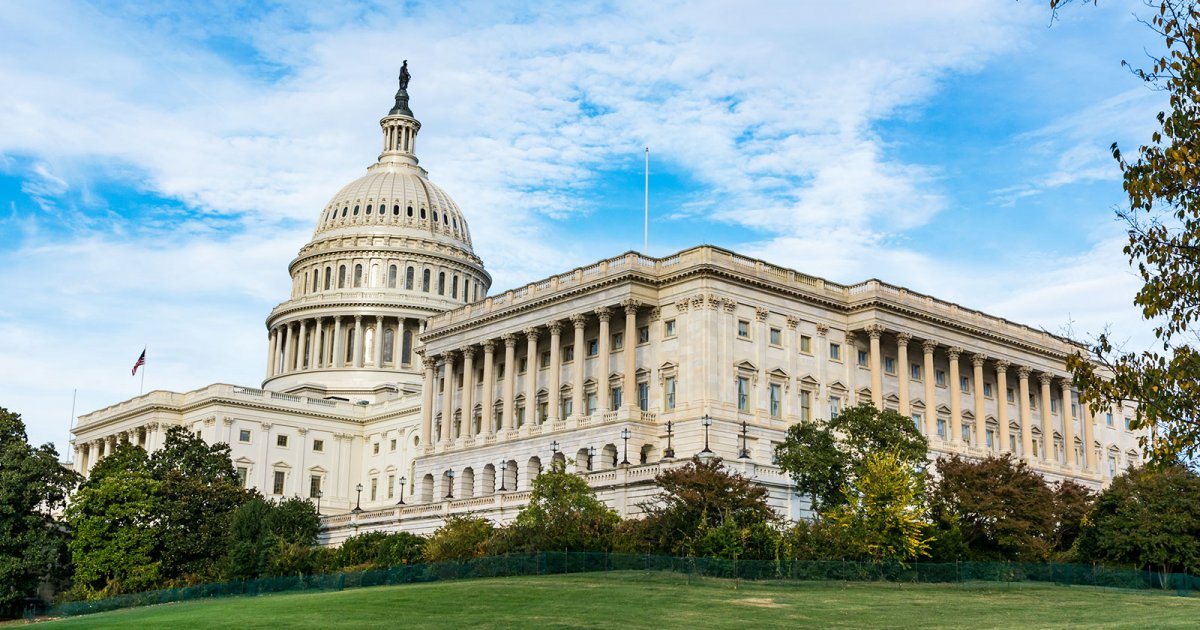
The Senate Filibuster, Statehood Math, and What the Constitution Actually Says
Every few years the filibuster reappears as a political cliffhanger: keep it, kill it, carve exceptions, or watch it block everything. This time the argument is tied to a second question that feels separate but is not: statehood for Washington, D.C. and Puerto Rico. Put them together and you get a...
Read more →
Who Controls Data Centers?
Data centers used to be the kind of infrastructure most Americans never had to think about. They were “somewhere else,” tucked into an industrial park, out by an airport, or behind a fence with a logo and a generator hum you could ignore. AI changed that. Training and running large models demands...
Read more →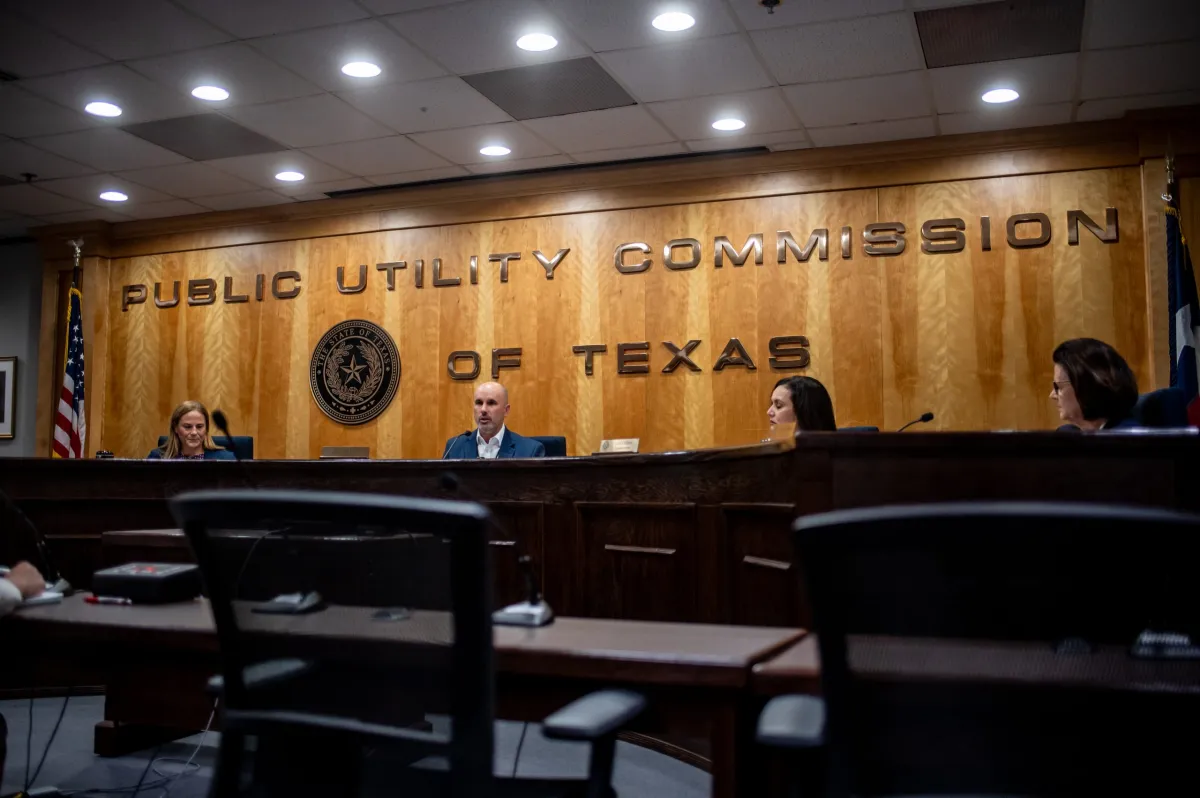
EPA Rollbacks, Ratepayers, and the Limits of Agency Power
When an administration announces an EPA “rollback,” the headline usually comes with a second promise: lower costs. Sometimes the number is enormous. Sometimes it is framed as immediate relief for households. But the Constitution does not contain an “EPA switch” the President can flip to make rules...
Read more →
Permanent Daylight Saving Time Hits the Federal Wall
Every autumn, the same civic ritual returns: questions about when we “fall back,” why we still do this, and why it feels like we have collectively agreed to stop, only to somehow keep doing it. What is different now is that a growing number of states have already done the obvious political part....
Read more →
ICE Shooting in Austin Pulls DoorDash Into a Bigger Immigration Fight
You can almost watch the internet misfile this story in real time. A man is shot during a federal immigration enforcement operation in North Austin. Within hours, the incident is being argued as a referendum on gig-economy hiring, identity fraud, border policy, and whether immigration agents have...
Read more →