
Articles by Eleanor Stratton
Browse articles in Articles by Eleanor Stratton on U.S. Constitution
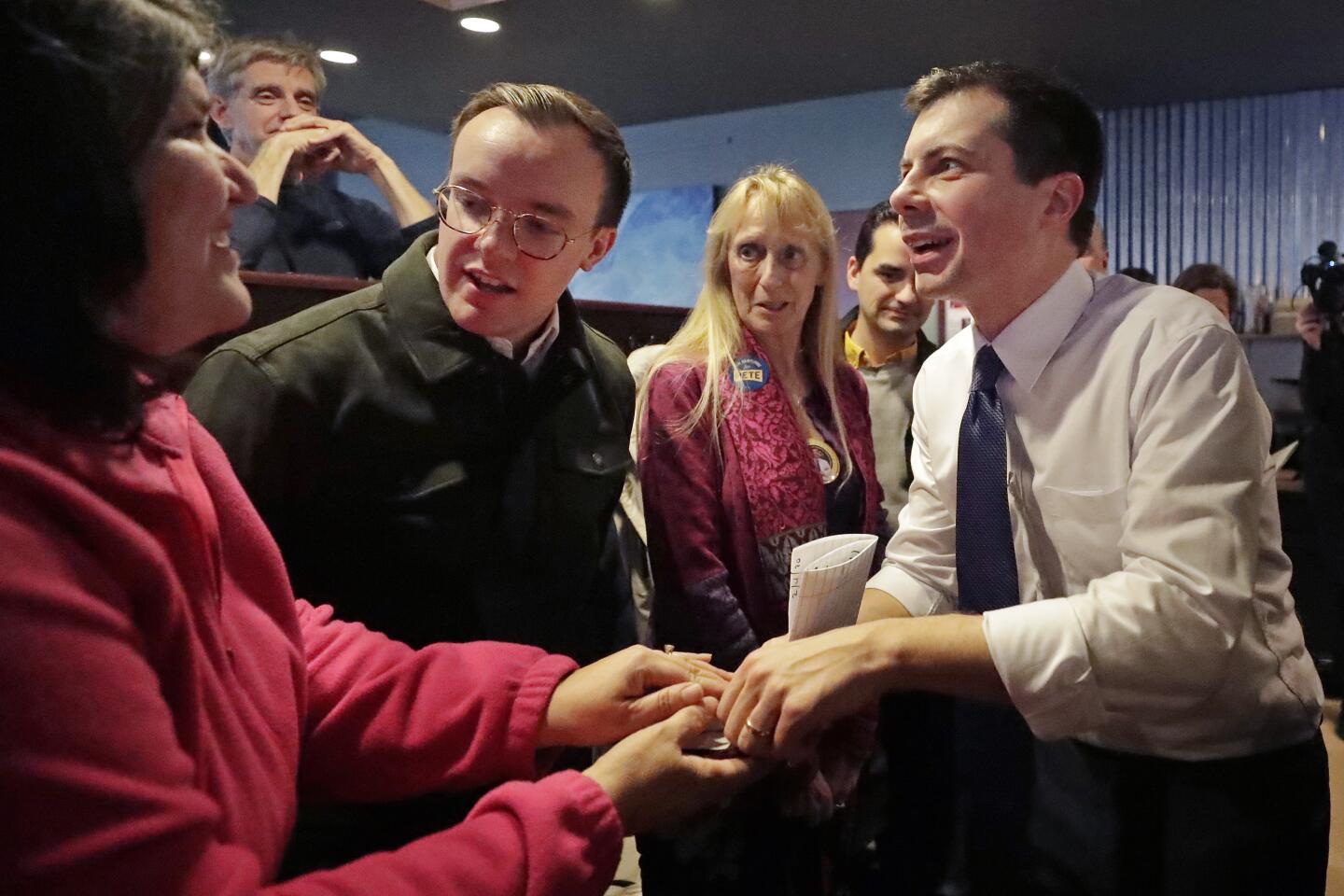
Hegseth in Iowa and the ‘Personal Capacity’ Claim
You can tell how fraught the line between “government” and “campaign” can be by a phrase that keeps appearing in press guidance and official disclaimers: personal capacity . You see it most often when a senior executive official makes a high-visibility public stop that looks, to many observers,...
Read more →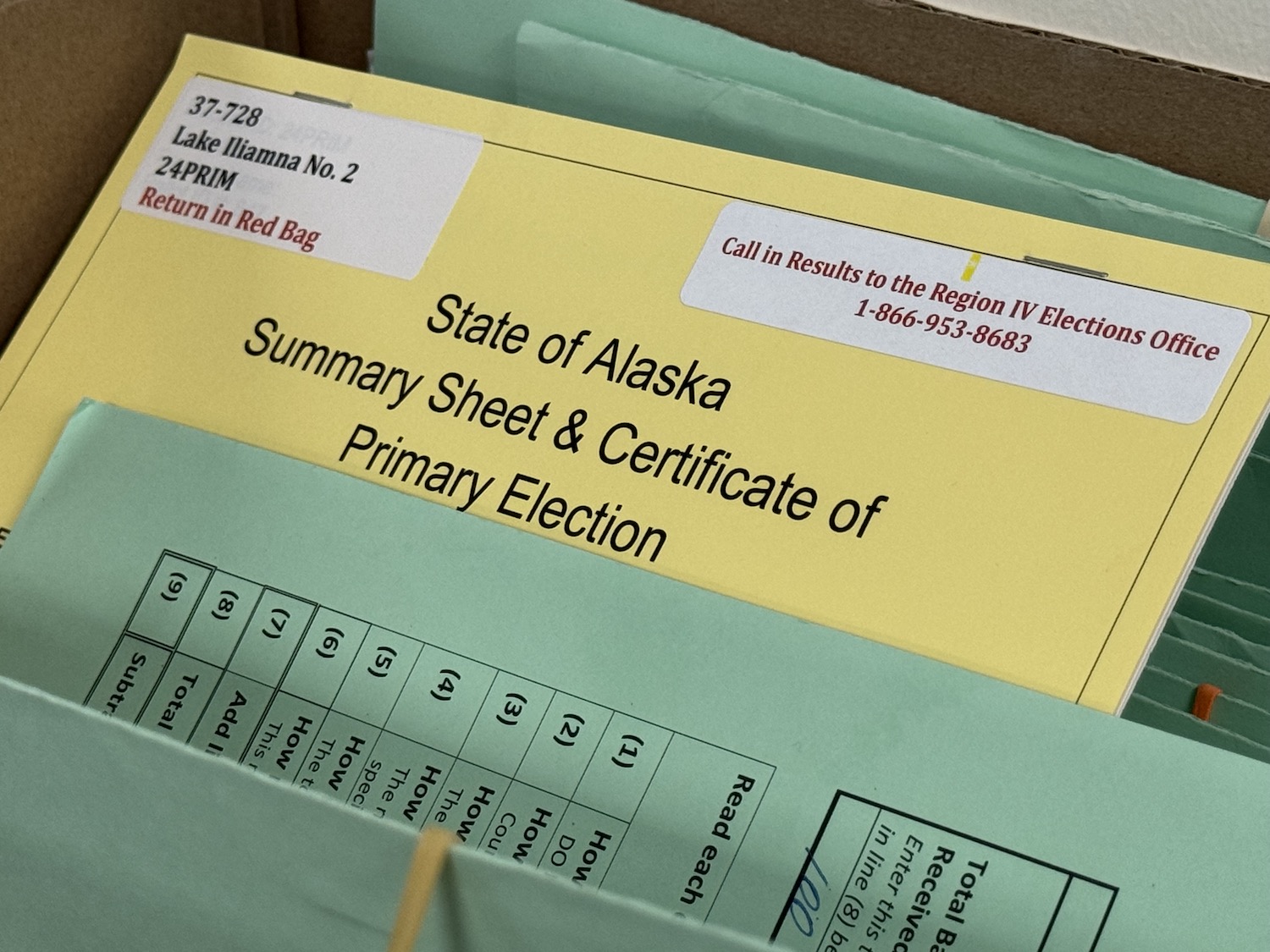
Can a Candidate Run Under the Same Name as an Incumbent? Alaska Ballot Rules Explained
Ballots are not meant to verify anyone’s identity. They are administrative tools, designed to record votes and present eligible candidates in a standardized way. That is why the question at the center of recent Alaska conversation is both simpler and messier than it sounds: Can someone run under...
Read more →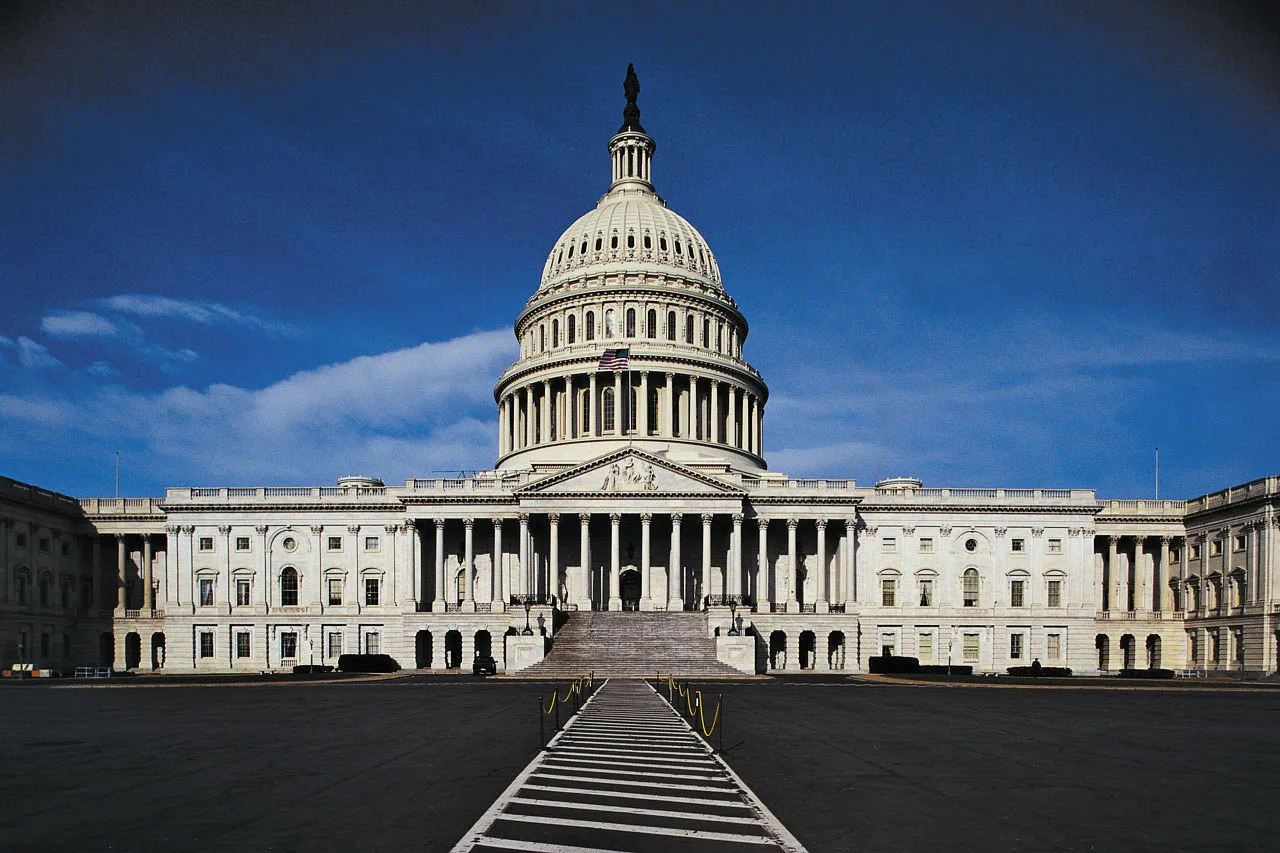
Does Federal Law Require Photo ID to Vote?
You can vote in the United States without showing a photo ID in many places, and that is not a “loophole” in federal law in the sense people usually mean. What it reflects is the absence of a single nationwide photo-ID mandate. American elections are primarily run by states, and Congress only...
Read more →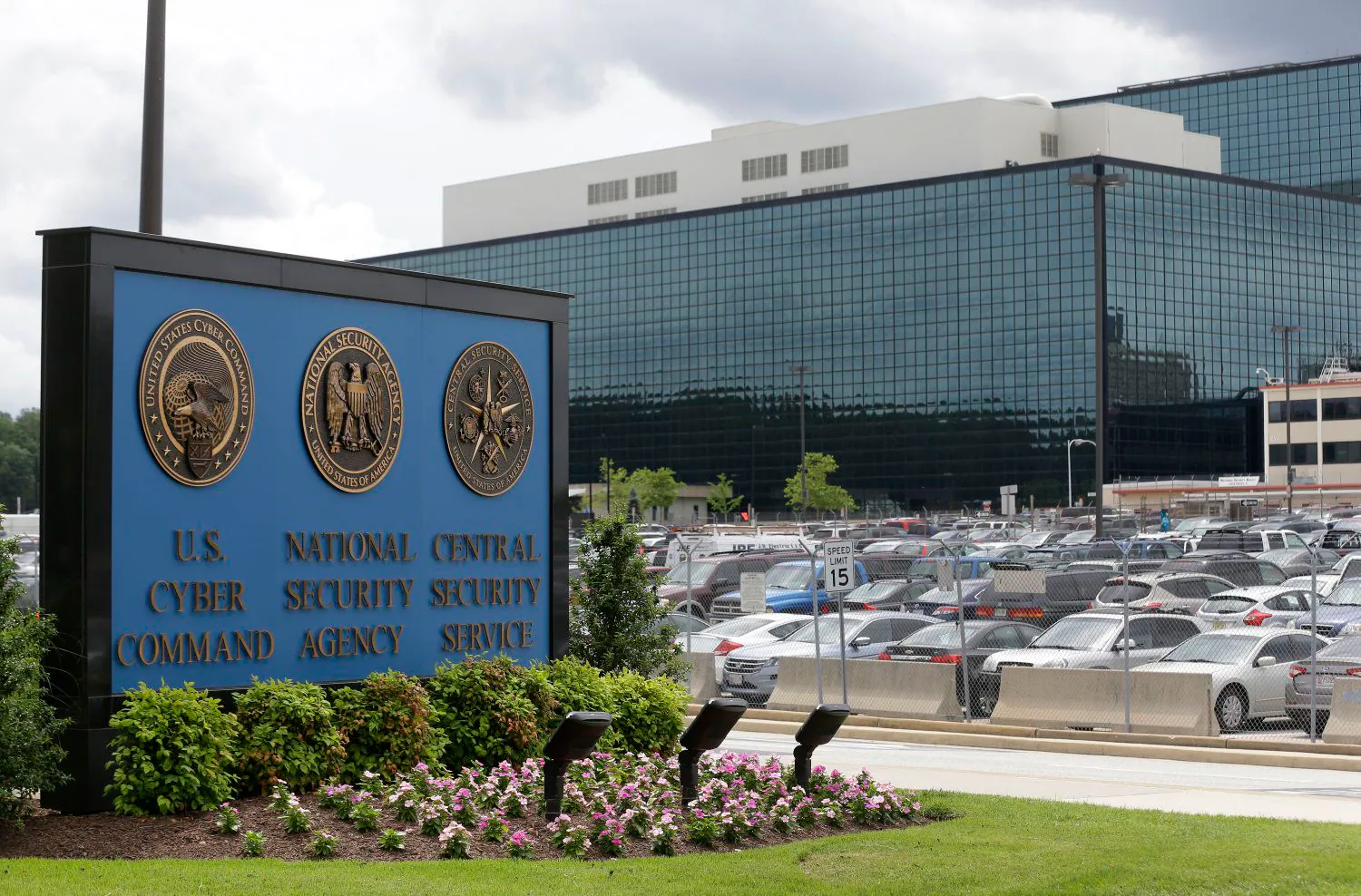
Can the NSA Withhold Election Threat Intelligence?
When a story breaks claiming the National Security Agency held back or delayed election threat reporting, the instinct is to treat it as a spy-thriller plot twist. But the real question is more constitutional than cinematic. In a system built on separation of powers, intelligence is not just...
Read more →
Trump’s South Korea Drill Cut and the Limits of Executive Power
A president can cancel a meeting. A president can move a carrier strike group. A president can also, apparently, tell the Pentagon to dial down decades of joint military exercises with a treaty ally, then explain it to the public in the language of personal relationships. That is the constitutional...
Read more →
The Justice Explaining Today’s Supreme Court
Most people experience the Supreme Court the way you experience weather. One morning you wake up to a new legal climate, and the only question that seems to matter is whether you should grab an umbrella. But the Court is not a storm. It is a machine. And if you want to understand why it can seem to...
Read more →
Trump Tries Again on Birthright Citizenship
Birthright citizenship is one of those American commitments that feels too foundational to keep relitigating. And yet it keeps returning, election after election, lawsuit after lawsuit, executive order after executive order. On June 30, 2026, the Supreme Court rejected President Trump’s 2025...
Read more →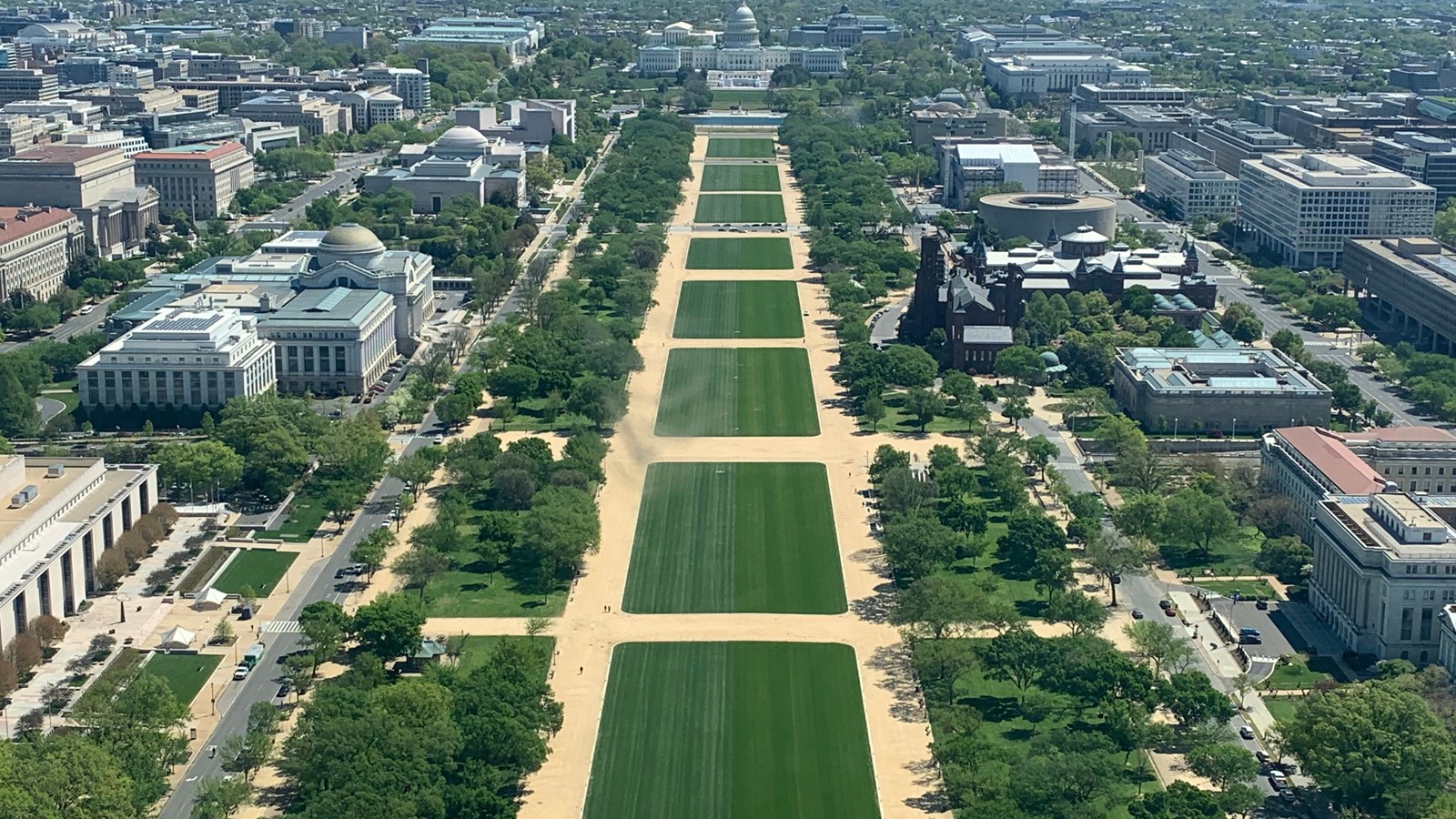
National Mall Vandalism Cases: Who Prosecutes and Why Charges Get Dropped
The National Mall feels like America’s front yard. You can walk from the Capitol to the Lincoln Memorial without ever leaving a space that is legally unusual: a dense patchwork of federal land, multiple layers of policing authority, and federal charging decisions, all sitting inside the District of...
Read more →
De Minimis Tariffs Explained: What the Court Ruling Means for Presidential Trade Power
You can feel the constitutional tension in the phrase “presidential tariff power.” Tariffs are, generally, taxes of a particular kind: customs duties on imported goods. The Constitution assigns taxing and trade powers to Congress. Yet modern trade law often runs through executive-branch processes,...
Read more →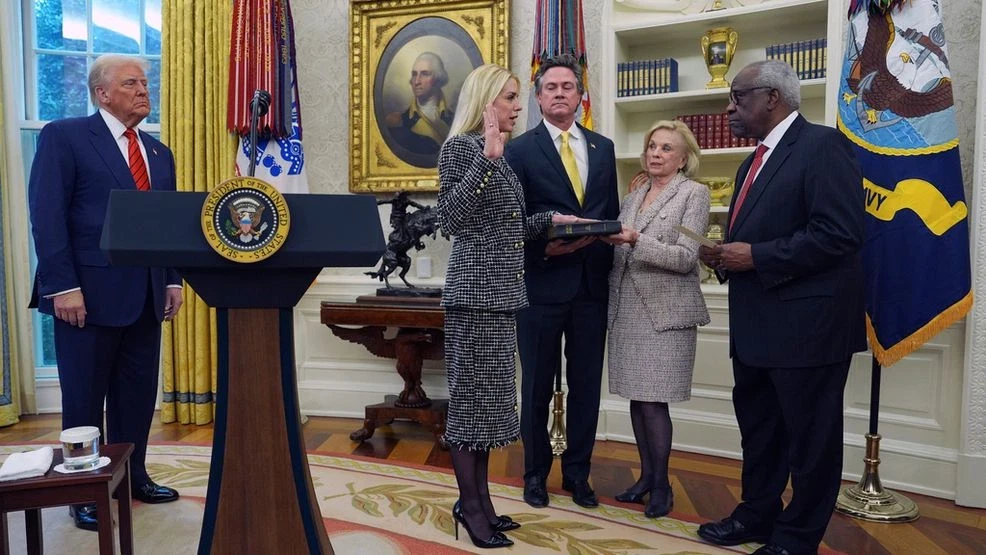
Who Is the Attorney General, and How Is the Job Chosen?
A new Attorney General being sworn in tends to trigger the same wave of questions: Who is this person? What power do they actually have? And who, exactly, is the nation’s “top law enforcement officer” supposed to answer to? The Constitution gives us the outline in broad strokes. The details live in...
Read more →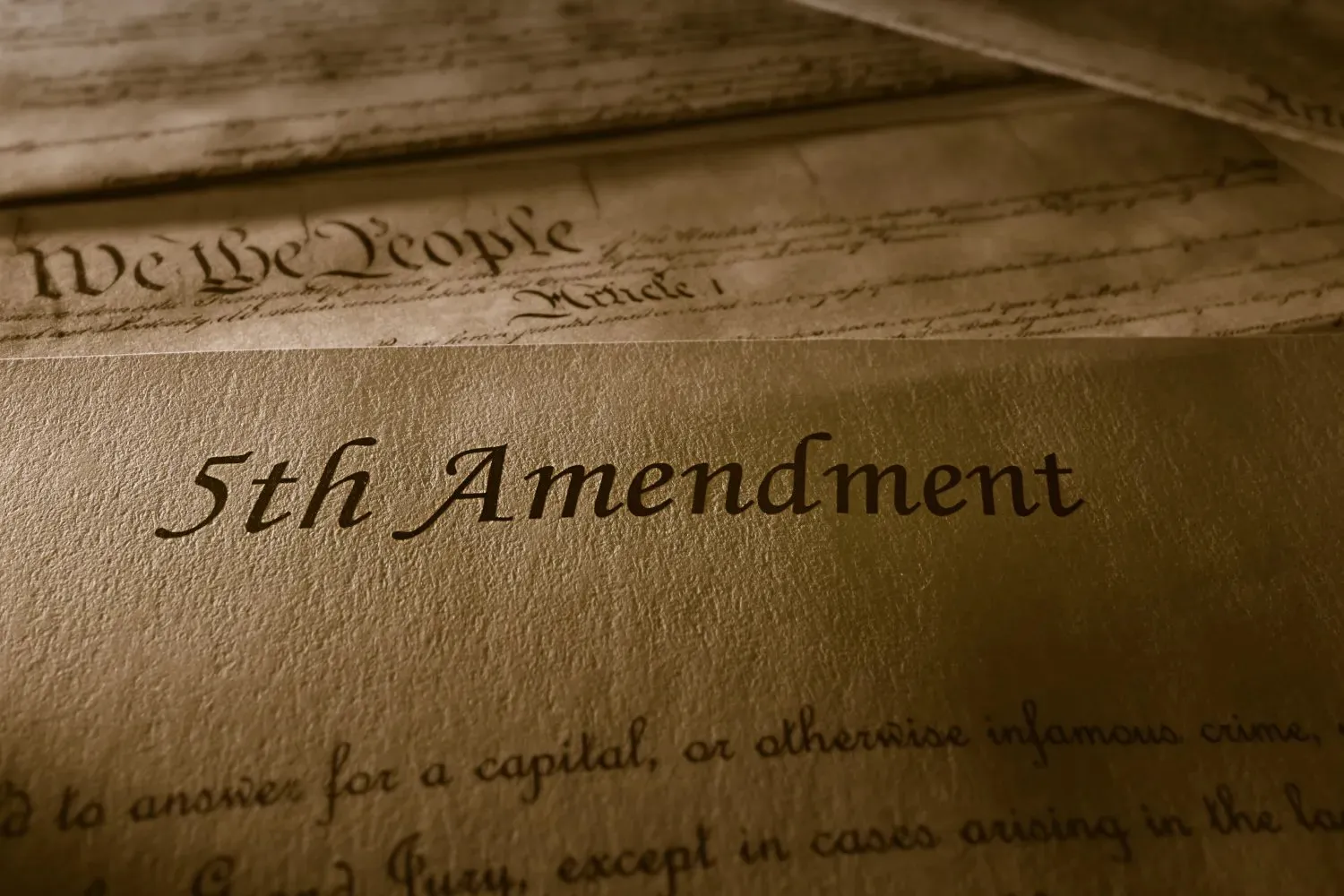
What Does Pleading the Fifth Mean? Self-Incrimination and Senate Testimony Explained
“Pleading the Fifth” is one of those phrases Americans use as shorthand for guilt, stonewalling, or scandal. Constitutionally, it means something narrower and more technical: a witness is invoking the Fifth Amendment’s privilege against compelled self-incrimination , the rule that the government...
Read more →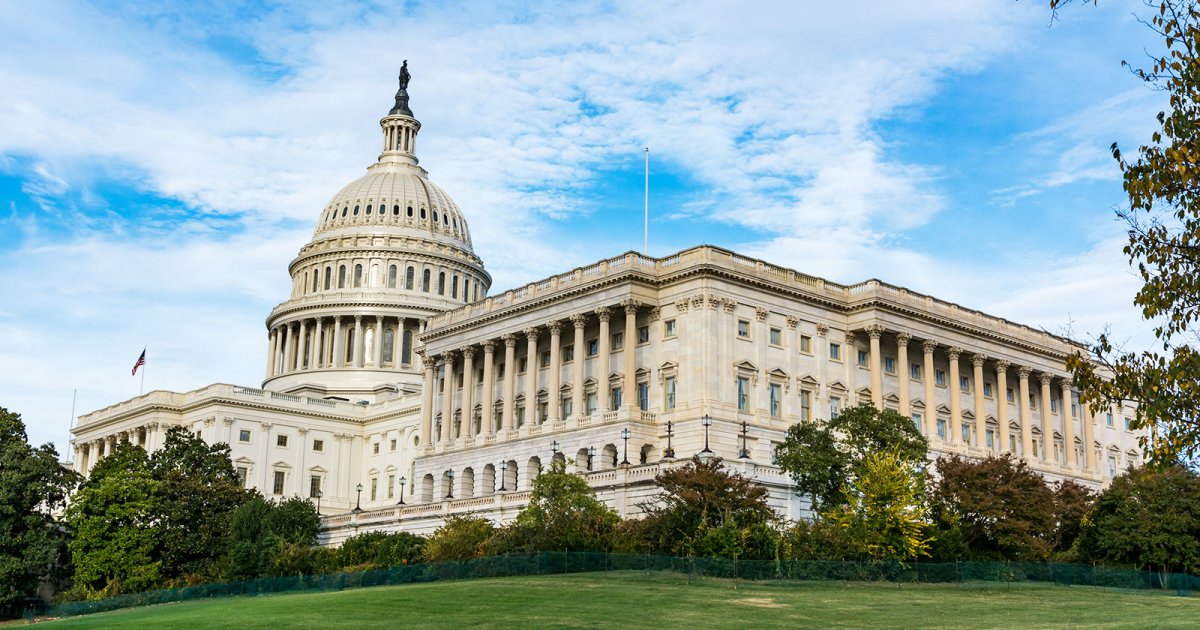
Can Congress End Daylight Saving Time?
Daylight Saving Time has a talent for returning to the headlines twice a year, like a civic groundhog. This week’s spark is a high-profile demand for the Senate to vote on a proposal branded as the “No More Changing the Clocks” act, framed as a push to end the disruption of moving clocks forward...
Read more →
When Commentators Contact Trial Witnesses: Utah Rules, Subpoenas, and the Owens-Robinson Firestorm
Sometimes a controversy goes viral because of one clean scandal. A single quote. A single clip. A single unmistakable line crossed. This one is messier, and that is exactly why it is sticking. Candace Owens is trending because two separate storylines collided on the same day: (1) she publicly...
Read more →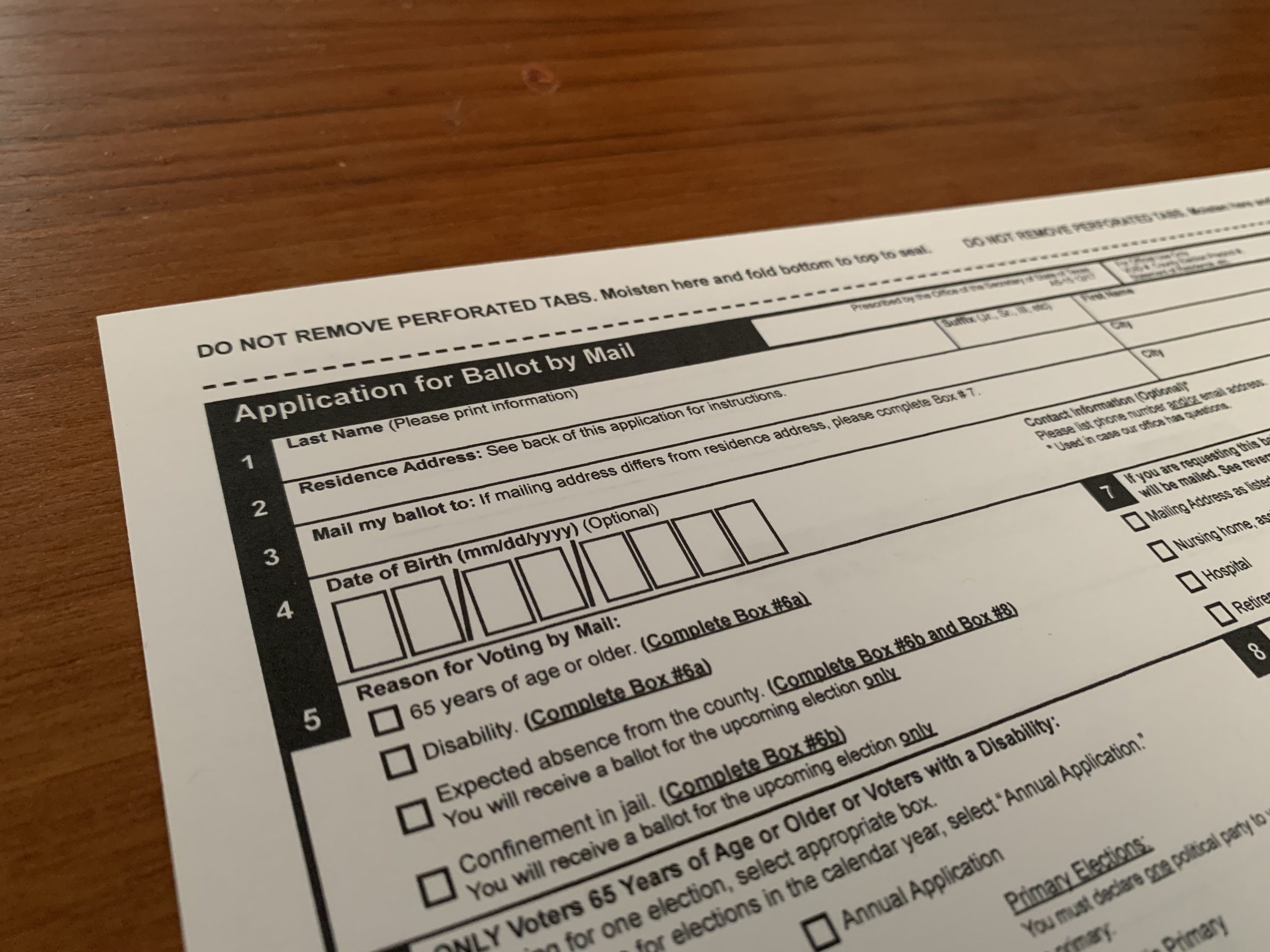
Texas Vote-by-Mail ID Rules and SB 1 Litigation
Texas has been litigating its post-2020 election rules for years, and the latest flashpoint is familiar: who sets the rules for voting, what counts as a permissible anti-fraud safeguard, and when federal courts can step in to stop a state from running its elections the way it chooses. Takeaway: In...
Read more →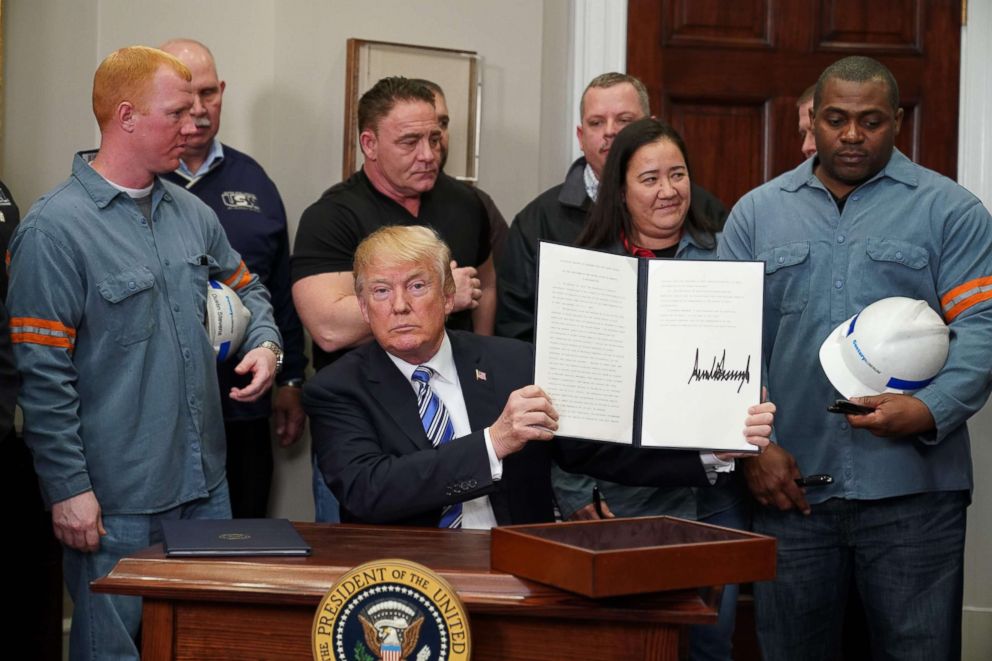
Tariffs, Section 232, and De Minimis
Tariffs feel like a blunt instrument. One day a product is cheap, the next day it is not. But the real story in the current tariff fights is not a single rate or a single sector. It is the way presidential power has grown into a system where the White House can tighten trade rules quickly, category...
Read more →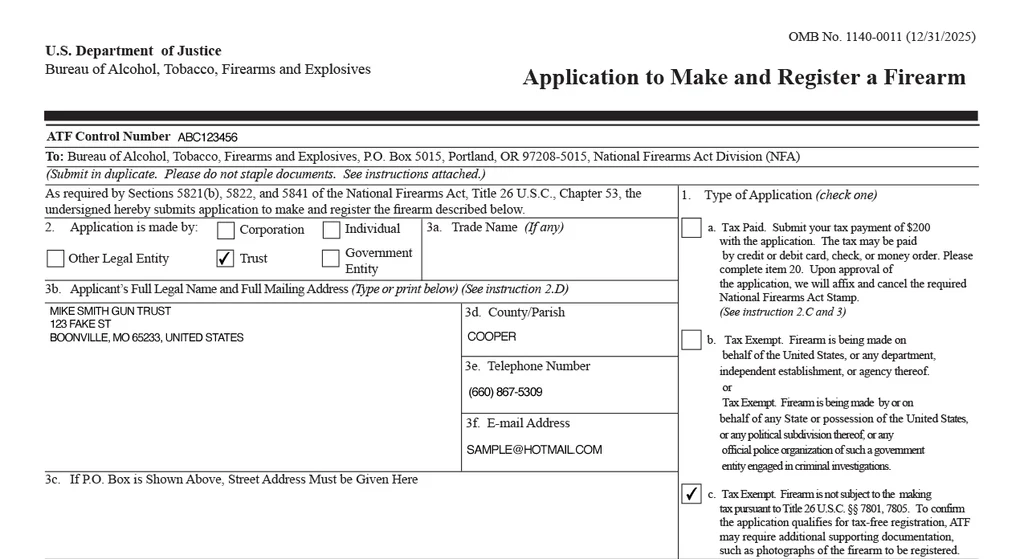
What Is the National Firearms Act? Suppressor Rules After the Latest Ruling
The National Firearms Act, or NFA, is one of those federal laws that reshaped how certain firearms and firearm devices are bought, transferred, and prosecuted through forms, approvals, and penalties. It does not categorically prohibit silencers for civilians nationwide. Instead, it creates a...
Read more →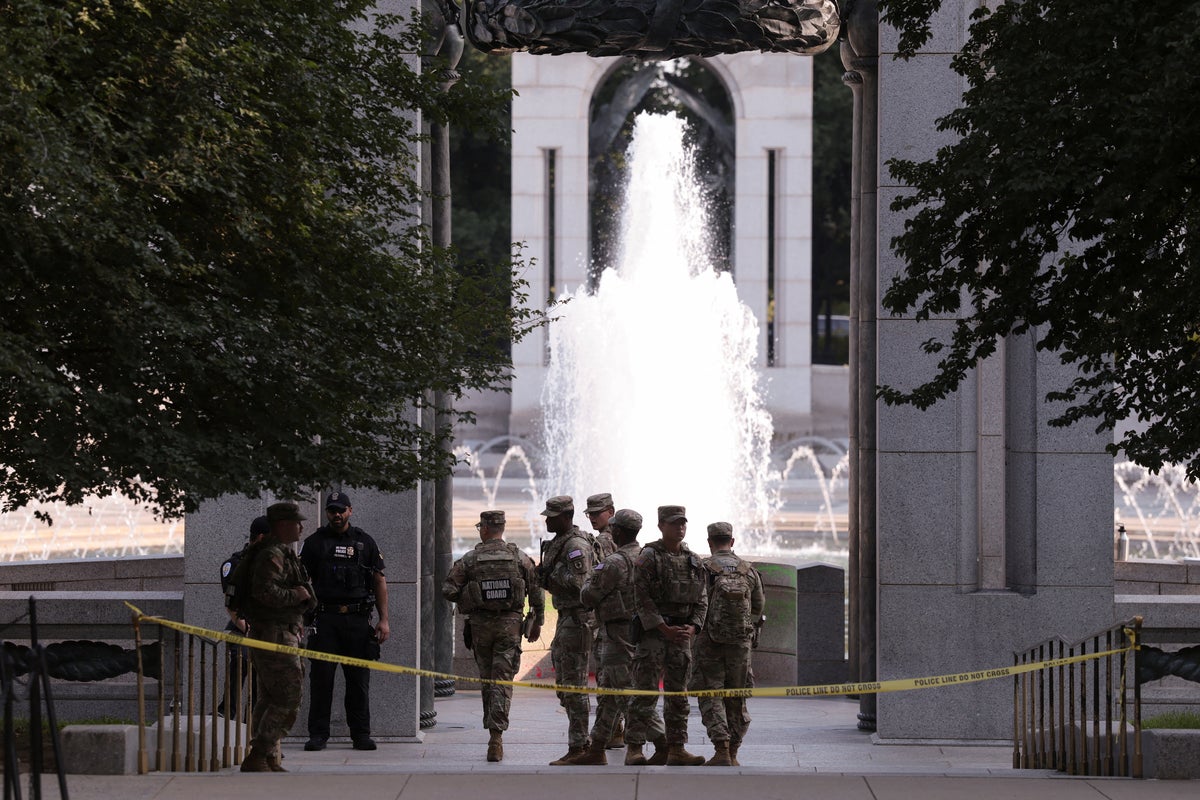
Is Vandalizing a National War Memorial a Federal Crime?
The Constitution does not have a “thou shalt not deface the World War II Memorial” clause. But it does give Congress something just as powerful: the ability to protect federal property. So when news breaks that a National Mall memorial has been spray-painted, the core legal question is not whether...
Read more →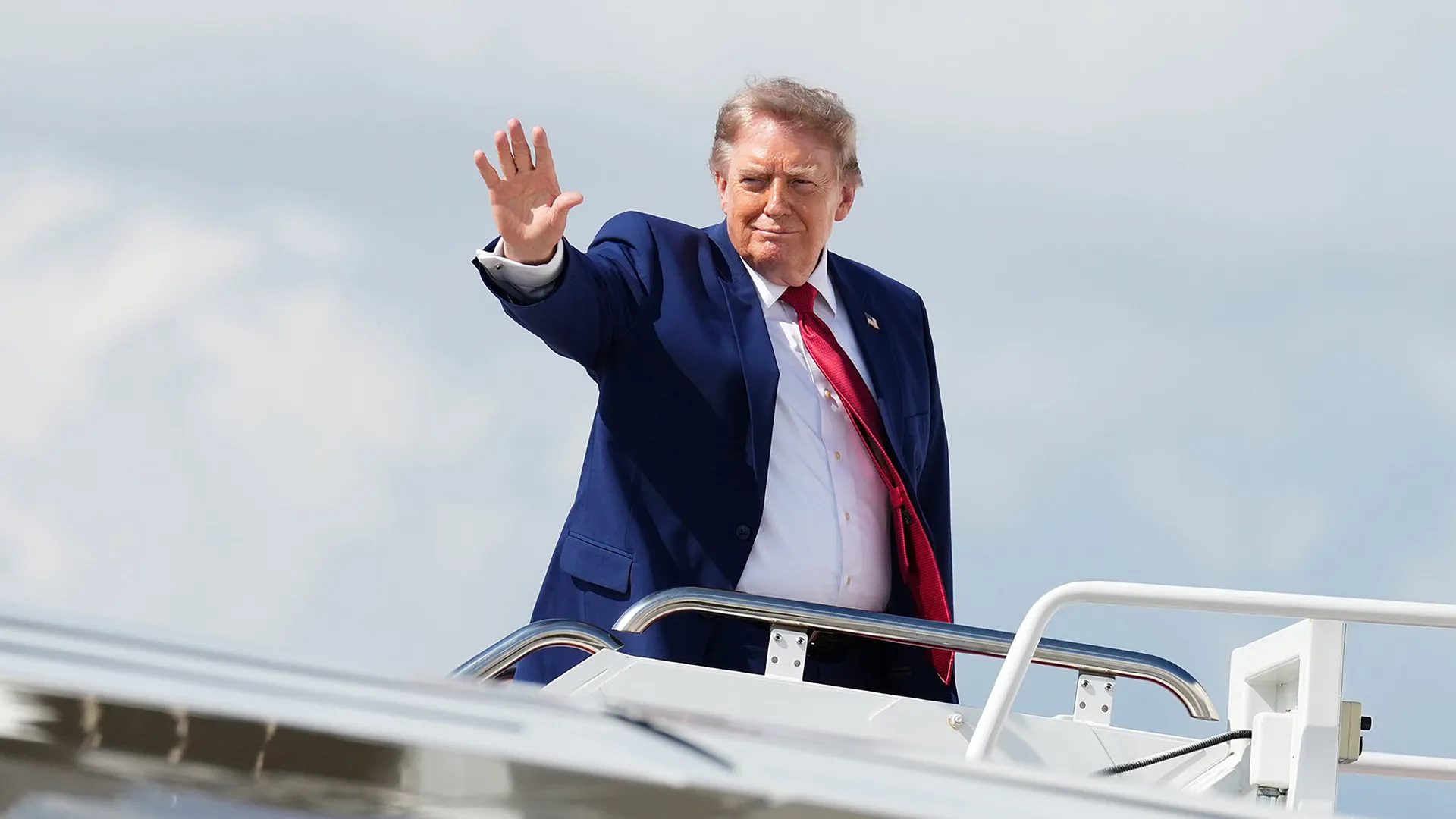
Can Trump Run Again in 2028? The 22nd Amendment and the Third-Term Wall
Presidential term limits are one of those constitutional rules most Americans feel in their bones even if they cannot quote the exact text. This week, President Donald Trump put that rule back on the front page himself. Speaking to reporters at Joint Base Andrews in Maryland on Tuesday night, Trump...
Read more →
How Eighth Circuit Judges Are Nominated
When a president announces a new nominee for a federal appeals court seat, it can sound like a personnel move in Washington. But constitutionally, it is one of the most direct ways a president and the Senate shape the meaning of federal law for decades. That is the backdrop to a report by Brooke...
Read more →
Minnesota Welfare Fraud Scandal: How Public-Benefit Fraud Is Investigated and Prosecuted
When a public-benefit fraud story re-enters the headlines, it often comes wrapped in campaign language: who knew what, who was “tainted,” who should answer for what. But the legal system does not run on slogans. It runs on jurisdiction, evidence, intent, and due process. This article explains what...
Read more →