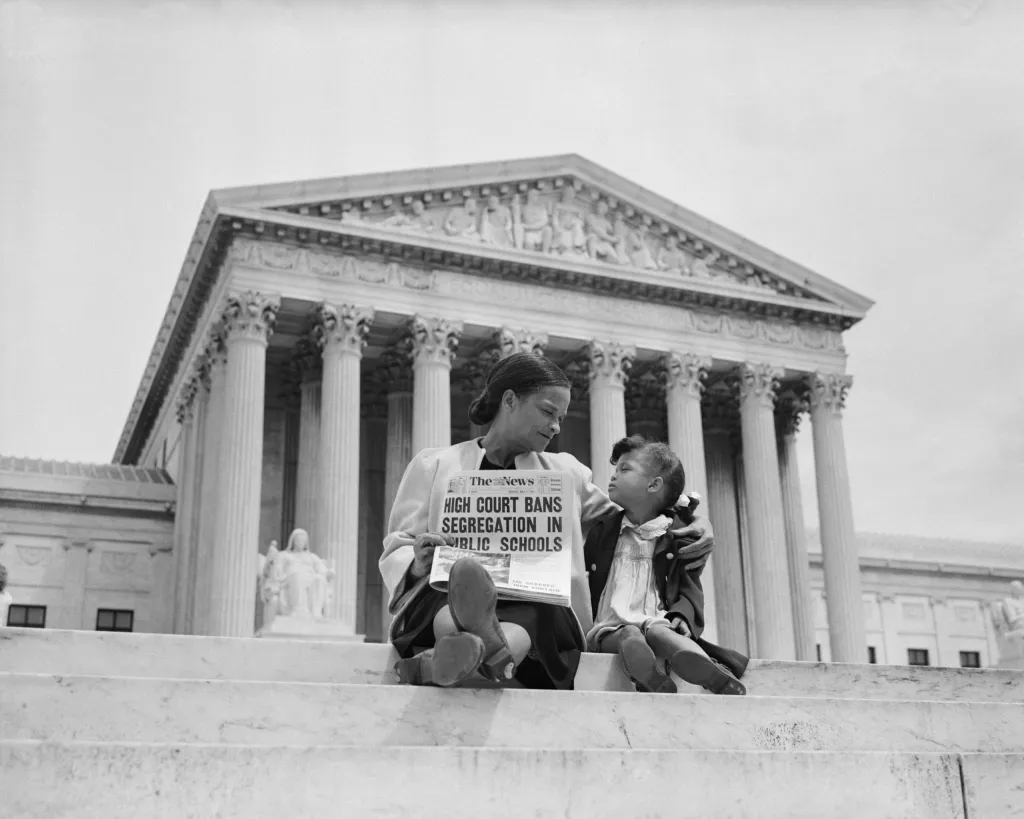
We treat Supreme Court decisions like tombstones. Chiseled in stone. Final. Settled.
But the Court’s worst moments do not stay buried. Even when a case is “overruled,” the reasoning that powered it can linger in the legal bloodstream, ready to reappear in a new body with a new name.
So when we rank the worst decisions of all time, we are not just writing a hall of shame. We are identifying recurring constitutional failure modes. Patterns of deference, denial, and doctrinal shortcuts that make certain injustices predictable.
Join the Discussion
Why these cases
This ranking grows out of a familiar question: which Supreme Court decisions caused the most destructive and far-reaching harm, not just in the moment, but across generations.
One useful way to measure “worst” is not “most unpopular today.” It is structural damage.
- Does the ruling shrink the circle of who counts as a full constitutional person?
- Does it authorize government power with no realistic limit?
- Does it entrench injustice by declaring courts essentially powerless to intervene?
- Does it poison doctrine for decades, even after the specific holding is repudiated?
The cases below score high on all four.
1) Plessy v. Ferguson (1896)
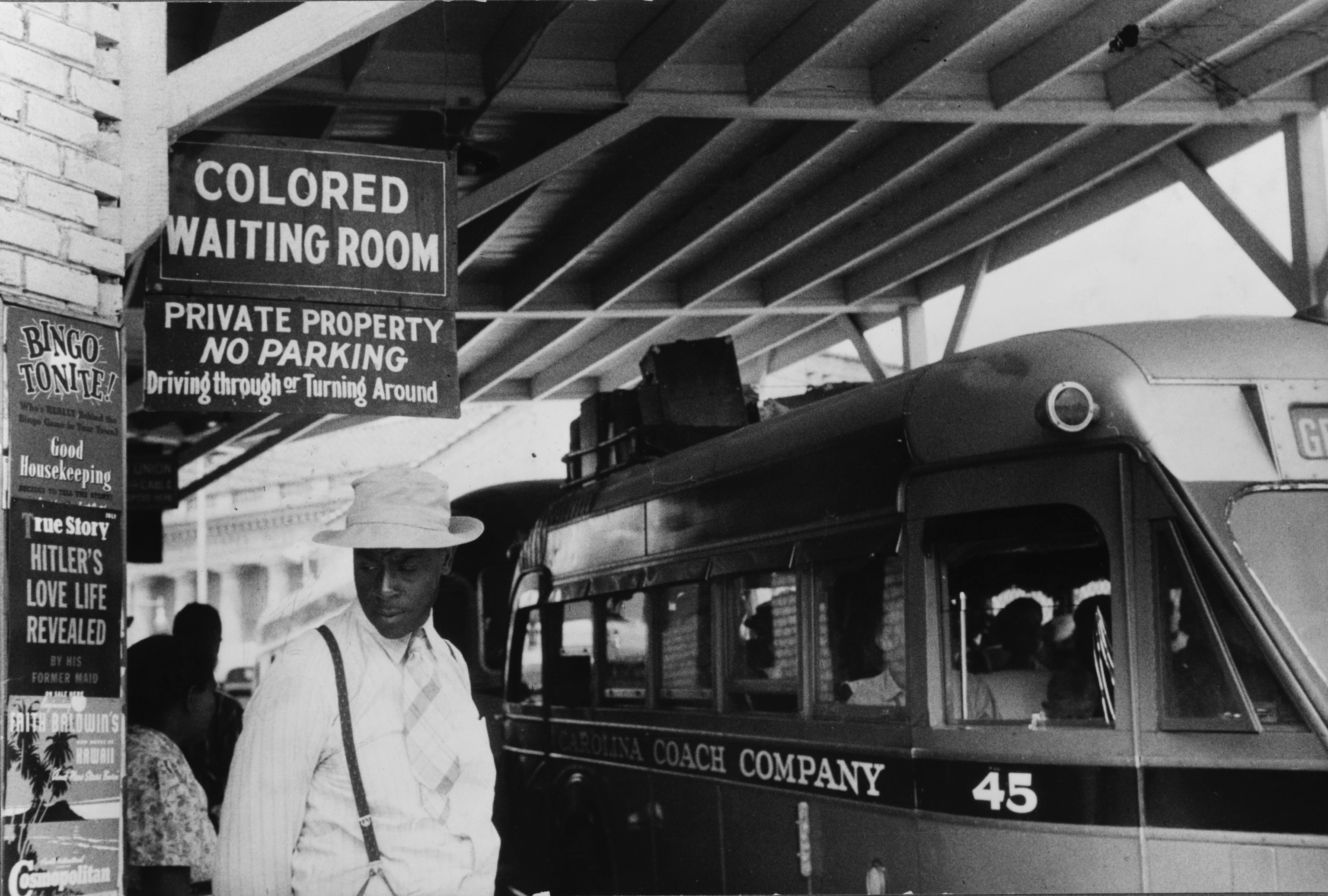
Plessy is infamous for blessing “separate but equal,” but the deeper constitutional injury is the Court’s willingness to treat a state-imposed caste rule as an ordinary exercise of legislative power.
The case upheld a Louisiana law that forbade railroad companies from selling first-class tickets to Black passengers. In other words, the state did not simply tolerate private discrimination. It mandated it.
The Supreme Court purported to justify this obvious violation of liberty on the grounds that “the competency of the state legislatures in the exercise of their police power” should not be subjected to meddlesome second-guessing by the judiciary. That posture of deference should sound familiar. It is the move that turns constitutional rights into something you get only when lawmakers feel like giving them to you.
Brown v. Board of Education (1954) reversed course. But Plessy survives as a warning about how easily courts can mistake legislative confidence for constitutional permission.
2) Dred Scott v. Sandford (1857)
If you want one decision that shows how constitutional interpretation can be wielded as a political weapon, Dred Scott is the exhibit.
The Court declared that Black Americans “are not included, and were not intended to be included, under the word ‘citizens’ in the Constitution.” That single move attempted to slam shut the courthouse doors for an entire class of people, not by arguing about a particular statute, but by redefining membership in the constitutional community itself.
Justice Benjamin Curtis’s dissent is a reminder that the Court did not merely get the law wrong. It ignored readily available history. Curtis noted that in multiple states, free Black men were citizens and, if they met other requirements, could vote at the time of the founding. In his words:
“At the time of the ratification of the Articles of Confederation, all free native-born inhabitants of the States of New Hampshire, Massachusetts, New York, New Jersey, and North Carolina, though descended from African slaves, were not only citizens of those States, but such of them as had the other necessary qualifications possessed the franchise of electors, on equal terms with other citizens.”
That means that when the U.S. Constitution came up for ratification in 1787–1788, a number of Black Americans were literally among “the people” who “ordained and established” the document by participating in its ratification as lawful electors in those states. Dred Scott ignored this clear evidence and trampled on the actual events of the founding.
Why it never really dies: the legal impulse behind Dred Scott is the same impulse that shows up whenever courts narrow who can claim constitutional protection. You can change the target group, the era, and the rhetoric. The tactic remains: treat some people as constitutional outsiders.
3) Korematsu v. United States (1944)
Some decisions fail because the Court misunderstands the Constitution. Others fail because the Court accepts an argument it should treat as radioactive: that an emergency requires broad judicial deference to the executive branch.
Korematsu upheld President Franklin D. Roosevelt’s wartime internment of innocent Japanese American citizens. Not individual detention based on proof of wrongdoing. Group-based confinement justified by fear and asserted necessity.
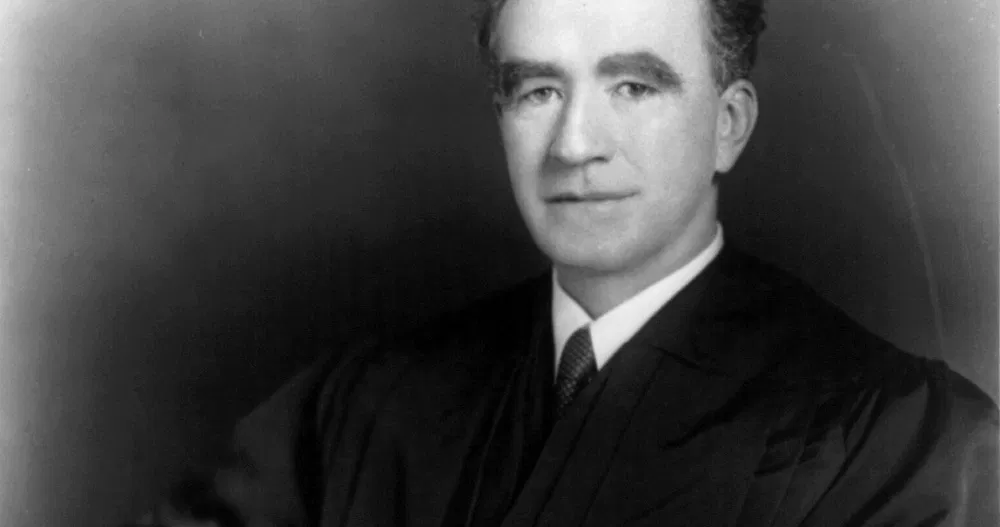
Justice Frank Murphy’s dissent did what dissents are supposed to do: it drew a line where the majority wanted haze. Murphy warned:
“It is essential that there be definite limits to military discretion, especially where martial law has not been declared. Individuals must not be left impoverished of their constitutional rights on a plea of military necessity that has neither substance nor support.”
Why it never really dies: because the logic of emergency is evergreen. In moments of panic, governments argue that normal constitutional rules are luxuries. Courts can turn that plea into doctrine by leaning on deference, and once deference becomes a reflex, it becomes a loophole.
4) The Slaughter-House Cases (1873)
Some of the Court’s worst work is not dramatic. It is technical. It happens when the Court takes a constitutional amendment written to protect people from state abuse and reads it like a polite suggestion.
That is the legacy often associated with The Slaughter-House Cases, which gutted the 14th Amendment’s Privileges or Immunities Clause.
The Fourteenth Amendment was designed to change the relationship between states and individual rights after the Civil War. When courts interpret it narrowly, they do not just decide one dispute. They shape the menu of rights that can be meaningfully enforced against state governments for generations.
Why it never really dies: because constitutional law loves path dependence. Once a clause is treated as a dead letter, lawyers stop building arguments around it, judges stop seeing it as a live tool, and the public forgets it exists. A judicial decision can function like a constitutional amendment without going through the amendment process.
5) Buck v. Bell (1927)
Buck v. Bell is a case that should make anyone skeptical of the Court’s ability to resist fashionable “science” when it is used to rationalize state power.
The Court upheld a state eugenics law that permitted the forced sterilization of the “feebleminded and socially inadequate.” Read that again. The state claimed the authority to permanently alter a person’s body, without consent, based on a government-approved judgment about worthiness.
Why it never really dies: because the deeper constitutional issue is bodily autonomy under state coercion. You can swap eugenics for other public-interest rationales, but the problem remains the same whenever courts treat certain people as objects to be managed rather than rights-bearers to be respected.
Why bad rulings linger
Overruling is not exorcism. A decision can be officially rejected while its instincts remain. Here are the main ways that happens.
1) Deference becomes doctrine
Korematsu is a monument to judicial deference in the name of emergency. When courts train themselves to step back whenever officials say “security” or “necessity,” they create a constitutional escape hatch that can swallow the rule.
2) Narrow readings shrink rights
Cases like Slaughter-House are the slow-motion version of constitutional harm. They reduce an amendment’s promise without the drama of a headline, and the country lives with the resulting disability for a century.
3) Equality becomes a formality
Plessy stands for the danger of courts accepting state-imposed separation as compatible with liberty and equal citizenship. Once that move is normalized, the details change, but the temptation remains: declare rights satisfied on paper and refuse to look at what the law is actually doing.
4) Some people become exceptions
Dred Scott and Buck share an ugly premise: some people are not full participants in the constitutional project. Sometimes the Court says that plainly. Other times it accomplishes the same result through procedural barriers, cramped definitions of personhood, or a refusal to enforce meaningful limits on state power.
Your picks
Lists can become a parlor game. But constitutional memory is not trivia. It is civic self-defense.
The Supreme Court is not immune to the pressures of its time. It can be swept along by war fever, racial ideology, pseudo-science, or a general impatience with the messiness of rights. And when it is, it does what courts do best: it turns those pressures into doctrine.
This ranking is one proposed list, not the last word. If you have your own candidates for the worst Supreme Court decisions of all time, share them with the editor or publication where you found this piece. If enough people weigh in, a follow-up discussion of the results can come next.