
Political parties are coalitions until they are not. At some point, a coalition stops being a loose agreement about goals and becomes a discipline system. Rewards flow to those who help the leader. Penalties land on those who do not.
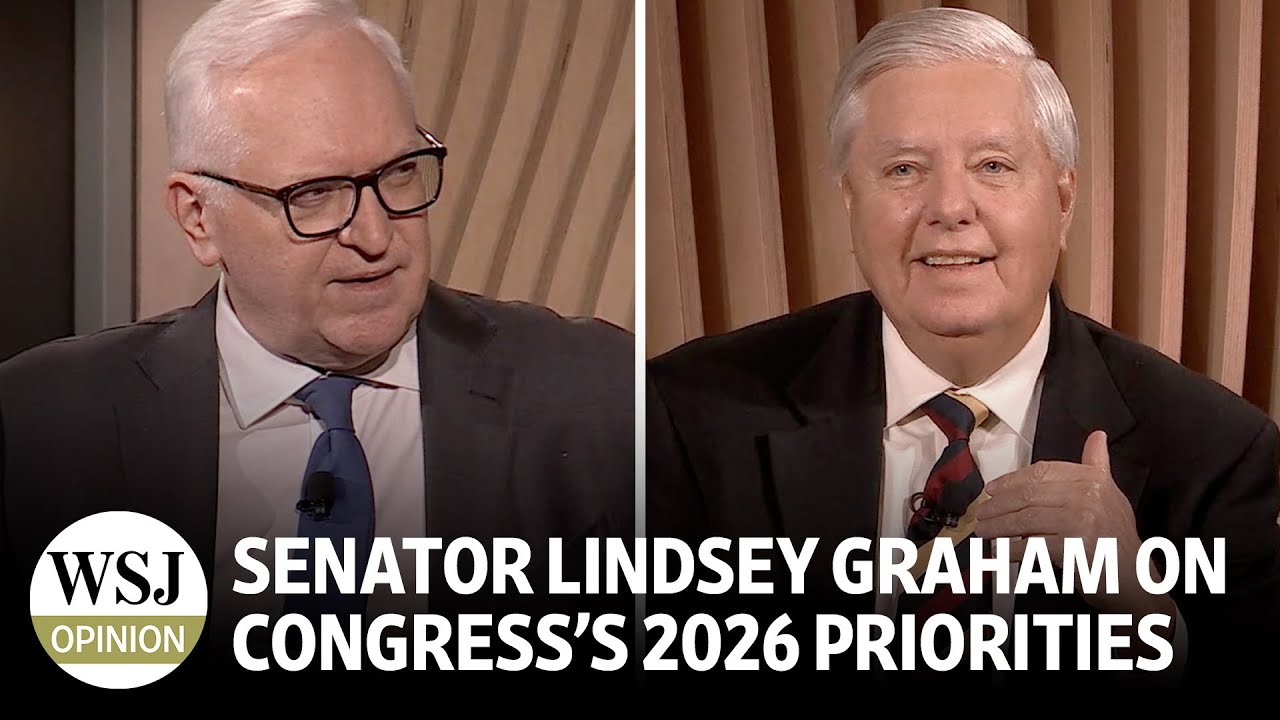
Sen. Lindsey Graham suggested the Republican Party is operating in exactly those terms right now. In a Sunday TV interview, Graham pointed to Sen. Bill Cassidy’s primary defeat and argued the modern GOP is not just irritated by public breaks with President Donald Trump. As Graham framed it, it is prepared to make them costly.
Join the Discussion
“No room” as a signal
Graham’s line was blunt: there is “no room” in the Republican Party for lawmakers who try to undermine Trump or block his agenda.
That statement is not about the Constitution’s rules for holding office. The Constitution sets eligibility requirements for federal lawmakers and the president. It does not guarantee anyone a spot on a party ballot, a safe primary, or a friendly electorate.
Parties are private associations that operate inside public election systems. They choose candidates. They enforce norms. And in a primary, they are often at their most unforgiving because primaries are where a party defines itself.
The Cassidy example
Graham presented Louisiana Sen. Bill Cassidy as his proof of concept. Cassidy has represented Louisiana in the Senate since 2015 and became one of seven Republican senators who voted to convict Trump in 2021 during Trump’s second impeachment trial.
That effort fell short of the Constitution’s supermajority threshold. The Senate did not reach the required two-thirds vote to convict, and Trump was acquitted.
Cassidy defended his vote at the time by arguing Trump’s actions surrounding Jan. 6 were unconstitutional and dangerous. The reaction in Louisiana’s Republican politics was swift. Cassidy was censured by the state Republican Party, and his impeachment vote remained a defining issue in his intraparty standing.
Graham later summarized the political math in personal terms, even while praising Cassidy’s Senate work: “I like Bill. I thought he was a great senator, but he made a political decision,” Graham said. “He voted to impeach President Trump, which would have ruined his political life. He could never run for office again.”
Primaries as punishment
When Graham says dissenters will “lose,” he is not describing a formal party expulsion process. He is describing what he sees as a primary electorate that treats certain actions as disqualifying.
In other words, the enforcement mechanism, as Graham tells it, is not a party committee. It is the voter, operating through the most constitutionally ordinary tool in American politics: the ballot.
That is why Graham framed Cassidy’s defeat as a warning to other Republicans who might be tempted to form ad hoc alliances that stall Trump priorities. “There’s no room in this party to destroy his agenda or to destroy him and his family as a Republican,” Graham said.
Massie and Democrats
Graham also singled out Rep. Thomas Massie as another potential example of intraparty consequences. His warning was not about Massie’s ideology in the abstract. It was about Massie’s repeated opposition to Trump-backed legislation and policy priorities.
Graham’s framing draws a line that is more cultural than procedural: disagreement may be tolerated, but not if it is perceived as enabling the other side to stop Trump’s agenda.
As Graham put it: “If you align with Democrats to stop his agenda like Massie does, you’re going to lose. If you align with Democrats to drive him out of office like Cassidy did, you’re going to lose.”
Judgment and survival
The Constitution gives members of Congress fixed terms, separate elections, and a structure designed to encourage independent judgment. Senators, in particular, were designed to be harder to whip into line, originally insulated by state legislative selection and later by six-year terms after the Seventeenth Amendment established direct election.
But the Constitution cannot force political courage. It can only create space for it.
Graham’s message, and his reading of Cassidy’s fate, is that this space can narrow quickly when a party’s primary politics become a practical test of loyalty. Lawmakers still have the formal power to vote their conscience, to break with a president, or to support impeachment. Graham is arguing that, inside today’s GOP, the political consequences are no longer theoretical.
“Those who try to destroy Trump politically, stand in the way of his agenda, are going to lose,” Graham said. “This is the party of Donald Trump.”
Endorsements matter
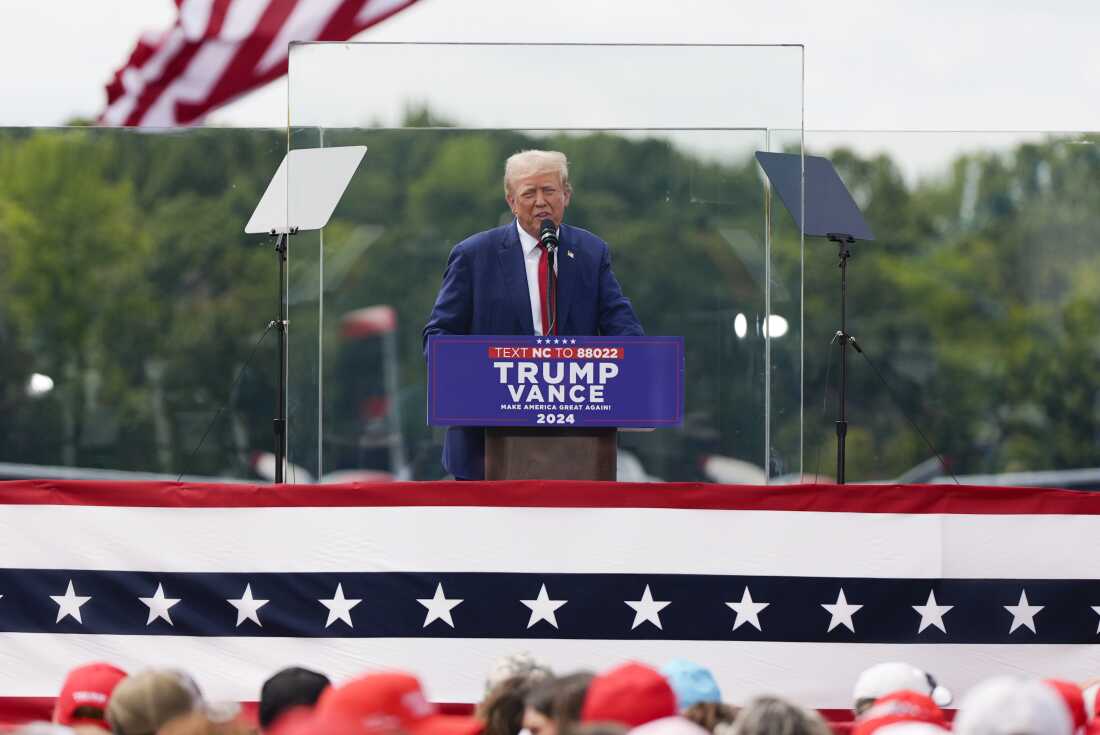
Graham did not pretend this is merely an emotional loyalty test. He described it as practical politics, including his own experience with Trump’s influence. “Thank you, President Trump, for endorsing me,” Graham said, adding that it helped him in his primary. “It’s just a reality, and it’s a good reality.”
As Graham framed it, endorsements function like a certification. They signal to primary voters who counts as an ally, and who counts as a risk.
The voter’s question
Graham’s argument invites a civic question larger than any one election: what does representation mean when a party’s internal elections reward members who protect a president and punish members who challenge him?
- For some voters, that is accountability: lawmakers should reflect the party base and the party leader they chose.
- For others, it is a warning sign: a Congress that fears primaries can become less willing to check executive power.
The Constitution does not settle that disagreement. It hands it to the public, again and again, election after election.
And that is the point worth lingering on. Graham is not talking about a rule in a founding document. He is talking about a rule being written in real time by party voters, at least as he sees it: cross Trump, and the primary will come for you.