
You hear it in breaking news like it is a magic phrase: a sealed indictment . It sounds like a locked box with a name on it, waiting for the moment prosecutors decide to open it.
That image is not far off. In federal court, an indictment is a formal set of criminal charges approved by a grand jury. Most of the time it becomes public when the case begins. Sometimes, though, the court keeps it under seal, meaning it is filed but not publicly visible. The public does not see the document, the docket entry may be limited, and the person charged may not know the charges exist until the government is ready to move.
This is not merely a loophole. It is a tool. And like any tool in criminal procedure, it sits at the intersection of secrecy, safety, and the Constitution’s promise of due process.
Join the Discussion
What an indictment is
An indictment is the grand jury’s statement that there is probable cause to believe a person committed a federal crime. It is not a conviction and it is not proof beyond a reasonable doubt. It is permission to prosecute.
In the federal system, the Fifth Amendment requires a grand jury indictment for most “infamous” crimes, which generally means felonies. (There are exceptions and workarounds in some contexts, like a defendant waiving indictment and proceeding by information.)
When an indictment is returned, it is filed with the court. If it is not sealed, it becomes part of the public record almost immediately.
What “sealed” means
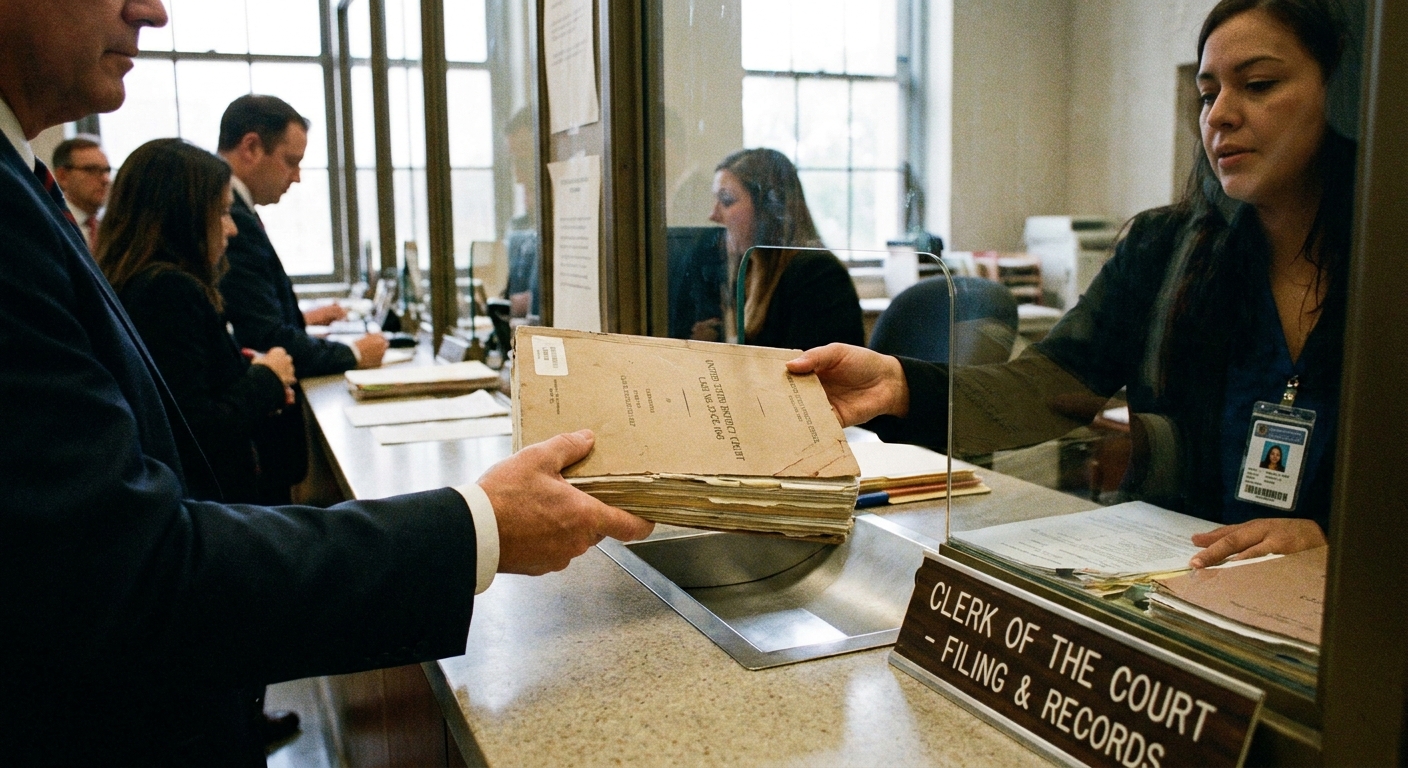
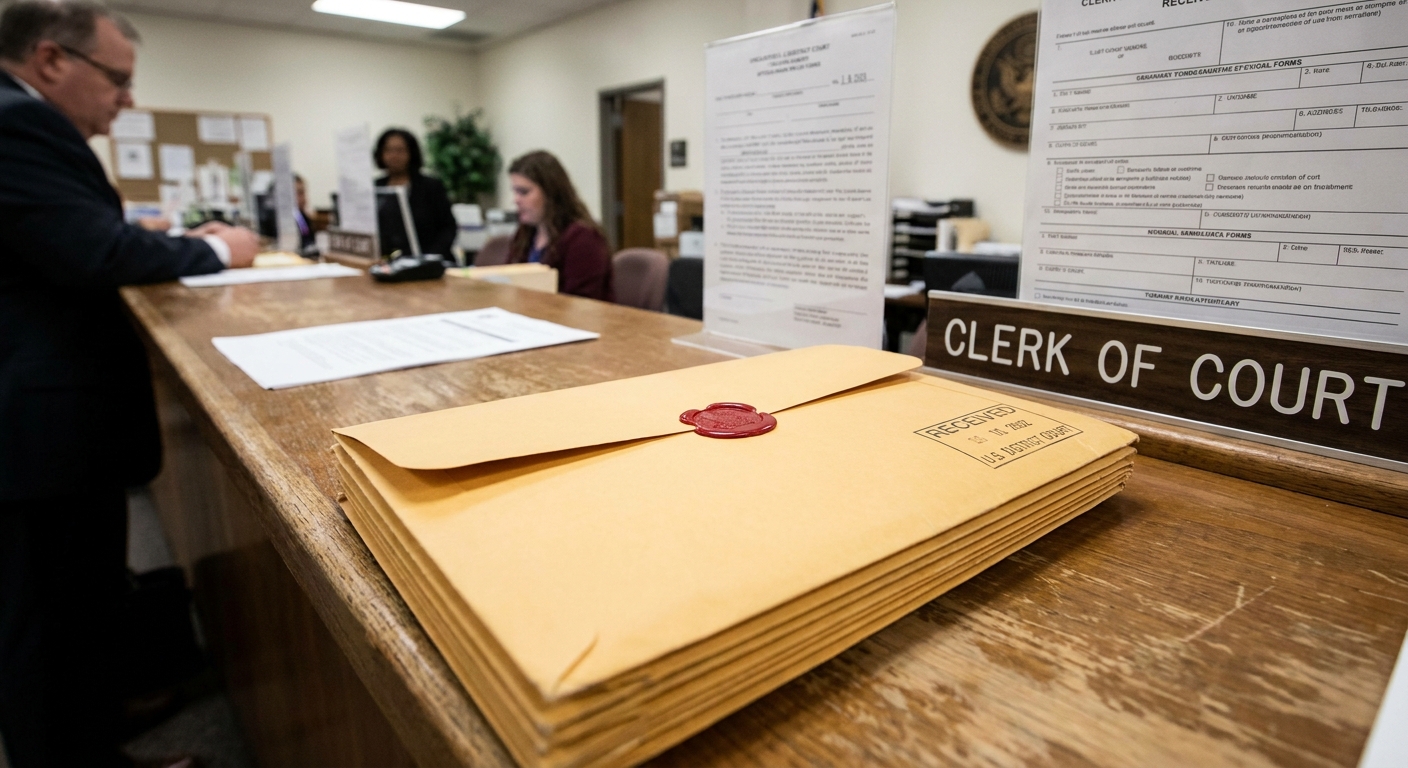
A sealed indictment is still a real indictment. The grand jury has voted. The charges exist. The prosecutor has filed the document with the clerk.
The difference is visibility. When an indictment is sealed, the court restricts access to the document and sometimes to related docket information. The public cannot read it. News organizations often cannot access it. In many cases, the person charged does not know about it yet.
Sealing is governed by a mix of federal rules, local court practices, and case law. The direct rule-based authority is Federal Rule of Criminal Procedure 6(e)(4), which allows the court to seal an indictment until the defendant is in custody or has been released pending trial. Sealing also happens through case-specific court orders and local procedures. Separately, Rule 49.1 covers redaction of sensitive identifiers in filings, which is about privacy protection, not the basic authority to seal an indictment.
Why keep it secret?
Federal judges do not seal indictments just to be dramatic. Courts typically approve sealing when the government shows a legitimate need, often for a limited window of time. Common reasons include:
- Preventing flight. If prosecutors believe a defendant will run once they learn charges are coming, sealing buys time to make an arrest.
- Protecting witnesses and informants. Some cases involve cooperating witnesses, undercover agents, or vulnerable victims. Premature exposure can trigger intimidation or retaliation.
- Preserving an ongoing investigation. Unsealing can tip off other targets, reveal investigative methods, or lead to destruction of evidence.
- Coordinating multiple arrests. In conspiracy cases, the government may want simultaneous arrests so one defendant does not warn the others.
- Operational security. Sometimes the “when” and “how” of an arrest matters, particularly when firearms, border crossings, or international travel are involved.
Notice what is missing: sealing is not supposed to be a way to avoid constitutional rights forever. It is usually about timing, not about hiding a case indefinitely.
Grand jury secrecy
The grand jury operates in secret by design. That secrecy predates the Constitution and has long been treated as a feature rather than a defect. The idea is to encourage witnesses to testify freely, to protect people who are investigated but not charged, and to reduce the risk that targets will interfere with the process.
Rule 6(e) codifies this tradition by limiting what prosecutors, grand jurors, and court personnel can disclose about “matters occurring before the grand jury.” That does not mean everything is permanently classified. It means that the pre-charge phase is insulated from public spectacle.
A sealed indictment extends that secrecy past the grand jury vote, usually for practical law-enforcement reasons.
How long it can stay sealed
There is no single nationwide timer that automatically unseals every case after a set number of days. Courts often seal an indictment until a triggering event happens, most commonly the defendant’s arrest, surrender, or initial appearance.
Sometimes, sealing lasts longer. For example, if a defendant is abroad, using aliases, or otherwise hard to locate, the indictment may remain sealed while the government tries to arrest them. In multi-defendant cases, some names may be unsealed while others remain sealed.
That said, sealing is not meant to be open-ended. Defendants have rights to a speedy trial once proceedings reach the stage that triggers those protections, and courts also recognize a strong public interest in open judicial records. Those principles create pressure to unseal once secrecy is no longer necessary.
Statute of limitations
Often, yes. Filing an indictment generally satisfies the statute of limitations, even if the indictment is sealed . That is one reason sealed indictments exist in the first place: prosecutors can meet a deadline while still protecting an arrest plan or a sensitive investigation.
But this is not a blank check. Courts can scrutinize long sealing periods, and some jurisdictions look closely at whether sealing served a legitimate prosecutorial purpose and whether the delay was reasonable. If the government uses sealing in a way that unfairly prejudices a defendant, that can become a litigated issue.
Also important: the statute of limitations is not the same thing as the Sixth Amendment right to a speedy trial. They are related in spirit but operate differently in doctrine and timing.
Speedy trial timing
Sealed indictments can feel like charges are “pending” for a long time in the shadows. But in federal practice, the most important clocks for moving a case typically start when the defendant is brought into the system in a concrete way.
Under the federal Speedy Trial Act, the countdown usually runs from the defendant’s arrest or first appearance (or service of a summons), not from the date a sealed indictment is returned. Separate constitutional doctrines can also address extreme or prejudicial delay, depending on the facts.
How unsealing happens
Unsealing is usually straightforward: the government moves to unseal, or the sealing order itself states that the indictment will be unsealed upon arrest or the defendant’s first appearance. The clerk then makes the document publicly accessible on the docket.
Typical triggers include:
- Arrest or surrender. Once the defendant is in custody or has appeared voluntarily, the flight risk rationale fades.
- Initial appearance in federal court. The case formally begins in front of a magistrate judge.
- End of a sensitive phase of the investigation. For example, after search warrants are executed or co-defendants are arrested.
- A court order after a challenge. Media organizations sometimes move to unseal, arguing the public’s right of access.
Unsealing can be complete or partial. Courts sometimes unseal the indictment while keeping certain affidavits, witness information, or cooperating-source details sealed or redacted. In multi-defendant cases, an unsealed docket can still have sealed pieces, including sealed defendants.
What happens at first appearance
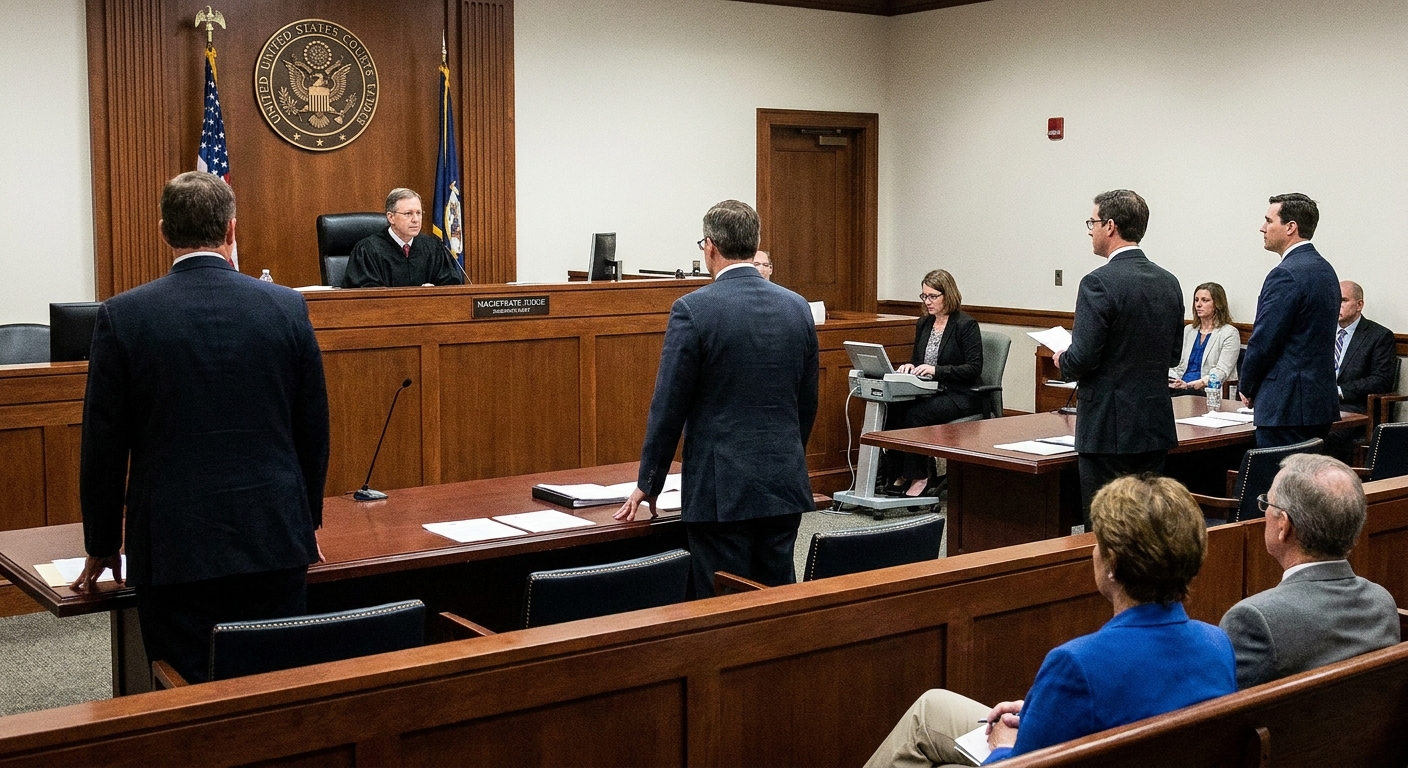
When a sealed indictment becomes an unsealed case, the public often sees the first burst of official information at the defendant’s initial appearance. This is not the trial. It is the process turning on.
1) The charges are read
The court ensures the defendant understands what they are accused of and confirms identity. If the indictment was sealed, this may be the first time the charges are described in open court.
2) Counsel is addressed
The judge confirms whether the defendant has an attorney or needs one appointed. The Sixth Amendment right to counsel is no longer theoretical once the prosecution is underway.
3) Detention and bail are considered
The government may ask the court to detain the defendant pending trial, especially if they argue flight risk or danger to the community. The defense may seek release with conditions. This is where the Bail Reform Act becomes central .
4) Next dates get set
The court will schedule an arraignment (if not done at the initial appearance), deadlines for motions, and a trial-management calendar. Because the case is already proceeding by indictment, there is ordinarily no preliminary hearing.
Why it hits the news at once
Sealed indictments create a particular kind of news whiplash: one day there is nothing, the next day there is an arrest, a docket, a charging document, and a press conference.
That is partly because unsealing tends to coincide with an operational milestone. Prosecutors want custody secured, witnesses protected, and evidence preserved before the case becomes a public event.
It also reflects a tension the system never fully resolves: criminal prosecutions are public acts carried out in the name of the United States, but investigations are often effective only when they are quiet.
Can sealing be challenged?
Sometimes. Defendants may argue that keeping an indictment sealed for too long unfairly harmed them, for example by impairing their ability to gather evidence or locate witnesses, or by creating an unconstitutional delay under due process principles.
Courts tend to look at:
- The government’s reason for sealing. Was it legitimate and case-specific?
- How long the indictment stayed sealed. Was the timeline reasonable under the circumstances?
- Whether the defendant was prejudiced. Can they show concrete harm, not just discomfort?
Challenges can also come from outside the parties. Media organizations and public-interest groups sometimes intervene to seek unsealing, arguing a First Amendment or common-law right of access to judicial records. Those fights are highly fact-dependent and can lead to partial unsealing or targeted redactions rather than full disclosure.
Do not confuse other sealed filings
In news coverage, “sealed” gets used as shorthand for many different court secrets. A sealed indictment is not the same thing as:
- A sealed complaint or a sealed arrest warrant, which sometimes appear early in an investigation before prosecutors seek an indictment.
- A sealed search warrant affidavit, which may stay sealed to protect investigative details even after a search happens.
- A sealed plea agreement supplement, sometimes used to protect a cooperator’s safety.
- A sealed docket, which is rarer and more controversial because it can hide the existence of a case itself.
When you see the phrase, it is worth asking: what exactly is sealed, and what is merely not yet filed?
What to look for
If you are trying to make sense of a newly unsealed federal indictment, here are the details that usually answer the biggest questions:
- The charging statutes. The U.S. Code sections tell you what the government must prove.
- The alleged timeframe and location. This can explain venue and investigative jurisdiction.
- Whether there are co-defendants. Conspiracy cases often involve staggered arrests and partial sealing.
- Whether the government seeks detention. That signals how prosecutors see risk.
- The next scheduled hearing. The calendar is often the best clue to how fast the case will move.
The constitutional bottom line
A sealed indictment is one of the system’s most counterintuitive moves: the government files charges, then keeps them secret.
But it is also a reminder of how federal criminal procedure is built. The grand jury is secret. Investigations are strategic. Courts balance transparency against safety and integrity. Then, once a defendant is in court, the case snaps into public view and constitutional rights take center stage.
Sealed indictments are not about hiding justice. They are about staging the moment when justice becomes public without compromising the ability to enforce the law.
Note: This article is for general education, not legal advice. If you have questions about a specific case, talk to a qualified attorney.