
Bill of Rights
Browse articles in Bill of Rights on U.S. Constitution
Good Faith Exception and Fruit of the Poisonous Tree
The exclusionary rule sounds simple: if the police break the Fourth Amendment, the evidence gets thrown out. As a baseline in criminal cases, that is often the idea. In practice, it is much messier. Courts have built in pressure-release valves. Some evidence stays in even if the search was...
Read more →Federal Proffers and Cooperation Agreements
Federal cooperation deals have a reputation: a quiet conference room, a stack of exhibits, and a person trying to talk their way out of the worst day of their life. What actually happens is less cinematic and more contractual. “Cooperating” in a federal case usually means the government wants...
Read more →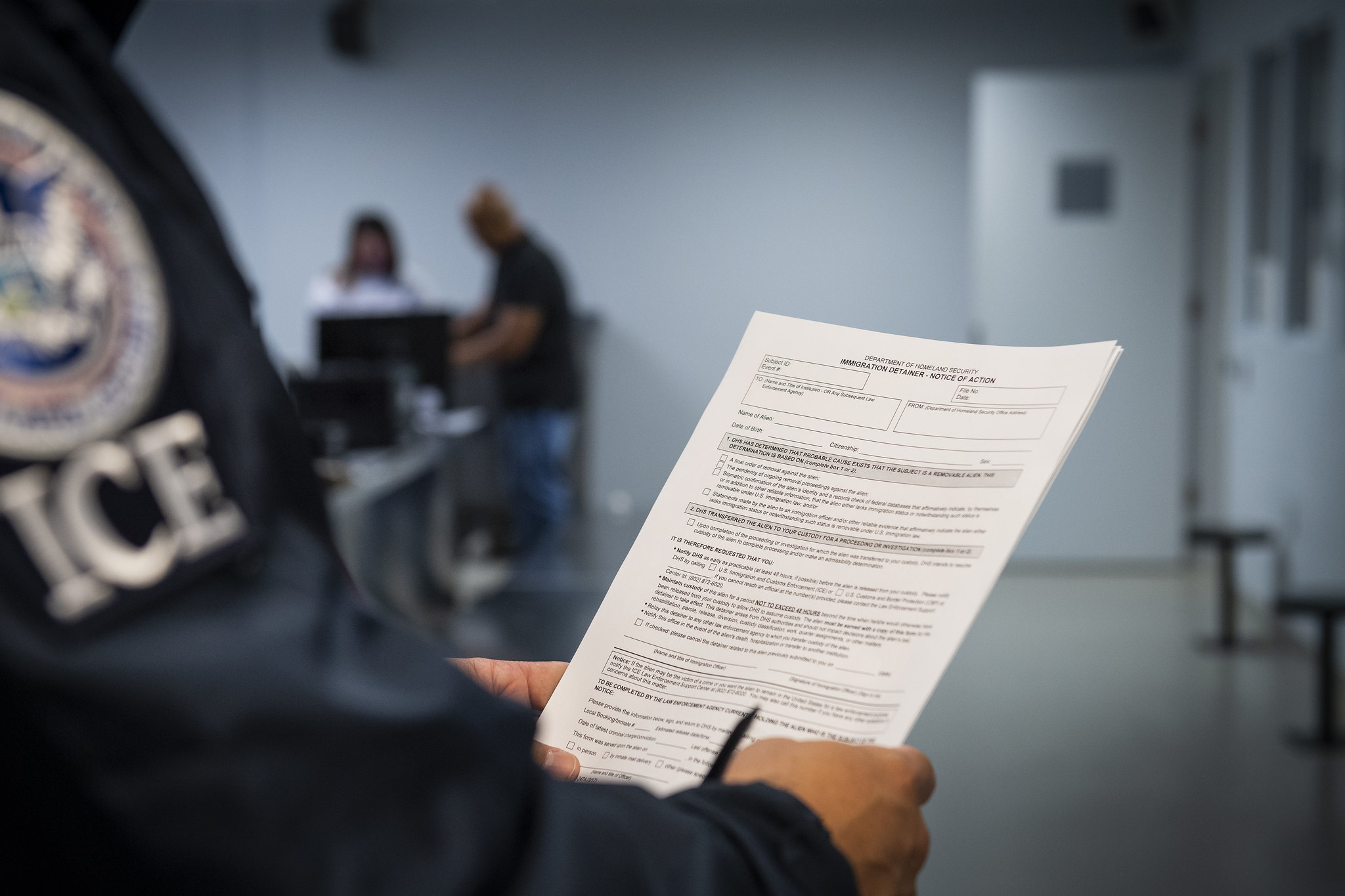
ICE Detainers and Immigration Holds Explained
In immigration debates, one phrase shows up again and again: ICE detainer . It sounds like a formal order. It often functions like a hold. But in most places, it begins as something much more modest in legal terms: a request . That gap between how a detainer feels on the ground and what it is on...
Read more →
Stop-and-Identify Laws by State
You can feel it in the first five seconds of a police interaction: the subtle shift from “conversation” to “compliance.” And the most common pressure point is a deceptively simple demand: “What’s your name?” or “Let me see your ID.” Whether you must answer depends on three moving parts that do not...
Read more →
Federal Witness Immunity: Use vs. Transactional
You can refuse to testify if your answer could incriminate you. That is the Fifth Amendment in its most familiar form. But in federal court, that refusal is not always the end of the story. A prosecutor can ask a judge to order you to testify anyway, as long as the government gives you a specific...
Read more →
Preventive Pretrial Detention
In American civics, we teach a clean sequence: you get arrested, you post bail, you go home, you come back for court. Then real life interrupts the lesson plan. Sometimes a judge does not set bail at any price, or orders someone held without bail. Whether a court has that authority depends on the...
Read more →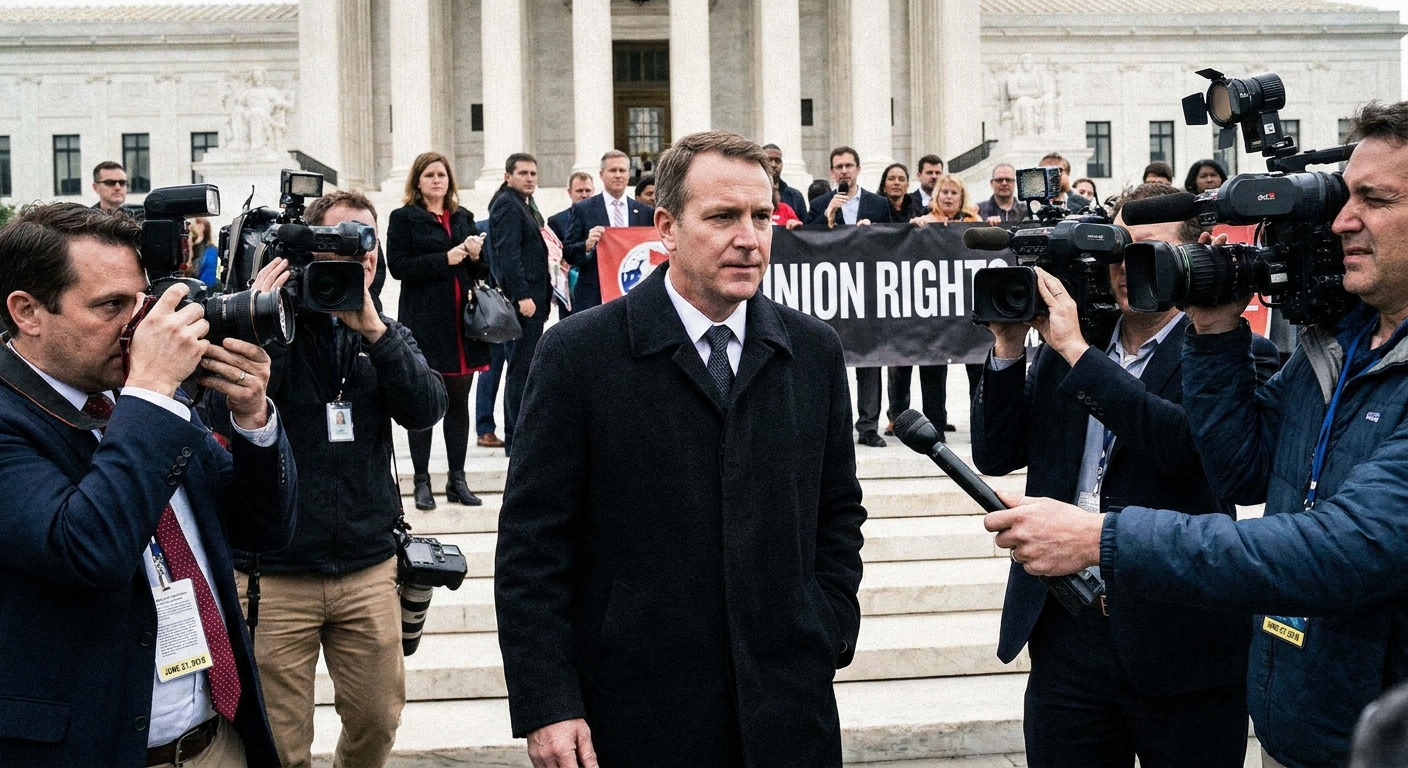
Janus v. AFSCME (2018): Agency Fees and the First Amendment
You can support a union without joining it. You can also reject it entirely. The hard constitutional question is whether the government can still require you to help pay for it. In Janus v. American Federation of State, County, and Municipal Employees (AFSCME) (2018), the Supreme Court answered...
Read more →
Tinker v. Des Moines (1969): Student Speech and the First Amendment
Public schools are where America teaches civic life in real time. We learn the Pledge. We learn elections. We learn what it means to disagree without tearing the place down. So when students use school as the stage for a political message, the question becomes painfully direct: is a school a...
Read more →
Motions to Suppress Evidence
In movies, the dramatic moment is the verdict. In real criminal cases, the most decisive moment can happen earlier, in a quieter room, in front of a judge who is not deciding guilt at all. That moment can be a motion to suppress , the legal request that certain evidence never reach the jury because...
Read more →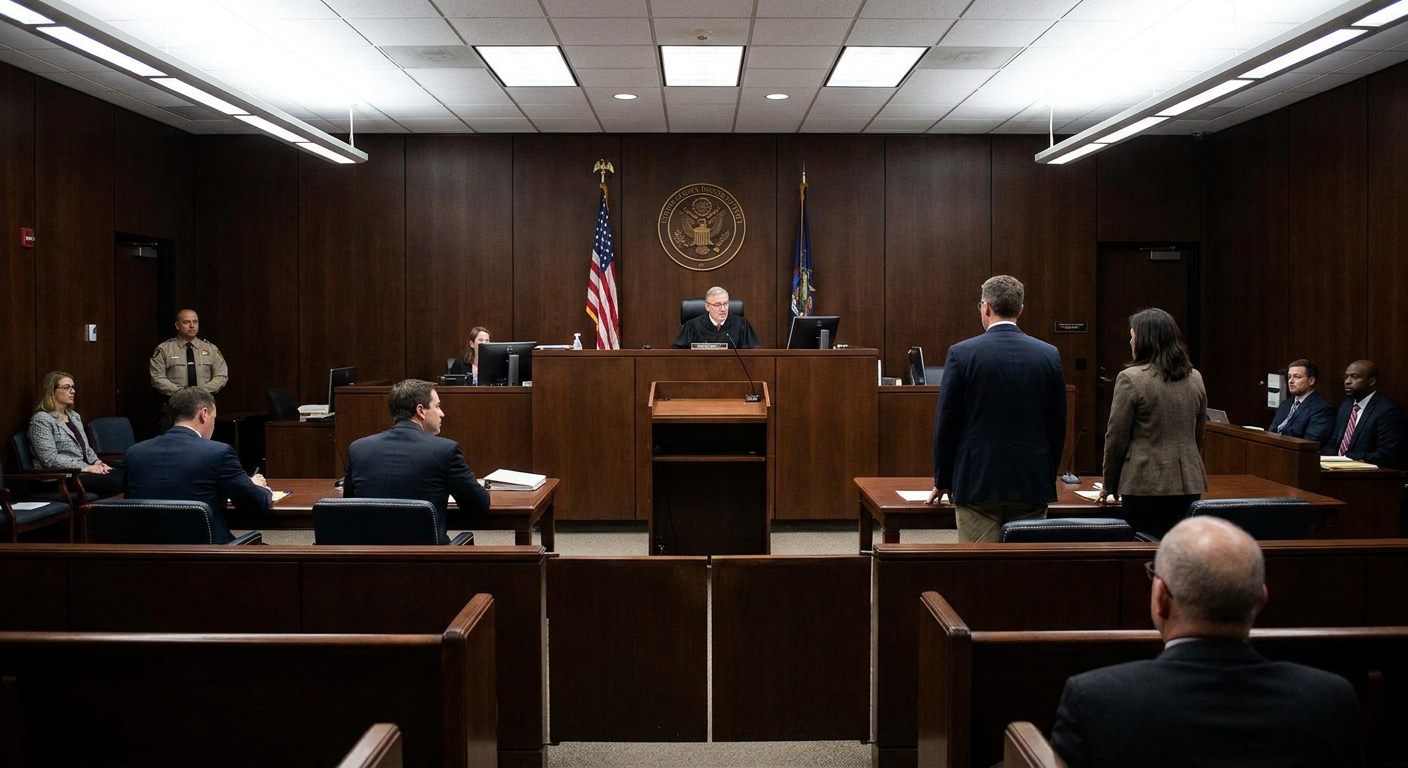
The Federal Public Defender System Explained
You can tell a lot about a justice system by what it does the moment the government accuses someone of a crime. In federal court, that moment often looks like this: a person stands before a judge for an initial appearance, the prosecutor outlines the charge, and the court turns to the defendant and...
Read more →
Public Forums and Time, Place, and Manner Rules
The First Amendment powerfully protects public speech. Everyone knows that. Except that in practice, the “in public” part does most of the work. A sidewalk is not a school hallway. A city park is not a courthouse lobby. A government-run comment page is not always a free-for-all bulletin board. And...
Read more →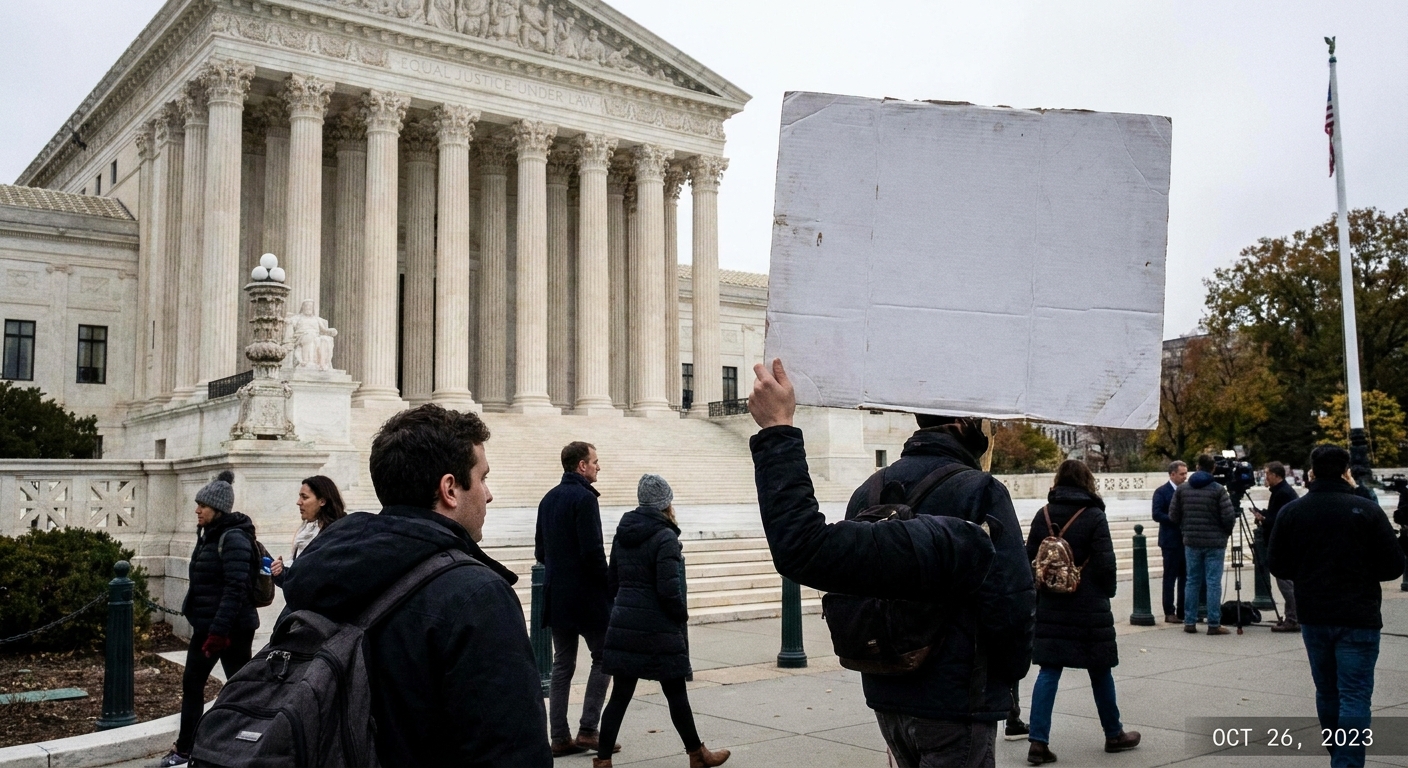
Vagueness, Overbreadth, and the First Amendment
Most First Amendment fights are framed as moral dramas. Hate speech versus tolerance. Disinformation versus truth. Protest versus order. But many cases turn on something far less cinematic and far more practical: the words in the law itself. Not what lawmakers meant . What they actually wrote ....
Read more →
Reasonable Expectation of Privacy and the Katz Test
You can read the Fourth Amendment ten times and never find the word “privacy.” What you will find is a promise about security: the people’s right to be secure against unreasonable searches and seizures. So how did “privacy” become the everyday shorthand for Fourth Amendment protection? Largely...
Read more →
The SEC Settlement Gag Rule and the First Amendment
When most people think about the First Amendment, they picture a public square, a protest sign, or a newspaper editorial. But some of the most consequential speech questions happen in quieter places, like the fine print of a settlement agreement. That is the heart of the dispute over the SEC’s...
Read more →
The Border Search Exception
You can memorize the Fourth Amendment in a minute. You can spend a lifetime learning the exceptions. The border search exception is one of the biggest. It is the doctrine that lets the government search people and property at the international border, and at its functional equivalents like...
Read more →
Bench Trial vs. Jury Trial
The Constitution promises a right that most Americans treat as automatic: a trial by jury. But in many criminal cases, the most consequential decision happens before any witness is sworn. Do you want twelve citizens to decide whether the government proved its case beyond a reasonable doubt, or do...
Read more →
Reasonable Suspicion vs. Probable Cause
You can feel the difference between these two standards in real life, even if you have never said their names out loud. Reasonable suspicion is the legal threshold for an officer to briefly stop you and investigate. Probable cause is the higher threshold that usually justifies an arrest or a full...
Read more →
The Death Penalty and the Constitution
The Constitution both assumes the possibility of capital punishment and tightly polices how it is used. That tension is the story of modern death penalty law. The Fifth Amendment contemplates “capital” crimes and warns that no person shall be deprived of “life” without due process. But the Eighth...
Read more →
Gideon v. Wainwright: The Right to a Lawyer
You can read the Sixth Amendment in under a minute. Its promise takes longer to absorb: “In all criminal prosecutions, the accused shall enjoy the right … to have the Assistance of Counsel for his defence.” For much of American history, that sentence did not mean what modern audiences assume it...
Read more →
Terry Stops and Frisks
You can feel it in the phrasing: Just a few questions . Step over here . Mind if I pat you down? Many Fourth Amendment conflicts do not begin with a battering ram and a warrant. They begin with a pause on a sidewalk or shoulder of a road, where an officer suspects something is off but does not yet...
Read more →