
Articles by Eleanor Stratton
Browse articles in Articles by Eleanor Stratton on U.S. Constitution
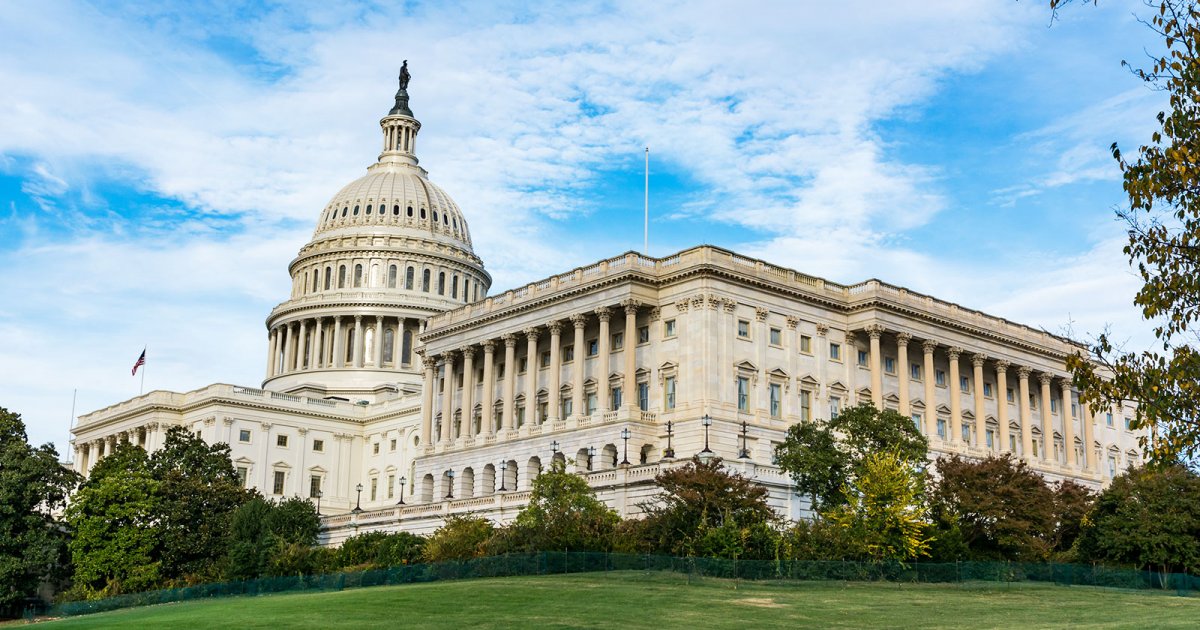
Why Senate Crypto Bills Are Turning Into an Ethics Fight
Crypto regulation is one of those issues that sounds technical until it collides with something everyone understands instantly: self-dealing. That is why the Senate’s recurring debate over major crypto “market structure” bills is not only a fight about how to classify digital assets or which agency...
Read more →
Who Controls the Smithsonian? What a President Can and Cannot Do About Museum Exhibits
You can feel the constitutional confusion in the question itself: Who controls the Smithsonian? It looks federal. It sits on the National Mall. It receives federal money. It holds some of the most symbolically charged artifacts in the country. So when a president (or any prominent political figure)...
Read more →
Can a Judge Help Someone Avoid ICE? What the Massachusetts Reprimand Means
A Massachusetts judge has been publicly reprimanded after allegations that a defendant avoided federal immigration agents connected to her courtroom. The headline version is easy: a state judge, ICE, a missing defendant, and a disciplinary order. The constitutional version is harder, and more...
Read more →
Why Detention Cases Invoke Japanese Internment
When a federal court invokes the World War II internment of Japanese Americans in a modern detention dispute, it is not reaching for a dramatic metaphor. It is reaching for a constitutional warning label. The internment era represents a familiar pattern in American law: sweeping confinement...
Read more →
Can a Law School Favor Some Applicants Over Others? The Admissions Fight Explained
A recent federal inquiry involving the University of California, Berkeley School of Law (Berkeley Law) is being framed as a simple question: did the school favor Black applicants over White and Asian applicants? Public reporting and official statements around an inquiry like this can be thin at the...
Read more →
What Is the $5,000 Dividend Proposal and Can It Actually Happen?
The idea is getting repeated like it is a button a president can press: collect money at the border, then send every taxpayer a $5,000 “dividend.” It sounds like a rebate. It is framed like a reward. And it is being argued over like it is either obvious populism or obvious heresy. But the...
Read more →
Can Corrupt Politician Money Do Good?
You can tell yourself a lot of comforting things about corruption if you choose the right ending. It is amazing what the brain will forgive when the last scene is a child going home from the hospital. I met Senator Grant Halstead (Real Name Excluded) in a place that was not on his official...
Read more →
Fetterman’s RNC Steel Moment
John Fetterman’s now-viral convention cameo landed like a tossed wrench in the neat machinery of party politics. A Democratic senator in a Republican convention context, praising a Republican former president and a Republican senator, all while speaking the language of industrial protection and...
Read more →
I Took My Son to His Final Football Game
Our son’s last wish was as plain as it was impossible to refuse: one real football game, with Mom and Dad. We planned it like you plan anything when your child is sick. Carefully. Quietly. With backups for every backup. We believed the day would be about Ethan from the first step through the gates...
Read more →
Broadcast Political Ad Rates, Explained
When a campaign says it is being “priced out” of television, that is not just a fundraising complaint. It is a regulatory question with constitutional stakes, because the federal government has long treated broadcast airwaves as a scarce public resource and built rules around who gets access, when,...
Read more →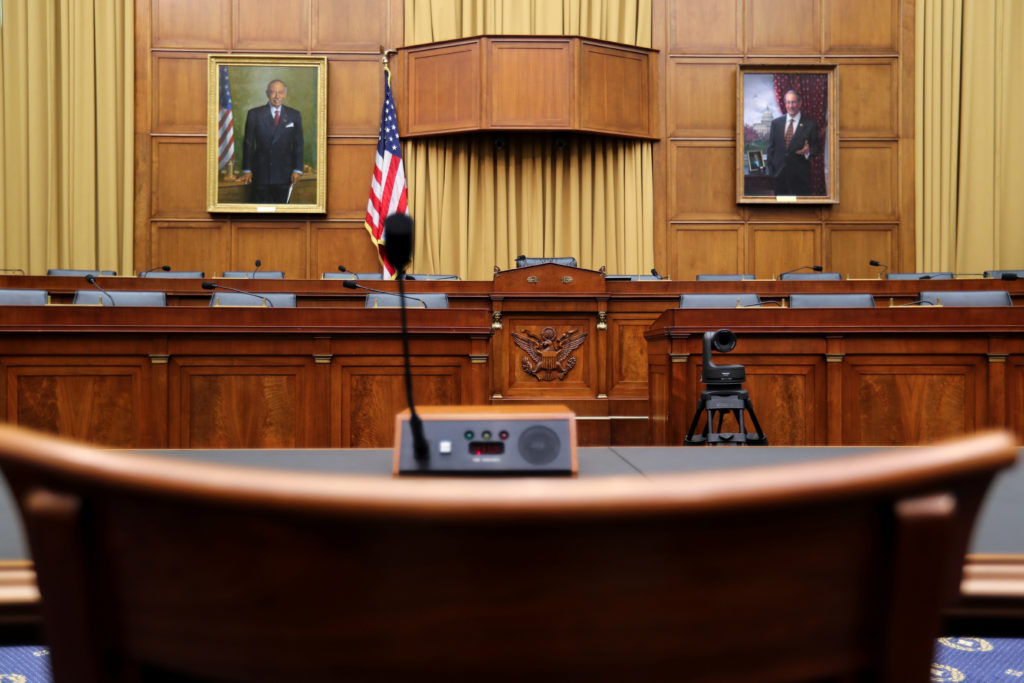
Inside the House Probe Into Foreign ‘Trojan Horses’
When lawmakers warn about foreign “Trojan horses,” they are usually not claiming a literal spy thriller plot. They are describing a familiar national-security fear: a domestic-looking organization, advocacy network, donor, vendor, or data infrastructure project that might, in practice, advance a...
Read more →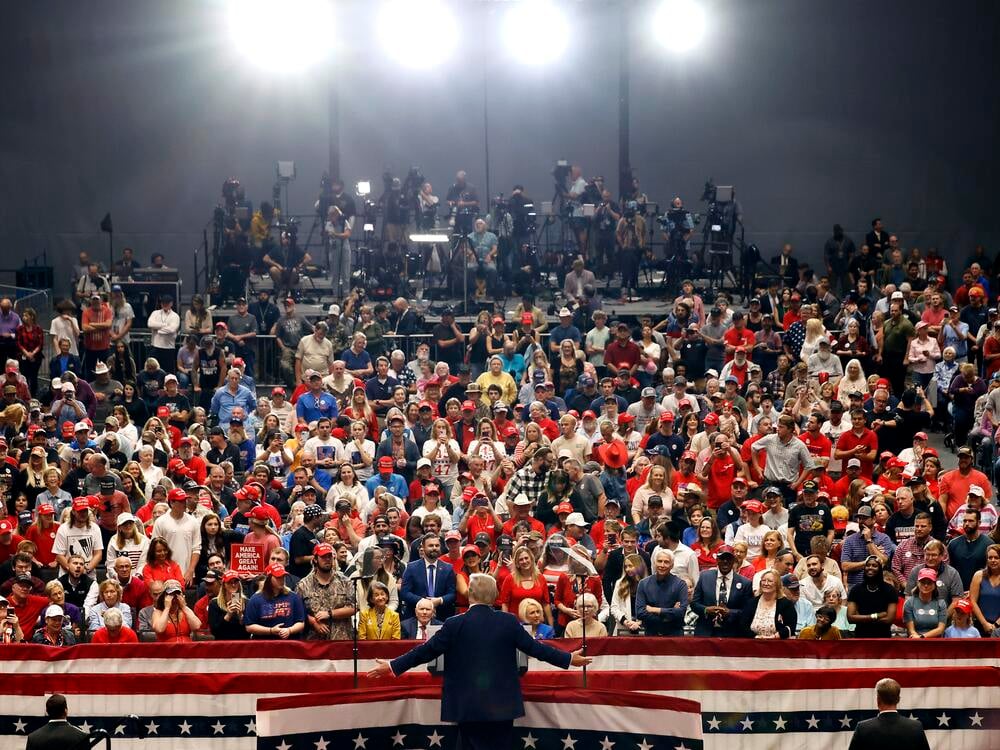
Trump’s $5,000 Check Proposal: What It Is and What Congress Can Do
A promise to send Americans a $5,000 check lands with the force of a headline because it feels like something a president can simply order. In this case, the idea has been promoted publicly as part of Donald Trump’s pitch for a $5,000 “dividend” payment. But the Constitution treats federal money...
Read more →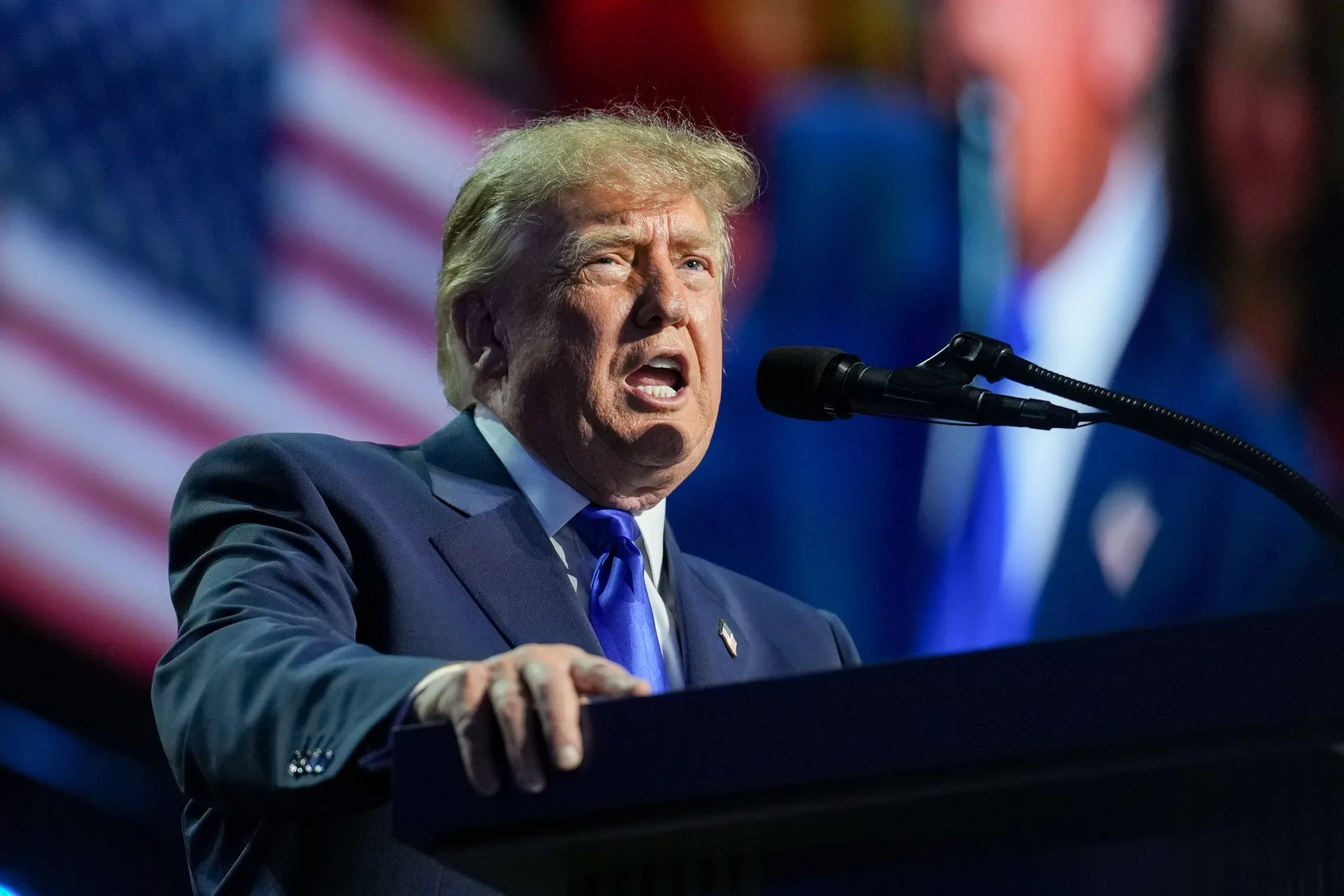
Trump’s $5,000 “Dividend” Promise, Explained
$5,000. Every adult citizen. A “dividend” for the country’s economic success. That is the promise President Donald Trump delivered Wednesday at the Republican midterm convention in Dallas, tying the payout explicitly to one political condition: Republicans must hold the House and the Senate after...
Read more →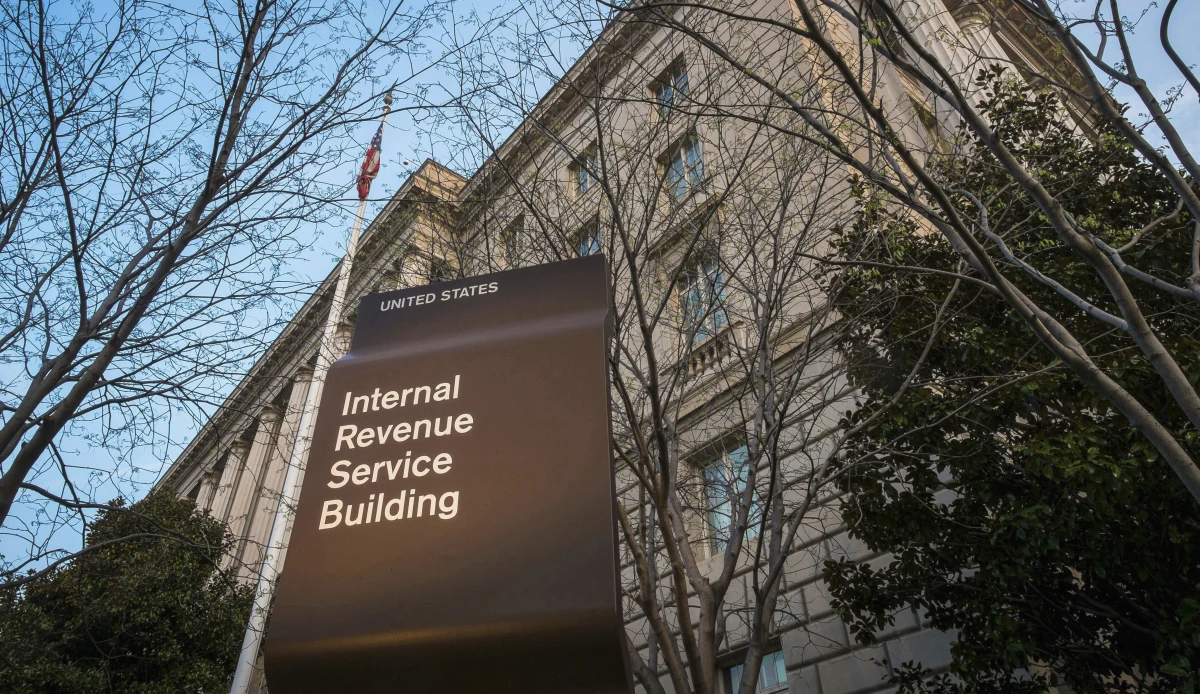
Can the IRS Share Your Tax Data With ICE? What the Law Really Says
You can feel the tension in this question because it sits at the intersection of two powerful government functions: collecting taxes and enforcing immigration law. And it triggers a very American instinct: if the government already has my information, can it hand it to someone else? The crucial...
Read more →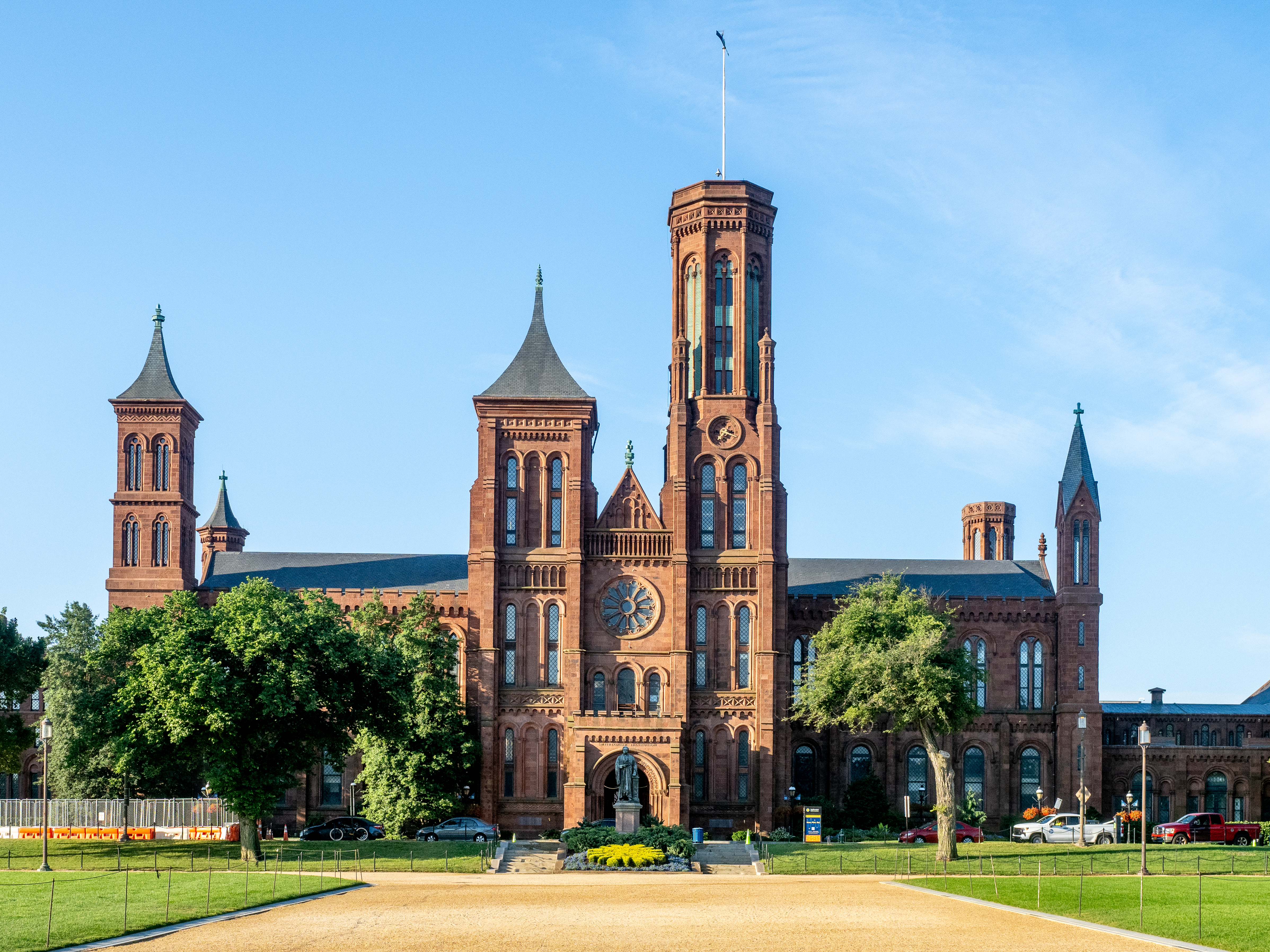
Who Controls the Smithsonian? What Roberts’ Praise Means Amid Political Pressure
The Smithsonian feels like a federal agency because many of its museums sit on federal land, it flies the American flag, and it functions as the nation’s attic and conscience all at once. But structurally, it is something stranger: a federally chartered institution with a governance model that...
Read more →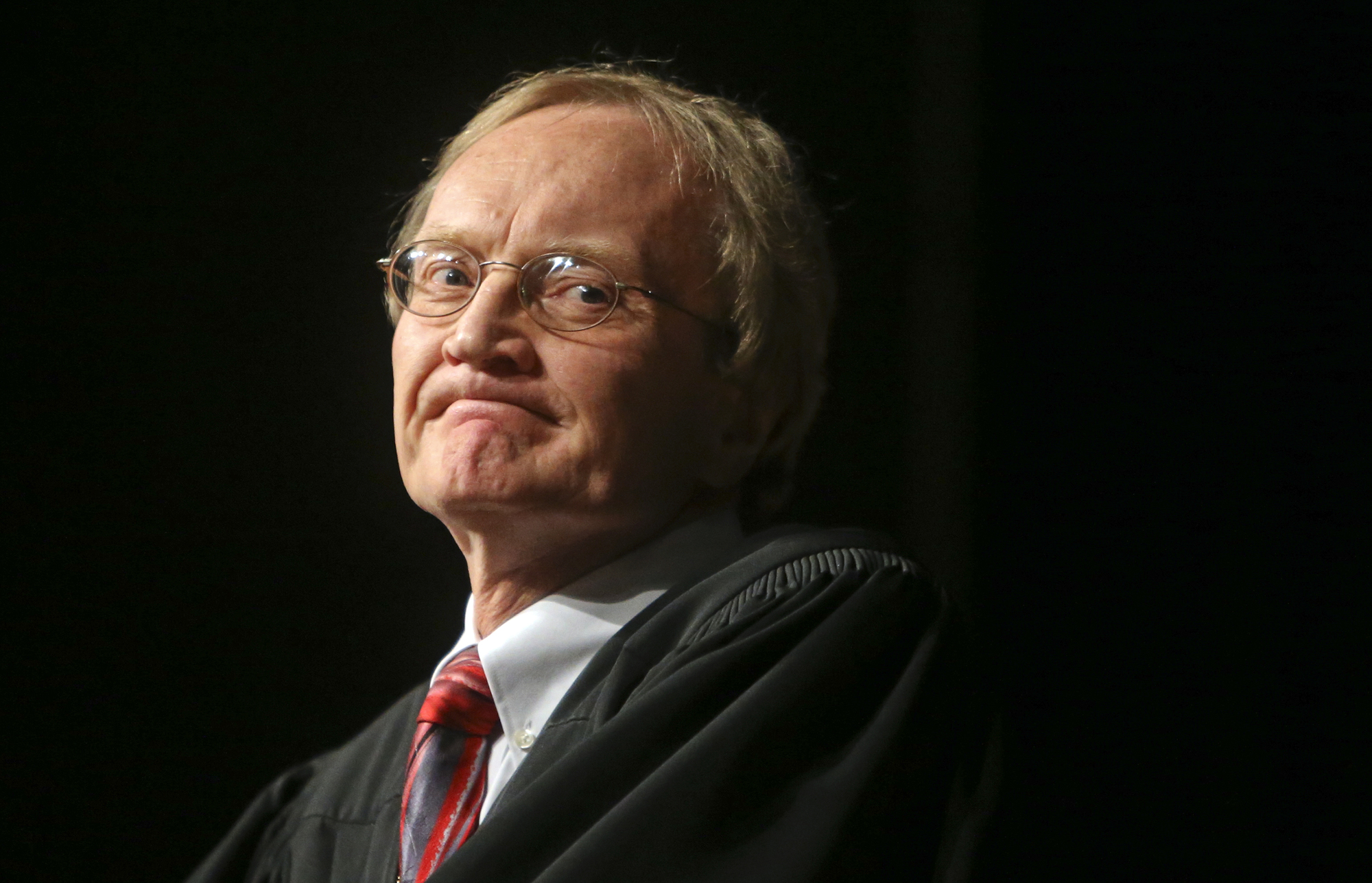
Can Minnesota Ban “Nudify” Apps?
Everyone has a vague, comforting instinct that the First Amendment means the government cannot ban “expression.” And then a legislature passes a law aimed at a specific kind of digital output: non-consensual sexualized images that make real people appear nude. That is the collision we are watching...
Read more →
Menendez Brothers Parole Hearing Set for March 2027: What Changes
You can tell a story has gone viral when a single date starts doing all the work. In this case, the date is March 2027 . That month has been described publicly as the newly scheduled window for the next parole suitability hearing for Lyle and Erik Menendez . If you are looking for something...
Read more →
Can a President Put a Columbus Statue at the White House?
When a president says a statue of Christopher Columbus “stands at the entrance” to the Eisenhower Executive Office Building, right next to the White House complex, the obvious question is simple: can a president do that? The constitutional answer is less cinematic than people expect. The President...
Read more →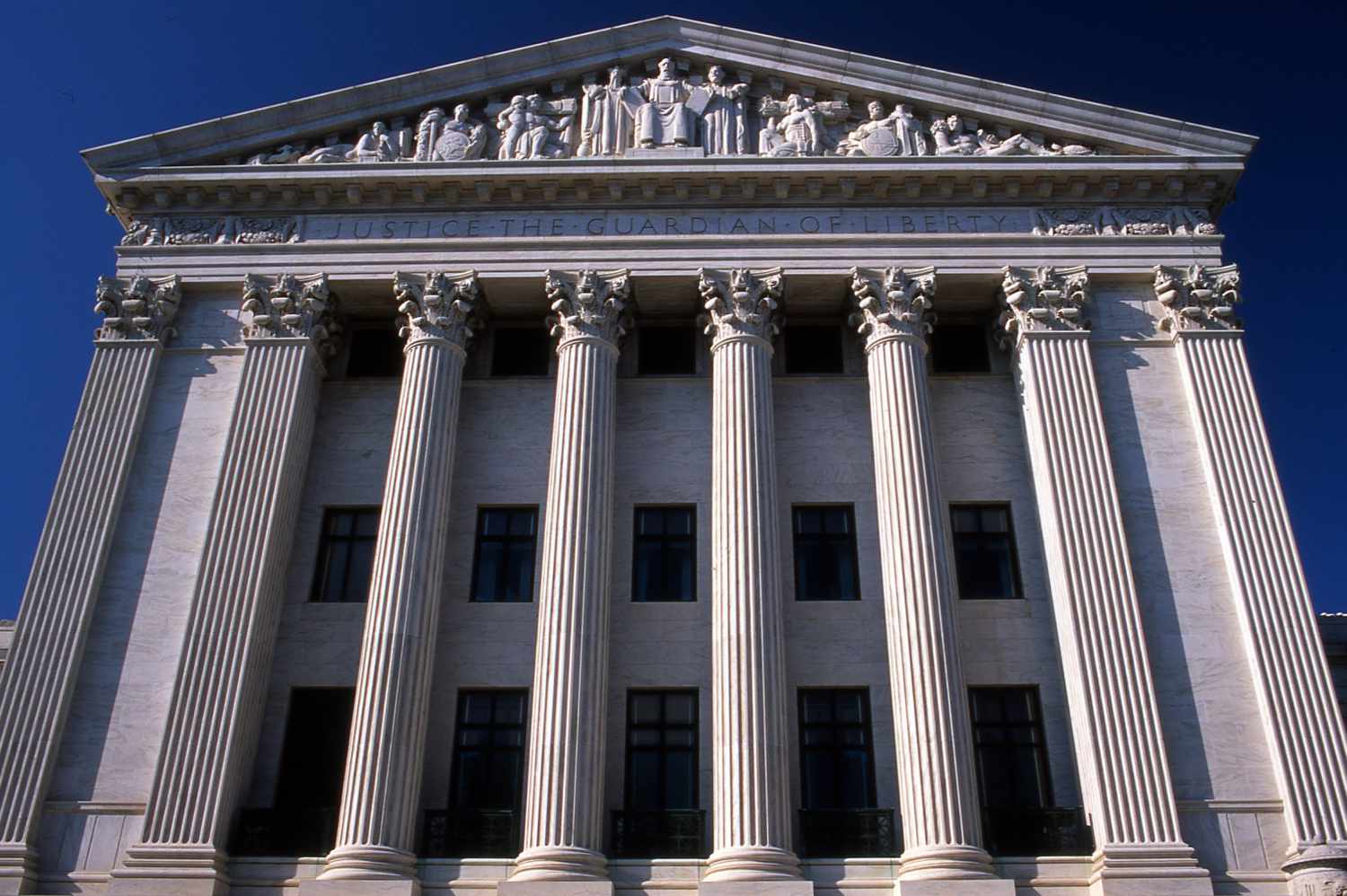
The Mail-In Ballot Case at the Supreme Court, Explained
Mail-in ballots feel like a modern controversy, but the legal fight is older than the pandemic and bigger than any one candidate. It is a recurring clash between two ideas that both sound like democracy: making voting accessible, and making voting verifiable. This explainer focuses on why mail...
Read more →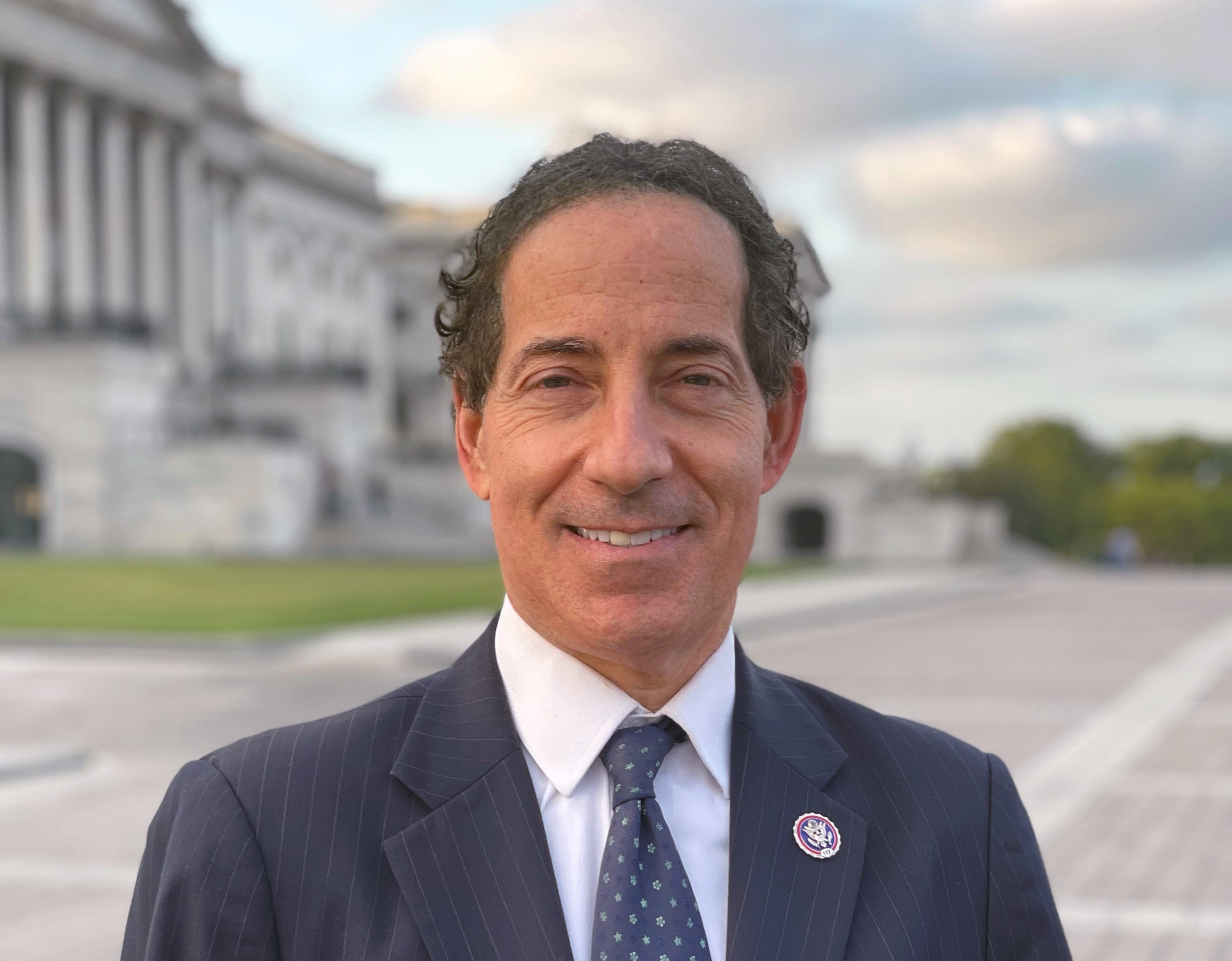
Raskin, Trump, and the Third Impeachment Question
Impeachment is one of those constitutional words that sounds like a verdict. But in American law, it is closer to an indictment: a formal accusation issued by the House, followed by a trial in the Senate. That distinction is the key to understanding why Rep. Jamie Raskin’s September 6, 2026...
Read more →