
Articles by Eleanor Stratton
Browse articles in Articles by Eleanor Stratton on U.S. Constitution
Public Charge, Green Cards, and Medicaid: What the Rule Really Does
The phrase public charge sounds like something you might hear in a political argument. In immigration law, it is something much more specific: a century-old admissibility concept that lets the federal government deny admission or lawful permanent residence (a green card) to certain noncitizens who...
Read more →
The Supreme Court Clerk “Cartel” Debate
Most Americans picture Supreme Court power as nine robed justices, isolated from politics, deciding cases by pure legal reasoning. That is the civics-book version. The working reality is more practical. The Court is a small institution, and it relies heavily on a small group of law clerks in each...
Read more →
When a Judge Refers a DA to the DOJ
When a federal judge “refers” someone to the U.S. Department of Justice for possible criminal investigation, it can sound like a legal thunderclap. In practice, it is closer to a formal, documented nudge: the court is telling federal prosecutors, in writing, that something in the record may warrant...
Read more →
How House Impeachment Votes Work: What a “Present” Vote Means and Why Efforts Can Fail
“Impeachment” sounds like a single dramatic act, like a gavel falling and the country flips to a new chapter. In reality, it is a process with multiple off ramps. And one of the most confusing details is also one of the most ordinary: a member voting “present.” That confusion is why impeachment...
Read more →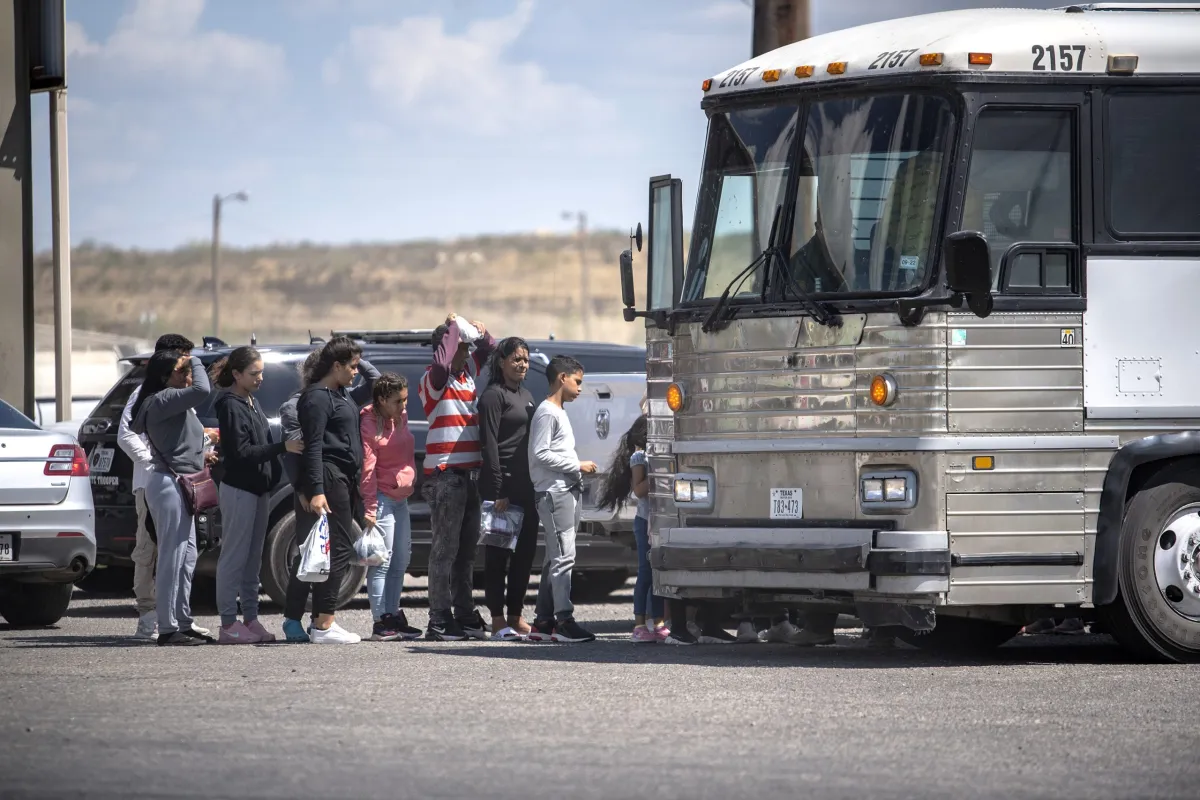
What ‘Zero Releases’ at the Border Means
When a headline claims DHS has achieved “zero releases at the border,” most people hear one of two things: either no one is crossing anymore , or everyone who is caught is being detained until deported . Neither interpretation is reliably true. “Zero releases” is not a single term defined in the...
Read more →
Can the President Keep Using Force in Iran Without Congress?
The Constitution is fairly clear about who holds the core powers that authorize war, and much less explicit about who gets to run a modern military campaign once force begins. That tension is why each new flare-up involving Iran triggers the same question: can a president keep using military force...
Read more →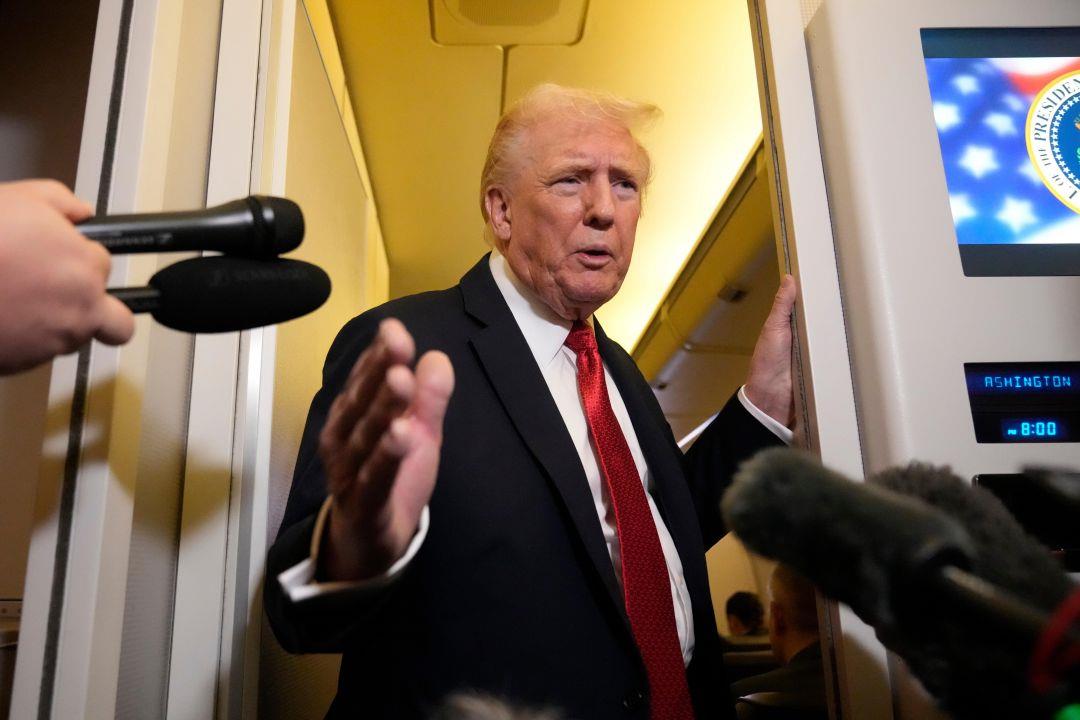
Trump, Flock Cameras, and the New License-Plate Panopticon
President Donald Trump has signaled he is comfortable with a rapidly expanding form of public surveillance: automated license plate readers, often called ALPRs. Asked about the cameras made popular by companies like Flock Safety, Trump told reporters, “I sort of like them because of that, because...
Read more →
What Supreme Court Fights Over Nationwide Injunctions Mean
When the Supreme Court “refuses to act,” it can sound like the justices quietly decided a case on the merits. In reality, much of the Court’s high-profile work happens on an emergency track where the Court is simply deciding whether to step in right now , with limited briefing, a limited record,...
Read more →
Can the EPA Roll Back Biden’s Carbon Rules?
The Environmental Protection Agency can propose to repeal Biden-era carbon pollution standards. It can even finalize a repeal. The harder question is whether the repeal survives the legal machinery that governs modern federal power: the Clean Air Act’s text, the Administrative Procedure Act’s...
Read more →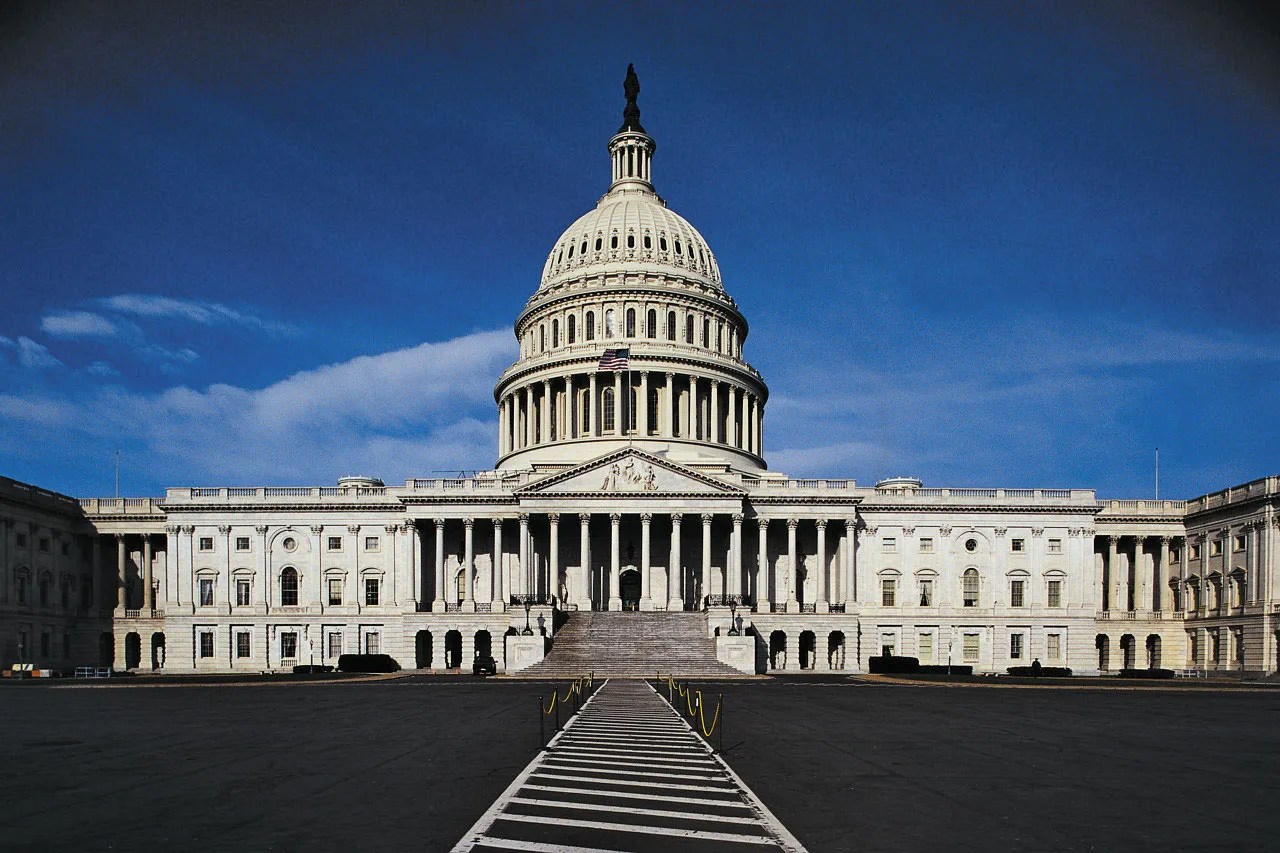
Can Congress Count Only Citizens for House Seats?
The House of Representatives is supposed to represent people, not paperwork. That sounds like a slogan, but it is also the Constitution’s basic design for apportionment: count the population, then divide the seats. So when a new proposal floats the idea of counting only citizens for House seats, it...
Read more →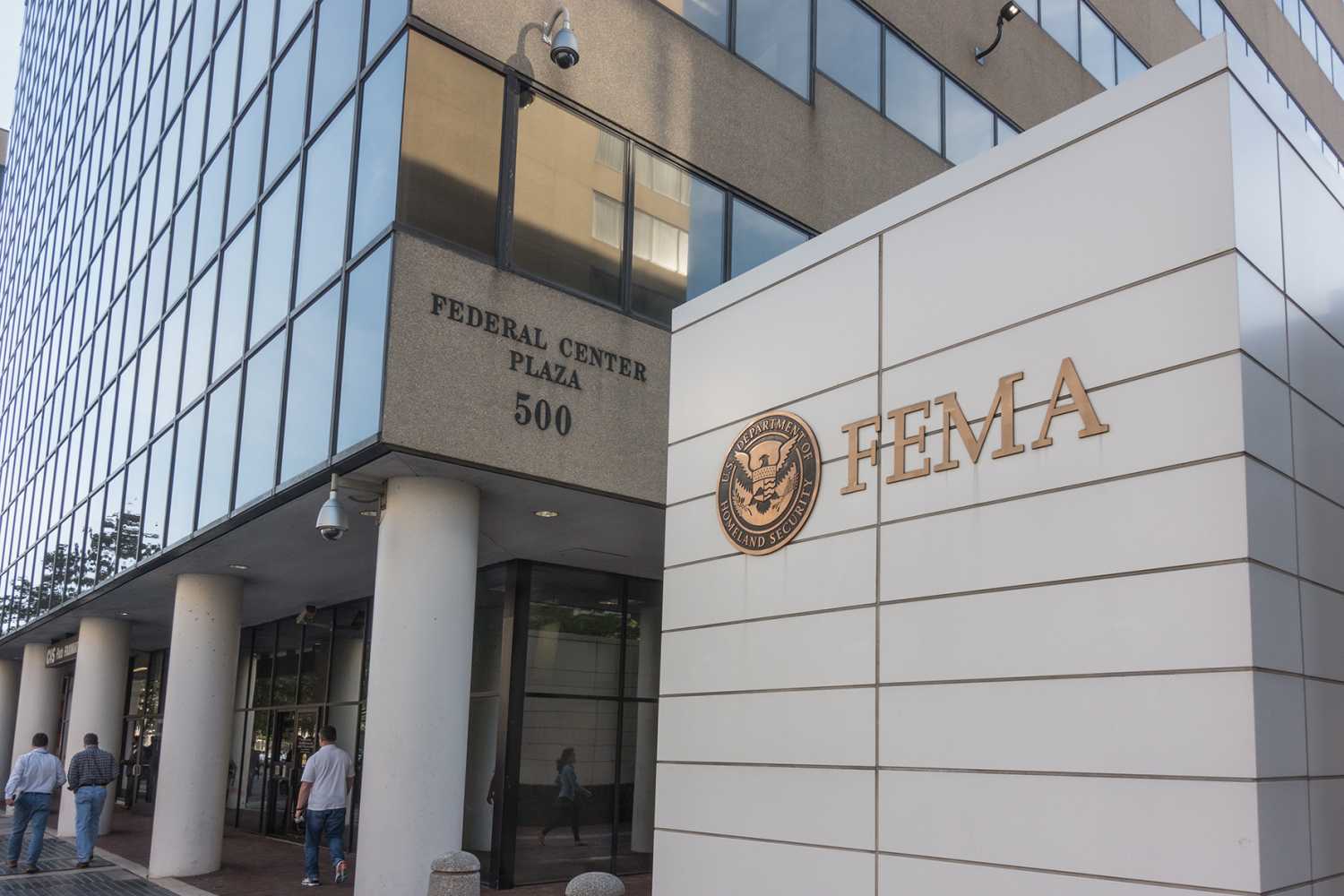
Can the President Cut FEMA Staff? What the Law Allows
When federal judges block federal workforce plans at agencies like FEMA, the headlines are easy to misunderstand. It can sound like a court just “stopped cuts” or “saved the agency.” What is usually happening is narrower and more constitutional: a judge is policing who has legal authority to make...
Read more →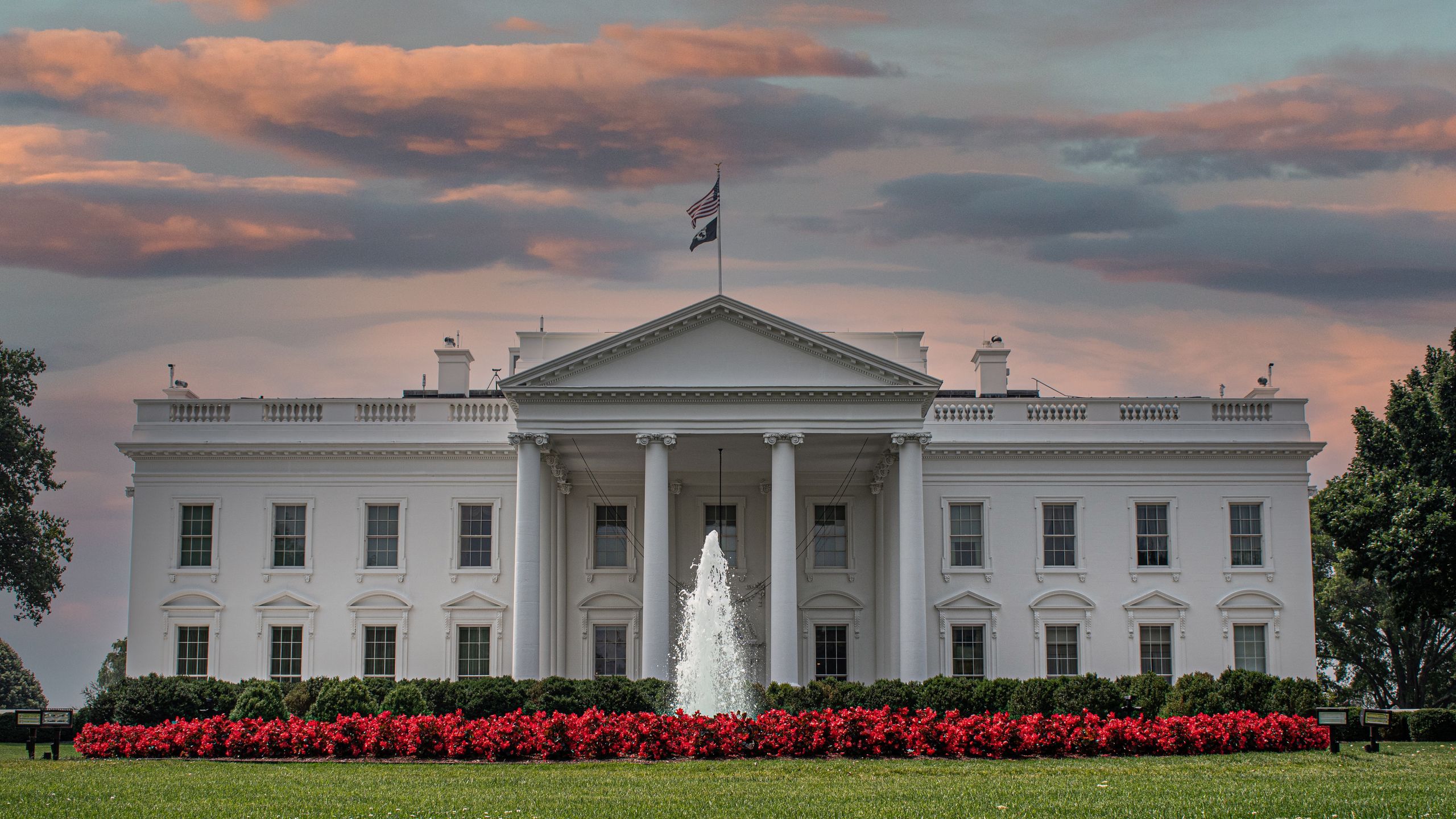
Who Regulates AI in the U.S.?
Every few months, a familiar claim comes roaring back into American politics: AI is so consequential that it needs one thing above all else, a strong president to “keep it under control.” The Constitution does not work that way. Not because the Founders predicted large language models, but because...
Read more →
What Is the USVSST Fund and Why 9/11 Families Want Congress to Act
When 9/11 families come to Washington with a deadline on the calendar, it is usually because something very old and very constitutional is happening again: a federal program depends on Congress to keep its legal authority and funding mechanisms in place. The program at the center of the latest push...
Read more →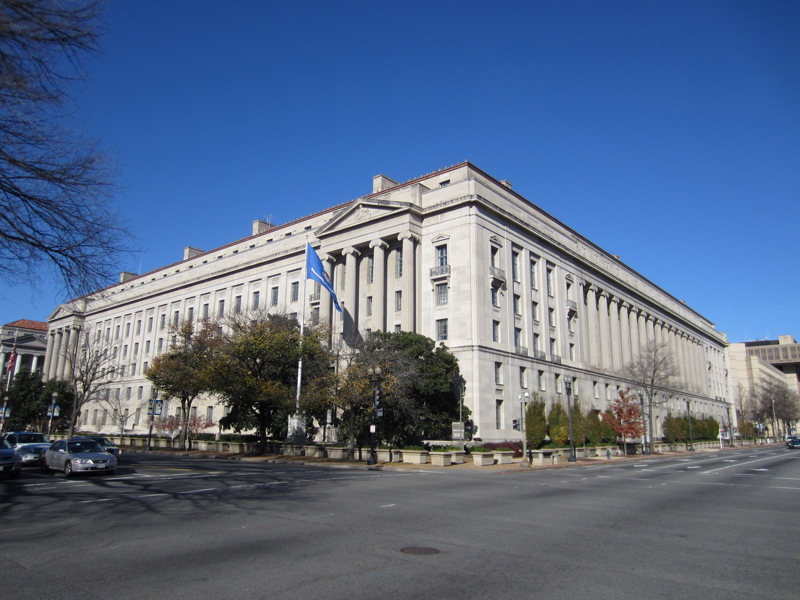
Alien Terrorist Removal Court, Explained
Most immigration removals happen in the ordinary system: a Department of Homeland Security trial attorney in an immigration court, an immigration judge in the Department of Justice’s Executive Office for Immigration Review (EOIR), and an appeal to the Board of Immigration Appeals. That is the...
Read more →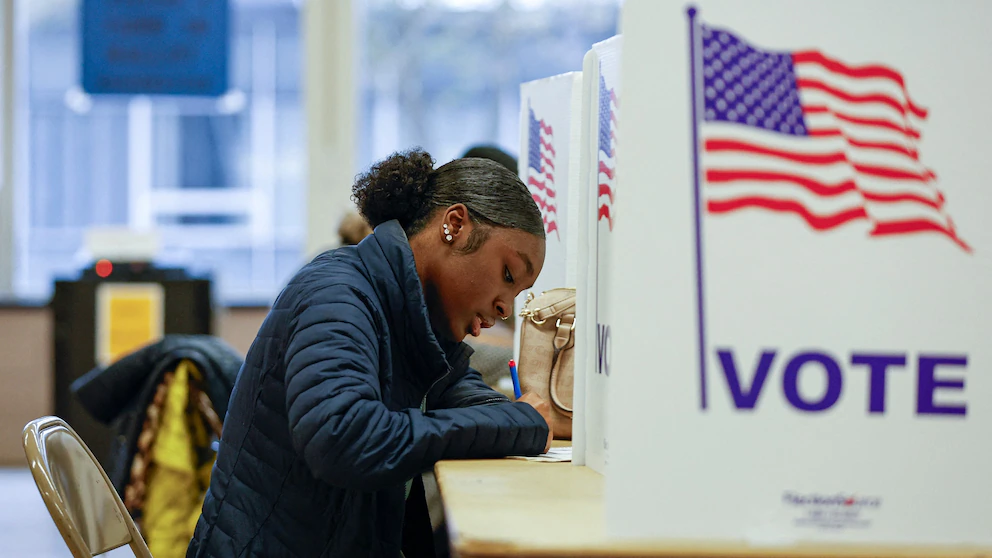
Can a Green Card Holder Vote? The Law on Illegal Voting and Election Crimes
Every election cycle produces the same jolt of confusion: a headline about a noncitizen accused of voting , followed by a wave of questions about whether the law actually forbids it, how anyone gets caught, and who has the power to prosecute. The short answer is straightforward. A green card holder...
Read more →
Why Senate Crypto Bills Are Turning Into an Ethics Fight
Crypto regulation is one of those issues that sounds technical until it collides with something everyone understands instantly: self-dealing. That is why the Senate’s recurring debate over major crypto “market structure” bills is not only a fight about how to classify digital assets or which agency...
Read more →
Who Controls the Smithsonian? What a President Can and Cannot Do About Museum Exhibits
You can feel the constitutional confusion in the question itself: Who controls the Smithsonian? It looks federal. It sits on the National Mall. It receives federal money. It holds some of the most symbolically charged artifacts in the country. So when a president (or any prominent political figure)...
Read more →
Can a Judge Help Someone Avoid ICE? What the Massachusetts Reprimand Means
A Massachusetts judge has been publicly reprimanded after allegations that a defendant avoided federal immigration agents connected to her courtroom. The headline version is easy: a state judge, ICE, a missing defendant, and a disciplinary order. The constitutional version is harder, and more...
Read more →
Why Detention Cases Invoke Japanese Internment
When a federal court invokes the World War II internment of Japanese Americans in a modern detention dispute, it is not reaching for a dramatic metaphor. It is reaching for a constitutional warning label. The internment era represents a familiar pattern in American law: sweeping confinement...
Read more →
Can a Law School Favor Some Applicants Over Others? The Admissions Fight Explained
A recent federal inquiry involving the University of California, Berkeley School of Law (Berkeley Law) is being framed as a simple question: did the school favor Black applicants over White and Asian applicants? Public reporting and official statements around an inquiry like this can be thin at the...
Read more →