
You can feel the question underneath the headlines: if a president escalates military action against Iran, who is supposed to be in charge of the decision?
The Constitution gives you a frustratingly American answer: both branches, in different ways, at different moments, with different tools. The president can move fast. Congress can authorize, limit, or end the mission on paper and, more importantly, in the budget.

Join the Discussion
The Constitution’s split-screen war powers
If you go looking for a single sentence that says “here is how America starts a war,” you will not find it. What you find instead is a deliberate division.
Congress: the power to take the nation from peace to war
Article I gives Congress power to declare war, raise and support armies, provide and maintain a navy, and make rules for the armed forces. Congress also controls appropriations, which means it controls the money that makes military action possible.
The point is not that Congress micromanages tactics. The point is that Congress is supposed to decide the basic national commitment: whether the United States will enter a state of war, and on what terms.
The president: commander in chief, not a blank check
Article II makes the president the commander in chief of the armed forces. That is a real power. It covers operational control and the ability to respond to sudden threats. The dominant structural argument is that it does not, on its face, hand the president a free-standing power to start a major war whenever he chooses. In practice, and in some legal scholarship, that boundary is contested.
The constitutional design is separation of powers with a built-in argument. Congress can be slow and political. Presidents can be fast and forceful. The Framers knew that and still chose to split the authority anyway.

Can a president attack Iran without Congress?
Sometimes, yes. Always, no.
A useful way to think about it is short defensive action versus a sustained campaign. Modern presidents of both parties have used military force without a formal declaration of war. They usually justify it under one of three categories:
- Self-defense or protecting U.S. forces from imminent or ongoing attacks.
- Limited strikes framed as short of “war” in the constitutional sense.
- Existing statutory authority, where Congress previously authorized force in a way the executive says covers the situation.
That third category is where a lot of Iran-related argument lives. In recent years, officials have sometimes pointed to older authorizations like the 2001 AUMF (post-9/11) and the 2002 Iraq AUMF as potential legal hooks. Whether those statutes actually fit Iran is heavily disputed, and Congress has periodically debated narrowing or repealing them for exactly that reason.
The constitutional tension shows up in the gray area between a short, discrete use of force and a sustained campaign. Structurally, the longer and more warlike the operation, the harder it is to treat Congress’s Article I role as optional. But modern executive-branch practice has sometimes drifted toward treating extended operations as permissible without new votes, especially when Congress keeps funding them.
With Iran specifically, the hard question is not whether the president can order an immediate defensive action if Americans are under attack. The hard question is whether that initial action becomes an ongoing warlike commitment without new congressional approval.
The War Powers Resolution clock
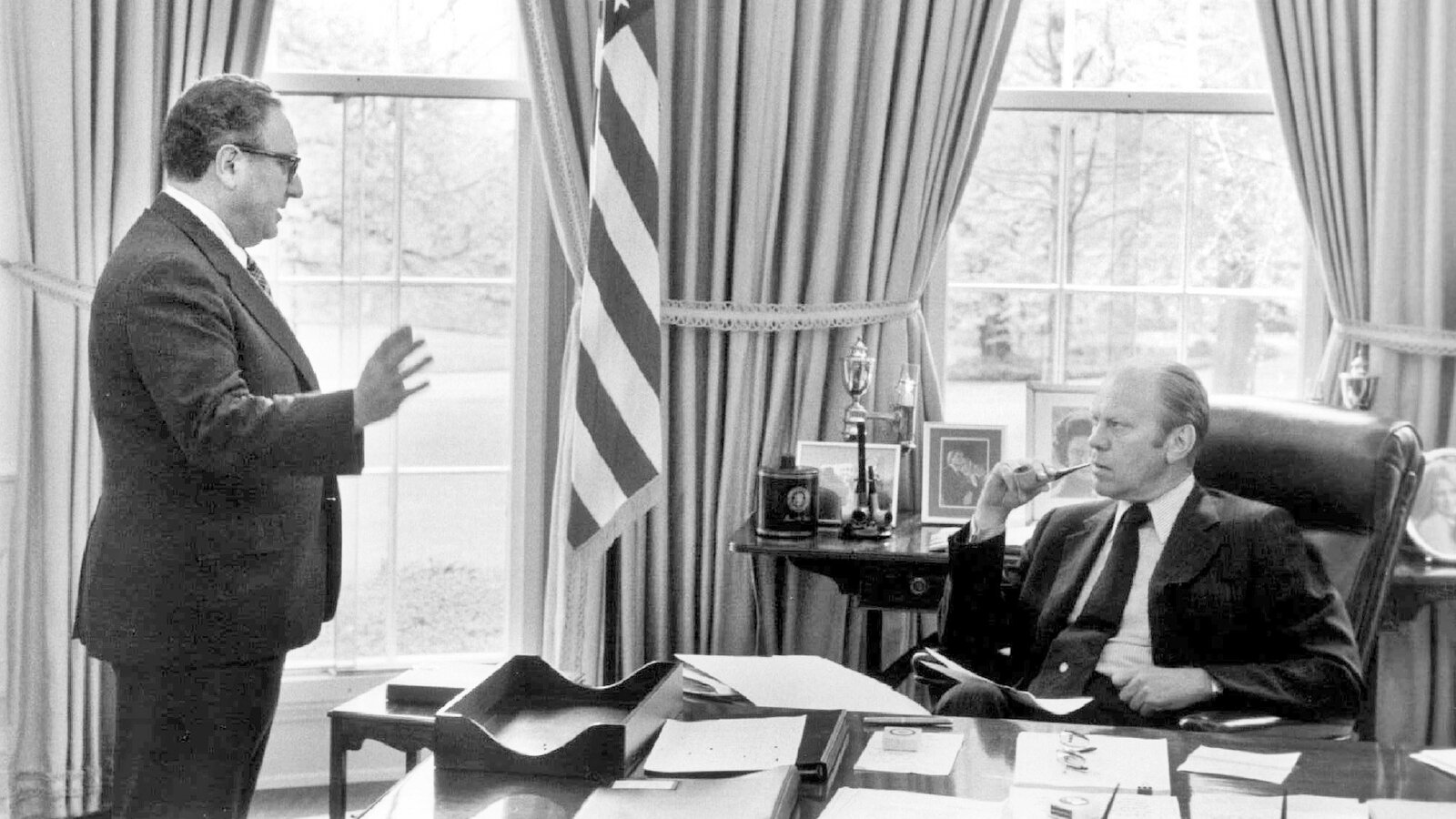
After Vietnam, Congress tried to put procedural rails around this problem. The result was the War Powers Resolution of 1973.
In simplified form, it does three big things:
- Reporting: when U.S. forces are introduced into hostilities, or into situations where hostilities are clearly imminent, the statute generally requires a report to Congress within 48 hours.
- Time limit: absent a declaration of war or specific authorization, the statute generally contemplates termination within 60 days (with a possible 30-day period for withdrawal).
- Congressional leverage: it creates a framework for Congress to demand information and to decide whether to authorize, limit, or cut off the mission.
Two caveats make this more complicated in real life. First, the statute’s triggers and the meaning of “hostilities” are disputed, so presidents sometimes argue the clock never started. Second, presidents frequently transmit reports “consistent with” the War Powers Resolution rather than “pursuant to” it, signaling that they are complying as a matter of comity without conceding that Congress can bind the commander in chief this way.
Still, the War Powers Resolution matters because it defines what the fight is usually about: not just the bombs, but the accountability timeline.
Declarations, authorizations, and plans
Polls about whether an administration has a strategy are political news. But the Constitution turns “strategy” into a structural question: who owns the mission?
One key distinction helps readers keep the vocabulary straight:
- A declaration of war is a formal legal status Congress alone can declare.
- An Authorization for Use of Military Force (AUMF) is also a statute passed by Congress, but it typically authorizes force against specific actors, in specific places, under specific conditions, without using the words “declare war.”
- Separate from both, presidents claim some independent Article II authority to use force for short, defensive, or limited operations.
When Congress authorizes force, it can demand clarity through the authorization itself. That is the underestimated part of Article I. An authorization can specify:
- Objectives and limits
- Geographic scope
- Reporting requirements
- Sunset dates
- Rules about ground troops
In other words, Congress does not just vote yes or no on war. It can define what “yes” means. If a president cannot articulate an end state, Congress can refuse authorization or narrow it until the mission is more than a vibe.
That does not guarantee good policy. It does guarantee a clearer line of democratic responsibility.
What Congress can do
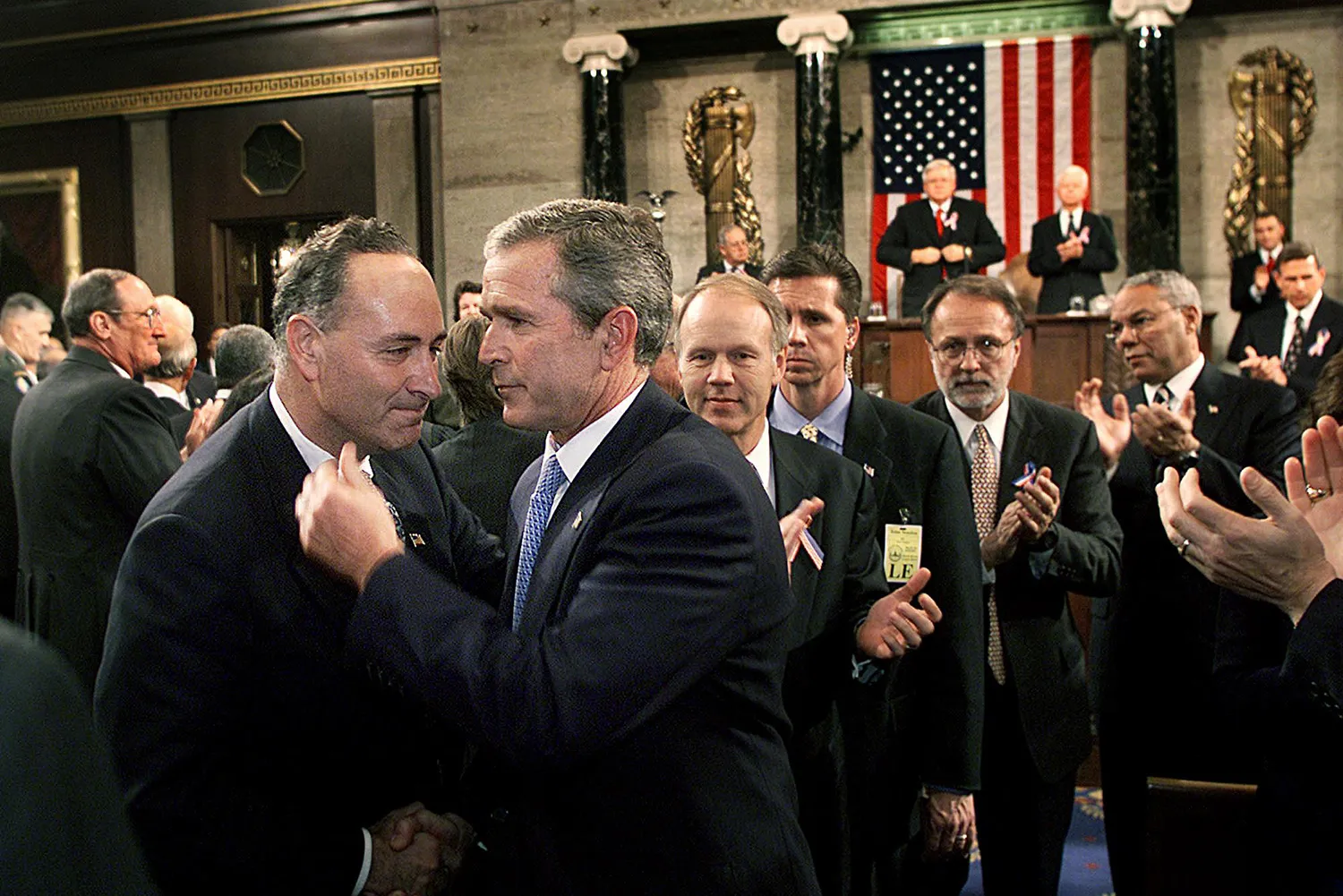
The Constitution gives Congress multiple tools, and they are not subtle.
1) Refuse to authorize force
If the president wants a sustained campaign, Congress can simply decline to pass an AUMF. That forces the executive to rely on narrower claims like self-defense or existing authorities, which are politically and legally contested.
2) Control the money
Congress’s strongest lever is appropriations. Even when courts are reluctant to referee war powers disputes, budgets are real. Congress can:
- Prohibit funds for certain operations
- Condition funds on reporting or limits
- Set expiration dates on funding
This is why “who decides” is often answered in practice by “who keeps paying.”
3) Oversight, hearings, and compelled transparency
Committees can call officials, demand documents, and force public explanations. Oversight does not stop missiles midair, but it shapes legitimacy and can reshape votes.
4) Impeachment (rare, but constitutional)
If Congress believes a president has committed high crimes and misdemeanors through unlawful warmaking or deception, impeachment is the constitutional backstop. It is not designed for routine policy disputes. It exists for abuses of power.
Why courts rarely settle it
People naturally ask: why not sue?
War powers cases often run into doctrines like standing (who is injured enough to sue), ripeness (is the conflict concrete enough), and the political question doctrine (some disputes are treated as committed to the elected branches).
That does not mean the Constitution has no rules. It means the enforcement mechanism is usually political rather than judicial. In war powers, the separation of powers is not just a theory. It is the arena.
One quick example of the pattern
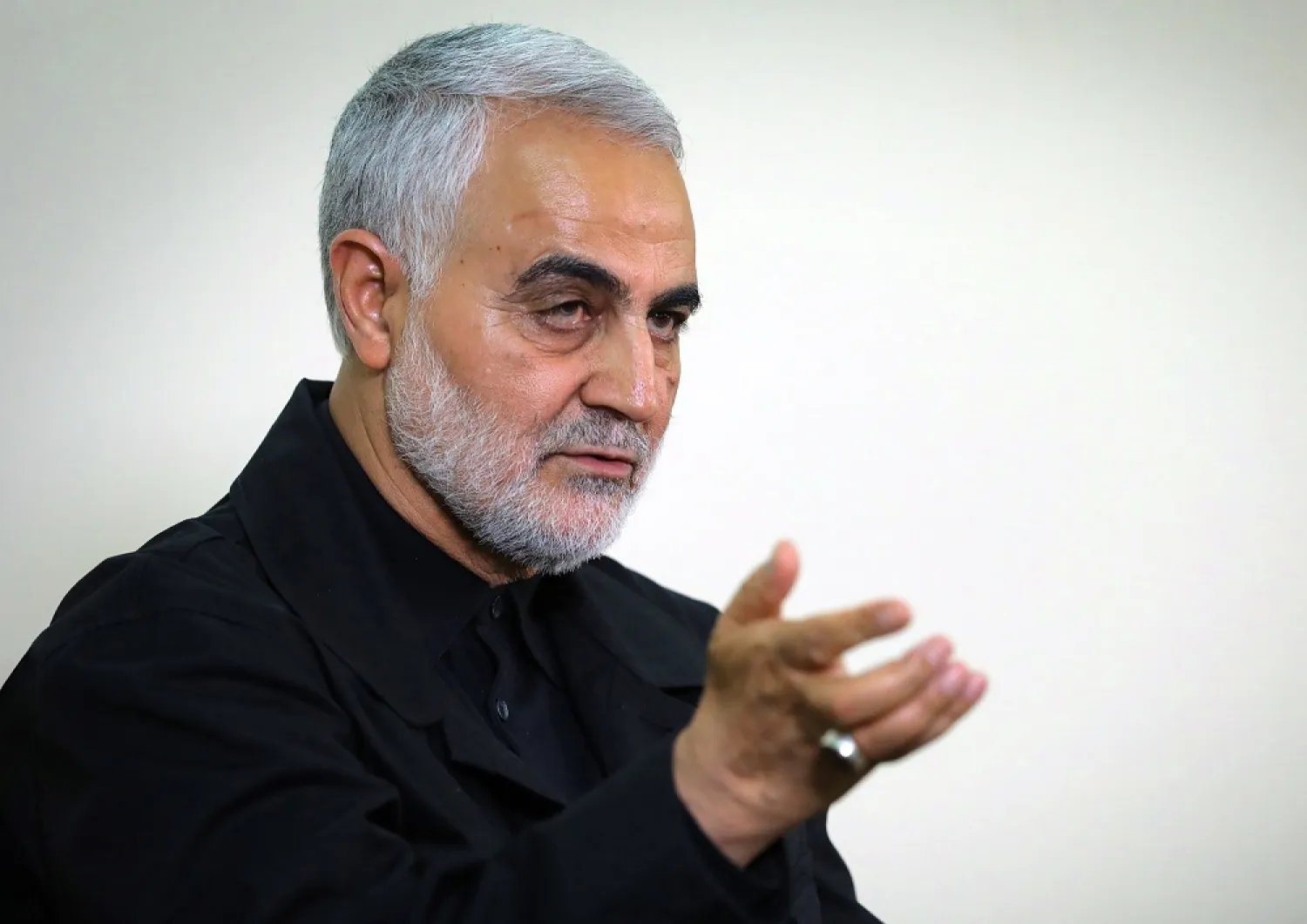
This push and pull is not theoretical. For example, the U.S. strikes that killed Iranian General Qasem Soleimani in 2020 were ordered by the executive branch without a new Iran-specific AUMF, followed by immediate public debate over the legal basis and Congress’s role. That is the modern cycle in miniature: action first, arguments second, and then the question of whether Congress will legislate, fund, or resist.
Practical answers
Does the president need Congress to go to war with Iran?
For a major, sustained war, the constitutional expectation is yes: Congress should authorize. For immediate defensive action or limited strikes, presidents often act first and then seek support, but the longer it goes, the more constitutionally and politically precarious it becomes.
Who can declare war?
Only Congress can declare war. Congress can also authorize force through an AUMF, which is more common today. Presidents can use force under Article II in limited circumstances, but a declaration of war and a statutory authorization are legislative acts.
What if Congress disagrees but the president keeps going?
Congress can refuse authorization, investigate, and restrict or cut off funding. If Congress does none of those things, presidents tend to treat the silence as permission, even if the Constitution never says silence equals consent.
What does a “lack of strategy” change legally?
Not much by itself. The Constitution does not require a publicly articulated plan. But politically and structurally it matters because a plan is how Congress evaluates whether to authorize, fund, and continue a conflict. Strategy is not a constitutional checkbox. It is the substance Congress is supposed to debate.
The core point
The Constitution does not assume war is just another executive action item. It treats war as the most dangerous power a republic can exercise, which is why it divides it.
The president can command. Congress can commit. When those verbs get blurred, Americans are left arguing about whether a war is “authorized” the same way they argue about whether it is “working.” And that is exactly where the Constitution wanted the argument to happen: in public, through elected representatives, before a temporary decision becomes a permanent conflict.