
“Impeachment” sounds like a single dramatic act, like a gavel falling and the country flips to a new chapter. In reality, it is a process with multiple off ramps. And one of the most confusing details is also one of the most ordinary: a member voting “present.”
That confusion is why impeachment efforts can collapse even when the issue is dominating headlines. The Constitution gives the House the power to impeach, but it does not micromanage how the House conducts every step. Much of what the public experiences as “the impeachment vote” is actually a mix of Article I authority and House rules, strategy, and arithmetic.
Join the Discussion
Impeachment in the Constitution
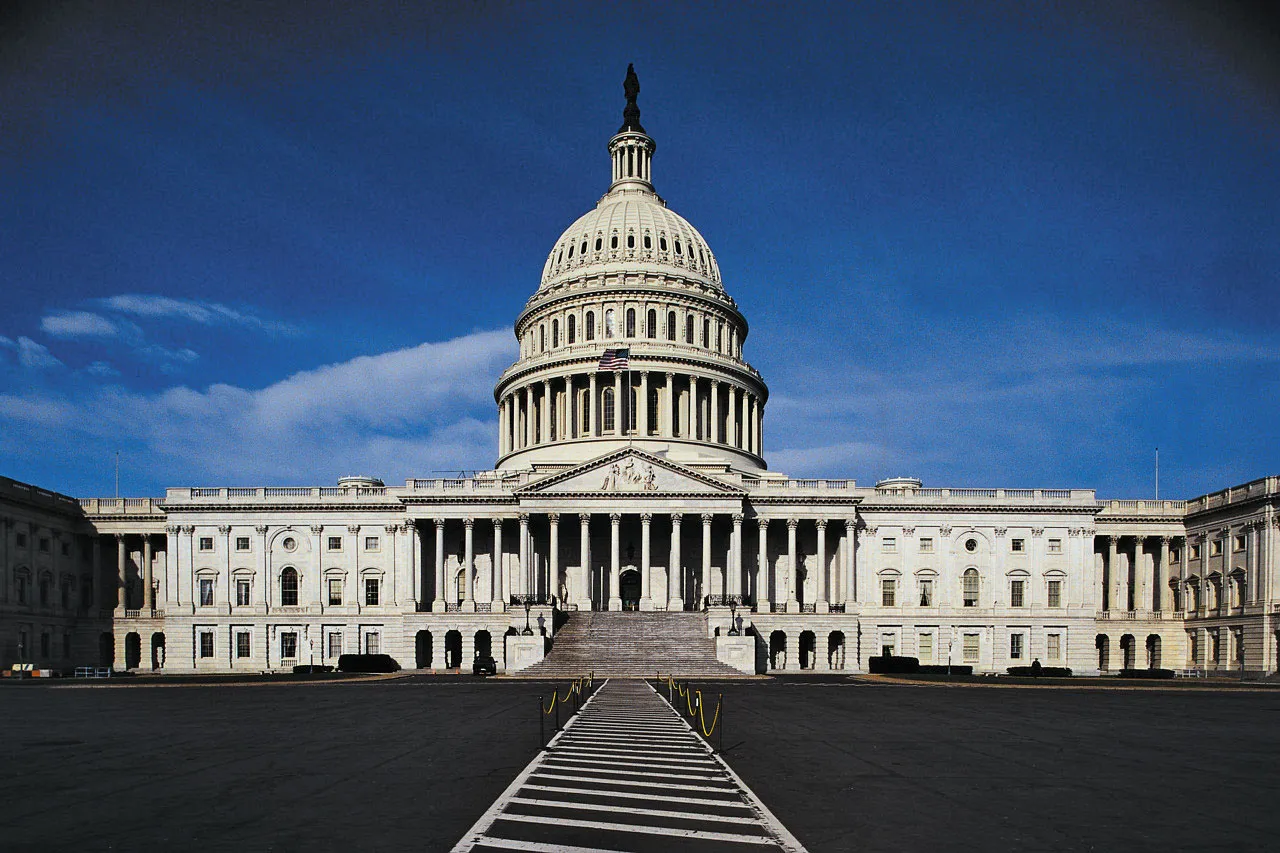
The constitutional hook is straightforward. Article I gives the House of Representatives the “sole Power of Impeachment,” and gives the Senate the “sole Power to try all Impeachments.” That split is the point. The House acts like an accuser. The Senate acts like a trial court.
Two key takeaways flow from that design:
- Impeachment is not removal. Impeachment is the House’s formal accusation, typically through “articles of impeachment.”
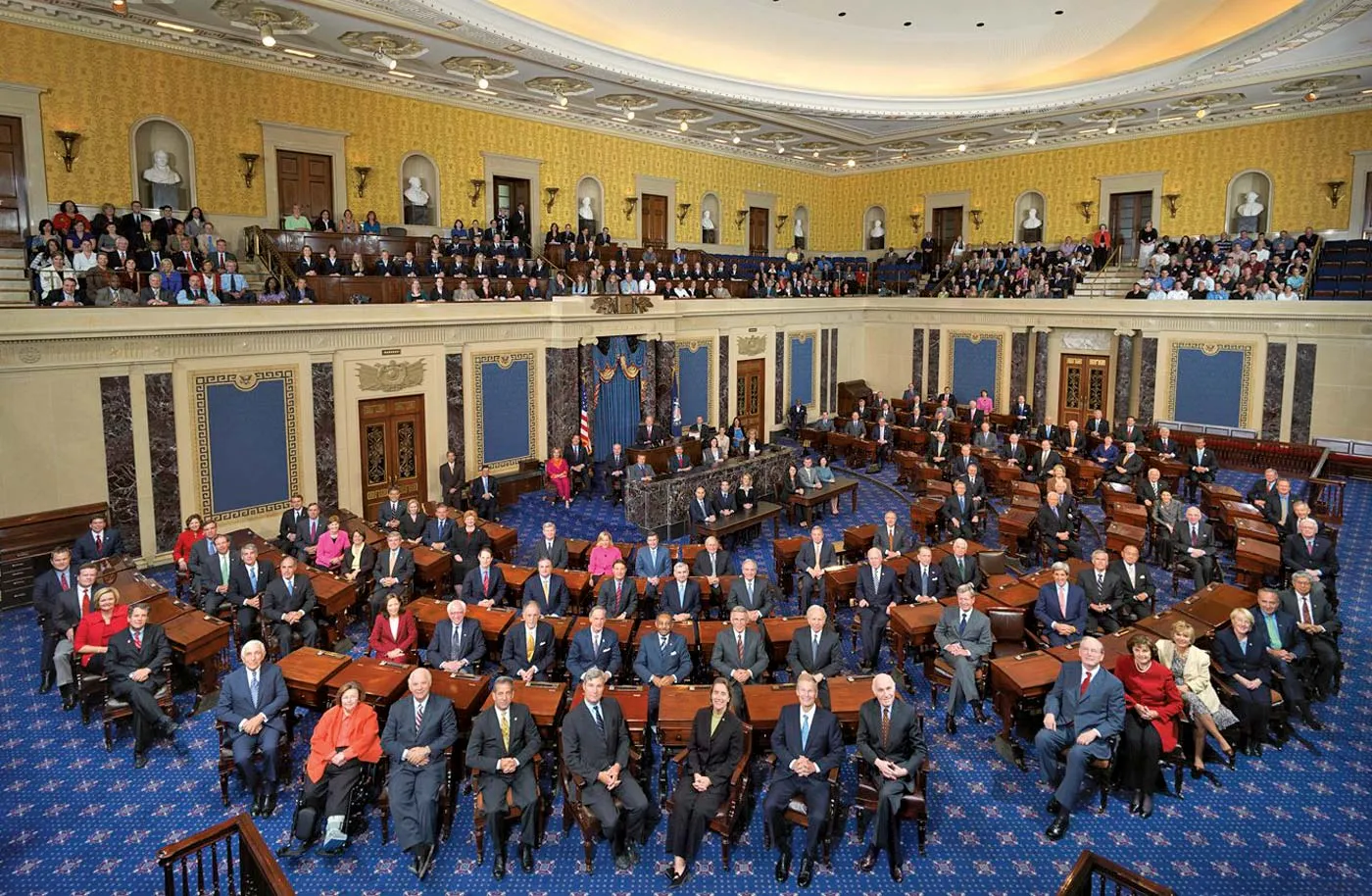
- Removal requires the Senate. The Constitution says conviction requires “the Concurrence of two thirds of the Members present.” If the Senate convicts, removal follows. The Senate may also vote separately to disqualify the person from holding future federal office.
How it starts in the House
People often imagine impeachment begins with a single up-or-down vote on whether the President is impeached. But the House has multiple procedural pathways, and they matter.
Common routes
- A member introduces a resolution. This can include proposed articles of impeachment or a call to investigate.
- Committees investigate first. The House may direct a committee to conduct an inquiry, hold hearings, and draft articles.
- The House votes on a procedural motion. The House can vote to table a resolution, refer it to committee, or otherwise dispose of it without ever voting on final articles.
That last item is where many public misunderstandings begin. A vote connected to impeachment is not always a vote on impeachment in the sense most people mean it.
What the House votes on
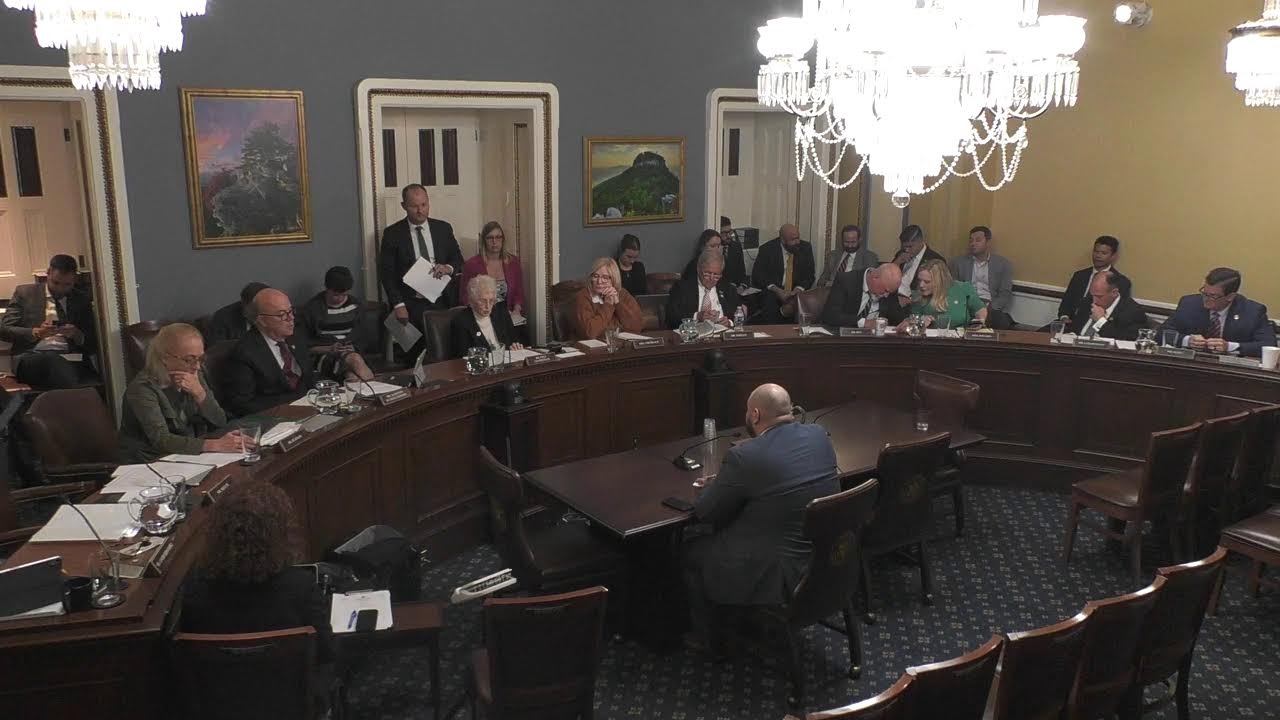
In modern practice, members may vote on any of the following, each with different consequences:
- Referral to committee: sends the measure into the committee system, which can slow it down or effectively bury it.
- Motion to table: a vote to set the measure aside. If the House agrees to table, the resolution is usually dead unless revived or reintroduced through additional steps.
- Adopting articles of impeachment: this is the vote that formally impeaches an official.
So when a headline says an “impeachment effort failed,” it might mean any of these: the House refused to consider it, the House tabled it, the House sent it away to committee, or the House voted down the articles themselves.
What “present” means
“Present” is not a third policy position like “sort of yes.” It is a parliamentary choice: the member is recorded as present but does not vote yes or no.
Why “present” exists
A “present” vote can communicate any number of things that are political rather than legal: discomfort with the underlying resolution, opposition to the timing, disagreement with the procedural vehicle, or refusal to lend the vote symbolic weight either way. But procedurally, “present” does one core thing.
How it changes the math
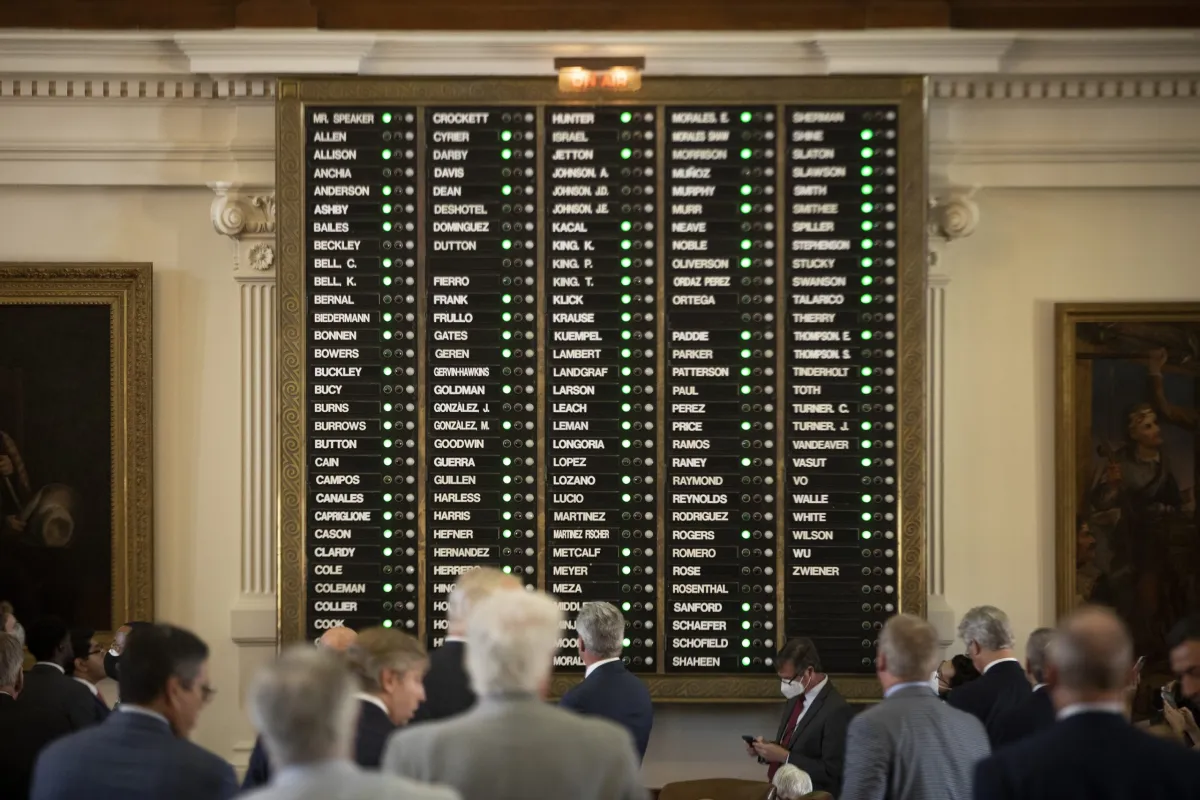
For most simple-majority House questions, the outcome is based on a majority of the votes actually cast as yes or no. Members who vote “present” are typically not counted as either yes or no, even though they are recorded.
A quick example makes it intuitive. Suppose 430 members respond:
- 214 vote yes
- 211 vote no
- 5 vote present
On a question decided by “yea” versus “nay,” the deciding pool is 214 + 211 = 425 votes cast. A majority of 425 is 213. So 214 yes passes, even though 214 is not a majority of 430 members answering the roll call.
One caveat: “present” does not work the same way for every kind of vote. Some actions have special thresholds, such as constitutional amendments, veto overrides, certain House procedures, and votes that require an absolute majority of the full House membership (for example, electing the Speaker). In those settings, “present” may not lower the bar in the same way.
Also, the House has quorum requirements. Members who are present, including “present” voters, can matter for establishing that the House has enough members participating to do business. But in a contested moment, the decisive question is usually the yes versus no count on the specific motion.
Where efforts can fail
The Senate cannot try an impeachment that the House never makes. And the House can stop an effort long before it reaches the stage of adopted articles.
Failure point 1: the House blocks the vehicle
If the House votes to table a resolution, or uses other procedural motions to prevent it from advancing, the effort usually ends there. No articles are adopted. No managers are appointed. No transmission to the Senate occurs.
Failure point 2: the House rejects the articles
Even after investigation and debate, the House can simply vote down the articles of impeachment. In that case, there is no impeachment and nothing for the Senate to try.
Failure point 3: the House impeaches, but the Senate does not convict
This is the point most people remember: the House impeaches, the Senate holds a trial, and conviction fails to reach the constitutional two-thirds threshold of Members present. The official is acquitted and remains in office.
Each of these outcomes is constitutionally coherent. The Constitution does not guarantee that every impeachment proposal gets a hearing, or that every accusation becomes a trial. It gives each chamber its own role and lets politics and procedure determine whether the system moves.
House vs. Senate roles
The House can impeach a president without the Senate convicting, yes. That is because impeachment is the House’s act alone. But the House cannot remove a president on its own, and it cannot conduct the trial that results in removal. That is the Senate’s job.
There is also a timing lever that gets overlooked: after adopting articles, the House typically appoints impeachment managers and transmits the articles to the Senate, and the House has some control over when that transmission happens. Once the Senate has the articles, the Senate controls trial procedures under its rules and constitutional obligations.
Think of it this way:
- House: “We accuse.”
- Senate: “We try.”
- Two-thirds conviction: “We remove.”
Impeachment vs. removal
The Constitution built impeachment to be easier than removal on purpose.
The House is designed to be majoritarian and responsive, elected every two years. So it can impeach with a simple majority of those voting on the articles. The Senate is designed to be slower, steadier, and harder to move. So conviction requires a supermajority.
That structure produces a reality people do not always like, but should expect: it is entirely possible for an official to be impeached and still remain in office. That is not a glitch. It is the design doing what it was built to do: require broad agreement before the nation forcibly ends a presidency through Congress.
And while presidents get the attention, the same basic framework applies to other “civil Officers of the United States,” including federal judges, who have been impeached and tried under the same constitutional architecture.
Quick FAQ
Does “present” count as voting?
It counts as being recorded and present, but it is not counted as a yes or no when tallying the votes cast for and against on most simple-majority House questions.
Is impeachment a criminal process?
No. Impeachment is a constitutional remedy for misconduct in office. It can overlap with criminal allegations, but it is not a criminal trial and does not send anyone to prison. Separate criminal proceedings, if any, occur in the courts.
What happens after the House impeaches?
The House typically appoints impeachment managers and transmits the articles to the Senate. The Senate then decides how and when to proceed with a trial, under its own rules and constitutional obligations.
What standard is required for impeachment?
The Constitution uses the phrase “Treason, Bribery, or other high Crimes and Misdemeanors.” That phrase has been debated for centuries. It does not map neatly onto the criminal code, and the House ultimately exercises judgment about what conduct rises to the level of impeachable abuse or betrayal of public trust.
The civic point
Article I gives the House the power to impeach, but it does not force the House to use that power on any particular schedule or through any single path. That is why an impeachment push can fracture, stall, or die without ever reaching the stage of adopted articles, much less a Senate trial.
And that is why “present” matters. It is not a constitutional mystery. It is a procedural choice that changes the count, changes the narrative, and sometimes changes the outcome, all without changing the text of the Constitution by a single word.