
Whenever a cluster of election fraud cases hits the news, the public reaction tends to split in two directions. One side hears “proof the system is rigged,” the other hears “nothing to see here.” The law is less emotional and much more specific. “Election fraud” is an umbrella term for different crimes with different evidence requirements, prosecuted under a mix of state election codes and federal criminal statutes.
This article is about the legal framework: who sets voter eligibility rules, what noncitizens are allowed to do (and not do), what prosecutors have to prove, and what penalties can attach when a case is strong enough to charge. It is not a claim about any particular election’s outcome.
Join the Discussion
Who runs elections in the United States
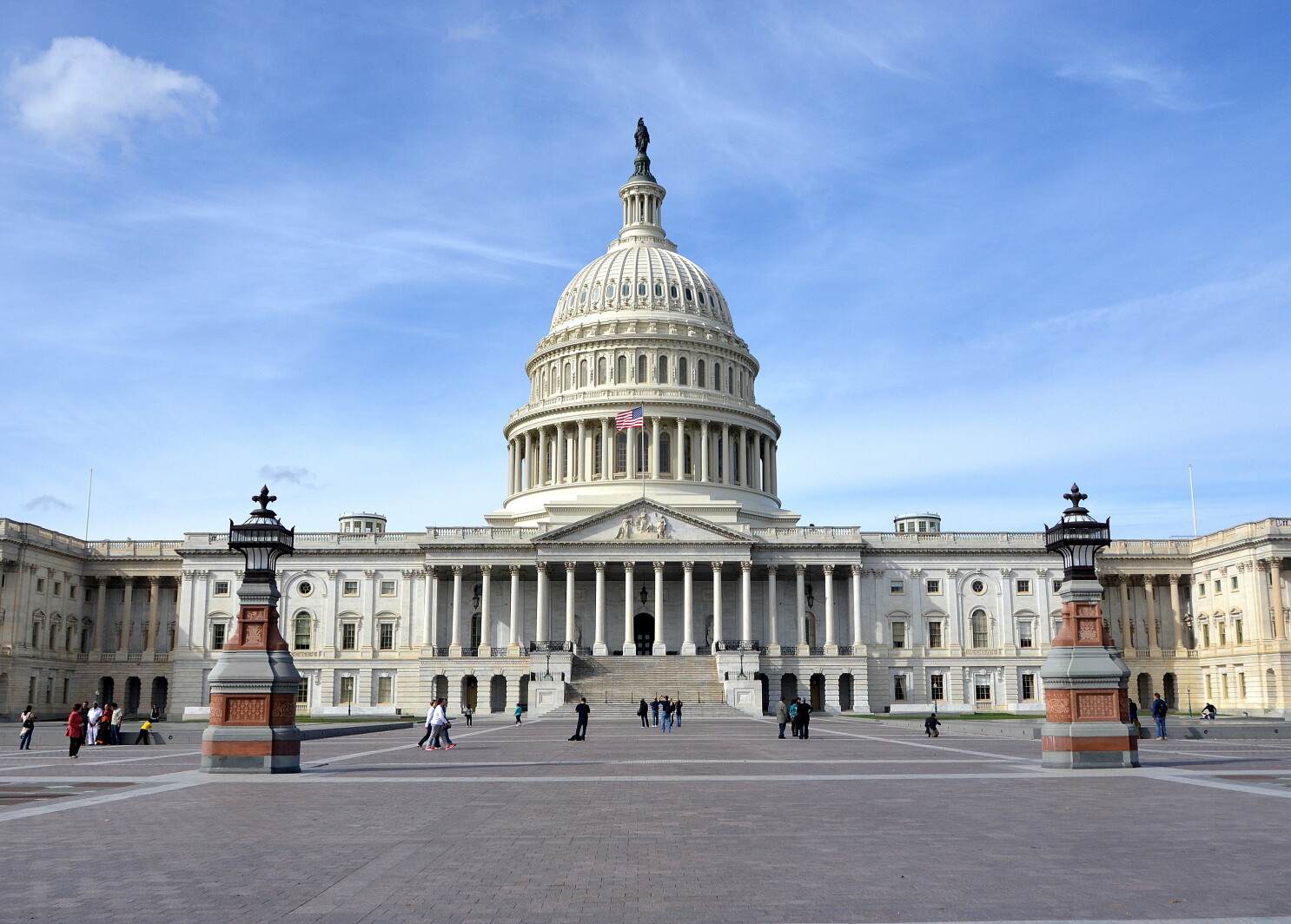
The Constitution assigns elections to the states first, and to the federal government second.
- Article I, Section 4 (the Elections Clause) gives state legislatures the power to set the “Times, Places and Manner” of congressional elections, while allowing Congress to “make or alter” those rules.
- Article II gives states the power to decide how they appoint presidential electors, within limits set by the Constitution and federal law.
- States administer voter registration, maintain voter rolls, run polling sites, count ballots, and certify results.
- The federal government steps in through constitutional amendments (for example, the 15th, 19th, 24th, and 26th), through federal statutes (like the National Voter Registration Act and the Help America Vote Act), and through federal criminal enforcement when conduct violates federal law.
This division of labor is why many election fraud cases are brought by state prosecutors under state law, even when a story later includes the words “DOJ” or “federal investigation.”
What “election fraud” includes
In ordinary conversation, “election fraud” can mean everything from a forged signature to a hacked voting machine. In criminal law, it is narrower: prosecutors charge specific acts that are spelled out in statutes.
Common categories prosecutors use
- Voter registration fraud: submitting false information to register, registering someone without permission, or using a fake identity.
- Double voting: voting more than once in the same election, including in two different states.
- Noncitizen voting: a noncitizen voting in an election where citizenship is required.
- Ballot fraud: forging signatures, altering ballots, destroying ballots, or submitting ballots on behalf of someone without lawful authorization.
- Vote buying and bribery: paying or offering something of value in exchange for a vote, a ballot request, or political support.
- Intimidation or interference: threats, coercion, or obstructing access to the polls.
- Fraud by election officials: misconduct in handling ballots, tabulation, or certification. This category is rarer but taken extremely seriously.
One important legal point: administrative mistakes are not automatically crimes. A typo on a form, a poll worker misunderstanding a procedure, or a database mismatch can be unlawful under election rules without being criminal fraud. Criminal cases require proof of the statutory elements, often including intent or knowledge.
Fraud vs. campaign finance
One frequent source of confusion is that “election misconduct” can refer to very different legal buckets. Many election administration crimes are handled through state prosecutors and, when federal contests are involved, the Department of Justice. Campaign finance violations are often civil matters handled by the Federal Election Commission (FEC), and they can exist without any claim that ballots were falsified or votes were stolen.
Can noncitizens vote?
For federal elections, the answer is straightforward: no. Federal law generally bars noncitizens from voting for President, Vice President, U.S. Senate, and U.S. House. One commonly cited statute is 18 U.S.C. § 611, which also includes specific exceptions and conditions.
The key word is “federal.” States and local governments have some room to define the electorate for purely local contests, but that room is narrower in practice than people assume.
Federal baseline
In a federal prosecution, the government generally must prove the person was not a U.S. citizen and that the vote was cast in an election for federal office, often with a showing of knowing conduct, subject to statutory exceptions. The exact elements depend on the charge and the facts.
State and local variation
Some local jurisdictions have experimented with allowing certain noncitizens to vote in specific local elections (for example, certain municipal contests), but that does not extend to federal races. Administration matters. If a voter casts a ballot that includes federal contests, or is issued a ballot style for an election that includes federal office, federal exposure can arise. Some election systems can issue local only ballots in limited circumstances, but the details depend on local law and ballot design.
At the state level, virtually all states require U.S. citizenship to vote in statewide elections, though the exact constitutional or statutory wording varies. That means the same episode can trigger state charges, federal charges, or both, depending on what was on the ballot and what conduct occurred.
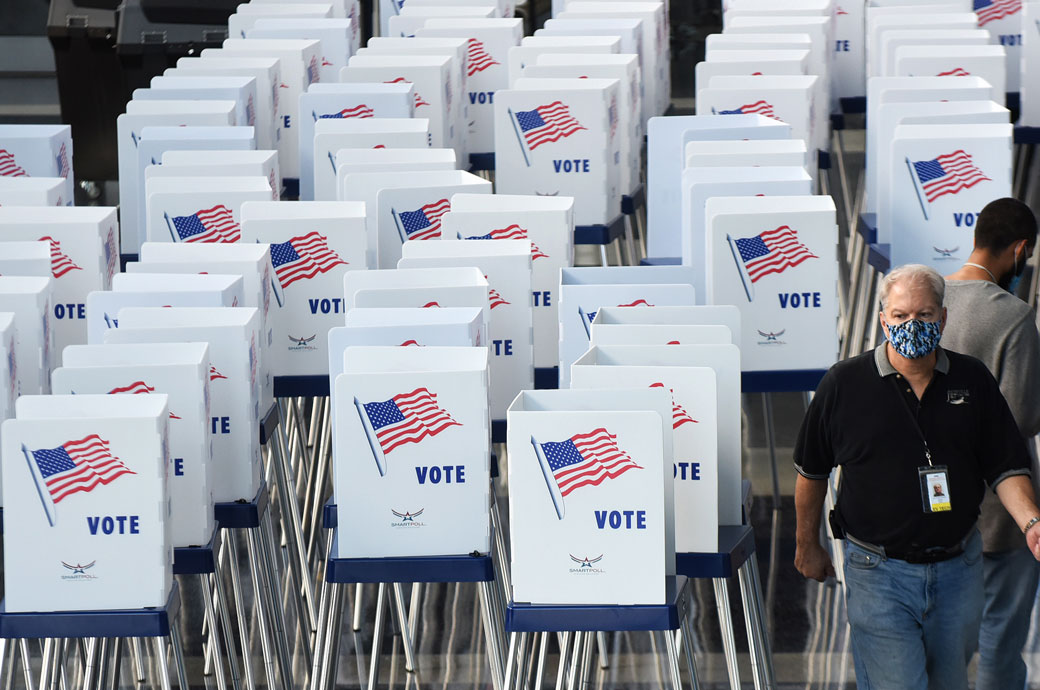
How these cases are prosecuted
Noncitizen voting cases tend to fall into a few repeat patterns, and the legal difference between them often turns on what the person understood when they registered or voted.
Pattern 1: False claim of citizenship on a registration form
Many states require applicants to affirm they are U.S. citizens when registering. If someone checks the citizenship box falsely, prosecutors can treat that as a false statement, a fraudulent registration, or both. If the person then votes, the conduct escalates.
Pattern 2: Voting after a paperwork mistake
Some cases arise when a noncitizen receives a driver’s license transaction that includes voter registration prompts, gets registered despite being ineligible, and later votes. These cases can be legally difficult because a defense may argue confusion or lack of the required mental state. Prosecutors often look for additional evidence: warnings on forms, prior notices, or repeated conduct that suggests the person understood the eligibility rules.
Pattern 3: Voting on a ballot that includes federal contests
If the ballot includes federal candidates, noncitizen voting becomes a federal issue. Even if the person says they intended to vote only in local races, casting a ballot tied to an election for federal office can create legal exposure.
In all three patterns, prosecutors rely heavily on documentary evidence: registration forms, ballot envelopes, signatures, poll books, DMV records, immigration status documentation, and interviews.
What DOJ does
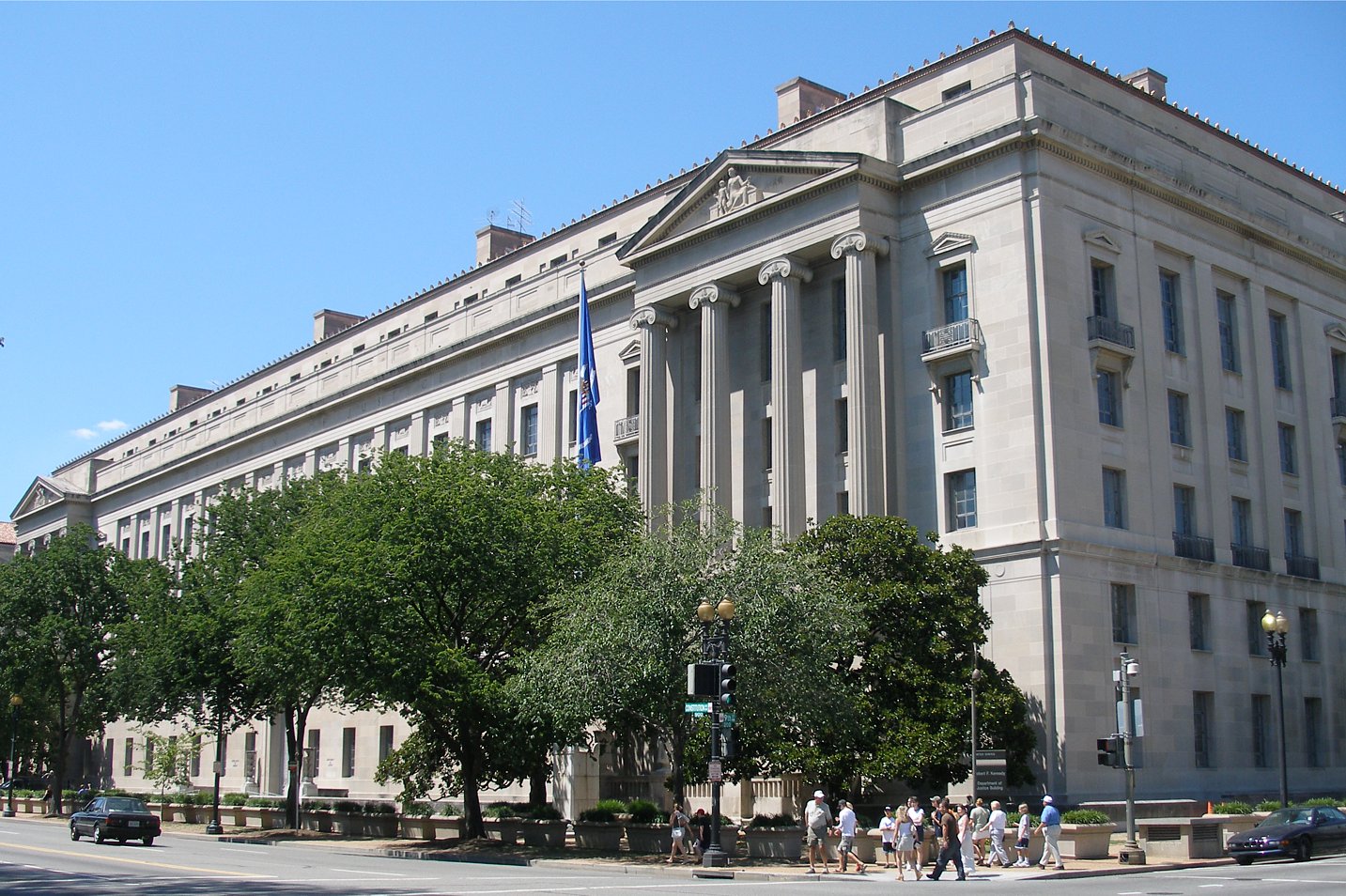
The Department of Justice (DOJ) does not run elections. It enforces federal law, and it does so through U.S. Attorneys’ Offices and DOJ components that specialize in public integrity and voting rights enforcement.
DOJ election cases usually involve one of these federal interests:
- Federal ballots: protecting federal elections from fraud, double voting, and interference. One statute sometimes implicated in registration and ballot related fraud affecting federal elections is 52 U.S.C. § 20511.
- Civil rights: enforcing protections against intimidation, discrimination, or unlawful barriers to voting. Depending on the conduct, federal civil rights charges can include conspiracy or deprivation of rights provisions such as 18 U.S.C. §§ 241 and 242.
- Public corruption: bribes, misuse of office, or official misconduct affecting election administration.
Just as important is what DOJ generally does not do: it does not announce criminal charges based on unverified online allegations alone. Federal prosecutors need admissible evidence and a chargeable statute. That constraint is why federal election cases often look smaller than the public imagination. They are built one defendant at a time.
Penalties
Penalties depend on the statute and the jurisdiction, but election fraud is not treated like a paperwork violation once it crosses into criminal territory.
Federal penalties (general ranges)
Many federal election offenses are felonies and can carry prison time, fines, and supervised release. Some offenses are misdemeanors. The maximum penalty depends on the specific statute, and sentencing depends on federal guidelines and the facts.
State penalties
States often criminalize the same underlying conduct under their own election codes: fraudulent registration, ballot tampering, forgery, impersonation, or conspiracy. Penalties range from misdemeanors to felonies, and may include:
- jail or prison
- fines and restitution
- loss of voting rights during incarceration or supervision in some states
- disqualification from holding certain public offices in some circumstances
Immigration consequences
For noncitizens, the consequences can extend beyond criminal sentencing. Unlawful voting and false claims to U.S. citizenship can trigger severe immigration penalties, including inadmissibility or removal, depending on the facts and the person’s status. This is one reason prosecutors and defense counsel treat these cases as high stakes even when the number of alleged illegal votes is small.
How common is election fraud?
Two statements can be true at the same time, and often are.
- Election fraud exists. People do forge signatures, vote twice, register improperly, and sometimes attempt organized schemes. The cases that get charged are not imaginary.
- Proven fraud is not the same as systemic outcome changing fraud. The United States runs elections through thousands of jurisdictions, and many use paper ballots or paper records with post election audits or recount procedures. Those paper trails and cross checks make large conspiracies harder to execute without leaving evidence.
The legal system is built to punish proved crimes and to demand proof before it declares an election invalid. That is why criminal prosecutions and election contests are distinct processes. One punishes the defendant. The other asks whether the election result is legally unreliable.
Overturning an election
Overturning an election is not the same thing as charging someone with a crime.
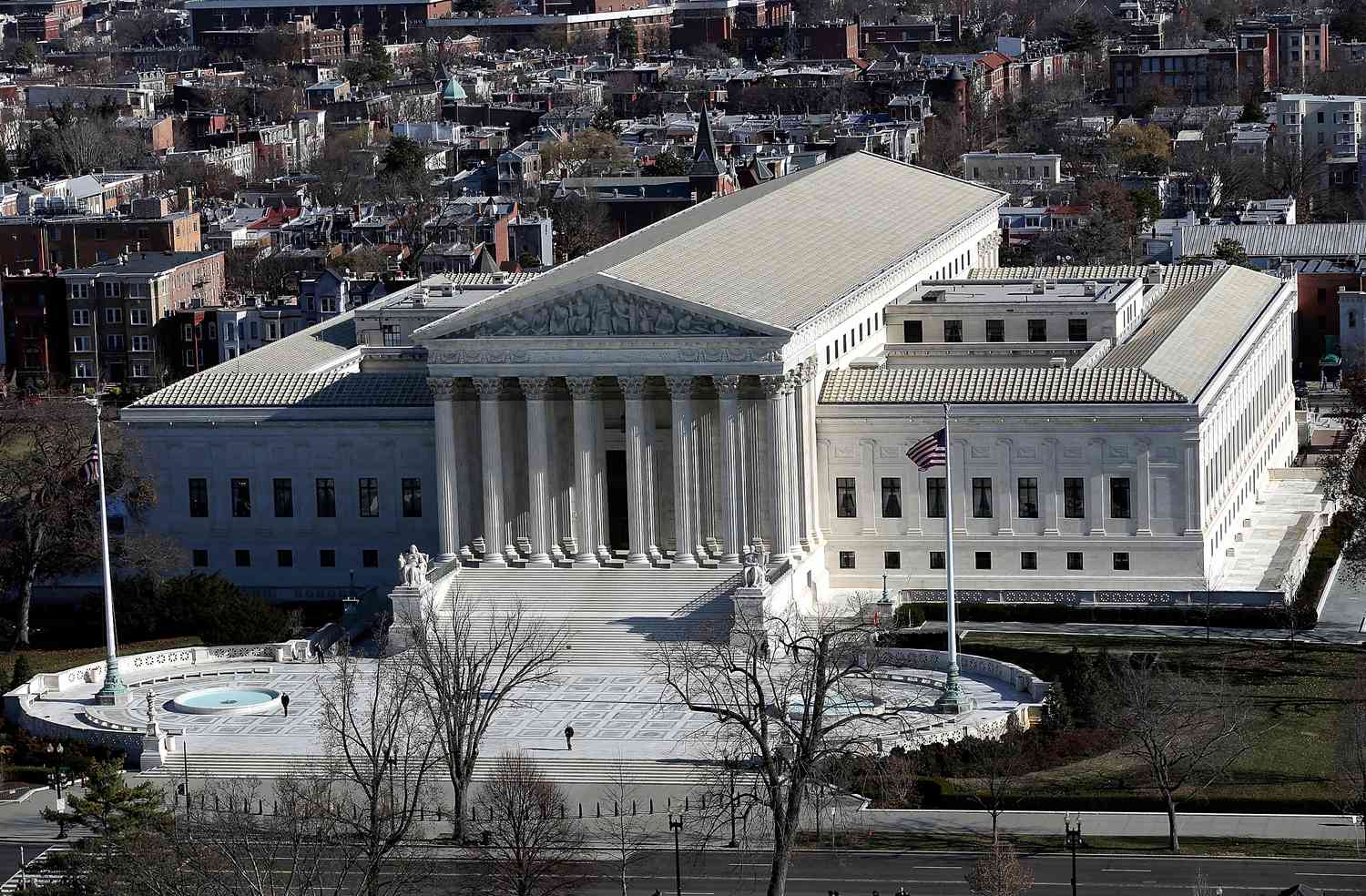
Criminal cases require proof beyond a reasonable doubt that a defendant committed the charged conduct. Changing certified results generally requires something else: a showing that irregularities were material under state law, that lawful procedures were not followed in a way that matters, and in many contexts that the number of affected votes could plausibly change the outcome.
Courts are also careful to separate fraud from errors and irregularities. A proven mistake in administering an election can justify a remedy under state election contest statutes even when nobody committed a criminal offense, and the reverse can also be true.
Courts are cautious here for an institutional reason: the Constitution and state law presume elections are valid once conducted and certified according to established procedures. The remedy for a close or contested election is structured litigation under state statutes, not a general allegation that fraud happened somewhere.
What to watch for
If you want to think clearly about election integrity, focus on details that courts and investigators can actually verify.
- What is the alleged act? Fraudulent registration, forged signatures, double voting, intimidation, ballot theft, official misconduct.
- Which election? Federal, state, or local. This determines jurisdiction and which laws apply.
- What is the evidence? Documents, signatures, surveillance, chain of custody records, witness testimony, digital logs.
- What is the legal outcome? An indictment, a plea, a conviction, a dismissal, or a civil finding. Arrests and accusations are not the same as proof.
Fraud cases piling up can mean multiple separate prosecutions of small scale misconduct, spread across states and election cycles. That matters for the rule of law, because each proven case is a breach of public trust. But it does not automatically answer the biggest question people tend to smuggle in: whether an entire election was illegitimate.
Bottom line
The Constitution sets the framework: states administer elections, Congress can regulate federal election procedures, and the federal government can prosecute federal election crimes. Within that framework, election fraud is real, but it is also legally precise. Noncitizens generally cannot vote in federal elections, and when cases arise, prosecutors focus on what election the ballot was for, what the person did, and what the evidence shows.
If you want an informed debate, start with the statutes, not the slogans. The law already has a vocabulary for these cases. Using it is how we keep election integrity from becoming just another word we yell past each other.