
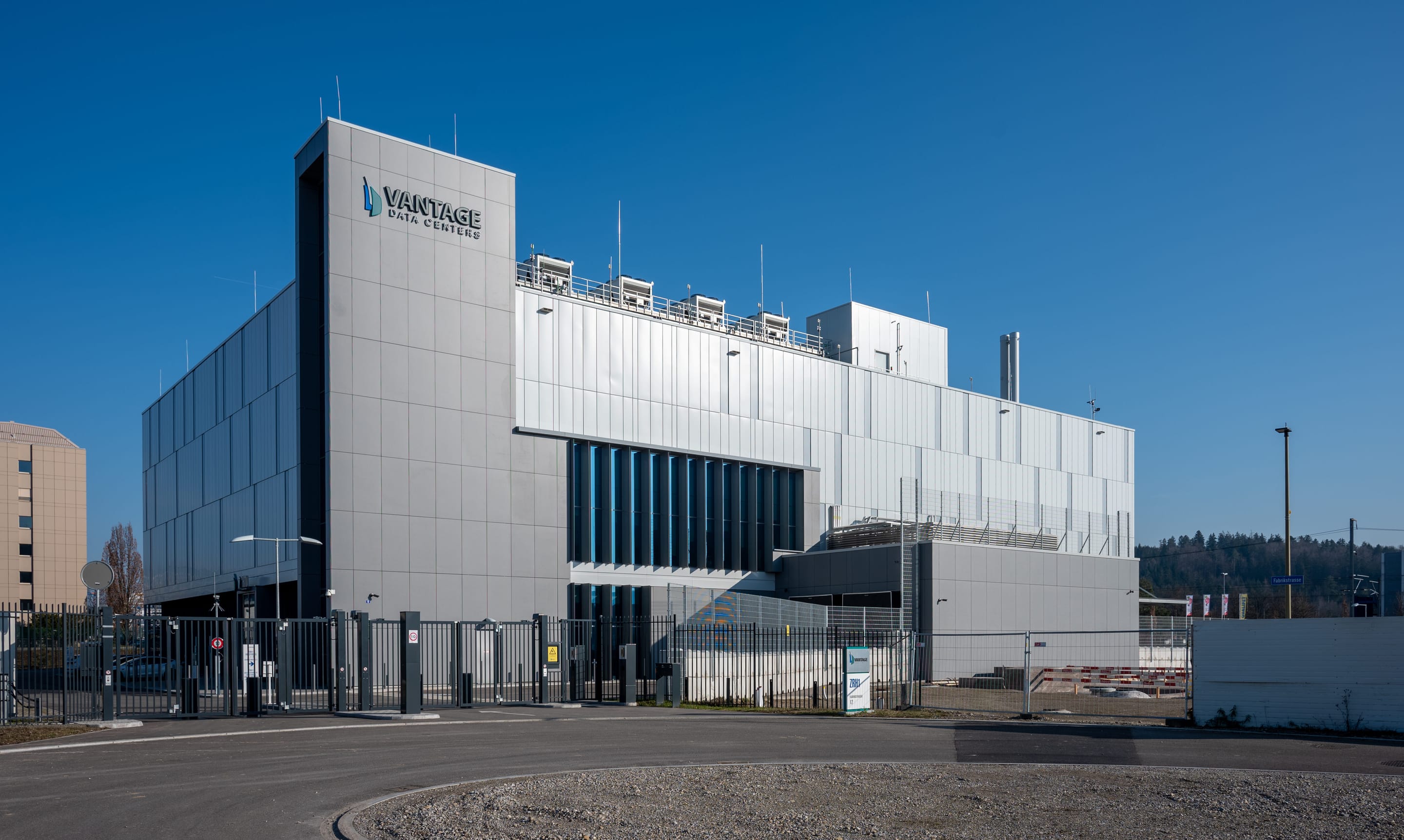
Data centers are the physical backbone of modern life. They store your photos, run your streaming, process card payments, train AI models, and keep cloud services online. They also use a lot of electricity, and not just for servers. The cooling systems can be just as power-hungry.
So the kitchen-table question is fair: does that new data center down the road raise my electric bill?
The honest answer is: it can, but not in a simple, automatic way. Whether households end up subsidizing data-center growth depends on a legal system most people never think about until the bill spikes: state utility regulation, federal oversight of interstate energy markets, and the rules utilities use to spread costs across customers.
Join the Discussion
Why data centers can affect rates
Electricity pricing is not like pricing for shoes or smartphones. You cannot easily switch the wires that bring power into your home, and the grid has to balance supply and demand in real time. That is why in many parts of the U.S., customers buy electricity from a regulated monopoly utility, or from a system where a utility still controls delivery even if there is retail choice for the generation supply.
When a data center arrives, three cost pressures often show up:
- New demand. A single large facility can draw power like a small city. If the region is already tight on generation, meeting that demand can raise wholesale prices, at least during peak hours.
- New infrastructure. Even if the country has enough generation in the abstract, you still need local substations, transformers, feeder lines, and sometimes major transmission upgrades to deliver power where the facility sits.
- Timing and risk. Utilities sometimes build ahead of need, based on forecasts and planning requirements. If a data center signs up and later scales back, ratepayers can be left paying for a stranded substation or an overbuilt line.
In many states, utilities recover approved investments through the rate base: regulators allow the company to charge customers enough to cover costs plus a permitted return. The reason that matters for your bill is simple. Once a big project is placed in the rate base, customers can pay for it over many years, not just once.
How rates are set
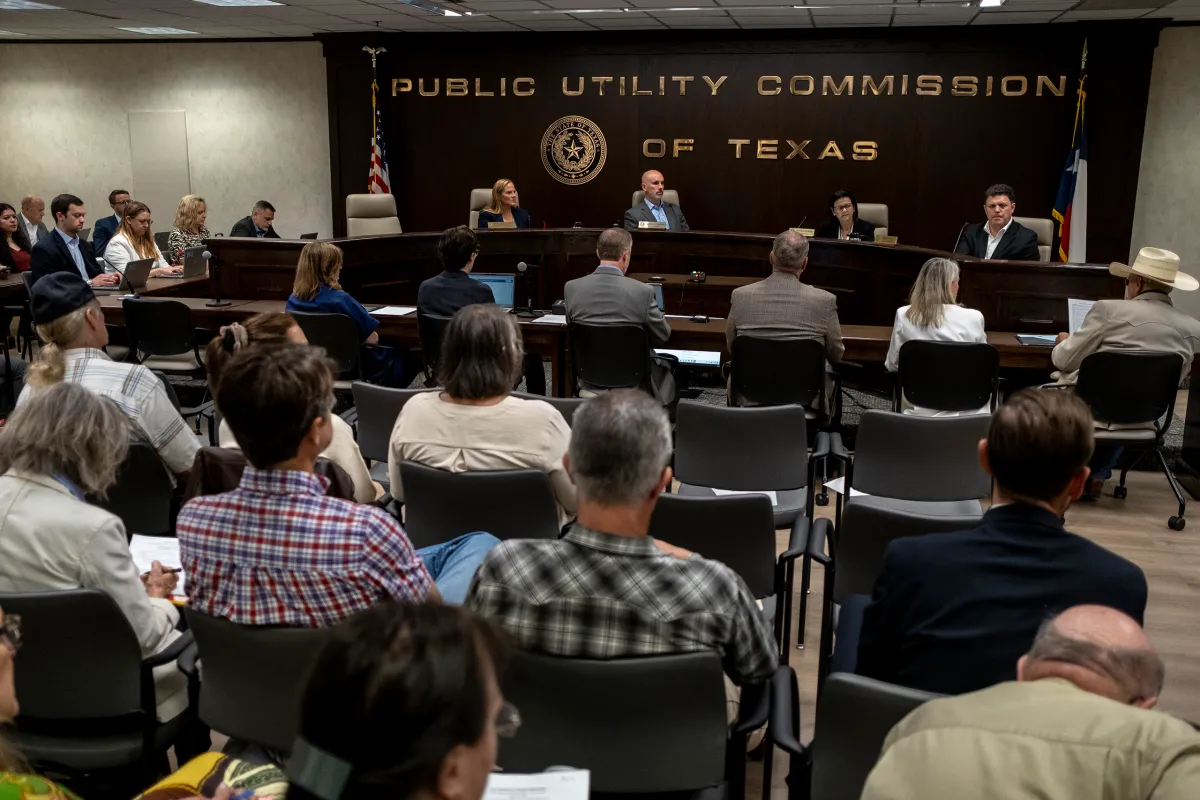
Most retail electric rates are set at the state level by public utility commissions, sometimes called public service commissions. They hold rate cases, review utility spending plans, and decide what costs can be charged to customers.
In plain terms, a utility must usually prove two things:
- The investment is prudent (a reasonable decision when it was made).
- The cost is just and reasonable to recover from ratepayers.
That sounds straightforward until you ask: “reasonable for whom?” If a data center requires, for example, a $200 million substation upgrade, regulators can allocate those costs in different ways. They might allow the utility to spread it broadly across all customers, or they might require special contracts, upfront payments, line extension fees, or separate rate classes so the biggest new load pays the biggest share.
Where the fights are
There is no single, active Congress-wide solution that determines whether data centers shift grid costs onto families. The real action is messier and more local.
Most of the high-stakes decisions happen in three places:
- State utility commissions, where utilities ask permission to build and recover costs through rates, and where intervenors argue about who should pay when a single mega-load drives the project.
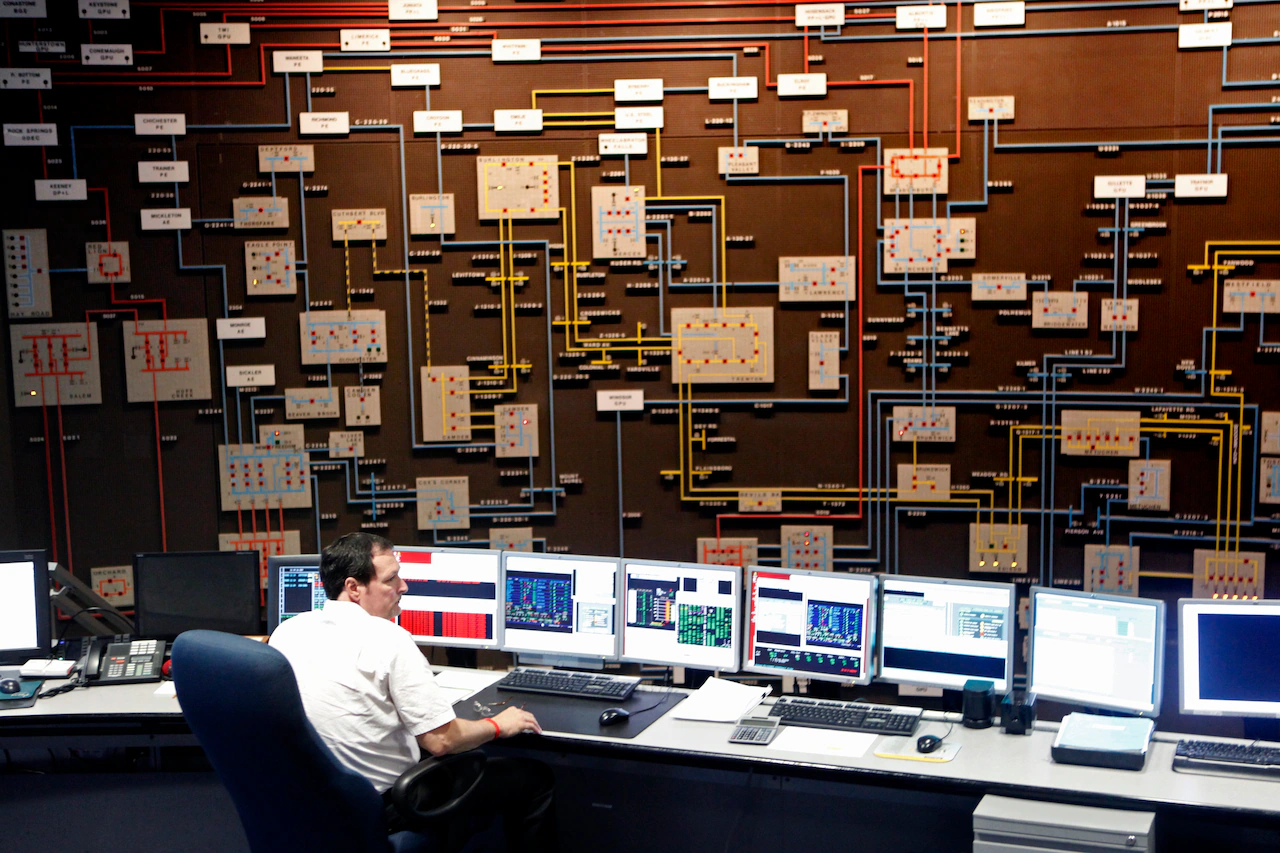
- Regional grid operators (often called RTOs or ISOs), which run wholesale markets and plan parts of the transmission system. Their rules can determine whether upgrades are treated as broad “network” needs or as customer-specific work. Not every region has an RTO or ISO. In much of the country, vertically integrated utilities and state regulators do more of this planning directly.
- FERC proceedings, where the federal government sets and reviews the rules for interstate transmission and wholesale markets. Disputes over interconnection, cost allocation, and “who benefits” often land there, especially when the load is so large it affects the broader regional system.
That is why you will see the headline question framed as a national affordability issue, while the actual legal tools are case-by-case: tariffs, contracts, commission orders, and FERC filings.
Federal and state lines
The Constitution never says the word “electricity.” What it does provide is a structure for power. And the rule of thumb looks like this:
- States traditionally regulate retail electric service: the rates households pay, local distribution infrastructure, and many utility planning decisions. This is part of states’ police powers, the broad authority to regulate for health, safety, and welfare.
- The federal government, through laws grounded in the Commerce Clause, regulates major parts of the interstate energy system: wholesale electricity markets, interstate transmission, and reliability for the bulk power system.
The agency you will see most often on the federal side is the Federal Energy Regulatory Commission (FERC). FERC’s jurisdiction is not “everything energy.” It is specifically tied to interstate transmission and wholesale sales, plus certain rules for regional grid operators.
This is why the legal architecture matters. A proposal to protect “ratepayers” has to navigate the difference between:
- Retail rates (mostly state)
- Wholesale rates and transmission cost allocation (federal, in many cases)
Congress can shape incentives, reporting, and conditions within federal jurisdiction. But the day-to-day rulemaking about what shows up on your monthly bill usually happens in state capitals, not in Washington.
Who pays for upgrades
There is a reason regulators fixate on upgrades rather than on the mere fact that data centers use electricity. The grid is a shared network, and shared networks create shared bills unless rules are written to prevent it.
Utility regulation has long used a concept that sounds technical but is basically a fairness principle: costs should follow benefits and causes. When a utility builds a new line because a neighborhood is growing, spreading costs across many customers can make sense because many customers benefit. But if the driver is a single, identifiable mega-load, spreading costs broadly can look like a cross-subsidy.
Two additional wrinkles complicate “who pays”:
- Reliability vs. expansion. Utilities can argue that an upgrade improves reliability for everyone, even if it was triggered by a data center request. That can justify broad cost recovery.
- Economic development deals. States and localities sometimes compete for data centers with tax incentives. If those incentives exist alongside rate structures that socialize infrastructure costs, households can end up subsidizing growth twice: once through foregone tax revenue, and again through rates.
A concrete example
To make this less abstract, here is a common pattern regulators and grid operators are dealing with right now.
A large-load customer requests service. The utility or regional grid operator studies what upgrades are needed. The key label fight follows: are the upgrades customer-specific (so the new customer should fund most of them), or network upgrades (so costs are spread more broadly because the work is said to support the wider system)?
That classification is not just semantics. It is often the difference between a project being paid through a special contract and a project being rolled into general rates over time.
Does it raise your bill
It depends. Here are the most common pathways, and why the outcome differs by state and utility:
- If your utility has ample capacity and no major new build is needed, the immediate effect on your retail bill may be minimal.
- If new infrastructure is needed and regulators allow broad cost recovery, residential rates can rise over time as those investments enter the rate base.
- If the data center signs a special tariff or contract that covers expansion costs, households may be largely protected.
- If wholesale market prices rise in a tight region, utilities that buy power on the market can face higher costs, which can eventually flow to customers depending on the state’s rate design.
That is why national headlines can feel confusing. People are looking for a single national rule, but the U.S. grid is governed through a layered system of state commissions, regional grid operators in some regions, federal oversight, and private investment.
Why FERC keeps coming up
If states set retail rates, why does FERC show up in so many data-center power stories?
Because the largest loads often collide with the parts of the system that are interstate by design:
- Interconnection and transmission. Even if a data center connects “locally,” the upgrades needed to maintain system reliability can be planned or paid for under regional transmission tariffs that fall under FERC oversight.
- Wholesale market impacts. In RTO regions, big new demand can change how often certain generators run, which affects market prices and congestion patterns that ripple outward.
- Cost allocation disputes. When a project is labeled a broad network upgrade, costs are more likely to be spread. When it is labeled customer-driven, more of the bill can be pinned to the new load. The arguments over labels can become formal disputes in FERC dockets.
So while your state commission may decide what shows up on your bill, FERC can influence the upstream rules that shape the underlying costs utilities bring home.
Accountability
When your bill rises, the statement rarely tells you why. It does not say: “$4.12 of this month’s total is attributable to substation upgrades serving a new large-load customer.” It says: “Total due.”
That opacity is why ratepayer protection proposals are often less about punishing a particular industry and more about forcing a clear answer to three accountability questions:
- What costs are being incurred?
- What caused them?
- Who is being assigned to pay?
Those questions are not partisan. They are the basic due diligence a regulated monopoly system is supposed to provide, because customers cannot simply take their business elsewhere.
What to watch
If you want to know whether data-center growth will show up in household rates, the early warning signs are procedural. They show up in filings, dockets, and tariff revisions long before they show up in a bill insert.
- State commission dockets on large-load tariffs. Watch for proposals that create new rate classes for data centers, require minimum bills, demand security deposits, or impose line-extension and substation charges tied to the customer that triggered the build.
- Utility integrated resource plans and distribution filings. Even when a case is not labeled “data center,” load forecasts can quietly drive new generation contracts and wire upgrades.
- RTO queue and planning changes. In regions with RTOs, watch for rule changes on how upgrades are classified and how long it takes to connect new load.
- FERC cost allocation disputes. When parties fight over whether an upgrade is “regional” or “customer-specific,” that fight is often a proxy for the question households care about: will costs be broadly socialized or narrowly assigned?
If you want to do more than watch, you can. Most commissions let the public sign up for docket notices, and many rate cases have consumer advocates or public-interest groups participating as intervenors. Those are often the people pressing hardest for clear cost-causation rules.
Bottom line
Data centers do not reach into your wallet directly. The grid does. And the grid is governed by a blend of state rate regulation and federal oversight of interstate markets.
If policymakers want to stop household bills from absorbing data-center-driven costs, they have two jobs at once: craft rules that match cost causation, and apply them within the constitutional boundaries between state and federal power. That work is already underway, but it is happening in commission hearing rooms, utility filings, regional grid rulebooks, and FERC dockets, not in one clean, national bill.
Whether households are protected will depend on the details, and on whether regulators can be made to answer the simplest question in the room: when the next mega-load plugs in, who gets the bill?