
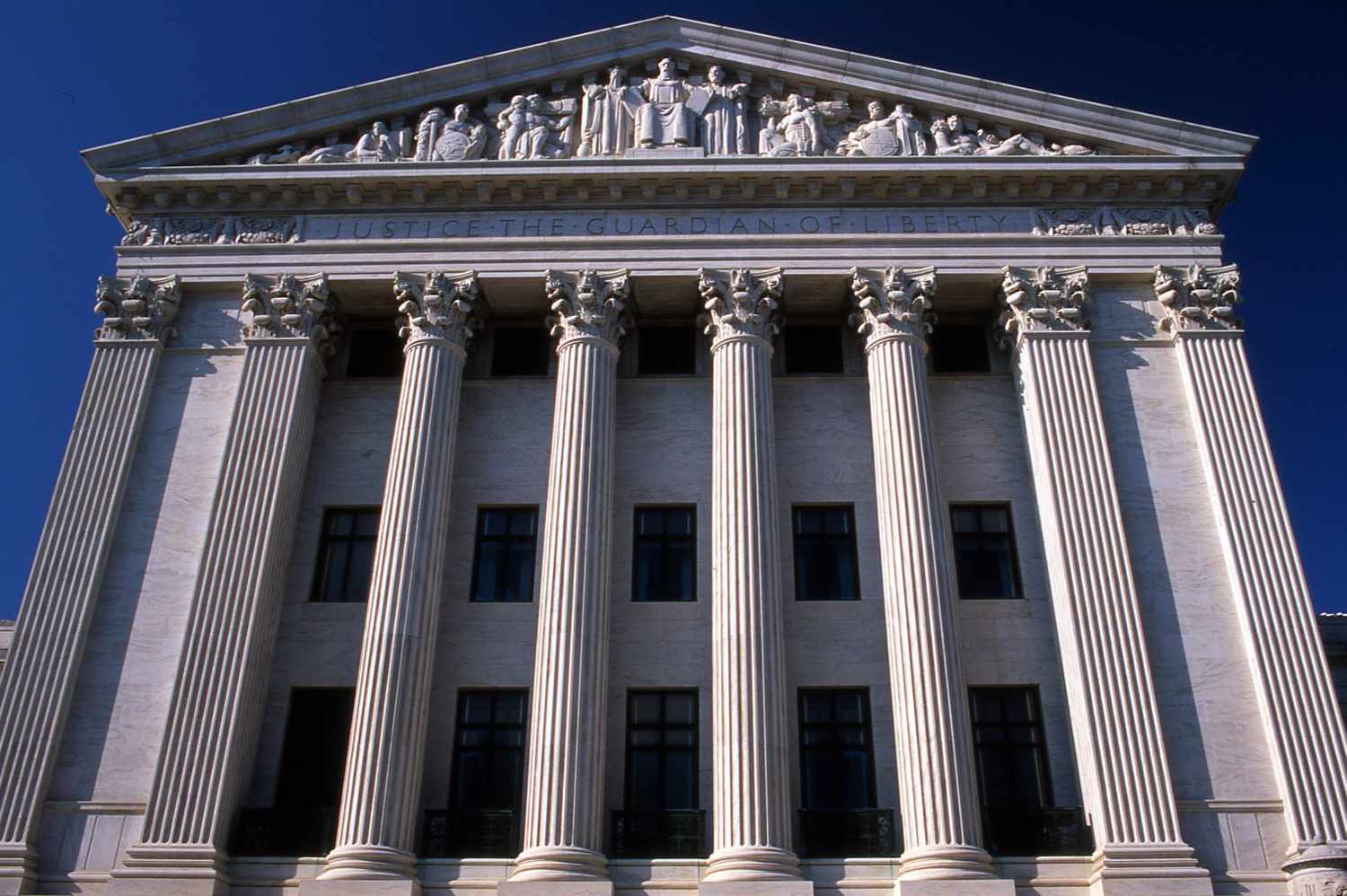
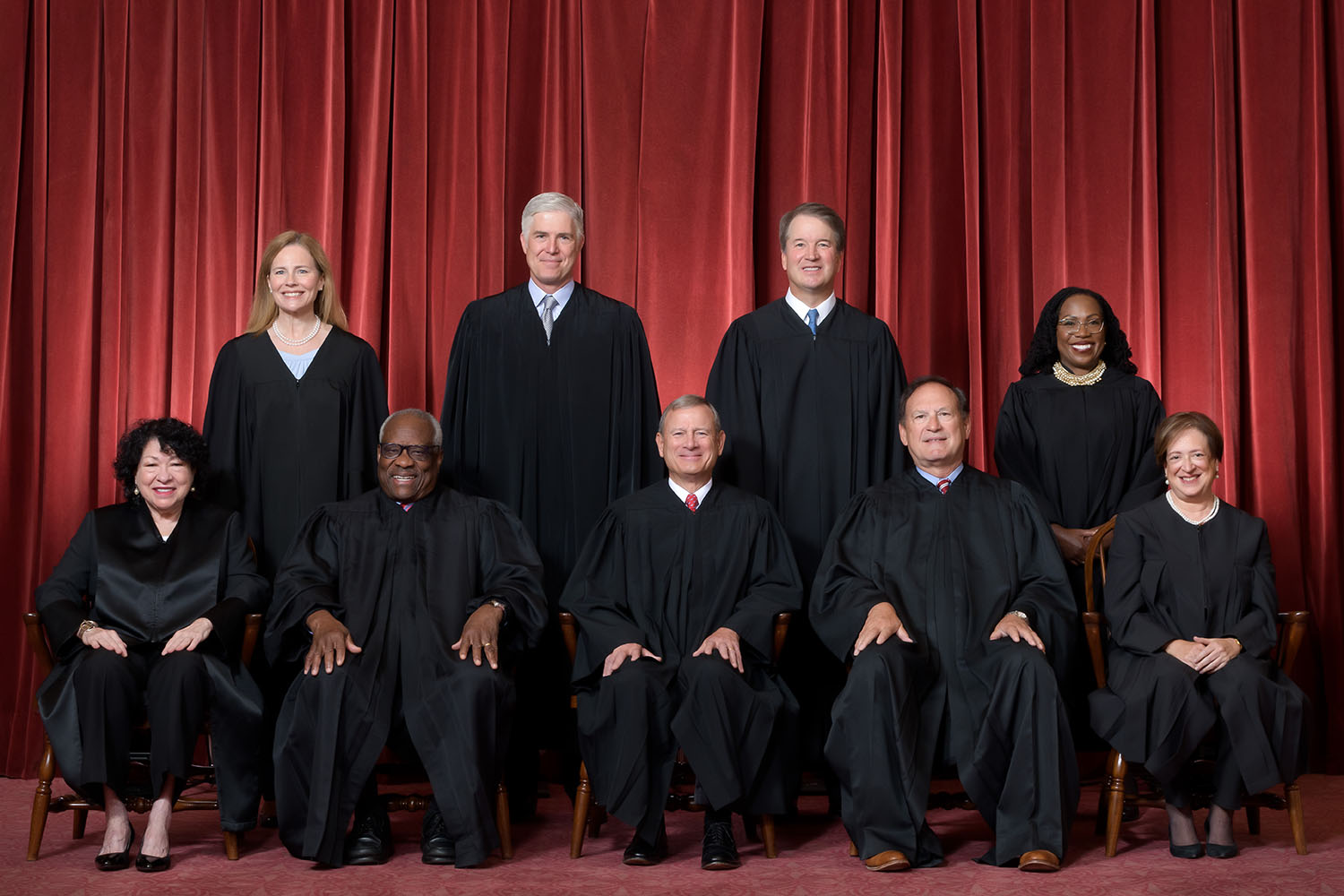
Most Americans picture Supreme Court power as nine robed justices, isolated from politics, deciding cases by pure legal reasoning. That is the civics-book version.
The working reality is more practical. The Court is a small institution, and it relies heavily on a small group of law clerks in each chamber to help manage the Court’s daily work.
That reality is why a new round of “clerk cartel” claims has landed with such force. When people say “cartel,” they are not talking about a secret handshake. They are talking about a pipeline, a network, and a set of incentives that can shape who gets close to the Court and, over time, what kind of Court the public ends up with.
Join the Discussion
What clerks do
Clerks are not decorative. They are an extension of a justice’s capacity. In chambers, clerks research doctrine, summarize records, draft bench memos, and help prepare for oral argument. They can also help craft opinion language, including language that later becomes controlling law for the entire country.
That does not mean clerks decide cases. Justices decide cases. But it does mean clerk selection is not a human-resources footnote. It is part of how the Court governs itself.
In a system where five votes can redefine a right, the people who help build the legal scaffolding around those votes matter more than the public tends to admit.
Why “cartel”
The “cartel” critique is a charge of concentrated gatekeeping. Supreme Court clerkships are among the most coveted credentials in American law, and they often flow through a relatively narrow set of feeder judges, schools, and professional networks.
Once you notice that pipeline, you start to see what it can do, even without anyone acting in bad faith:
- It can narrow the talent funnel. If the market overvalues a tiny set of résumé signals, the Court may miss capable candidates with different professional paths.
- It can reinforce ideological sorting. Feeder systems can produce lawyers who are pre-aligned with particular interpretive communities, not just on outcomes, but on what arguments feel “serious.”
- It can create a compounding credential. Former clerks often go on to roles in appellate litigation, academia, and government, then return to the Court as repeat players.
This is analysis, not a claim that the Court is captured. The point is simpler: the hiring pipeline is a power node, because it influences who does the drafting, who gets trained, and who becomes a trusted voice in the Court’s ecosystem.
A visible tension
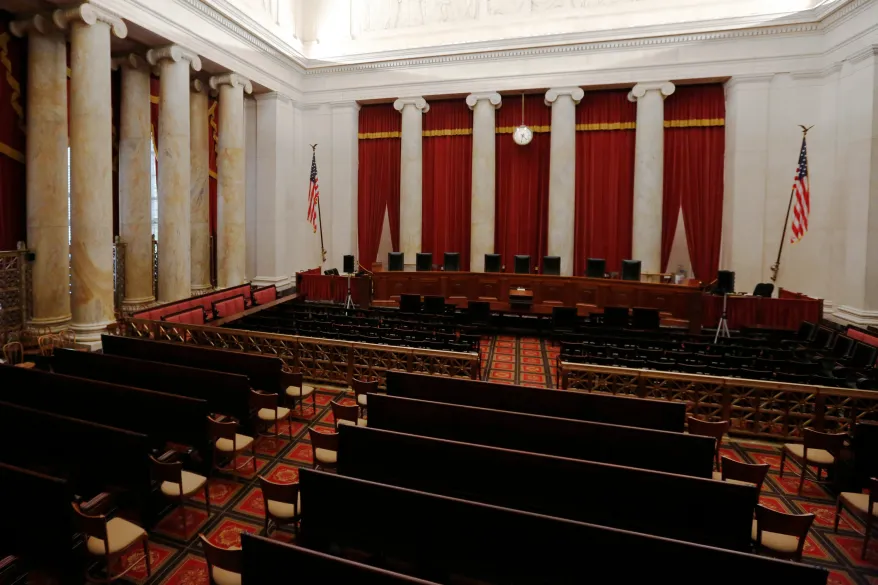
The Constitution creates “one supreme Court,” but it does not design a modern hiring ecosystem around it. Article III tells us who holds judicial power. It does not tell us how much of that power will be expressed through delegation, drafting, and internal negotiation shaped by a rotating cast of recent graduates.
This is not automatically a scandal. It is an institutional reality. But it becomes a legitimacy stress test when the public starts to suspect the Court is a closed loop: clerks become advocates, advocates become judges, judges become feeders, feeders select clerks, and the legal culture tightens around itself.
Even if every actor is brilliant and ethical, a closed loop can feel brittle. Not necessarily because the law is wrong, but because the process looks inaccessible and self-perpetuating.
Three reforms
Legal scholar Josh Blackman has argued the justices can adopt internal reforms on their own, and he wants clerk hiring and clerk culture in the crosshairs. “In short, I want to break the cartel.”
His proposals are framed as unilateral steps the justices could take without changing the number of justices or how they decide cases. The broader pitch is that internal, independence-preserving reforms can reduce the temperature around external reform fights.
1) Two years of public-interest work
The proposal: after finishing their clerkship, clerks should spend two years in government service, a nonprofit, or other public-interest work.
The civic idea is straightforward: clerkships are publicly funded proximity to public power. A period of service would treat that access less like a prize and more like a responsibility.
The hard question is enforceability and fairness. The Court could set hiring conditions, but it would be stepping into life-planning territory that may deter some candidates and raise practical questions about who can afford two years at public-interest wages.
2) Justices on lower courts
The proposal: the justices should spend part of their time working in the courthouses across the country.
This would not change Supreme Court jurisdiction. It would change exposure. More regular contact with lower-court realities can make appellate doctrine less abstract, and can highlight how hard it is to apply clean rules to messy records and procedural surprises.
3) No cross-chambers case talk
The third proposal is, in Blackman’s words, “the most draconian”: clerks should be barred from talking about cases with anyone in other chambers.
The point is to prevent informal clerk-to-clerk negotiation from becoming a shadow channel of influence. If a justice wants to persuade another justice, the theory goes, that persuasion should run through the justice.
But there is an obvious tradeoff. The Court is small and time-pressured. Limiting cross-chambers communication could reduce accuracy and slow consensus-building, especially in complex cases where misunderstanding the record is easy and expensive.
Drafting is power
When the Court decides a case, the headline is the holding. The lasting power is the reasoning. And reasoning is written.
This is where clerkships can quietly shape constitutional reality. A single sentence defining a standard of review, reframing a right, or narrowing a precedent can change what lower courts do for decades. The Constitution does not announce those sentences. Human beings write them.
So the clerk “cartel” debate is not really about whether clerks are too influential. It is about whether the Court’s writing process is too concentrated inside a professional ecosystem that reproduces itself.
What the Court can do
Some proposed changes to the Supreme Court are external: term limits, jurisdiction rules, ethics enforcement mechanisms. Those usually require legislation or constitutional change.
Clerk rules are different. The Court can revise internal practices on its own. That is why these proposals matter, even to readers who do not track Court reform: they are a test of self-governance.
Blackman’s stated hope is that these ideas “generate discourse and debate,” and he argues they should draw bipartisan support because they do not change how many justices there are or how they decide cases. He also contends that if the justices take the initiative to adopt reforms, “the impetus for external reform will decline.” In his view, the justices should not be bystanders in debates about Supreme Court reform.
What to ask
This debate is not just insider baseball. It is about how a constitutional court maintains public confidence without becoming political theater.
- How much does an elite hiring pipeline shape the Court’s output?
- Does the clerkship credential create a self-reinforcing class of repeat players?
- Can the Court increase public trust without sacrificing the quality and speed of its work?
The Constitution does not require the Court to be popular. It does require the Court to be legitimate. Legitimacy is partly doctrinal, but also procedural and cultural. A Court that feels sealed off will eventually be treated like it is sealed off.
Where I land
Calling it a “cartel” is inflammatory, but it forces an uncomfortable truth into the open: clerkships are a power node. They are not the power, but they channel it.
Blackman’s package is valuable not only because of its specifics, but because of its premise: the Court can tighten its own practices without surrendering independence or waiting for Congress. Whether you agree with any particular reform, the larger point is hard to dodge. Institutions drift when their internal incentives go unscrutinized.
If you want a civics lesson that feels real, not ceremonial, start here: the Supreme Court is not only what it decides. It is how it decides, who gets to help decide, and what kinds of legal careers that invisible apprenticeship builds.