
The U.S. Constitution
Archival records, profiles, and educational resources since 1995.
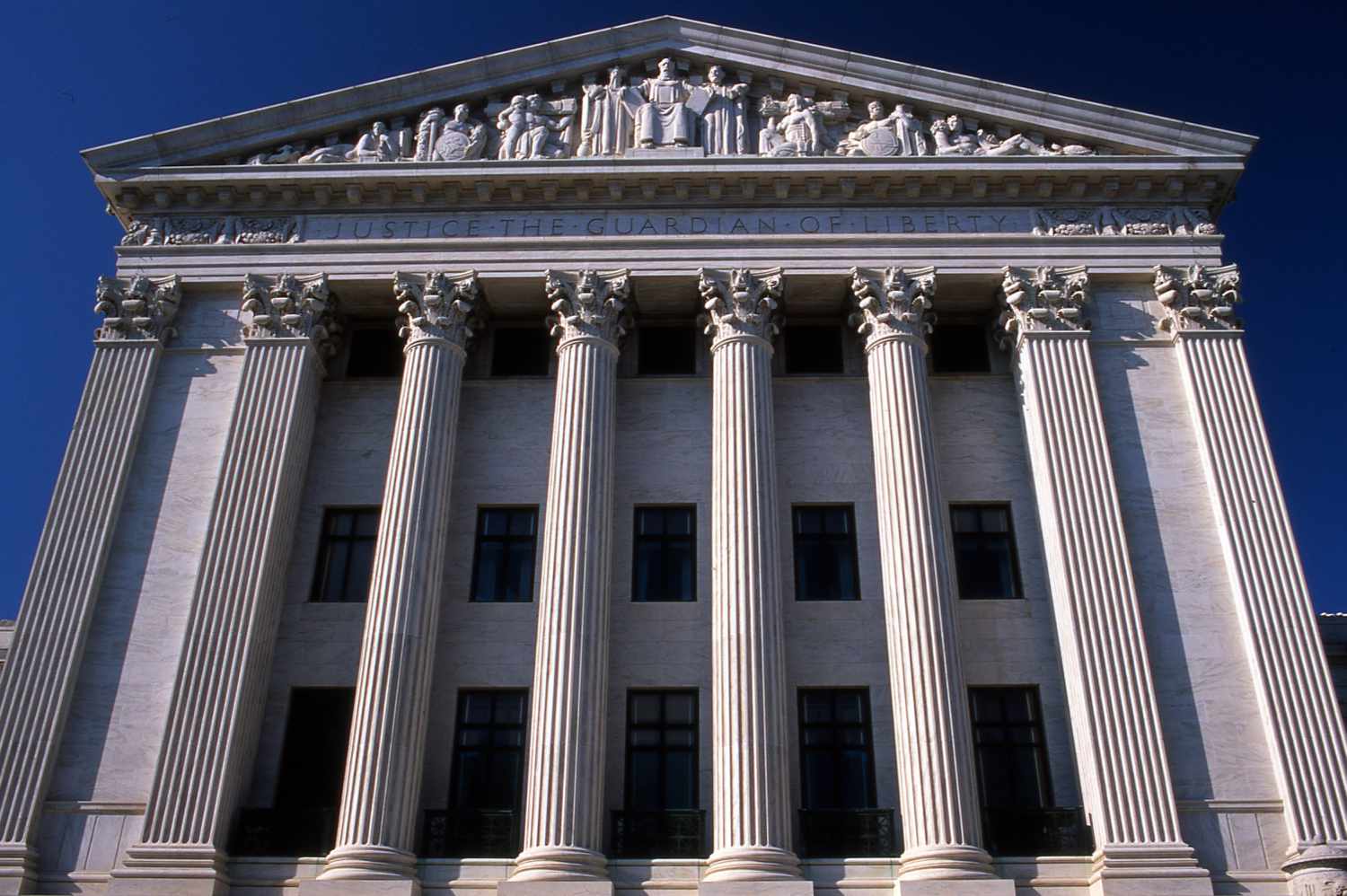
Supreme Court Takes Up a Big 401(k) Question
When most people think about the Supreme Court, they picture headline-grabbing disputes about elections, speech, or criminal law. But this week the justices devoted serious time to something far more common in everyday life: a workplace retirement plan. The case in front of the Court, Anderson v....
Read more →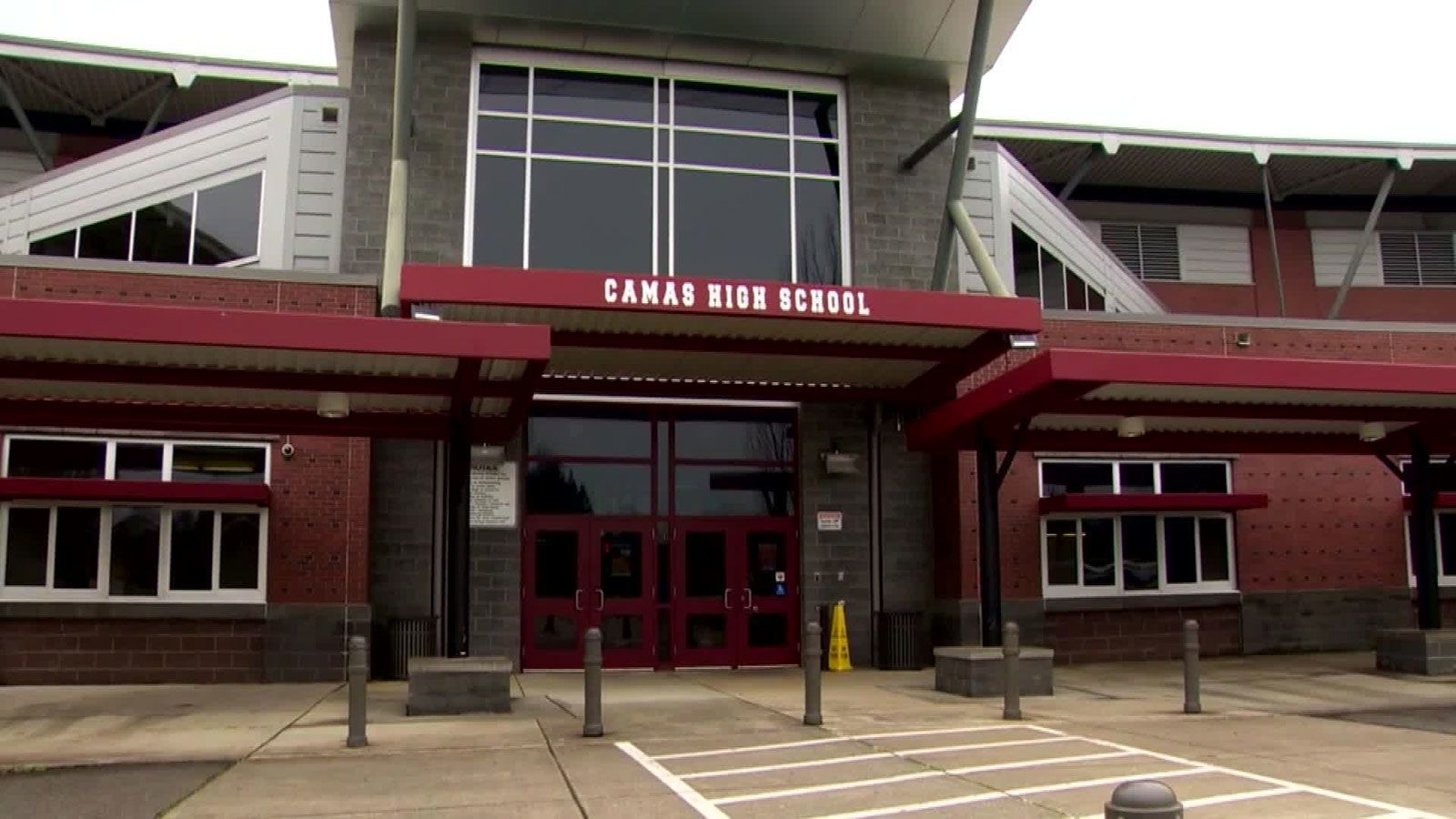
Dad Says He Was Banned After Protest at Cross Country Meet
A dispute over high school cross country eligibility rules in Washington state led to a protest at a Sept. 15 meet and later resulted in a criminal trespass notice that bars one parent from school district property for a year. Joel Retzlaff was served with a criminal trespass notice keeping him off...
Read more →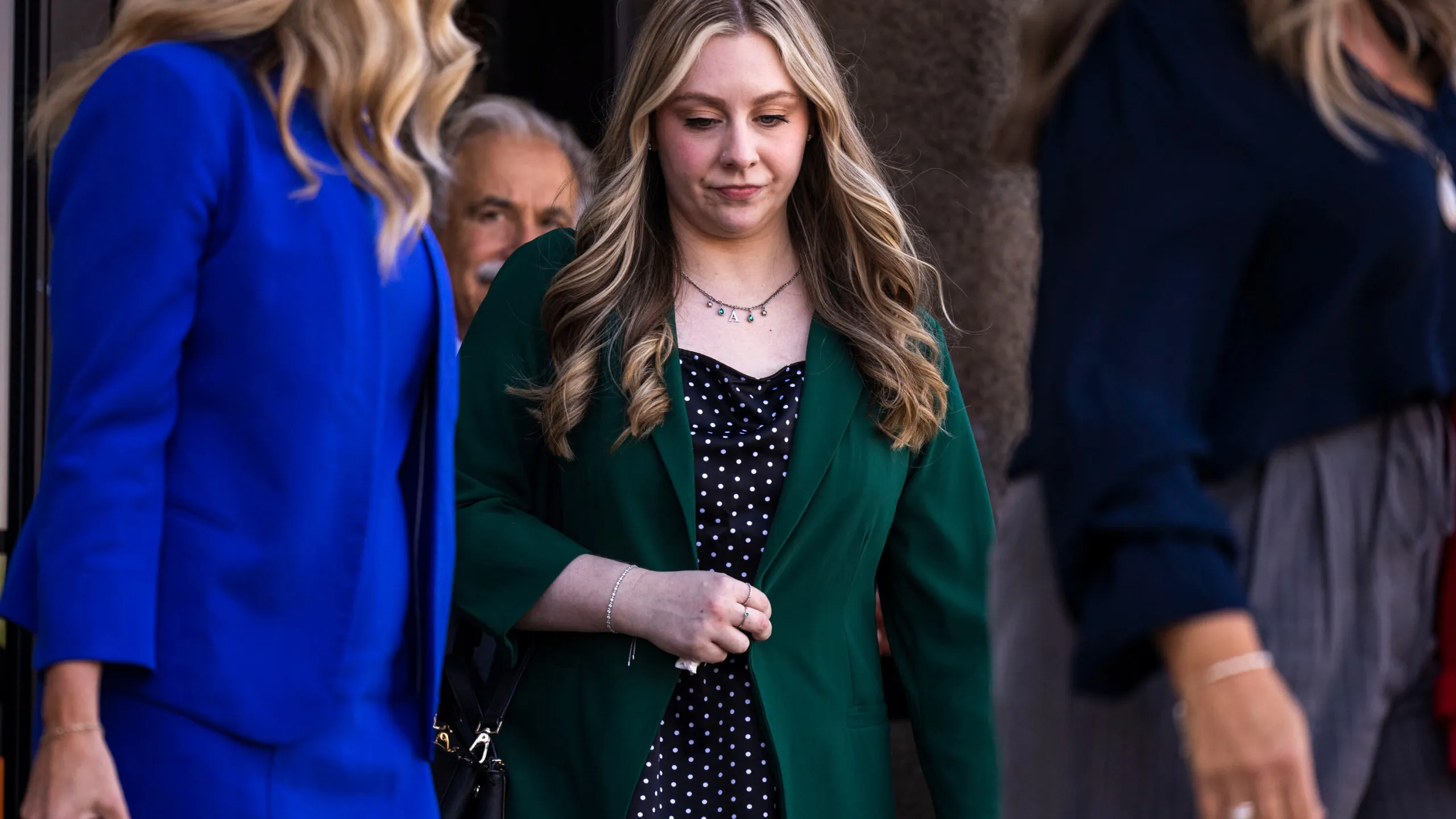
New Video Shows 6-Year-Old’s Defiance After Virginia Classroom Shooting
Newly released body camera video from Newport News, Virginia shows the moments after the Jan. 6, 2023 shooting at Richneck Elementary School, when a first-grader shot his teacher, Abigail “Abby” Zwerner. In the footage, the 6-year-old curses at officers as they try to locate the gun and secure the...
Read more →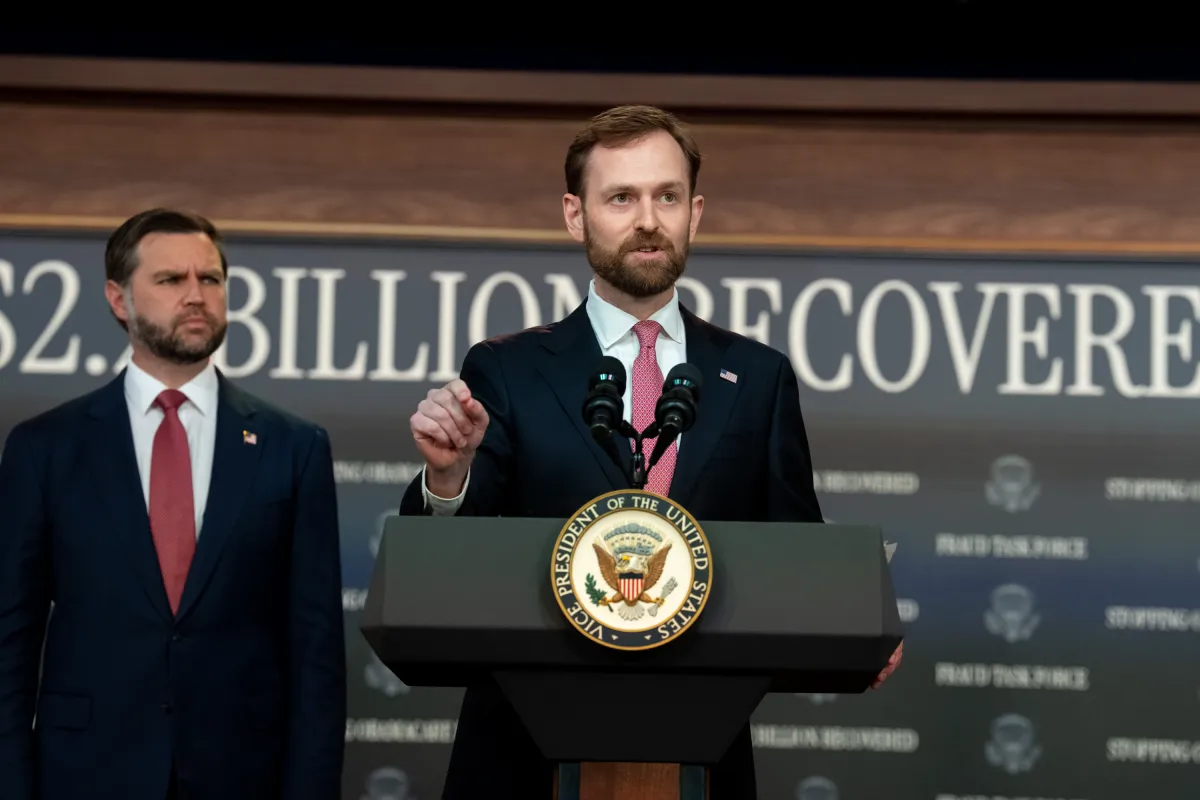
Trump Administration Suspends Microsoft From Green Card Track, Alleging Fraud
President Donald Trump’s administration is suspending Microsoft from a program that allows employers to apply for green cards for workers who come to the United States to live and work using H-1B visas , while accusing the company of fraud . Vice President JD Vance announced the move at the White...
Read more →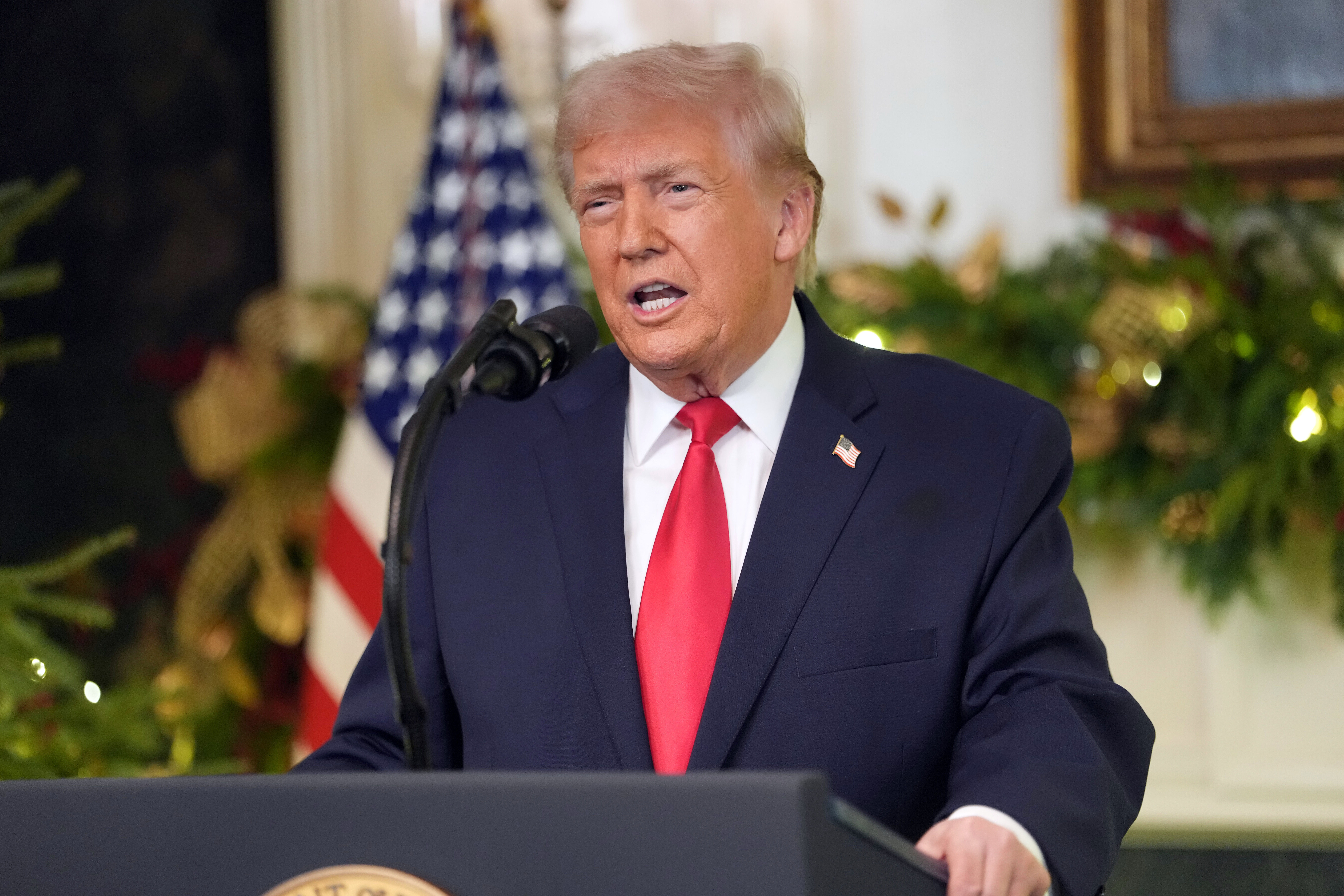
Trump’s ‘Super Intelligence’ Order and the Politics of Language
Presidents have always loved naming things. Wars become “operations.” Agencies get new acronyms. Policies are baptized in patriotic phrasing and released into the bloodstream of government paperwork. But President Donald Trump just pushed the naming instinct into a more combustible place: everyday...
Read more →
Willie Nelson Endorses James Talarico for Senate
You can learn a lot about American politics by watching who decides to speak plainly, and when. This week, Willie Nelson did just that: a short video, a familiar face, a kitchen table setting, and a direct appeal to Texans about the next U.S. senator. Nelson has officially endorsed Democrat James...
Read more →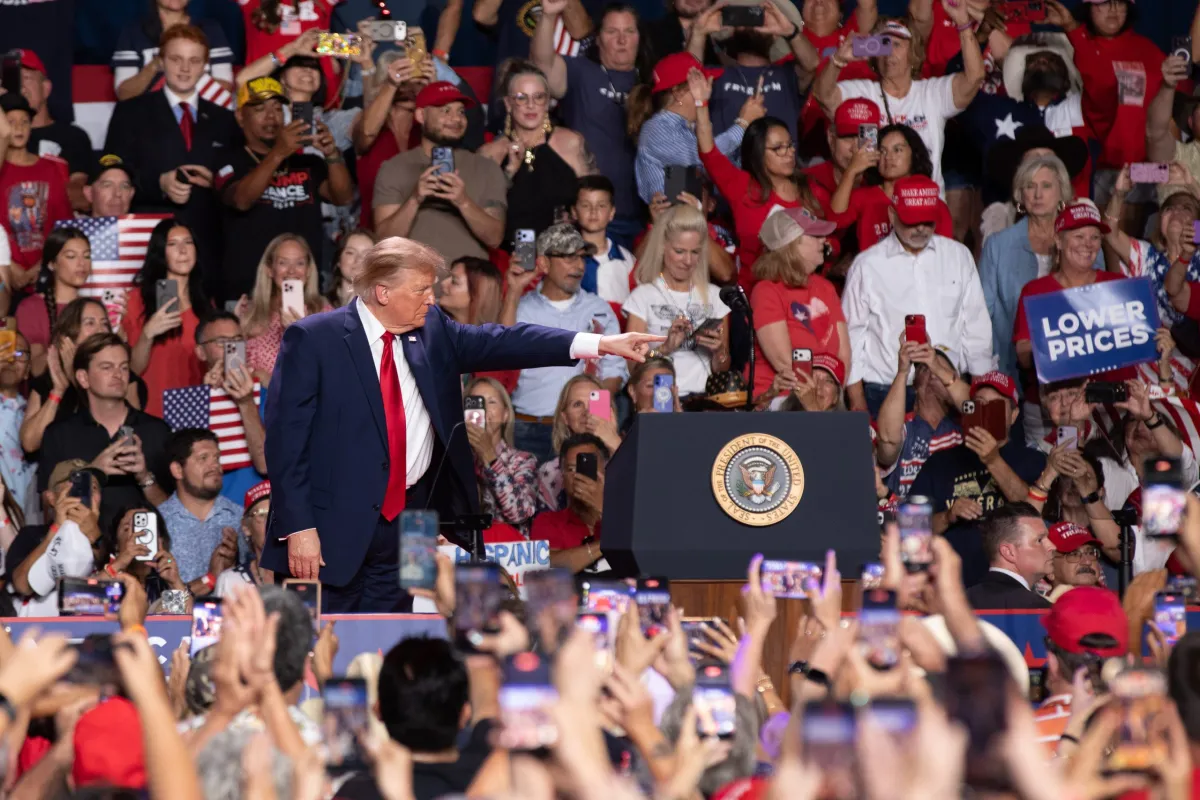
Trump Rally Interrupted in San Antonio
When President Donald Trump took the stage at Freeman Coliseum in San Antonio on Oct. 7, 2026, he was there to rally support for Republican Texas Senate nominee Ken Paxton ahead of November's midterm elections. The night was repeatedly interrupted, and Trump folded the disruptions into his message....
Read more →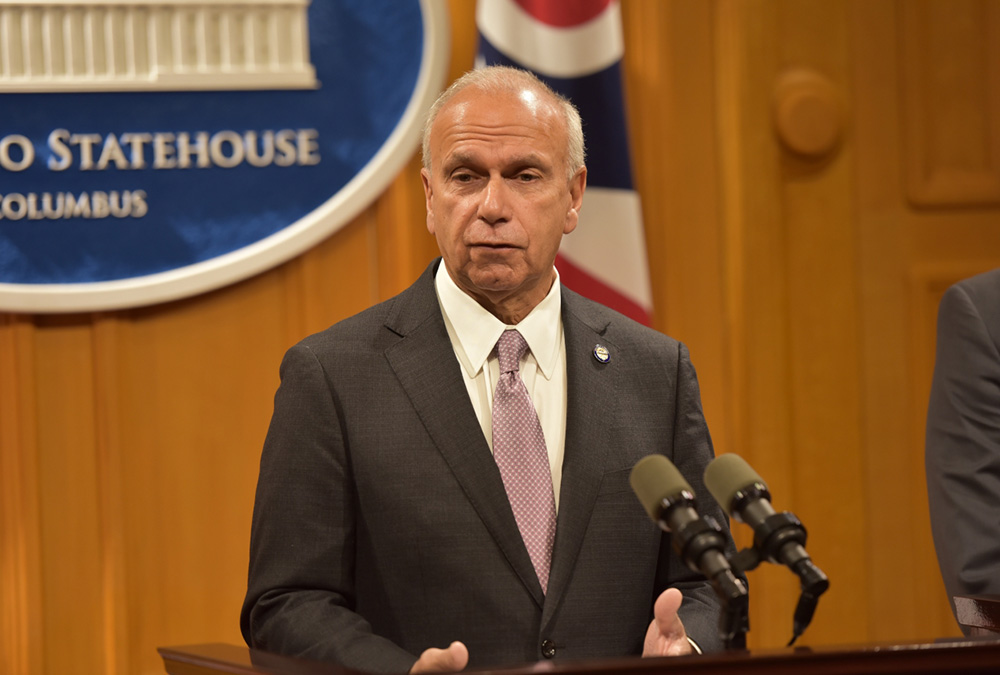
The Shrek Text Case and the First Amendment Line
Every generation rediscovers the same uncomfortable truth about the First Amendment: it protects a lot of speech we wish people would keep to themselves. This time, the flashpoint is Ohio, where a progressive political blogger, D.J. Byrnes, spent 23 hours in jail after sending a state senator crude...
Read more →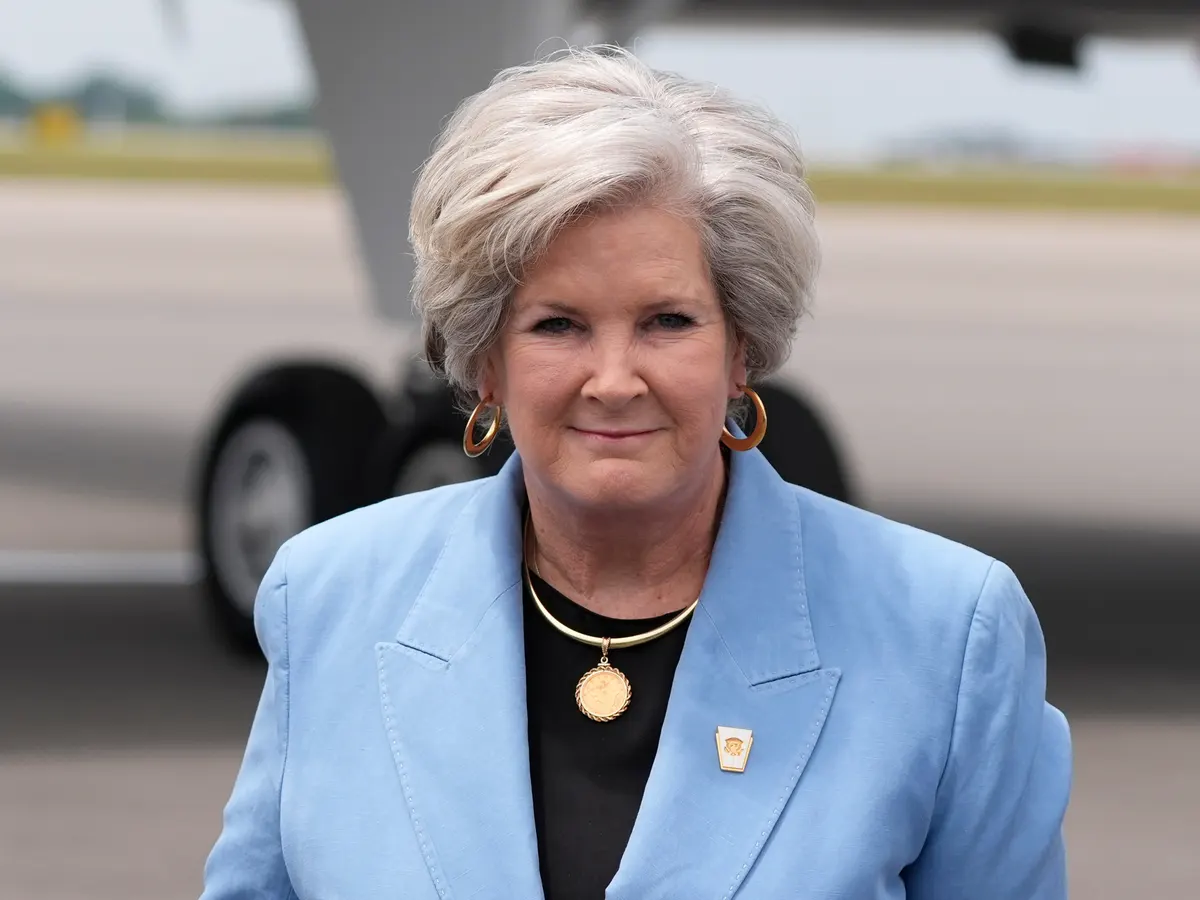
The Susie Wiles FBI Records, Explained
You can learn a lot about American power by watching what happens when a name shows up in a federal file. The viral controversy around newly surfaced FBI records tied to Susie Wiles and members of the Trump family is not really about gossip, or even about one adviser’s phone. It is about the...
Read more →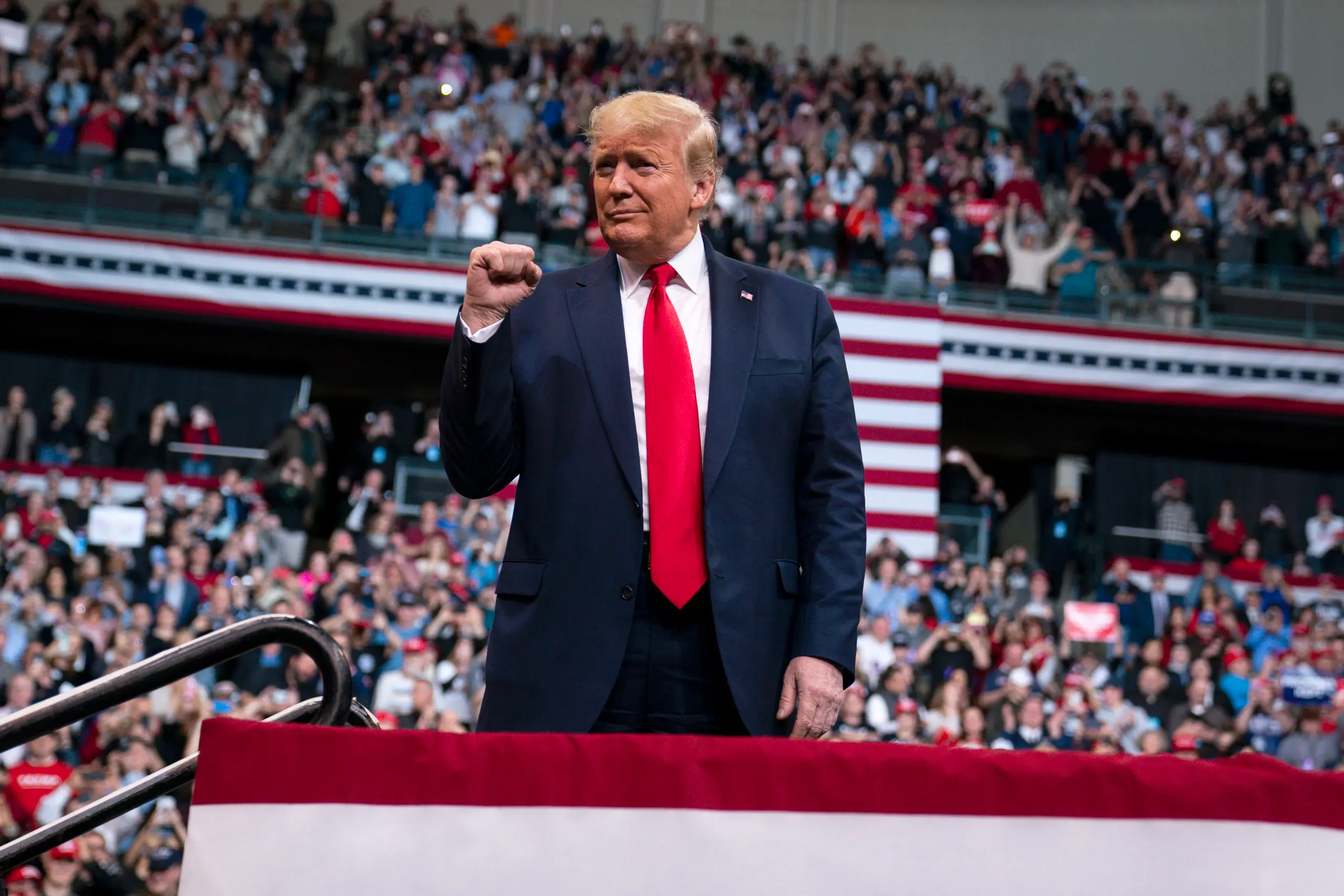
Trump, Tom Cotton, and the Daylight Saving Time Doxxing Fight
Daylight saving time is one of those issues that feels too mundane to light up a national political firestorm. Most Americans encounter it twice a year as a sleepy inconvenience. But this week, a timekeeping bill turned into something else entirely: a test of party discipline, a demonstration of...
Read more →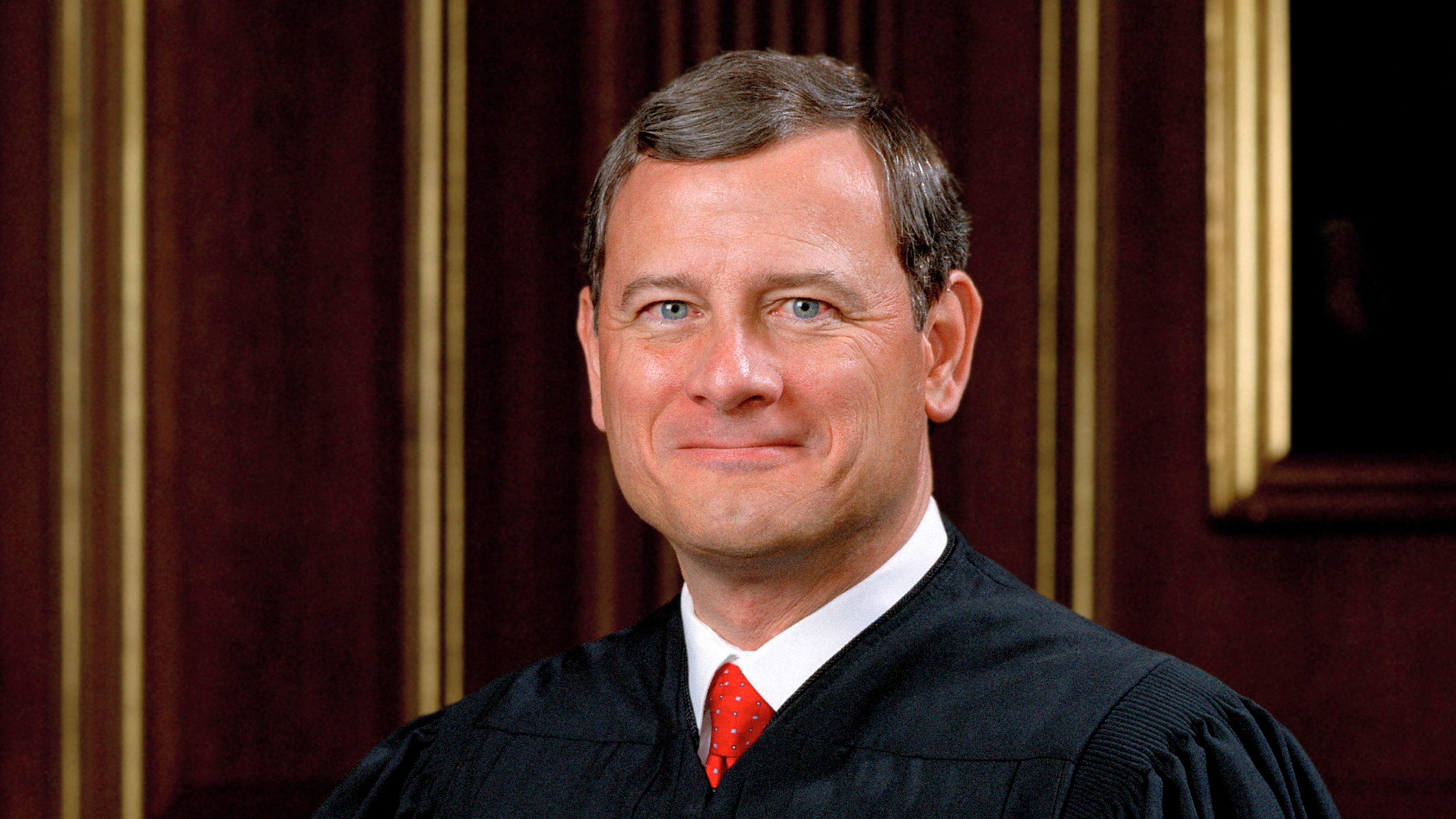
Protesting Outside a Judge’s Home: What the Law Allows
Jonathan Turley argues that organized protests outside the private homes of Supreme Court justices are meant to influence judicial decisions and to fuel a broader political effort to demonize judges and “gut the court.” Americans can debate and protest Supreme Court rulings, he writes, but...
Read more →
Denaturalization and the Supreme Court’s Materiality Rule
Citizenship feels permanent because we talk about it like a destination. You naturalize, you take the oath, you become an American, full stop. But in a small corner of federal law, citizenship can be taken back. Not casually and not by paperwork whim. Still, it can be taken back. The Department of...
Read more →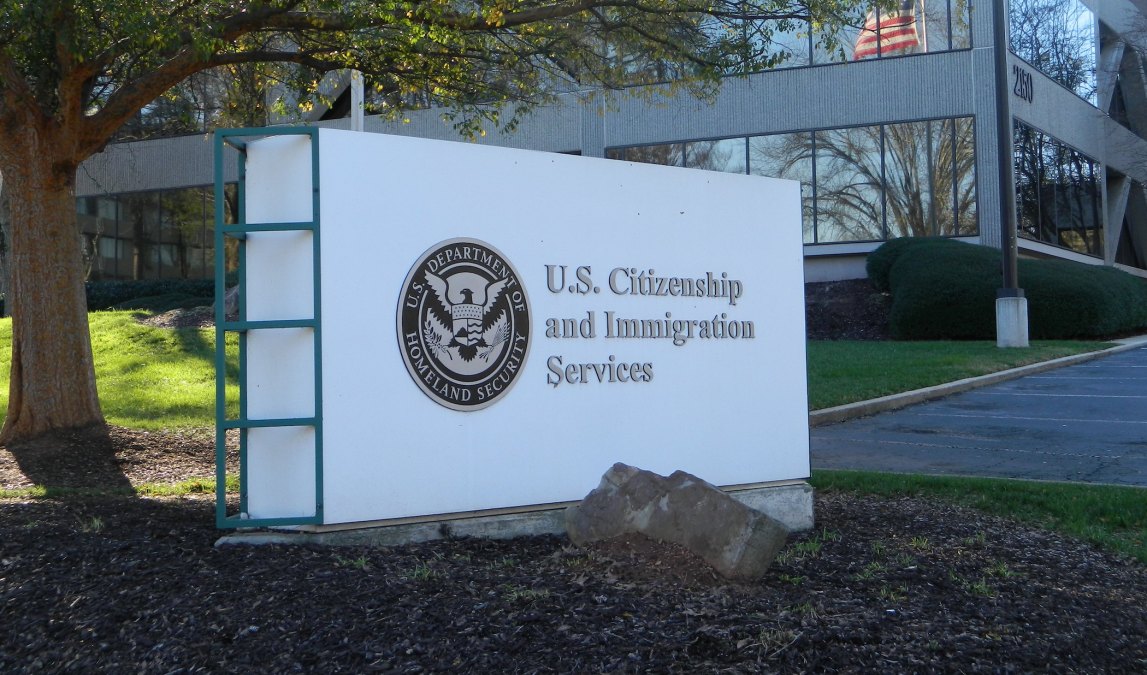
DOJ Targets 40 Naturalized Citizens for Denaturalization
What does it mean to become an American citizen by choice, and then have the government try to take that citizenship away? The Justice Department is moving to revoke the U.S. citizenship of 40 foreign-born Americans who allegedly lied or withheld key facts about their criminal histories when they...
Read more →
The Supreme Court Case Forcing DHS to Choose: Deport or Release?
When most people think about deportation, they picture a straightforward sequence: the government issues a removal order, and the person is sent back to their home country. The Supreme Court is now considering a case that highlights what happens when that final step is not available. The Department...
Read more →
Robert De Niro’s Trump Attack Lands Again
Robert De Niro has never flirted with subtlety about Donald Trump. That is part of the point. And in a fresh round of comments, De Niro reached for language that is blunt, personal, and morally categorical. De Niro called Trump a “coward” and a “piece of s‑‑‑.” Those are not policy arguments. They...
Read more →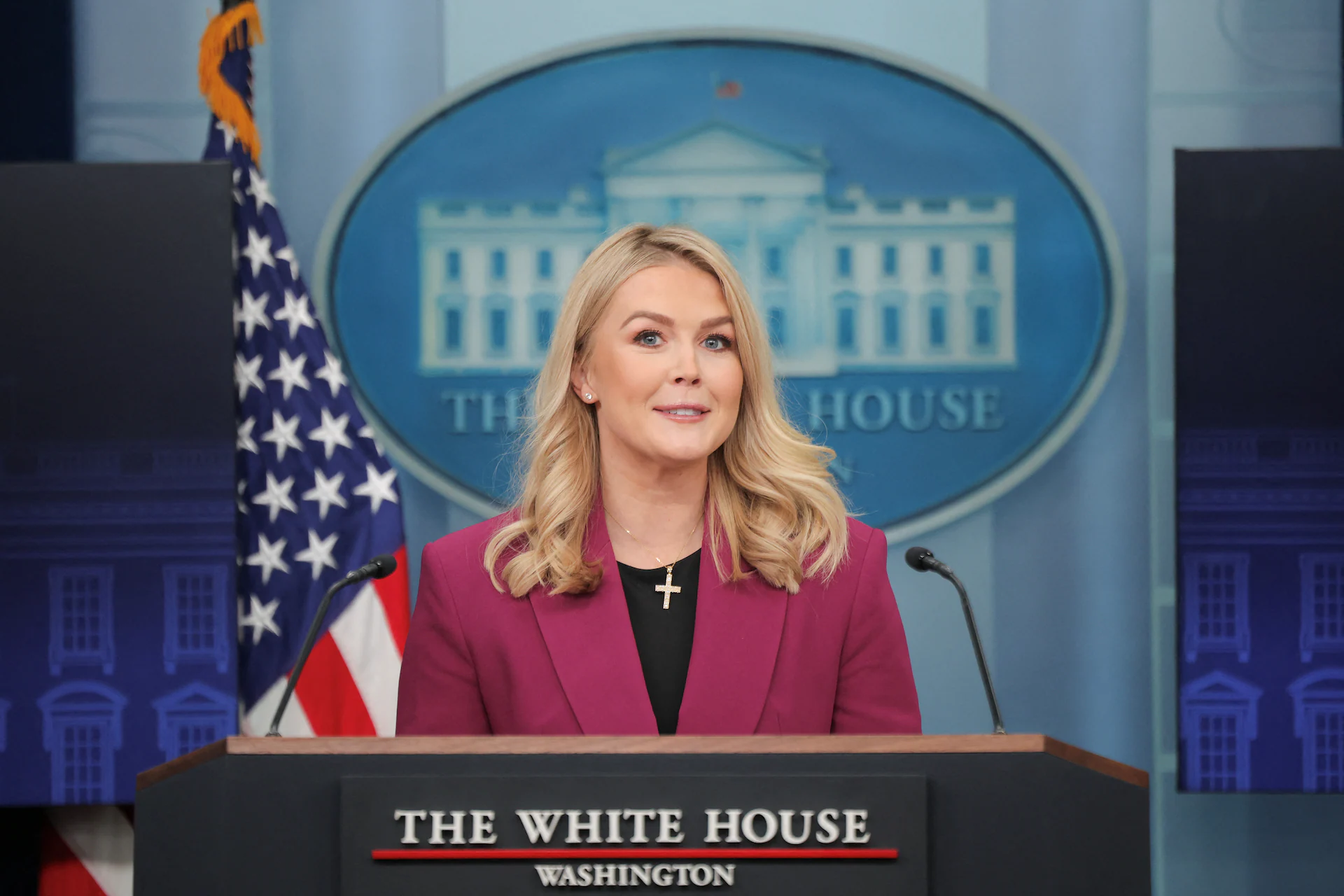
Karoline Leavitt Joins Fox News as a Contributor
Washington has a revolving door, and the hinges are greased with airtime. Karoline Leavitt, the 29-year-old former White House press secretary , has landed her next high-profile perch: she is joining Fox News as an on-air contributor. The network said Monday that her start date is November 1 , a...
Read more →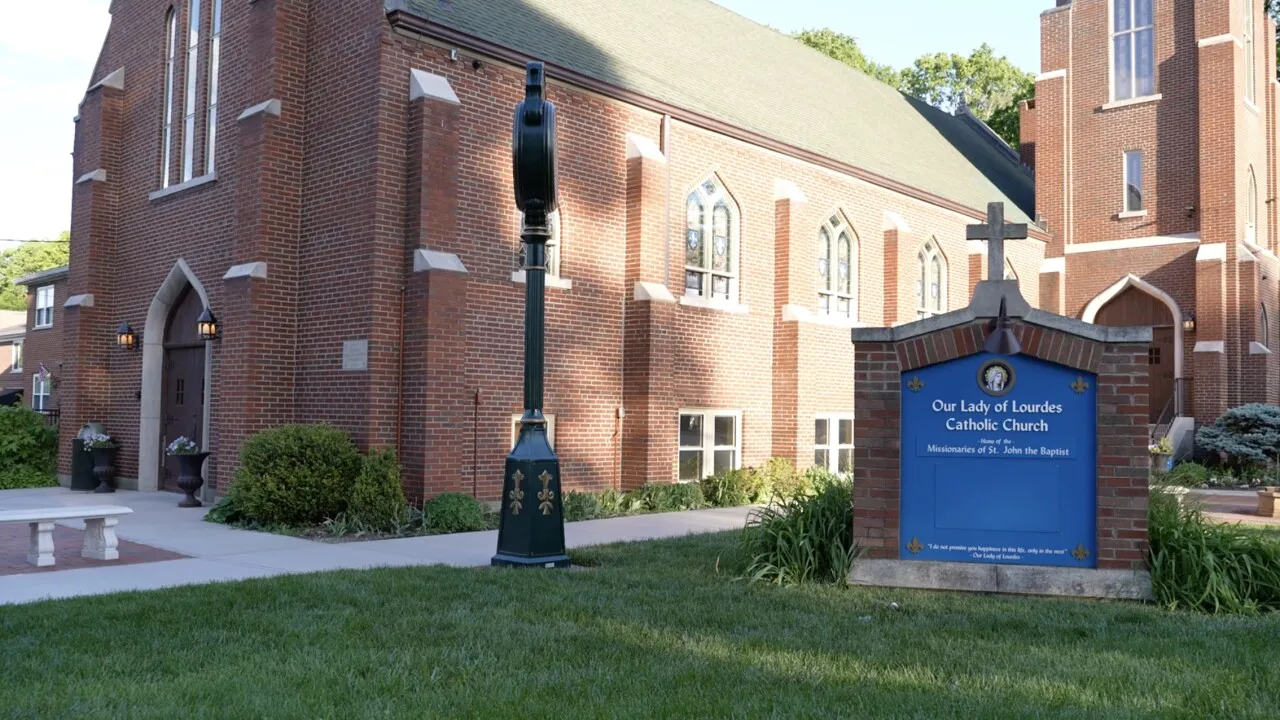
Can Zoning Block a Prayer Grotto?
Most of the time, zoning fights are intensely local. A setback line here, a conditional-use permit there, and neighbors arguing about traffic or noise. But every so often, a small land-use dispute turns into a Supreme Court test of how federal law protects religious practice on real property. That...
Read more →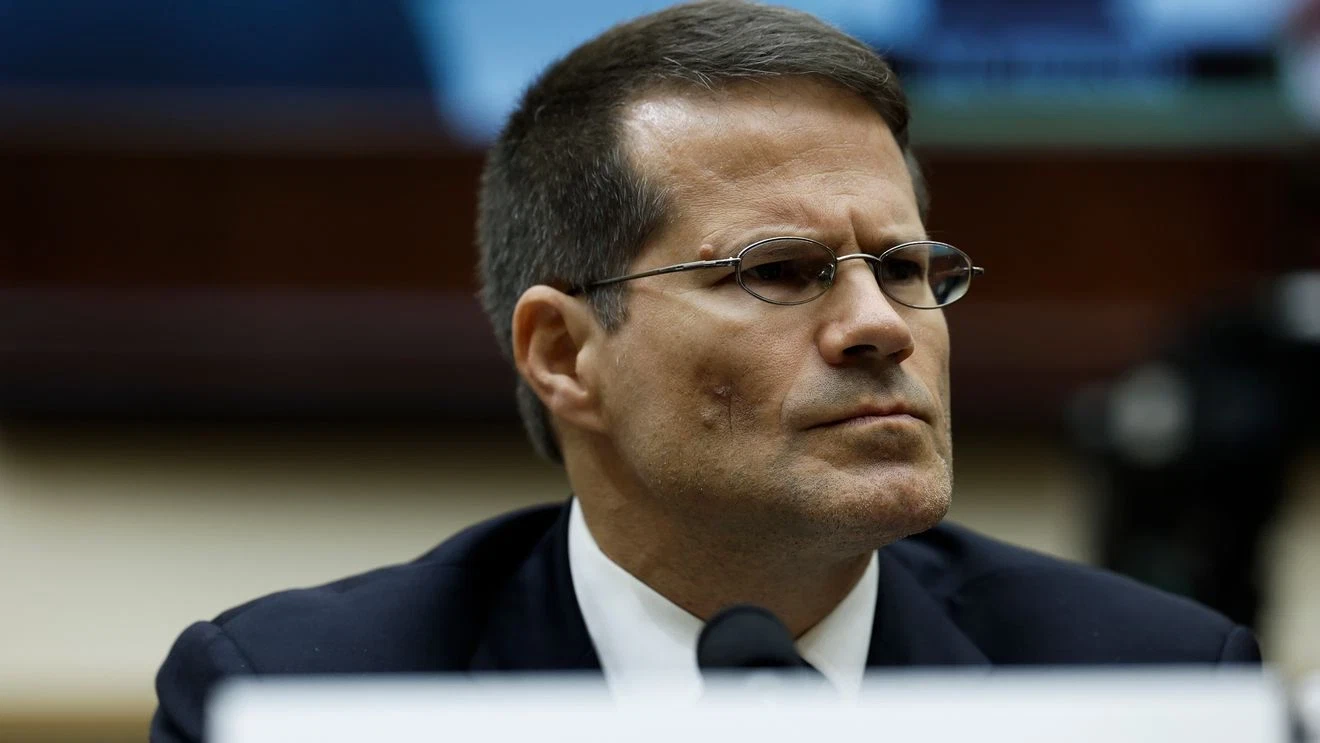
DOJ Won’t Appeal the Suppressor Registration Ruling
The Department of Justice has now put it in writing to Congress: it is not appealing the decision in Silencer Shop Foundation v. ATF . That single choice, not a new statute and not a Supreme Court opinion, is what gives this moment its political punch. A ruling that was headed toward the usual...
Read more →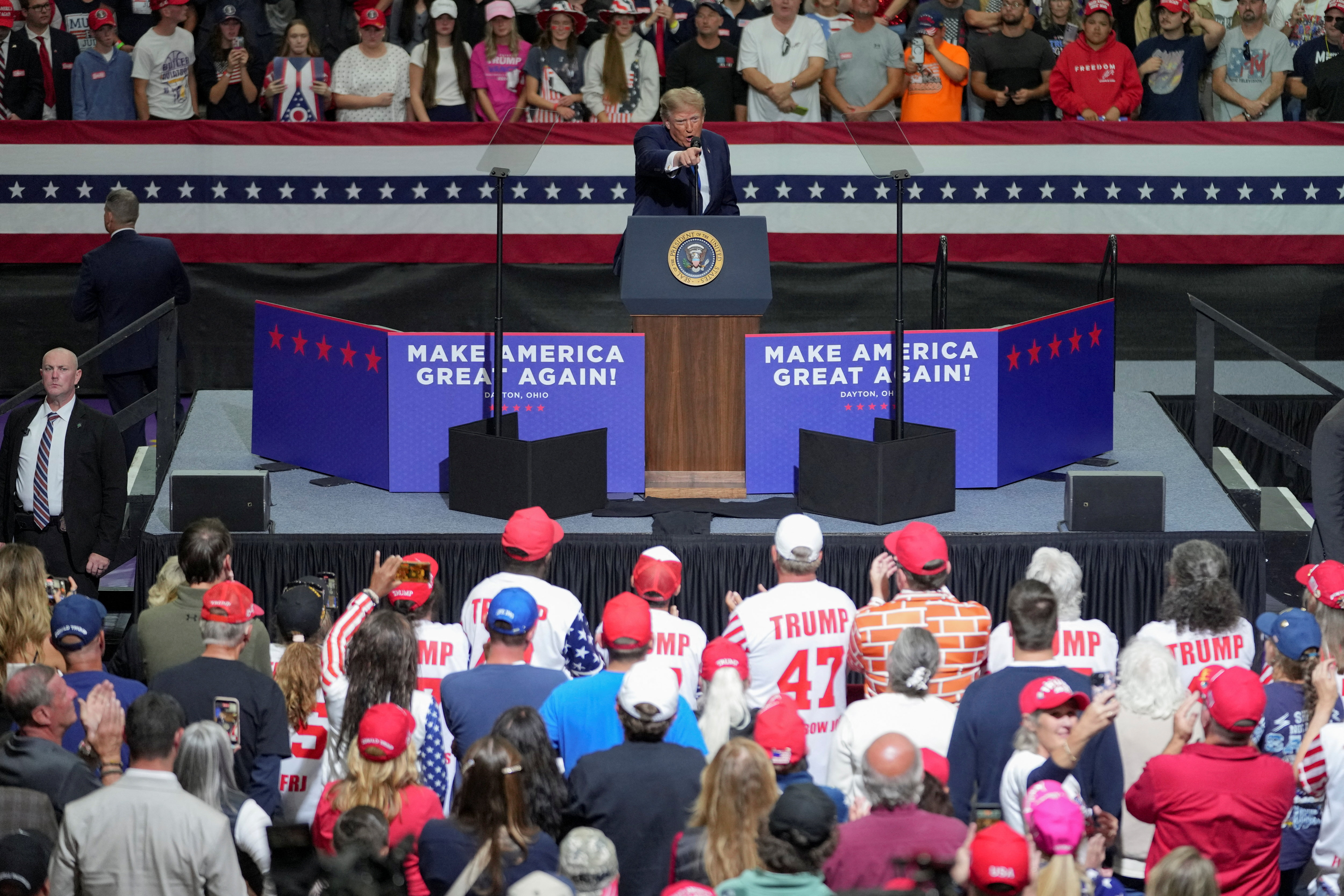
Trump’s Ohio Rally and the New Loyalty Test for Republicans
Campaign rallies are supposed to be about persuasion. Bring the base, broaden the coalition, remind voters what you stand for, and leave the local candidate with a few usable clips. Donald Trump’s stop in Ohio, as he rallied for Republicans, also carried a sharper edge: a warning about what could...
Read more →
TSA Pulls Chairs From ID-Check Posts Under Trump Fitness Push
Airport security has a thousand little rituals we barely notice until one changes. Shoes off. Liquids out. Laptop in its own bin. And now, at many checkpoint entrances, the TSA officer who checks your ID will be standing, because the chair is gone. The Transportation Security Administration has...
Read more →