
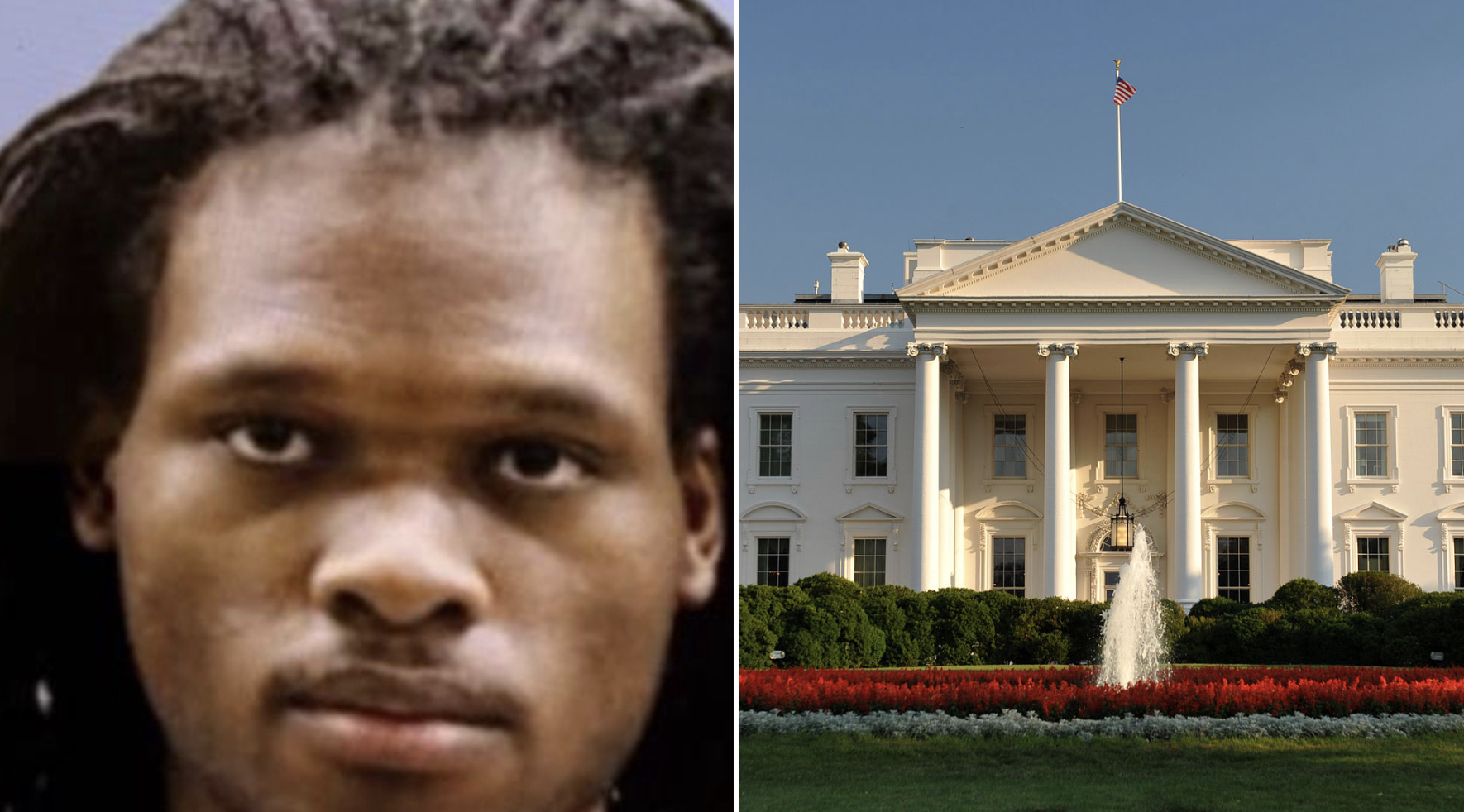
Saturday evening, a 21-year-old Maryland man, Nasire Best, approached a White House security checkpoint near 17th Street and Pennsylvania Avenue NW, near the White House gates. Officials say that shortly after 6 p.m. ET he pulled a revolver from a bag and opened fire on Secret Service officers. Agents returned fire. Best was taken to a hospital and later died.
A bystander was also wounded. As of early Sunday, officials had not said who fired the round that struck that person, and they had not released the person’s condition. No Secret Service agents were injured. President Donald Trump was inside the White House at the time and was briefed on the shooting.
Join the Discussion
Deadly force means a burden
In civics class, I used to tell students a simple rule: power is not self-justifying. The government can use force, even lethal force, but in a constitutional system it must be able to explain itself after the smoke clears.
In practical terms, a Secret Service shooting triggers at least three public interests that do not go away just because the location is sensitive.
- Legitimacy: People comply with law when they believe it is exercised fairly and predictably, not mysteriously.
- Accountability: Even justified shootings must be reviewed, documented, and scrutinized.
- Competence: The public needs to know whether the system worked as designed, or whether it failed and merely got lucky.
What we know about Best
After the shooting, information surfaced that Best had prior contacts with law enforcement and documented mental health concerns. A July 2025 filing in D.C. Superior Court described him as previously “known to United States Secret Service” around the White House complex.
That filing describes a prior incident in which Best entered a restricted area at a White House pedestrian access control post, ignored commands to stop, and “claimed he was Jesus Christ and that he wanted to get arrested.” He was arrested on an unlawful entry charge.
The same filing states he had been involuntarily committed in June 2025 after obstructing vehicle entry to the White House complex. Officers also requested a stay-away order barring him from the White House area after the July arrest.
A bench warrant was later issued after Best failed to appear for a subsequent hearing.
Those details matter for one reason: they go to preventability. When the government already has a history with a person, the public is entitled to ask whether that history was used wisely or merely archived.
Hard questions, no hiding
Here are the questions that should not be treated as impolite, partisan, or optional.
1) Was deadly force necessary, and how will that be evaluated?
If an armed person fires at agents at close range, deadly force may be not only justified but unavoidable. But “likely justified” is not the same as “case closed.” The public should expect a clear account of what agents perceived, what warnings were issued, how the threat unfolded, and why lethal force rather than some alternative was the only realistic option in that moment.
2) What happened to the bystander?
A bystander was wounded. Officials had not identified who fired the round that caused the injury. That fact alone creates a transparency obligation. In any public use-of-force incident, but especially one involving an elite protective detail, it is not enough to say an innocent person was hit. The public deserves to know how, and what will change to reduce that risk.
3) If Best was “known,” what exactly does that mean?
“Known to” can mean almost anything, from a single minor contact to a sustained pattern of troubling behavior. If there were prior arrests, court proceedings, a requested stay-away order, an involuntary commitment, and a later bench warrant for failing to appear, then the natural follow-up is whether those signals were integrated into protection planning in a way that actually works at street level.
We should be careful here. Being mentally ill is not the same as being violent, and a prior unlawful entry charge is not a death sentence. But when a person returns to the same restricted space, near the same gates, and opens fire, it raises a question about whether the system is merely reactive.
4) What is the line between necessary secrecy and public accountability?
Protective work requires confidentiality. Nobody reasonable expects agents to publish every checkpoint tactic. But secrecy can also, in some cases, reduce public confidence if it is used too broadly, or if it crowds out even basic explanations after a critical incident.
The constitutional balance is this: operational details that would help copycats can be protected, while accountability details that help the public judge performance should be disclosed.
Lockdowns and reviews
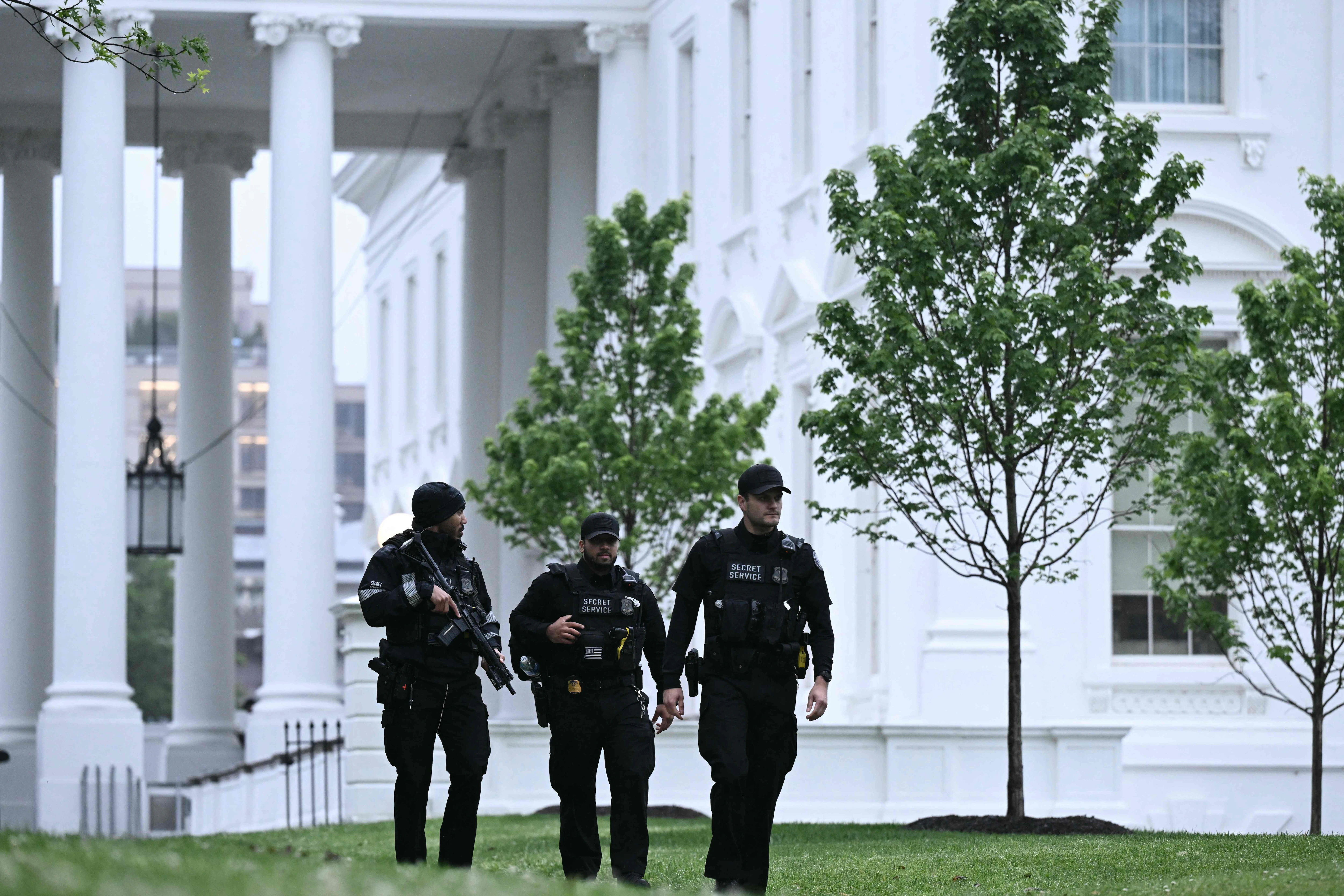
The shooting briefly placed the White House on lockdown. Reporters on the North Lawn were rushed into the press briefing room as agents responded with weapons drawn. The lockdown was lifted at 6:46 p.m. ET.
Authorities had not announced a motive as of early Sunday. The FBI and the Bureau of Alcohol, Tobacco, Firearms and Explosives were assisting the Secret Service and the Metropolitan Police Department in the investigation.
That investigative stack matters. In a high-profile federal shooting, the public should not accept a single-agency “we investigated ourselves” posture. Multiple investigative lanes do not guarantee accountability, but they make it harder for key facts to disappear into bureaucracy.
Failures are not just physical
We tend to imagine “security failure” as a broken gate or a slow response time. But modern protective failure is often bureaucratic.
- Information failure: Was the prior pattern of behavior treated as a serious indicator or a nuisance report?
- Legal follow-through failure: If a stay-away order was requested, was it granted, served, and enforced in a way that creates real consequence?
- Continuity failure: Does knowledge survive shift changes, staffing changes, and the passage of months?
These are not gotcha questions. They are the difference between a system that learns and one that repeats.
What Trump said
President Trump praised the response in a Sunday morning post: “Thank you to our great Secret Service and Law Enforcement for the swift and professional action taken this evening against a gunman near the White House, who had a violent history and possible obsession with our Country’s most cherished structure.”
He added: “The gunman is dead after an exchange of gunfire with Secret Service Agents near the White House gates.”
He also tied the incident to a push for expanded security, writing: “This event is one month removed from the White House Correspondent’s Dinner shooting, and goes to show how important it is, for all future Presidents, to get, what will be, the most safe and secure space of its kind ever built in Washington, D.C.” He concluded: “The National Security of our Country demands it!”
It is natural for any president to publicly back the protective detail. But there is a tension worth naming: political messaging moves fast, while factual accountability moves slow. The Constitution is not satisfied by praise. It is satisfied by process.
The bottom line
The public can hold two ideas at once. First, Secret Service agents may have acted exactly as they should when fired upon near the White House gates. Second, the public is still entitled to a serious, specific accounting of what happened, how decisions were made, and whether warning signs were missed.
In a republic, the people do not “trust” their way into safety. We insist on institutions that can explain themselves, correct themselves, and earn legitimacy one hard incident at a time.