
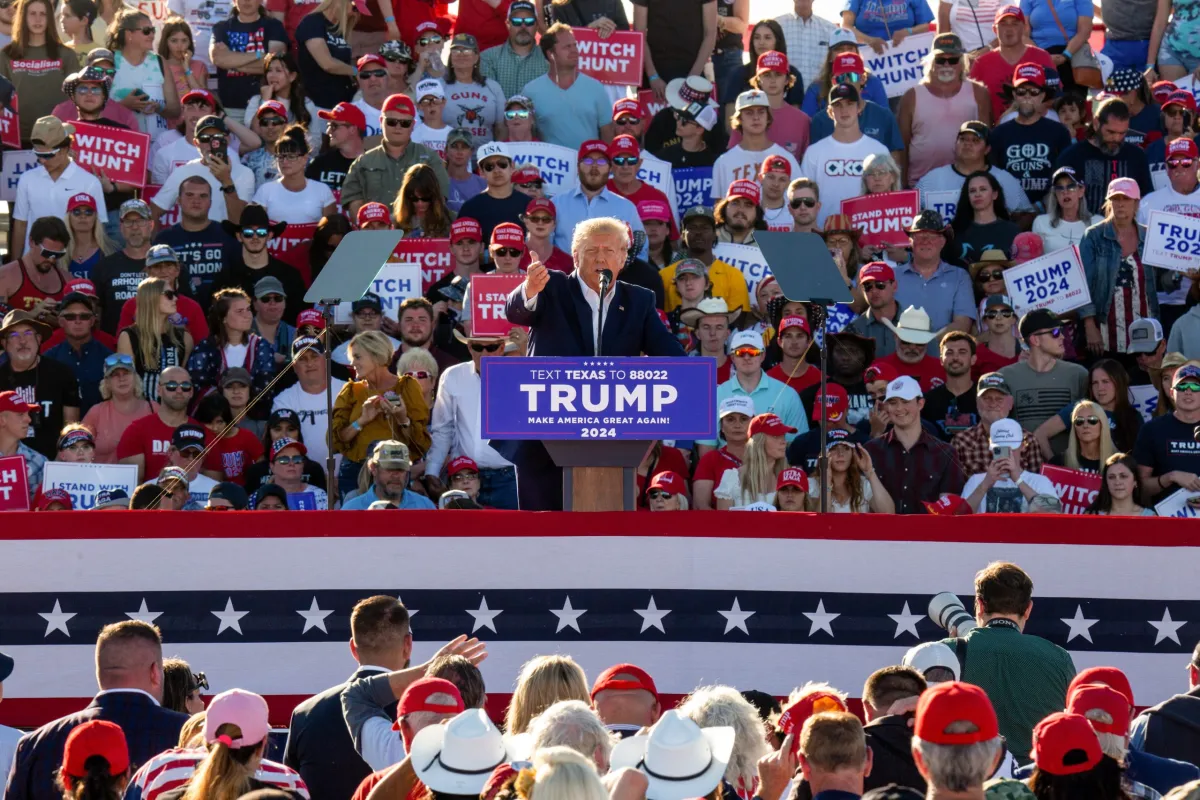
In politics, endorsements are supposed to be clarifying moments. But when they are reiterated at the last minute, they can do the opposite. That was the worry some Texas Republicans and campaign strategists voiced publicly and, in some cases, privately after former President Donald Trump again highlighted his support for challenger David Covey in the closing days of Covey’s bid to unseat incumbent Speaker Dade Phelan in House District 21 and, by extension, complicate Phelan’s path to keeping the gavel.
Trump endorsed Covey earlier in the cycle and later repeated that endorsement on Truth Social during the runoff stretch, ensuring the message recirculated as early voting wrapped up and Election Day neared.
The immediate context was Phelan’s Republican primary runoff in southeast Texas. Phelan, a Beaumont-area Republican, has led the House since 2021 and was forced into a second round after no candidate cleared 50 percent in the March primary.
In the May runoff, Phelan survived and secured the GOP nomination for the general election, keeping open the basic prerequisite for remaining speaker: staying positioned to return to the Texas House next term.
This is not just insider, process-heavy drama. The speaker’s office sits at the center of what gets a hearing, what dies in committee, and how the party governs after the campaign signs come down. In a low-turnout runoff, late attention from a national figure can change where money flows, who turns out, and how quickly Republicans can unify after a bruising intraparty fight, even if the measurable effects vary by district and media market.
One key procedural clarification: the Texas House speaker is elected by House members at the start of each regular session. The HD-21 runoff was not a speaker election. It was about whether Phelan would remain the party’s nominee, and whether he could realistically return to the chamber where the speaker vote happens.
Join the Discussion
Why timing matters
Most voters do not track endorsements day to day. They notice them when a trusted figure makes it easy to pick a side. That is why timing matters.
- Early endorsements can clear the field, discourage challengers, and keep a party focused on the general election.
- Late repetition can feel like an intervention, especially if local leaders already made commitments or if voters have been hearing months of competing arguments.
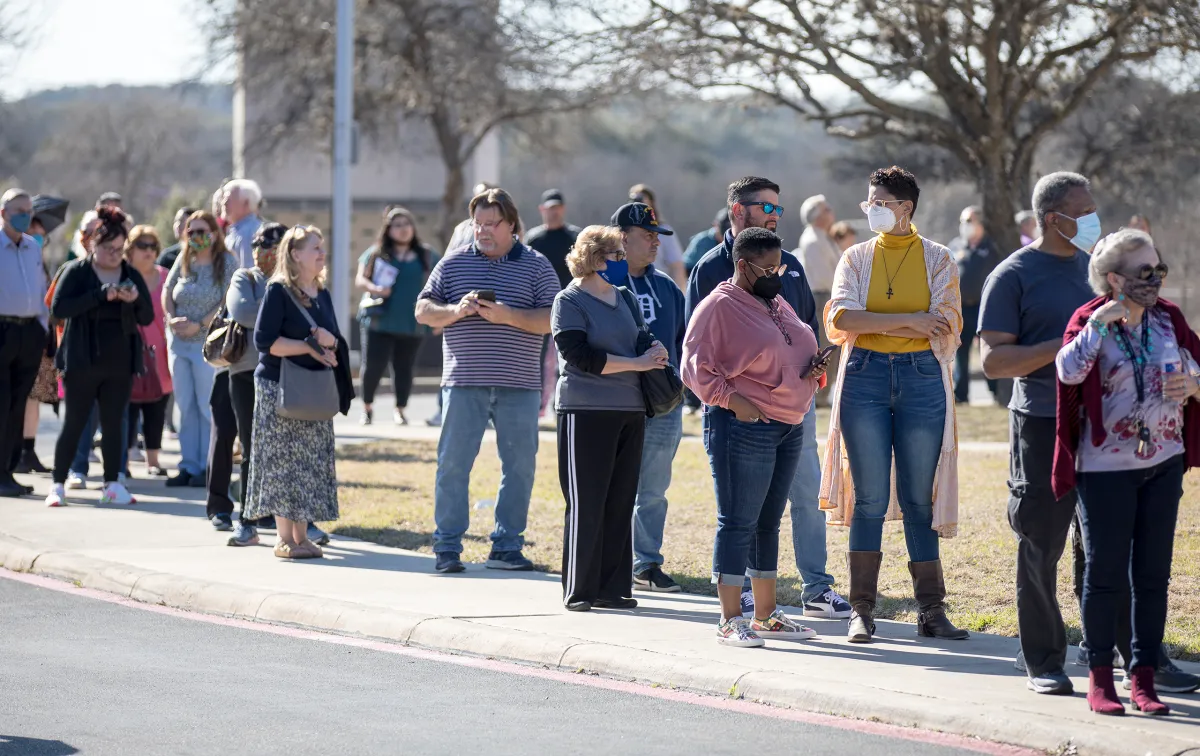
In a runoff, the clock is even tighter. Turnout is lower, persuasion is harder, and a small shift in who actually shows up can decide the outcome. The practical barriers are familiar: short timelines, expensive communication, and voters who tune back in only at the end.
The runoff election was held on Tuesday, May 28, 2024. Early voting for the 2024 Texas primary runoffs ran May 20 through May 24, with polls also open on Saturday, May 25, according to the Texas Secretary of State’s election calendar. Memorial Day fell on May 27.
The timing mattered because late Truth Social messaging, depending on when it reached voters, could have landed after much of early voting had already concluded, leaving limited time to affect turnout beyond Election Day.
What Republicans worried about
When strategists talk about a “backfire,” they usually mean one of three things: a more divided primary electorate, an underfunded general election, or a nominee who emerges weakened. In this runoff, those concerns were heightened because the contest became a proxy fight over the Texas GOP’s internal fault lines.
1) A hotter runoff
A burst of Trump attention in a head-to-head runoff can raise the temperature instead of lowering it. In this case, it reinforced Covey’s argument that the party should replace Phelan, and it pressured Phelan’s allies to respond with equal force. The result can be sharper attacks, more negative ads, and more internal resentment.
Operatives who disliked the late spotlight argued that it risked turning a local race into a national loyalty test. Others argued the opposite, that a high-profile endorsement can force a decision and end the argument faster. Phelan’s runoff win did not settle the broader party dispute, but it did show the endorsement alone was not enough to topple a sitting speaker in his home district.
2) Money shifts
Texas campaigns are not cheap. A late national spotlight can redirect outside spending and small-dollar fundraising toward the runoff, leaving less for November. The core concern is opportunity cost: every dollar spent on intraparty warfare is a dollar not spent building general-election infrastructure.
3) Fall effects
HD-21 itself is a district contest, but Republicans watched it as a proxy battle because Phelan is the sitting speaker and because primaries shape enthusiasm, donor behavior, and campaign infrastructure. If the party spends weeks relitigating a high-profile intraparty fight, that can distract from fall planning in marginal districts and from broader turnout efforts.
How endorsements work
It helps to separate what is legal from what is political.
- Legally, a Trump endorsement does not change Texas election rules. Ballot access, deadlines, and vote counting stay the same.
- Politically, it can change how voters interpret the candidates, especially in a low-turnout runoff where many people are making a late decision.
Endorsements matter most when they function like a shortcut. If a voter likes Trump and does not know much about the candidates, the endorsement can substitute for research. That is powerful, but it can also be volatile when it is repeated late, because it may collide with months of local messaging and coalition-building.
The practical way to judge whether an endorsement moved a race is not just the chatter. It is what campaigns and outside groups did in response: independent expenditures, late ad buys, and visible shifts among local elected officials and major donors. The larger takeaway is not that endorsements override district politics. It is that they can reshape the final days of a runoff, when attention is scarce and turnout is everything.
Why Paxton mattered
The Ken Paxton impeachment fight still hung over Republican primaries because it became a proxy for bigger questions about party loyalty, institutional power, and who counts as the “real” conservative in Texas. Phelan, as speaker, presided over the House during the impeachment process, and that made him a target for activists and aligned groups who viewed the episode as proof the Austin establishment could not be trusted.
Covey’s pitch fit into that storyline. Trump’s endorsement, and the late-runoff reminders of it, were read by many primary voters as a signal about which side of that internal argument deserved to win, not just which candidate had the better district resume.
The constitutional angle
When readers ask whether the Constitution “allows” this kind of party influence, the more accurate answer is that the Constitution does not regulate party endorsements as a routine matter, while protecting many of the freedoms that make modern party politics possible.
Parties are not in the text
The Constitution does not create political parties. Parties developed as part of American political life, and they operate largely under state election law and their own internal rules.
What the Constitution does protect is political speech and association, as interpreted through the First Amendment and related doctrine. That is why endorsements are normally treated as protected political expression.
States run elections
States have broad authority to administer elections. That includes setting primary formats, runoffs, and ballot rules, subject to federal constraints and constitutional protections. So the structure of Texas primaries is a state-law question, even if the endorsement is national news.
Primaries sit in the middle
Primaries can look like an internal party affair, but they are usually administered by the state and carry public consequences. That hybrid nature is why endorsements can feel like party discipline even though the ultimate decision still belongs to voters.
HD-21 at a glance
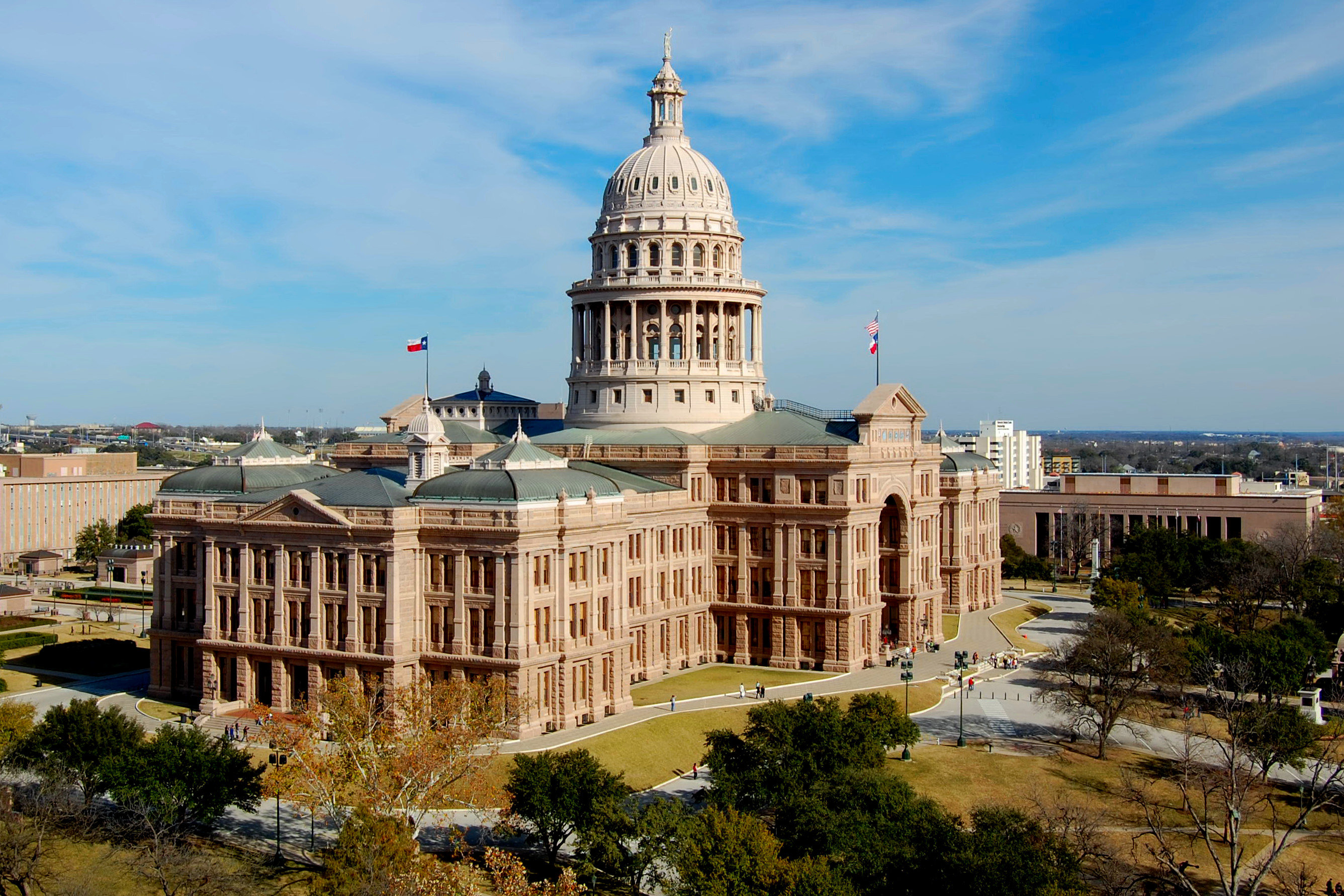
HD-21 sits in southeast Texas, anchored by the Beaumont area and surrounding communities. It is the kind of place where local networks, church and civic ties, and straightforward turnout mechanics can overwhelm national narratives.
In a runoff where turnout can be measured in slivers, the local reality is simple: campaigns win by identifying their voters and getting them to the polls.
What it meant for the gavel
Phelan’s runoff win settled the threshold question: he remained his party’s nominee and stayed positioned to return to the House, where the speaker vote is decided. But keeping the gavel is separate from winning a primary. The speaker is chosen by a majority of House members when the Legislature convenes, and that requires coalition-building inside the chamber, sometimes with cross-party support depending on the numbers and the political moment.
What happened next
The runoff resolved the immediate contest but not the underlying fight. The battle was never only about one district. It was about whether Texas Republicans wanted to punish the House for the Paxton episode, whether Trump could tip a down-ballot runoff with late attention, and whether the party could close ranks afterward.
Three questions still defined the post-runoff story:
- Did the late attention consolidate donors or split them? Watch whether major funders and outside groups treated the result as final, or simply shifted their pressure to the next leverage point.
- Did it change turnout incentives? Late messaging can energize loyal supporters, but it can also harden opposition and turn a local contest into a national identity test.
- Could the party unify after the vote? Unity is not a slogan. It is shared field staff, shared lists, shared messaging, and candidates willing to campaign together even after a hard loss.
The bottom line is that Trump’s late reminders did not end Phelan’s speakership ambitions at the ballot box. But they did illustrate a modern reality of runoffs: a race can be local in geography and national in meaning at the same time, and the final days can matter more than anyone likes to admit.
Civics takeaway
The Constitution does not tell political parties when to endorse, or whom to endorse. But constitutional protections for speech and association help explain why endorsements are both influential and contentious. American elections sit at the intersection of state-run procedures, party strategy, and protected political expression.
When a major figure turns up the volume at the end, the risk is not that democracy stops working. The risk is that the process becomes noisier and more polarized, and that the side doing the fighting gives its opponent a practical advantage.