
When shots are fired at a White House checkpoint, the first question is always the same: how close did the threat get?
But the second question matters just as much, and we ask it far less often: what are we, the public, entitled to know afterward?
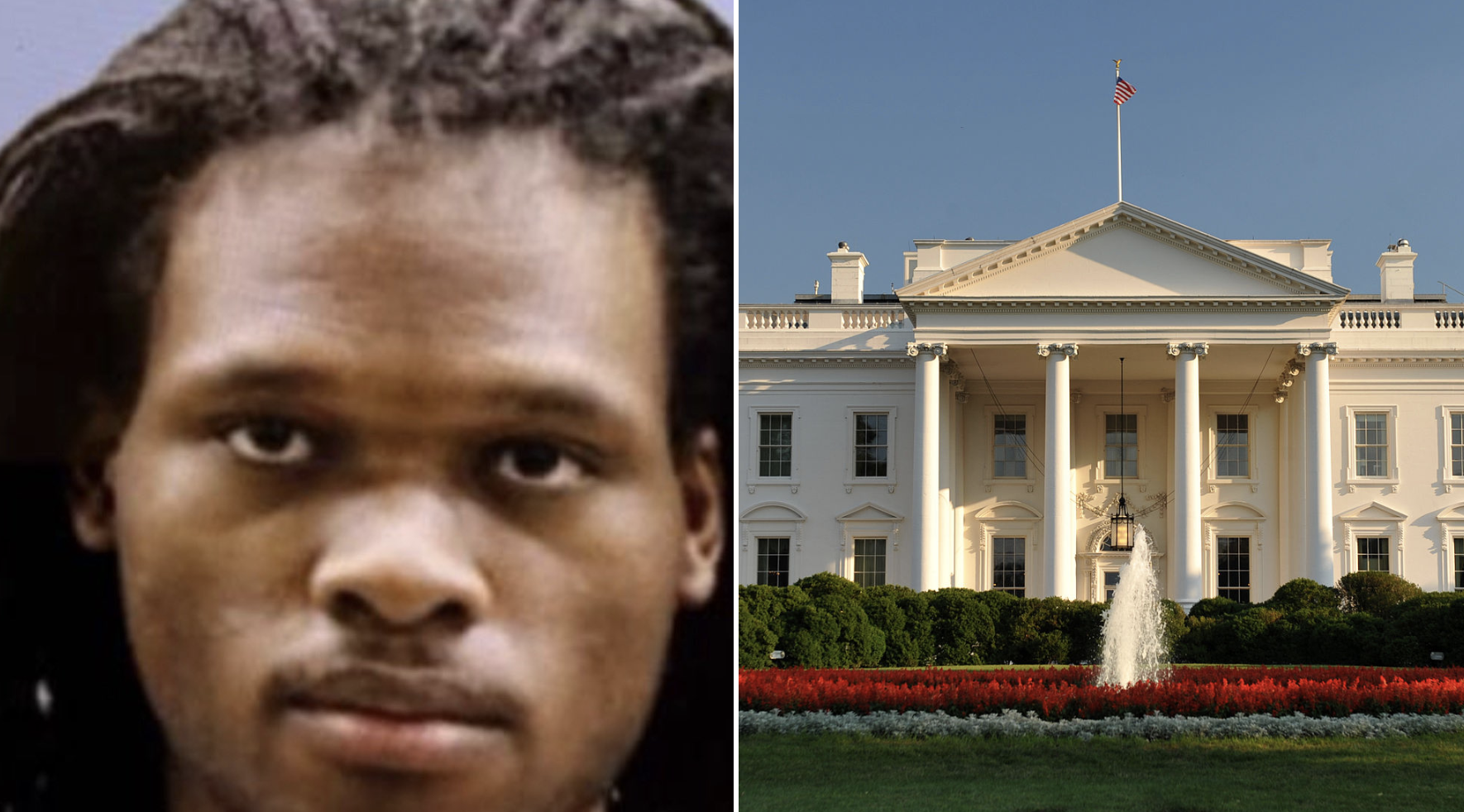
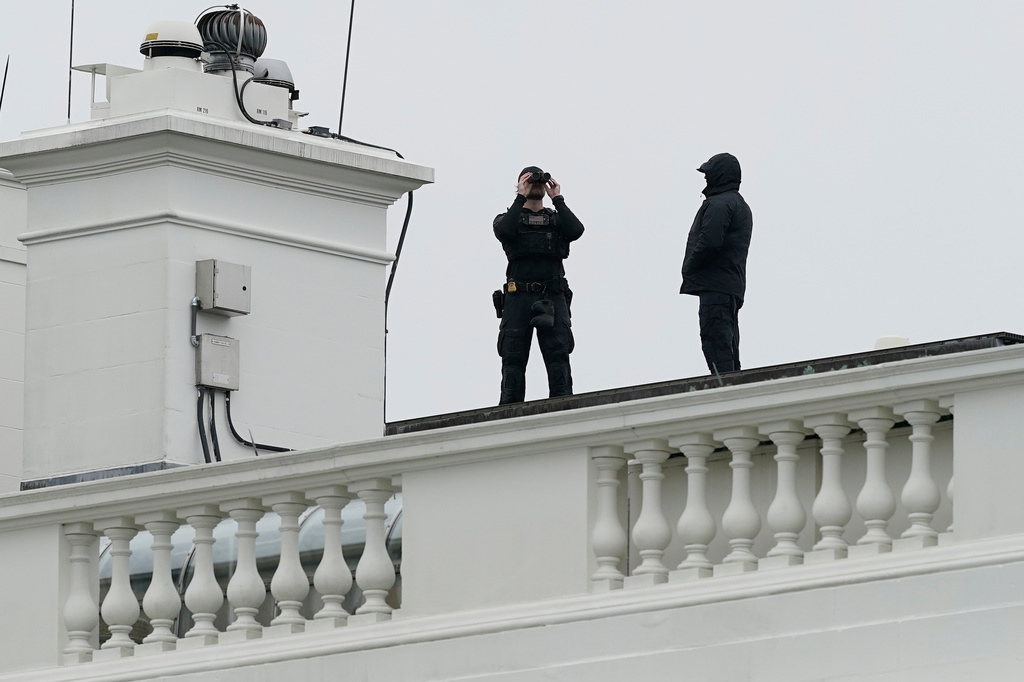
Shortly after 6pm on Saturday, the White House was briefly locked down after the Secret Service says a 21-year-old approached a checkpoint at a gate near 17th Street and Pennsylvania Avenue NW, took a pistol out of a bag, and fired. Agents returned fire, striking the suspect. He was taken to a nearby hospital and later pronounced dead. A bystander was also struck during the exchange, though it has not been clarified whether that injury came from the suspect’s gunfire or from officers’ rounds. No agents were injured.
President Donald Trump, who was inside the White House at the time, later described the gunman as having “a violent history” and a “possible obsession” with the White House, and he praised law enforcement’s “swift and professional action.”
Join the Discussion
The detail that changes it
The suspect was not a blank slate to federal authorities. Court records show he was already known to the Secret Service because of prior activity around the White House complex last summer. Those records describe him “walking around the White House complex inquiring how to gain access at various entry points” on multiple occasions.
This is the hinge point. Plenty of security incidents are the work of strangers. This one appears to involve someone who had already drawn attention, had already been confronted, and had already been ordered to stay away.
The individual was identified as Nasire Best. The facts below are taken from the Secret Service’s account and the court record.
The 2025 paper trail
A July 2025 filing in DC Superior Court lays out earlier encounters that matter for any serious discussion of accountability:
- June 26, 2025: The man was involuntarily committed after “obstructing vehicle entry” to part of the White House complex, according to the court documents.
- July 10, 2025: He was arrested for unlawful entry after ignoring warning signs and entering a restricted area outside the White House, the filing states.
- Same day: A judge issued a stay-away order barring him from the White House area pending trial.
The filing also reports that he claimed to be Jesus and said “that he wanted to get arrested.”
Separately, a bench warrant was later issued after he failed to attend a subsequent hearing.
What “failure” means
In a constitutional republic, we should be careful with accusations that come faster than the facts. “Failure” can mean several different things:
- Intelligence failure: Did the government miss information that should have put agents on higher alert?
- Operational failure: Were the right procedures in place, but not followed?
- Policy failure: Were the procedures themselves inadequate for a person already subject to a stay-away order?
- Systems failure: Did information exist in one pocket of the system but not reach the people standing at the gate?
It is possible for agents to respond bravely and effectively in the moment and for the larger system to still have malfunctioned earlier. The public has room to honor the immediate response and still demand an accounting of how the confrontation became possible.
To be clear: many of the oversight questions below are not yet answered. They are the questions a functioning oversight culture should insist on asking while the investigation is still active.
What the public can ask
There is no constitutional right to every operational detail of protective security. Some information, if disclosed, genuinely helps the next attacker. But “national security” can also become a catch-all label that delays basic clarity long after tactics can be protected.
Here is what the public is entitled to know, because it is the minimum needed for democratic oversight:
1) A real timeline
We should get a basic chronology: when the suspect arrived, what agents observed, when warnings were issued, when shots were fired, and when medical aid was provided. This can be done without revealing sensitive tactics.
2) What “known to the Secret Service” meant in practice
“Known to the Secret Service” is not a sufficient explanation. Known how? Logged where? Flagged in what system? The public should learn whether prior encounters were treated as a nuisance, a mental health crisis, a criminal trespass pattern, or a protective threat.
3) Whether the stay-away order was operationalized
A stay-away order is a legal boundary. The public deserves an answer to a simple question: did that legal boundary translate into a practical one at the perimeter?
4) The bystander injury facts
A bystander was struck. That triggers obligations beyond politics. The public should learn the bystander’s condition, the investigative findings on causation when available, and what steps are being taken to reduce the risk of crossfire injuries in a densely populated perimeter.
5) Who is investigating, and how independent it is
The FBI is assisting the Secret Service and local police in the investigation. Assistance is good. Independence is better. The public should be told what is being reviewed: use of force, threat assessment, information sharing, and compliance with protective protocols.
Accountability, not a scapegoat
In my old classroom, students often thought accountability meant someone gets fired. That is not always how a grown-up system works, and it is not always what justice requires.
Accountability can mean:
- an internal after-action review with public-facing findings,
- policy changes that can be measured later,
- a frank admission of what could not be prevented,
- and a documented correction where something was missed.
It can also mean discipline if protocols were ignored. But you do not start with the verdict. You start with the record.
The constitutional tension
The Secret Service sits in a uniquely American pressure cooker: a democracy that demands openness protecting an institution that requires secrecy. The Constitution does not name the agency, of course, but it does demand a government accountable to the people through oversight and checks.
That tension does not disappear because the target is the White House. If anything, it becomes sharper. The presidency is not a monarchy. It is an office. And security in a constitutional system cannot become a blank check that erases the public’s right to basic answers.
Questions Congress should ask
If this incident fades into the news cycle, the lesson will be the wrong one. Here are the questions that deserve public answers in hearings and briefings, without compromising methods:
- How are repeat perimeter encounters documented and escalated?
- What thresholds trigger a protective intelligence assessment?
- How do court orders like stay-away orders get communicated to protective operations?
- What changed after the suspect’s 2025 encounters, and what did not?
- What is being done to reduce the risk to pedestrians and bystanders around the complex?
Security cannot promise perfection. It can promise learning. And in a republic, learning is not private property.
What to watch next
In the coming days, watch for two things that will tell you whether this becomes a real accountability moment or a public-relations rinse cycle.
- Specificity: Do officials provide a timeline and concrete procedural answers, or do they stick to broad praise and vague reassurances?
- Documentation: Do we get findings tied to identifiable records and review processes, or just statements designed to end the conversation?
The public does not need every security secret. But we do need enough truth to know whether the system is improving or merely surviving.