
California’s ongoing fight over what public schools may, must, or may not tell parents just took a sharp turn in federal court.
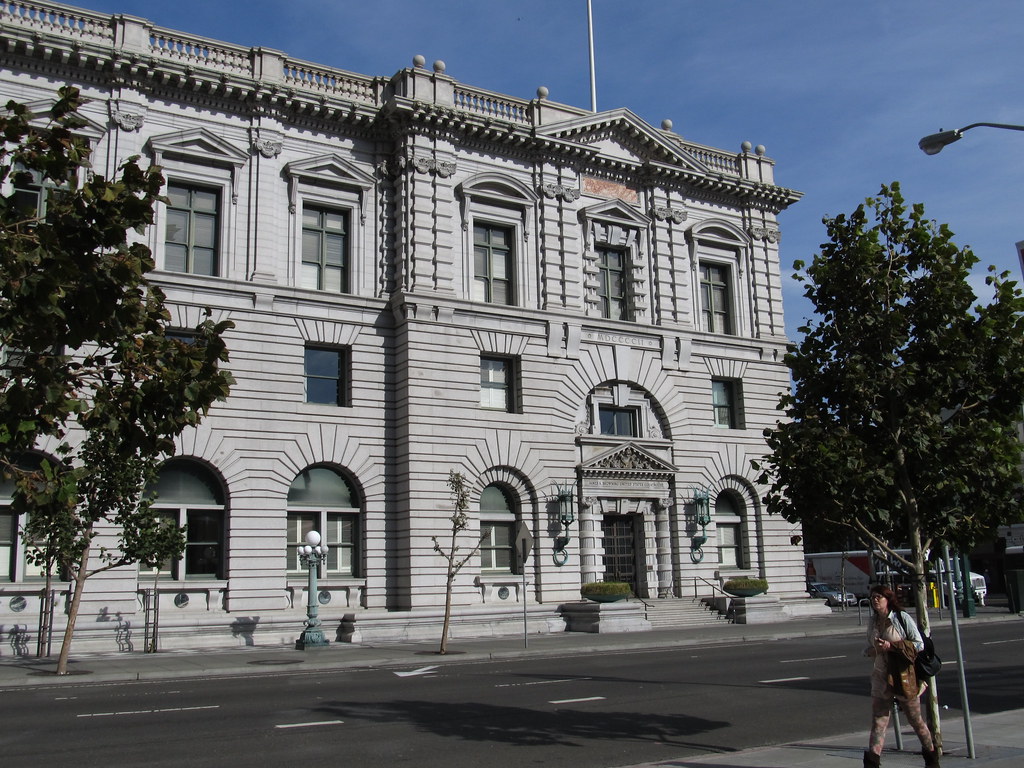
A three-judge panel of the U.S. Court of Appeals for the Ninth Circuit issued an injunction blocking enforcement of parts of California’s AB 1955, a state law that limits schools from disclosing certain information to parents about a student’s gender identity or gender expression. The panel concluded that the challengers are likely to succeed on key constitutional claims grounded in parental rights.
Join the Discussion
What AB 1955 does
At the center of the dispute is a direct question: when a school has information about a student’s gender transition, who must be told and who gets to decide what happens next?
AB 1955 restricts policies that would require school employees to disclose to parents information related to a pupil’s gender identity or gender expression. In practice, the court framed the dispute as one about policies that keep school employees from informing parents about a child’s gender transition.
Who sued
The lawsuit was brought by the City of Huntington Beach along with a group of parents. Their core argument is straightforward: parents have a constitutional right to direct the upbringing of their children, and that right is undermined if the government can cut parents off from information schools have about a child’s gender transition.
This is a substantive due process conflict, where courts weigh a claimed liberty interest (parental authority) against a state’s asserted interests in managing public schools.
What the injunction means
An injunction at this stage does not decide the entire case. It temporarily pauses enforcement while the legal challenge proceeds. But it is still a major moment because the court must assess whether the plaintiffs are likely to win on the merits, not merely whether their arguments are plausible.
Here, the panel concluded: “Parents will likely succeed on the merits of their substantive due process challenge to AB 1955 to the extent that AB 1955’s regulation of ‘information related to a pupil’s . . . gender identity[] or gender expression,’” the ruling said.
The panel also addressed standing, a threshold issue that can determine whether a case can even move forward. The court explained that “an objecting parent who is the target of AB 1955’s effort to prohibit constitutionally required mandatory policies has standing to seek injunctive relief to remove that unlawful impediment to compliance with the Constitution.”
Why the Supreme Court mattered
The injunction stands out in part because it followed earlier denials of similar requests. The same court had rejected requests for an injunction twice before. This time, the panel relied on the Supreme Court’s emergency-docket ruling in Mirabelli v. Bonta to conclude the policy “likely deprives” parents of their constitutional rights.
The Supreme Court in Mirabelli voted 6-3 to block a similar scheme while litigation continued. The constitutional principle was stated plainly in the Court’s language quoted in the litigation:
“Under long-established precedent, parents, not the State, have primary authority with respect to ‘the upbringing and education of children,’” the Supreme Court wrote in Mirabelli. “The right protected by these precedents includes the right not to be shut out of participation in decisions regarding their children’s mental health.”
The panel also pointed to the Court’s 2025 decision in Mahmoud v. Taylor, which affirmed parental rights to opt their children out of LGBT promotions and ideologies mandated by schools.
Judges on the Ninth Circuit panel were Daniel Collins, Kenneth Lee and Lucy Koh.
Federal reaction
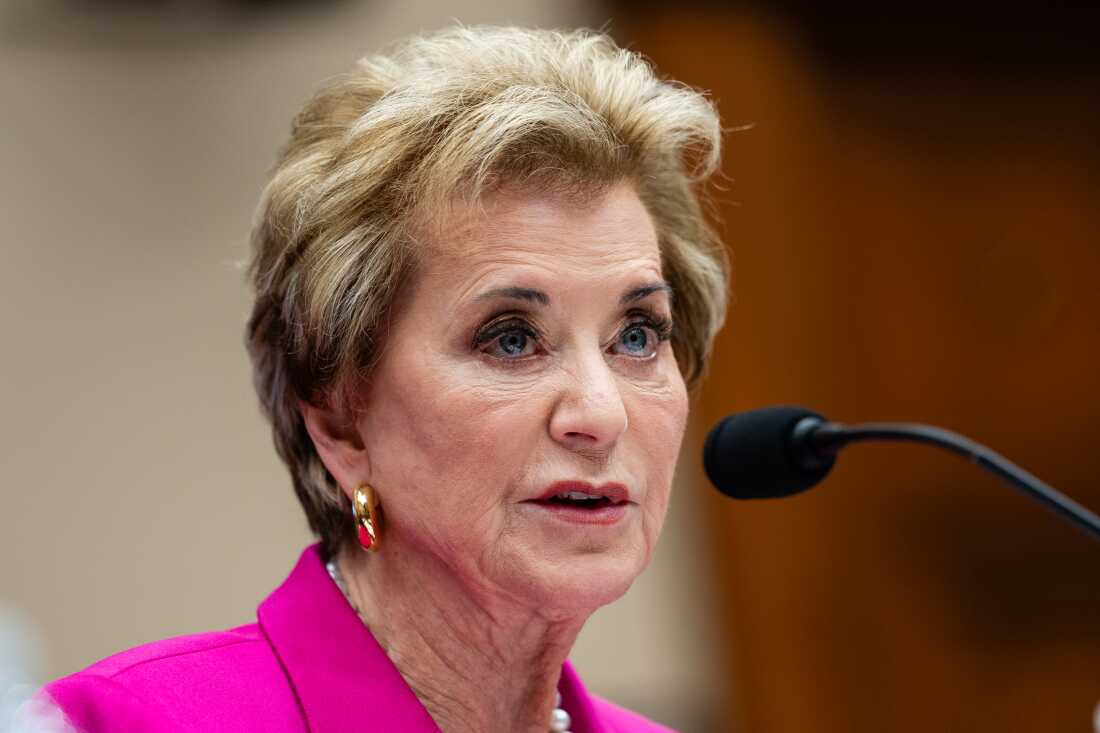
The injunction drew an immediate response from U.S. Education Secretary Linda McMahon: “Children don’t belong to the State — they belong to parents.”
That line captures the constitutional tension courts are being asked to resolve. Public schools are government institutions, but the Constitution has long been read to protect a sphere of family decision-making that the state cannot casually override.
What to watch next
1) The case continues
The injunction is a pause button, not a final judgment. Further proceedings will determine whether the challenged provisions of AB 1955 survive in the long term.
2) Standing will remain central
States often argue that parents cannot sue unless they show their own child is likely to experience the specific scenario at issue. The panel, relying on Mirabelli, rejected a requirement that parents make a specific showing ahead of time that their particular child will experience gender dysphoria and have that information withheld.
3) A Supreme Court merits case may be next
With similar disputes moving through the federal courts, a full Supreme Court case with briefing and oral argument appears increasingly likely in a coming term.
Why it matters
Even outside California, this is a blueprint dispute about how far a state can go in structuring school policy so parents are kept out of the loop on information schools have about a child’s gender transition.
Constitutionally, the case sits at the intersection of substantive due process (parental rights), state authority over public education, and the Supreme Court’s recent signals about what parents may demand when schools adopt non-disclosure rules.