
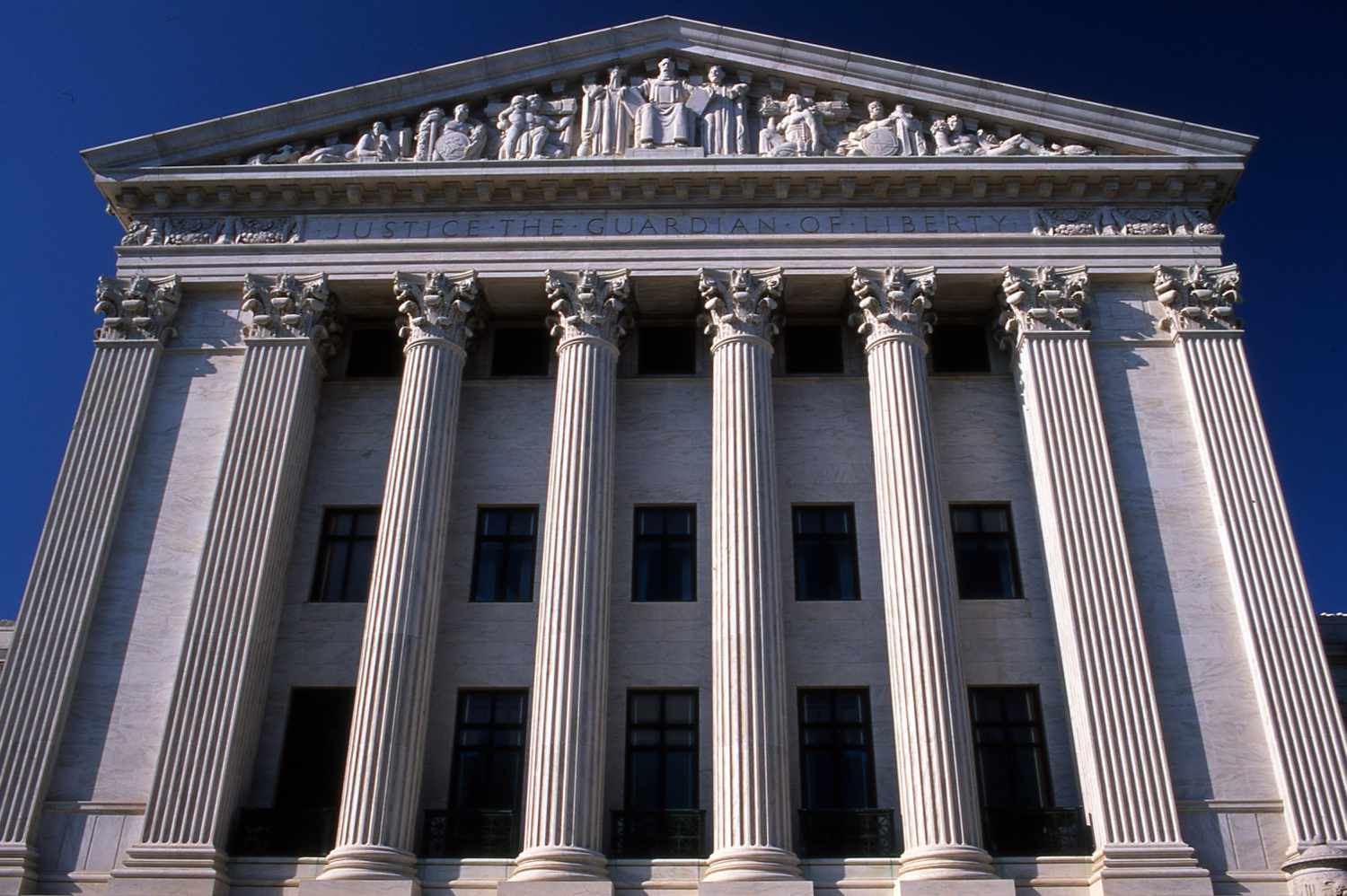
There are Supreme Court cases that feel like legal housekeeping, a quiet tightening of bolts in the machinery of government.
And then there are cases that threaten to move the engine itself.
In the Court’s final stretch this term, the justices are staring down a set of disputes tied to President Donald Trump’s agenda. Some of them are about immigration. Some are about citizenship. Another is about whether Congress is allowed to build “firewalls” between the president and certain powerful federal officials.
In the coming decisions, the Court could both frustrate and empower the White House at the same time: the arguments suggest the justices are likely to reject Trump’s push to curb birthright citizenship and to block his attempt to oust Federal Reserve governor Lisa Cook, even as they appear inclined to give the president broader authority to remove members of independent agencies through a ruling tied to the removal of Federal Trade Commission member Rebecca Slaughter.
Join the Discussion
The 91-year rule at issue
Most Americans assume the president can fire executive-branch officials whenever he wants. In many situations, that is true. Presidents remove cabinet secretaries and senior aides routinely, and nobody thinks twice.
But for nearly a century, there has been a constitutional compromise in place for certain independent agencies. Congress creates the agency, gives it a mission, and then insulates some of its leadership from direct political whiplash by limiting when they can be removed. The idea is not to make agencies “unelected rulers.” It is to keep regulators from becoming a revolving door of partisan payback every time the White House changes hands.
The Supreme Court has historically permitted that arrangement, allowing Congress to require “for cause” standards for removal in certain contexts. The question now is whether the Court will continue to tolerate that compromise or declare that it violates the Constitution’s structure by weakening presidential control over execution of federal law.
If the Court sides with the president in the dispute tied to Slaughter’s dismissal, it would overturn 91 years of precedent that has given Congress shielding power over certain executive branch firings.
Why the FTC case reaches farther
The Federal Trade Commission is not a minor agency. It has a hand on the wheel of antitrust enforcement, consumer protection, and the rules that shape markets most Americans experience every day, from subscriptions to data privacy to mergers.
If the president can remove an FTC commissioner at will, the logic will not stay neatly boxed inside the FTC.
Many of the agencies Americans most associate with “independence” operate on similar structural assumptions: multi-member commissions, staggered terms, and removal limits designed to prevent a single president from instantly retooling the agency into a partisan instrument.
Change that arrangement, and you do not just change one agency. You change the constitutional relationship between Congress and the presidency across a broad stretch of federal government.
Birthright citizenship
In the same closing sprint, the Court is expected to issue a decision involving President Trump’s push to curb birthright citizenship. The arguments suggest the Court is likely to reject his effort to deny the roughly 160-year legal precedent of automatic citizenship to most children born in the US to noncitizen parents.
That debate lives in a different constitutional neighborhood, one anchored in the Fourteenth Amendment’s Citizenship Clause and longstanding legal understanding about who becomes an American at birth.
Even if the justices turn back the administration on that front, it would not necessarily mean the term is a wash for executive power. A president can lose some headline fights while still winning deeper structural ground about what the presidency is allowed to be.
The Fed and “independent” power
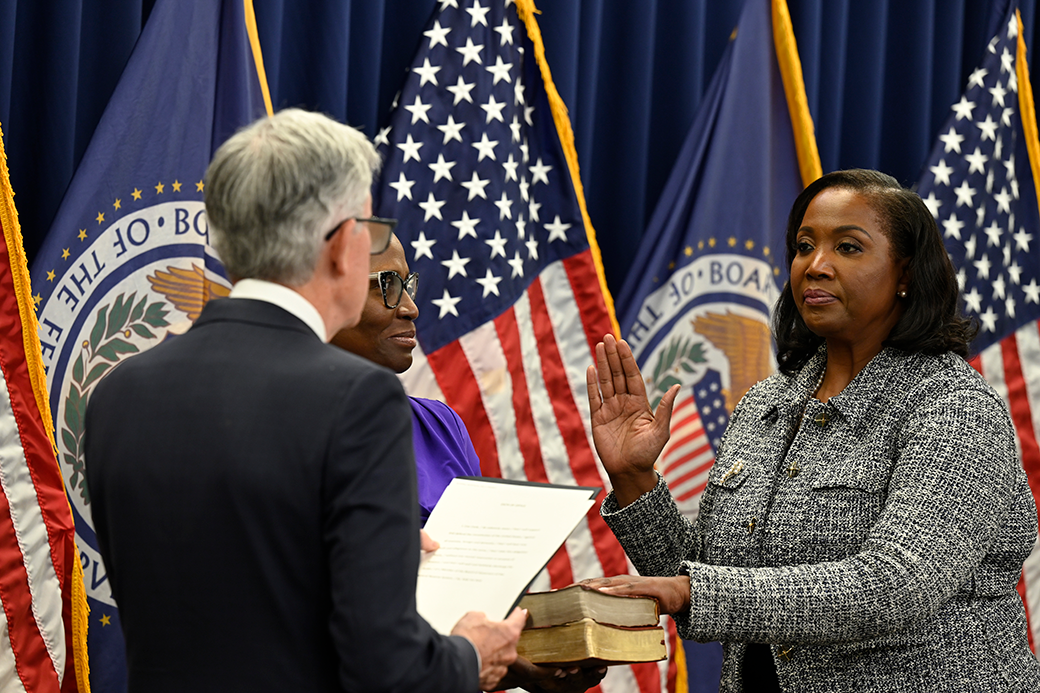
Another dispute involves President Trump’s attempt to remove Federal Reserve governor Lisa Cook. The Federal Reserve is often treated as the crown jewel of institutional independence, the place where monetary policy is supposed to be insulated from immediate political pressure.
Based on the arguments, the Court appears likely to block Trump’s attempt to oust Cook, a move the president has publicly criticized.
These cases force a question Americans rarely ask out loud: independent from whom?
Independent agencies are not independent from law. They are not independent from Congress’s power to create them and define their missions. They are not independent from courts reviewing their actions. The claim has always been narrower: independent from direct, at-will presidential control, at least in certain positions.
If the Court narrows or discards that idea, it is not just rewriting administrative law. It is choosing a theory of the Constitution where the president has a stronger claim to direct command over the officials who enforce and regulate.
Immigration powers
The Court is also expected to resolve disputes tied to immigration policy, including Trump-backed moves to end Temporary Protected Status for thousands of Haitian and Syrian immigrants and to expand the government’s power to turn away asylum-seekers at the border.
Immigration cases regularly become constitutional pressure points because they sit at the intersection of statutory authority, executive discretion, and individual rights. Congress writes the immigration laws. Agencies implement them. Presidents set enforcement priorities. Courts referee the limits.
When the Court expands executive discretion in this space, it often does so through doctrines that emphasize deference to the political branches in matters touching foreign affairs and national sovereignty. When it limits the executive, it tends to focus on statutory text and procedural constraints.
What is really at stake
It is tempting to see these cases as a referendum on one administration. But the presidency is not a one-term office in constitutional time. Every expansion of executive control becomes a tool available to the next president, and the next, regardless of party.
Legal scholars say the conservative-majority court is generally moving in a direction that strengthens executive power. The docket now tests how far that movement goes, especially on the question of removals at independent agencies.
The Constitution does not contain a neat instruction manual for the modern administrative state. That state emerged later, built by statutes, agencies, and case law. Which means it can also be rebuilt, quickly, if the Court changes its mind about what the Constitution permits.
The next rulings will arrive Thursday. When they do, they may tell us less about what the Court thinks of a particular president and more about what it thinks the office is supposed to be.