
Every time a headline resurfaces about a lawmaker buying or selling shares at a politically convenient moment, the same public question returns: is congressional stock trading actually legal?
Today’s news hook is a familiar one: a former House member who once brushed off the idea of a ban now says she supports one while running again. The personality shift is interesting, but the civics underneath is the part that lasts. What matters is the structure: what the Constitution allows, what current law requires, and what Congress can change if it decides the optics have become a legitimacy problem of their own.

Join the Discussion
The short answer
Yes, members of Congress can generally trade stocks. There is no blanket constitutional or statutory ban on owning individual stocks or buying and selling them while in office.
But there are three big legal guardrails:
- Disclosure rules (primarily the STOCK Act and related financial reporting laws).
- Conflict of interest and ethics rules (House and Senate rules, plus criminal conflict statutes that apply differently to legislators than to many executive branch officials).
- Insider trading law, which can apply to members of Congress when trading is based on material nonpublic information.
The fight is not over whether Congress may trade. It is over whether Congress should allow it and whether Congress has the constitutional authority to stop it. On that second question, Article I gives Congress unusually broad room to regulate itself.
What the Constitution says
The Constitution never mentions stocks, trading, or financial disclosure. What it does provide is a framework for legislative self-discipline.
Article I and self-rule
Two clauses matter most:
- Article I, Section 5, Clause 2: “Each House may determine the Rules of its Proceedings, punish its Members for disorderly Behaviour, and, with the Concurrence of two thirds, expel a Member.”
- Article I, Section 5, Clause 1: Each House judges the “Elections, Returns and Qualifications” of its members, which reinforces the idea that internal governance is largely an internal job.
That rulemaking power is the constitutional backbone for ethics committees, disclosure requirements, committee recusal norms, and chamber rules restricting gifts, outside income, and certain financial relationships.
It also means that if Congress wants to impose stricter limits on stock ownership for its own members, it often can, as long as it does not add unconstitutional “qualifications” for office. A policy that says, “you may serve, but you must divest or place assets in a qualified blind trust,” is generally treated as an ethics condition, not a new eligibility requirement like age or residency. Still, an aggressive ban could invite litigation under the Qualifications Clause or related constitutional theories, which is one reason reform proposals obsess over careful drafting.
Separation of powers
One reason these reforms are hard is that Congress is regulating Congress. But separation of powers also supports reform: the legislative branch has strong reasons to insulate public decision-making from private profit so that lawmaking looks like lawmaking, not a portfolio strategy.
The STOCK Act
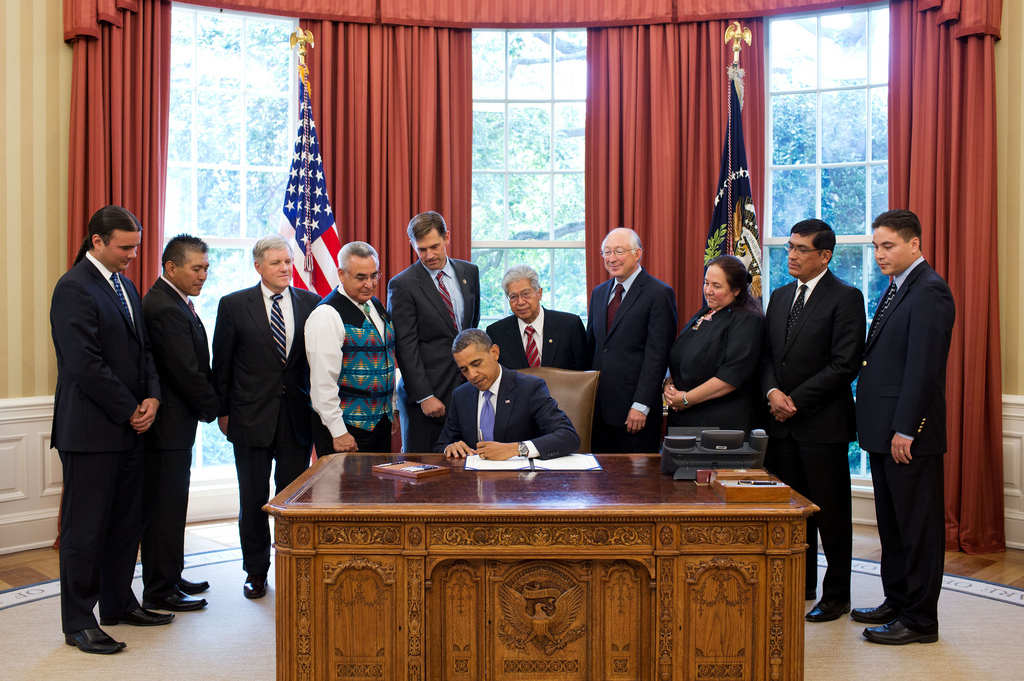
The modern disclosure framework most people are thinking of is the STOCK Act, enacted in 2012. (Some sources expand the acronym; many discussions simply use “STOCK Act” as the name.)
Despite the name, the STOCK Act is not a simple “no trading” statute. It is primarily a transparency and enforcement statute, designed to make it harder for lawmakers and staff to quietly benefit from information learned through public service.
What it does
- Clarifies duties and reinforces applicability of existing insider trading principles to members of Congress and congressional staff, including the idea that public service does not erase the duty not to misuse confidential information.
- Requires periodic transaction reporting for covered purchases, sales, and exchanges over a threshold amount, on a deadline intended to make reporting timely rather than annual and forgettable. (The commonly cited figures are a $1,000 threshold and a 45-day deadline, but the practical takeaway is the same: covered trades are supposed to be disclosed quickly.)
- Expands public availability of disclosures so voters, journalists, and watchdogs can compare a lawmaker’s trades with committees, hearings, or legislative action.
What it does not do
- It does not ban stock ownership by members of Congress.
- It does not automatically prove corruption when a member trades. Disclosure tells you what happened, not necessarily why.
- It does not eliminate conflicts. A disclosed conflict is still a conflict. Transparency can expose a problem without solving it.
In other words, the STOCK Act is a policy compromise in statute form: it leans on disclosure and enforcement rather than imposing a bright-line ban that would force every member to restructure their finances.
What happens if a member does not report?
In practice, late or missing transaction reports often trigger administrative processes and, at times, relatively modest penalties. That enforcement reality is one reason critics say disclosure alone cannot carry the full weight of public trust. When the consequence for noncompliance looks minor, the rule can start to feel optional, even when it is not.
Is insider trading illegal?
It can be. The hard part is that insider trading law is not a single simple rule. It is a set of doctrines about fraud, duties of trust, and trading on material nonpublic information.
In a congressional context, the basic fact pattern people worry about is not mysterious: imagine a confidential briefing about a market-moving regulatory decision, a pending enforcement action, or a not-yet-public federal contract, followed by a well-timed trade in a company directly affected by that information.
Still, proving an insider trading case is notoriously difficult. It typically requires evidence about:
- What information the person had.
- Whether it was nonpublic and material.
- When they learned it.
- Why they traded, including intent and any effort to conceal the basis for the trade.
That is why so much of the reform debate has shifted from criminal prosecution to structural prevention: reduce temptation, reduce opportunity, and reduce suspicion.
Ethics rules
Beyond federal securities law, members are also subject to House and Senate ethics rules. These rules are not identical across chambers, and they change over time, but they generally cover:
- Financial disclosure and reporting duties.
- Limits on gifts and outside benefits.
- Outside earned income restrictions and reporting.
- Conflicts of interest, including guidance on when recusal is expected or advisable.
The key constitutional point is that Congress can enforce these rules internally through investigation, censure, committee discipline, and, in extreme cases, expulsion under Article I, Section 5.
The key practical point is that internal enforcement often looks political to the public, even when it is legally proper. That is one reason bright-line rules are appealing: they reduce the number of judgment calls.
Could Congress ban trading?
Yes, Congress likely has the power to do it, either through chamber rules, legislation, or a combination. The Constitution’s text gives each House strong authority to govern member conduct, and Congress can also legislate in ways tied to protecting the integrity of federal institutions.
The debates are usually not about raw power. They are about design:
Ban what?
- Individual stocks only, while permitting diversified mutual funds and broad index funds?
- Spouses and dependent children, to prevent easy end runs? (Current disclosure rules often capture spousal trades, but proposals vary on whether to ban them.)
- Blind trusts as an alternative to divestment?
- Committee-specific restrictions, such as stricter rules for members on banking, intelligence, or armed services committees?
What is a blind trust?
A qualified blind trust is a structure meant to separate the official from day-to-day investment decisions. The idea is simple: assets are managed by an independent trustee under set rules, and the member does not control, direct, or routinely learn what is being bought and sold. Done well, it is less about punishing wealth and more about removing the incentive and the suspicion.
Constitutional pressure points
Two issues appear in serious reform proposals:
- Qualifications Clause concerns: Congress cannot add new constitutional qualifications for office beyond what the Constitution lists. A well-drafted trading restriction is usually framed as an ethics condition of service, not a new eligibility bar.
- Fair enforcement: Rules need clear definitions, consistent penalties, and workable compliance timelines to avoid becoming arbitrary.
This is where Article I matters most. The Constitution does not force Congress to be ethically minimal. It gives Congress tools to be ethically maximal, if it chooses.
Disclosure vs trust
The United States has long relied on disclosure as a democratic solvent: let sunlight disinfect.
But disclosure has a weakness that feels increasingly obvious. It can normalize what it reveals.
If voters repeatedly see reports that lawmakers traded in industries they regulate, the issue becomes less “we did not know” and more “we know, and we are tired of knowing.” That is the point where policy debates shift from transparency to prohibition.
This is also where the Constitution’s deeper purpose reappears. The Constitution is not only a machine for making laws. It is a system for sustaining legitimacy. When the public believes lawmaking is being traded for profit, even legally, constitutional government starts to feel like a formal shell around private incentives.
Common questions
Is congressional stock trading legal?
Generally, yes. It is legal to own and trade stocks, subject to disclosure and ethics rules, and subject to insider trading laws when confidential information is misused.
What does the STOCK Act require?
It clarifies duties tied to nonpublic information, reinforces that insider-trading principles apply to members and staff, and requires more timely public reporting of certain financial transactions.
Can Congress ban stock trading by members?
Yes, Congress likely can impose a ban or strict limitations through internal rules or legislation, consistent with Article I’s self-governance powers, as long as it does not try to rewrite the Constitution’s qualifications for office. The more sweeping the restriction, the more likely it is to be tested in court.
Does the Constitution prohibit members from profiting while in office?
Not directly. The Constitution includes specific anti-corruption tools in scattered places, but it mostly relies on structure and political accountability. The day-to-day work of preventing conflicts is left to statutes and chamber rules.
The civic takeaway
A stock trading ban is not a constitutional revolution. It is an ethics choice made possible by the Constitution’s grant of self-regulation.
The real constitutional question is not whether a ban is permissible. It is whether Congress can persuade itself to accept restrictions that voters increasingly assume should have existed all along: a cleaner separation between public office and private profit.
That debate will flare every time a politician changes positions, every time a disclosure report lands, and every time a market-moving briefing happens behind closed doors. But the underlying civics stays the same. The Constitution gives Congress power to police itself. The public decides whether it used that power wisely.