
Constitutional Topics
Browse articles in Constitutional Topics on U.S. Constitution
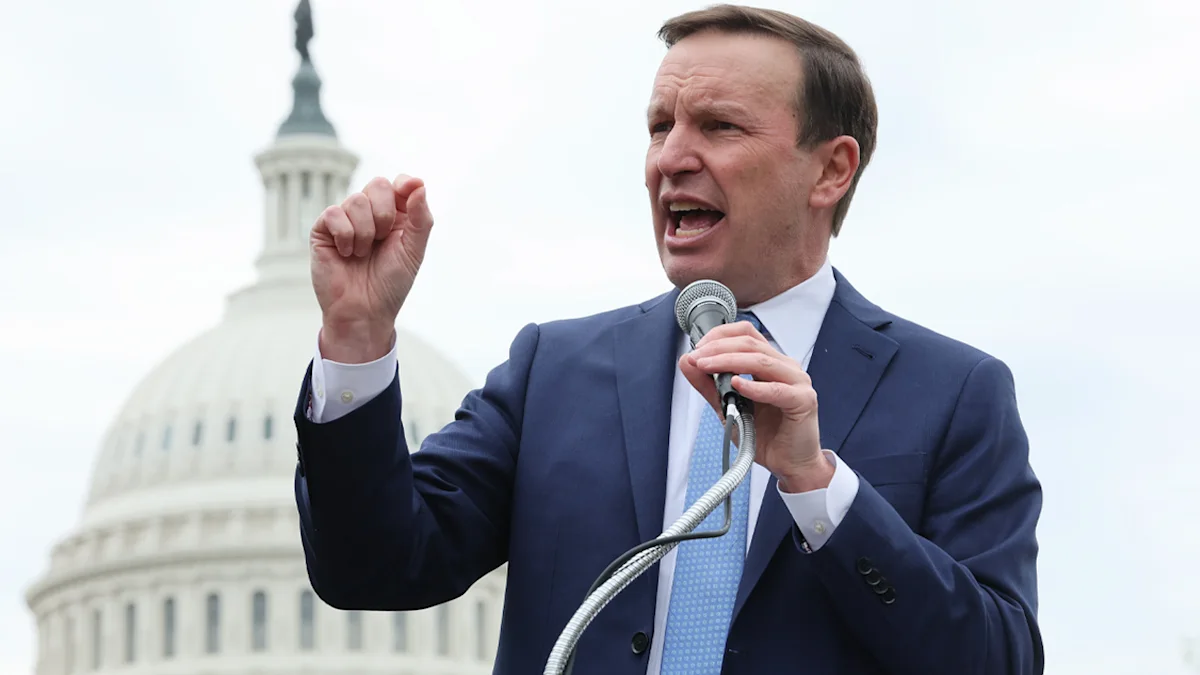
Murphy’s “Regulate the Internet” Remark and the First Amendment
When lawmakers talk about “regulating the internet,” it can sound like a simple fix for a complicated civic problem. But constitutionally, it is anything but simple. Sen. Chris Murphy recently argued on the “I’ve Had It” podcast that government should take on projects that reduce loneliness and...
Read more →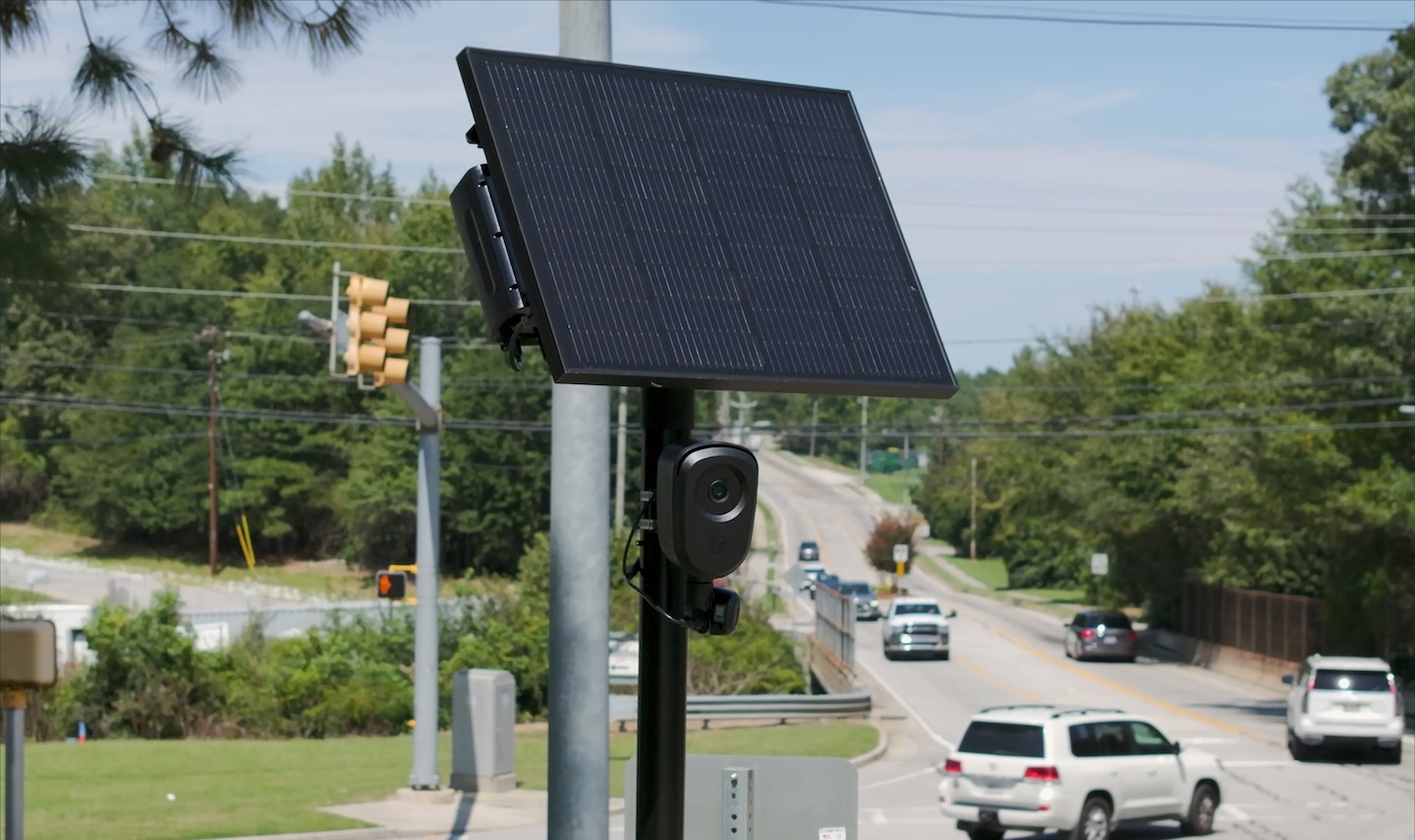
When Gunshots Become Data: Flock Alerts and the Fourth Amendment
You can hear a sound without searching anyone. That is the common-sense starting point. But modern policing is building a new chain of inference: a “bang” becomes a digital alert, the alert becomes a mapped “event,” and the event becomes a database query that can surface a list of vehicles that...
Read more →
Home Heating Oil Reserves and Presidential Power
When senators urge a president to “release the home heating oil reserve,” the phrasing is often imprecise. They are not talking about the Strategic Petroleum Reserve on the Gulf Coast, or a federal stockpile of gasoline. They usually mean one small, purpose-built program created for one problem and...
Read more →
The First Circuit’s Deportation Ruling, Explained
Deportation sounds, in political shorthand, like a single government action: you are “removed,” and that is the end of the story. In reality, deportation is a chain of smaller legal decisions. Where will you be sent? What if you face persecution or torture there? What if you have new, material...
Read more →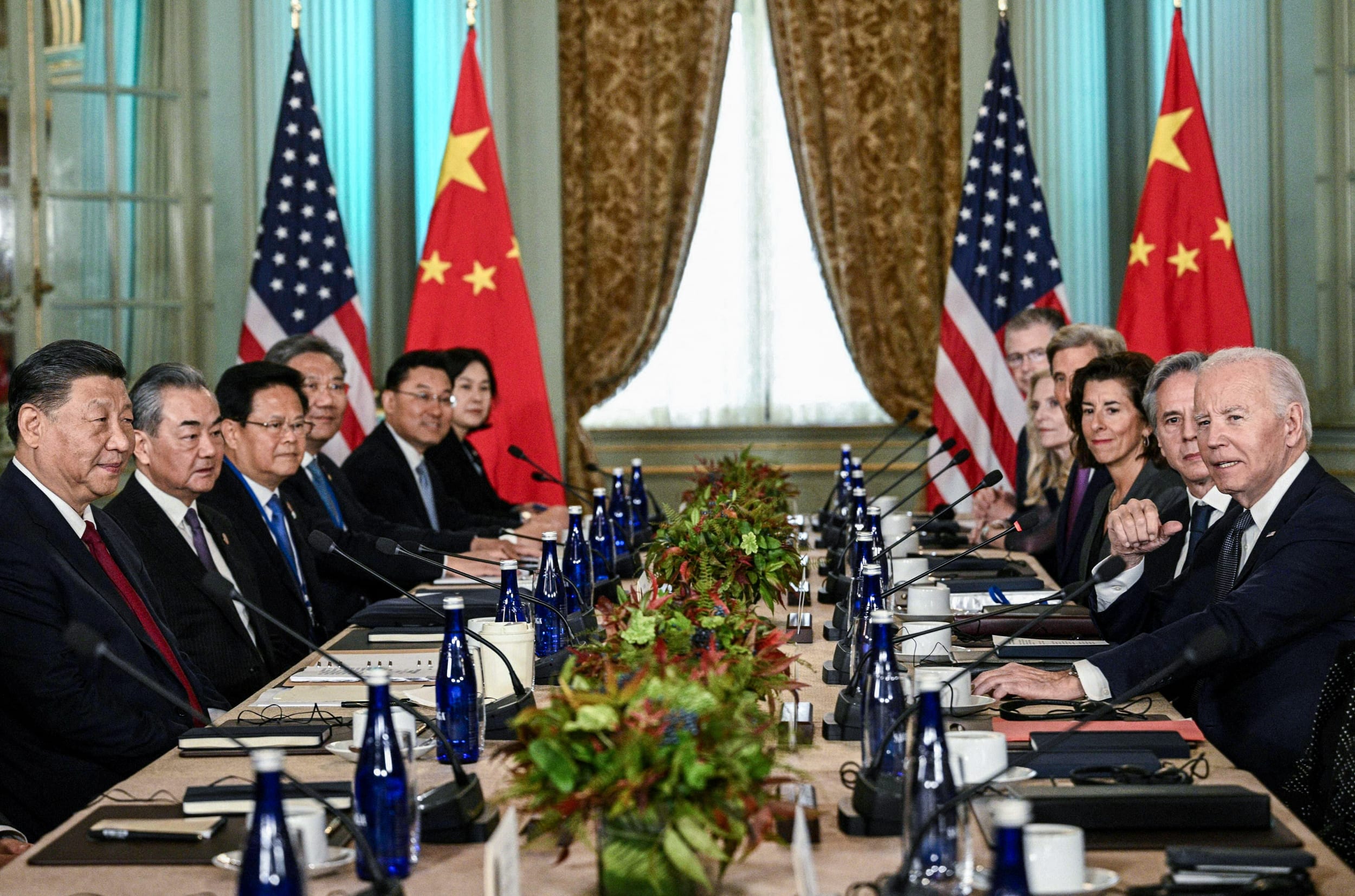
What Can the President Actually Do on Tariffs, AI, and China?
Summits make presidential power look like a single lever. A leader flies in, doors close, statements come out, markets move. But the Constitution does not give the president a “China policy” button. What it gives is a set of shared powers that pull against each other: Congress writes the rules of...
Read more →
What Happens When a Surrogate Refuses an Abortion?
You can write many things into a surrogacy contract. Parties often plan for hospital choice, prenatal testing, travel, bed rest, and who gets to cut the umbilical cord. But enforceability varies widely by state, and some provisions are limited or void as a matter of public policy. What you cannot...
Read more →
Can Congress Block a Federal Anti-Fraud Division?
You can create a “division” with a press conference. You cannot create one that actually investigates fraud, hires staff, compels documents, and brings cases without running into the Constitution’s basic architecture: Congress writes the laws, Congress controls most federal spending through...
Read more →
The Senate Filibuster, Statehood Math, and What the Constitution Actually Says
Every few years the filibuster reappears as a political cliffhanger: keep it, kill it, carve exceptions, or watch it block everything. This time the argument is tied to a second question that feels separate but is not: statehood for Washington, D.C. and Puerto Rico. Put them together and you get a...
Read more →
Who Controls Data Centers?
Data centers used to be the kind of infrastructure most Americans never had to think about. They were “somewhere else,” tucked into an industrial park, out by an airport, or behind a fence with a logo and a generator hum you could ignore. AI changed that. Training and running large models demands...
Read more →
EPA Rollbacks, Ratepayers, and the Limits of Agency Power
When an administration announces an EPA “rollback,” the headline usually comes with a second promise: lower costs. Sometimes the number is enormous. Sometimes it is framed as immediate relief for households. But the Constitution does not contain an “EPA switch” the President can flip to make rules...
Read more →
Permanent Daylight Saving Time Hits the Federal Wall
Every autumn, the same civic ritual returns: questions about when we “fall back,” why we still do this, and why it feels like we have collectively agreed to stop, only to somehow keep doing it. What is different now is that a growing number of states have already done the obvious political part....
Read more →
What Is ActBlue and Can Foreign Money Flow Into U.S. Campaign Donations?
ActBlue is not a political action committee in the way most people use that term. It is a fundraising platform, a piece of infrastructure that makes it easy for individuals to give money online to Democratic candidates, party committees, and progressive organizations. And because money in politics...
Read more →
Congress’s ‘Get Rich’ Loophole: Earmarks, Ethics Rules, and Self-Dealing
Congress has always had a strange superpower: it can write a law that moves public money, then live in the world that money reshapes. That is not automatically corrupt. It is also not automatically clean. When today’s headlines talk about a congressional “get rich” loophole, they are usually...
Read more →
Can a President Turn a Monument Site Into a Military Complex?
A recent viral, unverified claim circulating online and attributed to President Donald J. Trump says a purported “Triumphal Arch” proposal tied to the Receptive Circle by Arlington Memorial Bridge would be converted into a military facility for security purposes. Important note for readers: this...
Read more →
Why NORAD Scrambled F-16s Over Camp David
You do not have to do anything “wrong” in the ordinary criminal sense to get a fighter jet’s attention. In American airspace, some of the most consequential rules are designed for prevention, not punishment: Temporary Flight Restrictions (TFRs), prohibited and restricted areas, and the air-defense...
Read more →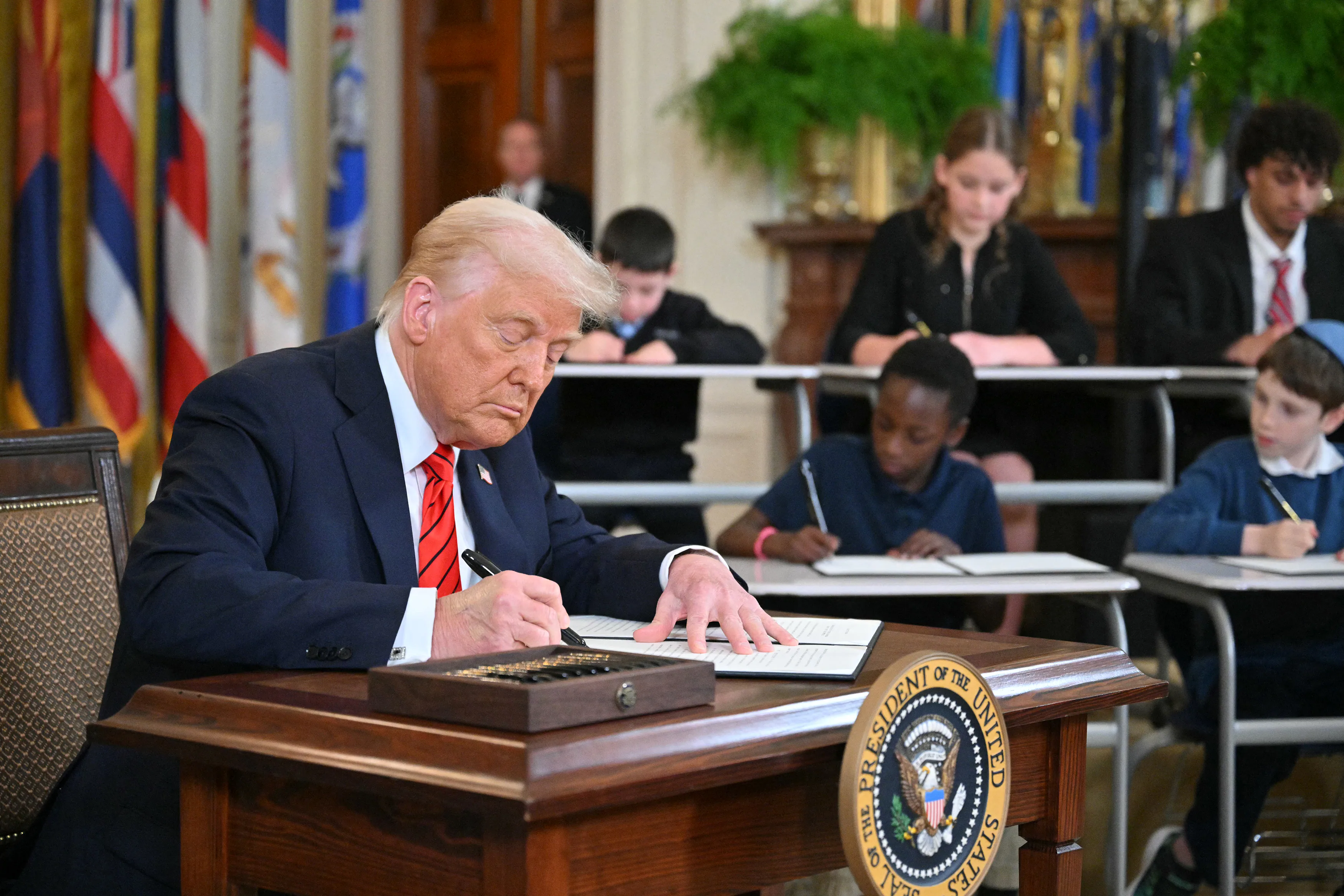
Can a President Change Mail Voting Rules?
When a president issues an executive order touching mail voting, the instinctive question is simple: can the president change election rules? The constitutional answer is less dramatic and more important. A president cannot rewrite state election law with a pen stroke. But a president can direct...
Read more →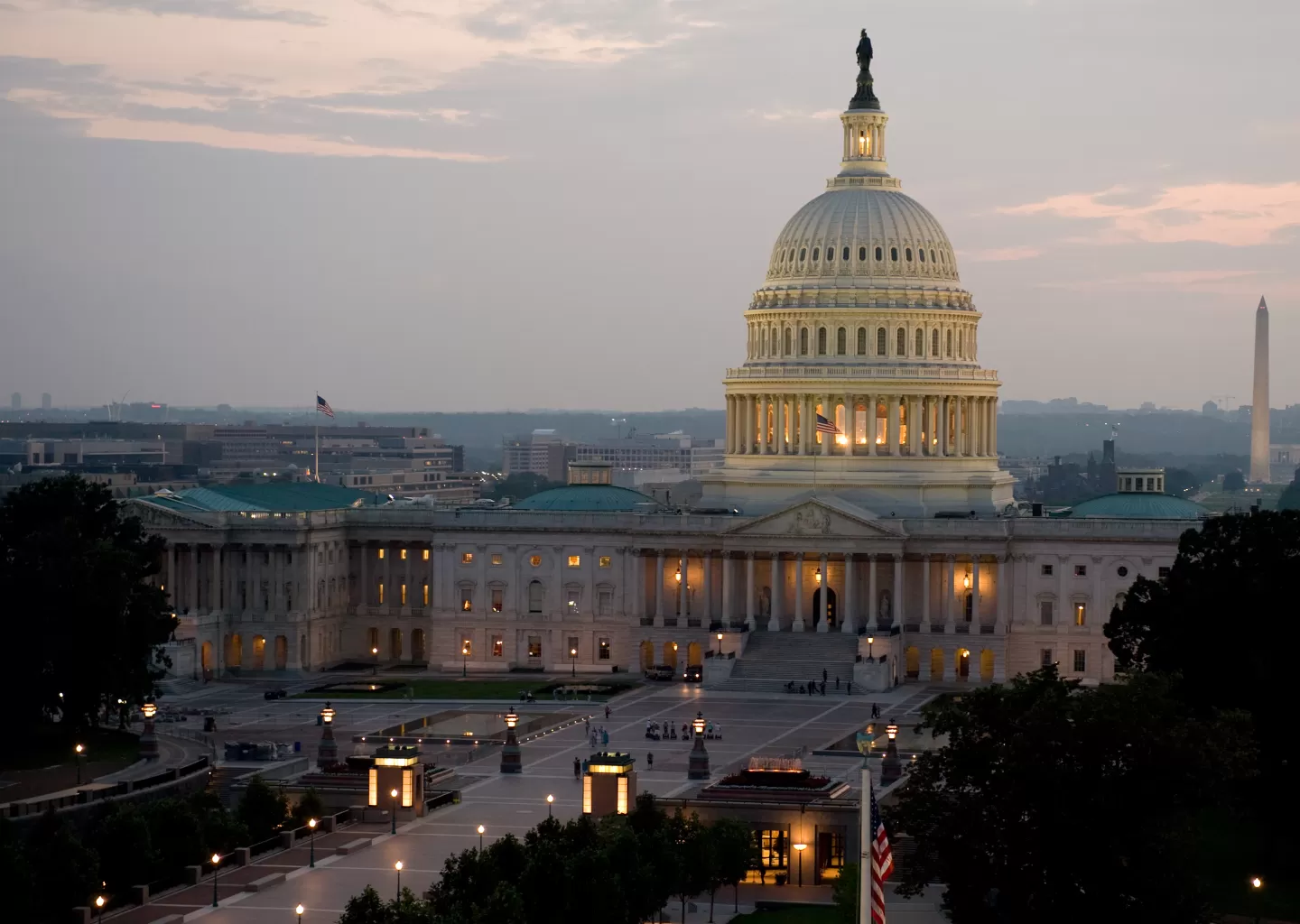
Appropriations, Mootness, and the Judgment Fund
When a federal judge says a program is still “alive and kicking,” the legal question is rarely about whether the program exists on a website. It is about whether the government can accomplish the same thing through a different pocket. That is the constitutional tension that shows up again and again...
Read more →
A “Permanent” Greenland Security Deal and the U.S. Constitution
You can almost hear the constitutional gears grinding when a headline claims the United States has signed an “Infinite Life” agreement for “permanent control over security, and all other needs, in Greenland” at “no cost,” along with a veto over foreign bases and “sensitive investments.” Even if a...
Read more →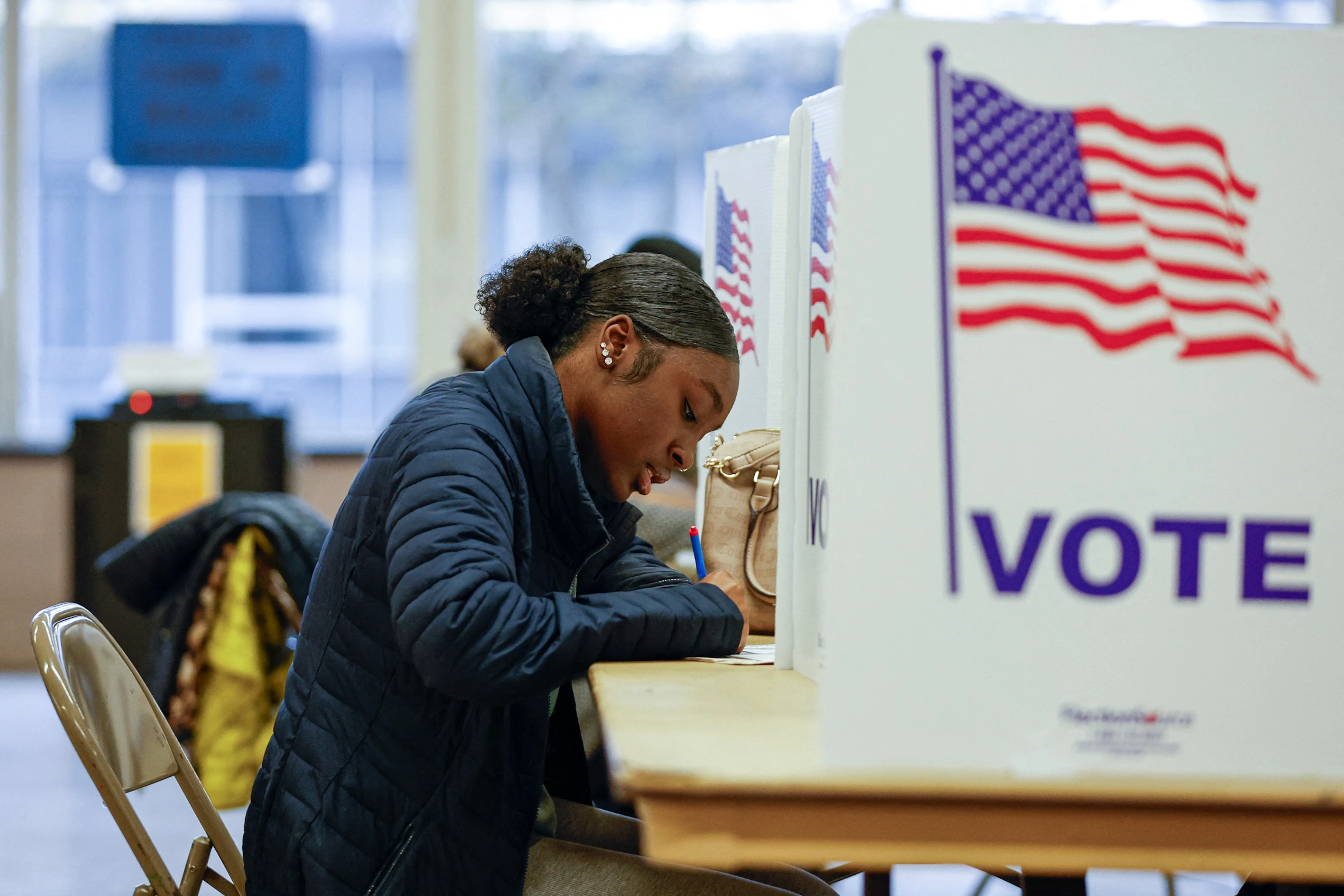
Can Noncitizens Vote in Federal Elections? What the Indianapolis Case Shows About Voting Law
Every election cycle produces a familiar question that sounds simple until you ask the Constitution to answer it: can noncitizens vote in federal elections? Today’s version of that question is tied to a concrete case. In August 2024, federal authorities publicly announced the arrest of Helda...
Read more →
Why the House Can End Early, and What It Means for an Impeachment Vote
The House of Representatives has the Constitution’s “sole Power of Impeachment.” But the Constitution does not tell the House how to schedule that power, how quickly to use it, or what happens when members clash over whether an impeachment question must come to the floor. That gap is where today’s...
Read more →