
Articles by Eleanor Stratton
Browse articles in Articles by Eleanor Stratton on U.S. Constitution
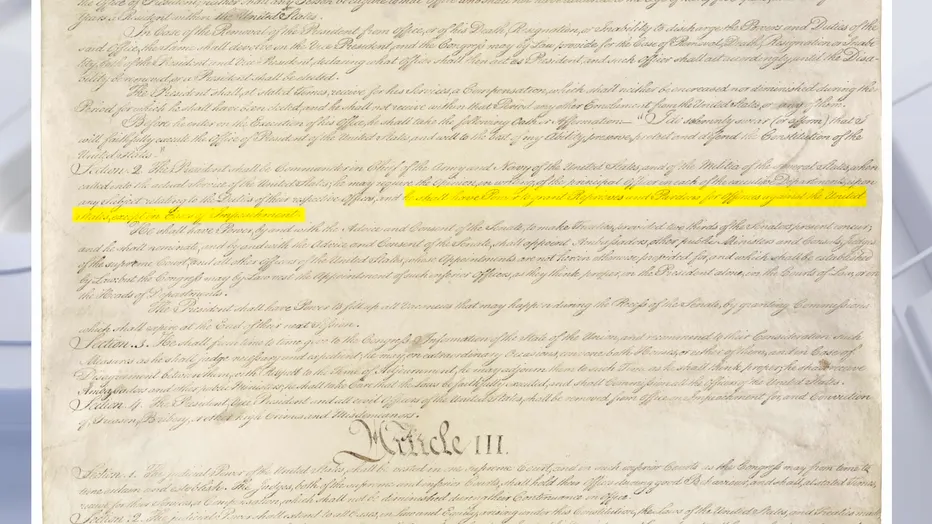
Presidential Clemency Power: Pardons, Commutations, and DOJ Vetting
When a president issues a large batch of commutations outside the usual Justice Department review pipeline, the resulting internal scramble can make clemency sound like a paperwork problem. It is not. It is a constitutional design feature, and a political accountability problem. The Constitution...
Read more →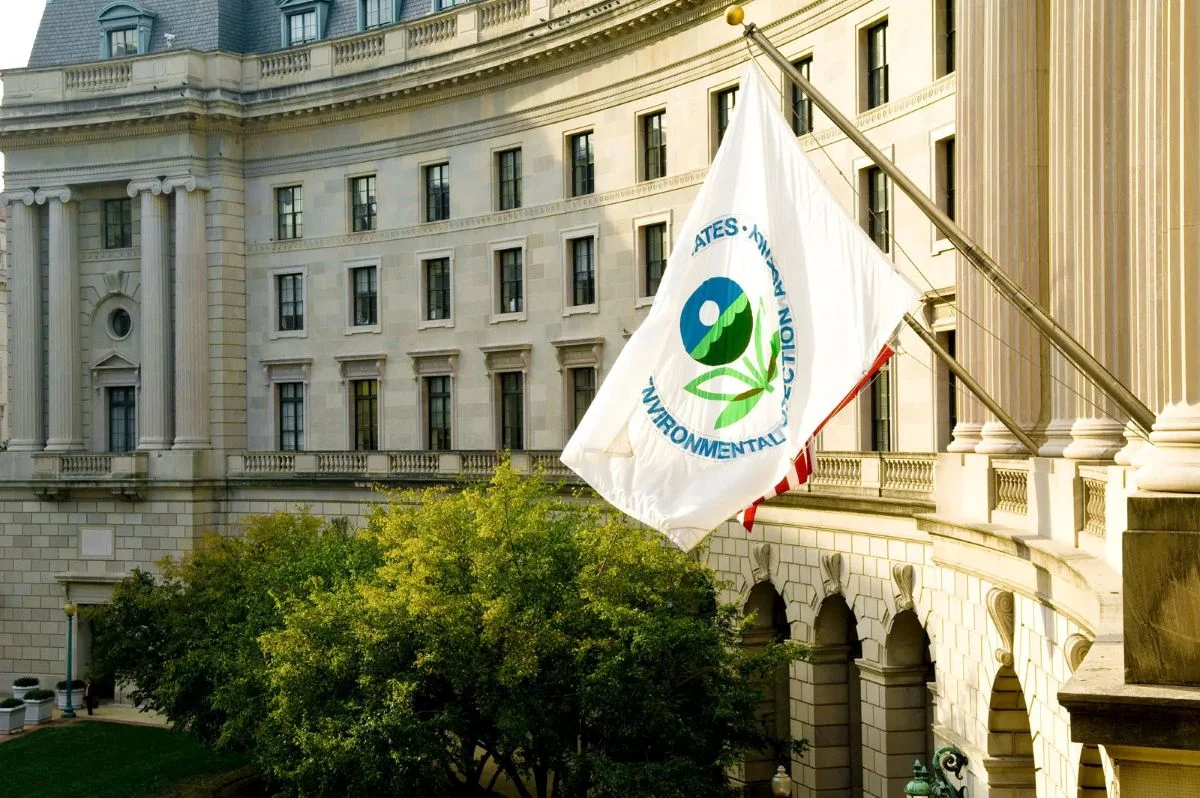
EPA Section 404(c) Explained: The Clean Water Act Veto That Can Stop Permitted Projects
You can build a project around a federal permit and still discover that the permit was never the final word. That is the core anxiety behind the recent attention to Section 404(c) of the Clean Water Act: a power Congress gave the Environmental Protection Agency (EPA) to prohibit or restrict the...
Read more →
FSU Scholarship Investigation: Title VI and Equal Protection, Explained
Florida State University is facing a federal civil-rights investigation over scholarship programs that allegedly limit eligibility based on race or sex. The headline is easy. The law underneath it is not. This story sits at the intersection of three things Americans often blur together: the...
Read more →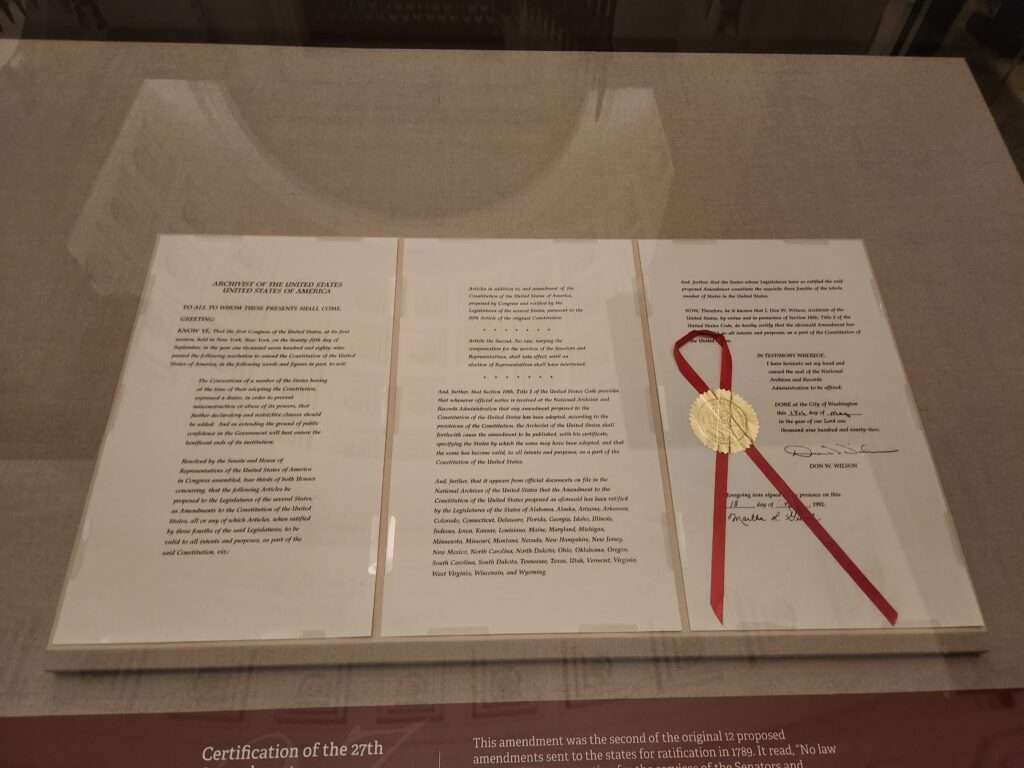
Can a President Serve a Third Term? What the 22nd Amendment Says
The question resurfaces every few years, usually after an offhand comment or a headline that sounds like a dare: can a president serve a third term? Today the answer is straightforward in law and in practice. The Constitution, through the 22nd Amendment , forbids any person from being elected...
Read more →
What Is ICE and What Can Congress Legally Do About It?
When a candidate says they want to “rip ICE apart,” they are not just making a statement about immigration policy. They are making a claim about government structure. And structure is where the Constitution quietly does most of its work. Immigration and enforcement live at the intersection of two...
Read more →
Texas Man Arrested After Rant About Age Checks Blocking His Anime
Most Americans have a pretty simple mental model of free speech: you can criticize the government, you can swear at the government, and you can be obnoxious while doing it. That model is mostly right. It just breaks down at one fraught edge case: when a political rant starts to sound like a threat....
Read more →
No Gestational Cap After Dobbs
When a headline says a state “allows abortions up to birth,” it can sound like the law has abolished every boundary. In some states, what happened is more legally specific: the state removed one kind of boundary, a week-based gestational age cap , while leaving other controls in place through...
Read more →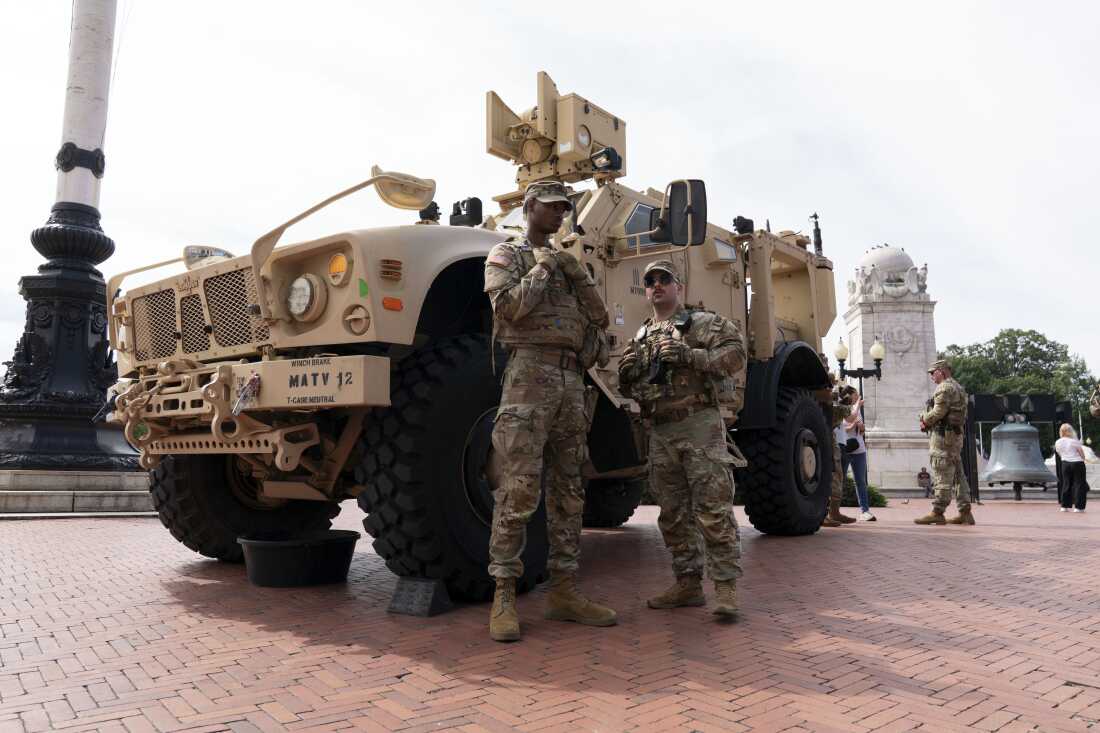
Can the President Send the National Guard Into Cities?
The Constitution does not have a neat clause that says, “The President may send the National Guard into cities when crime rises.” What it does have is something broader and more consequential: a structure that splits military power between the federal government and the states, and then hands...
Read more →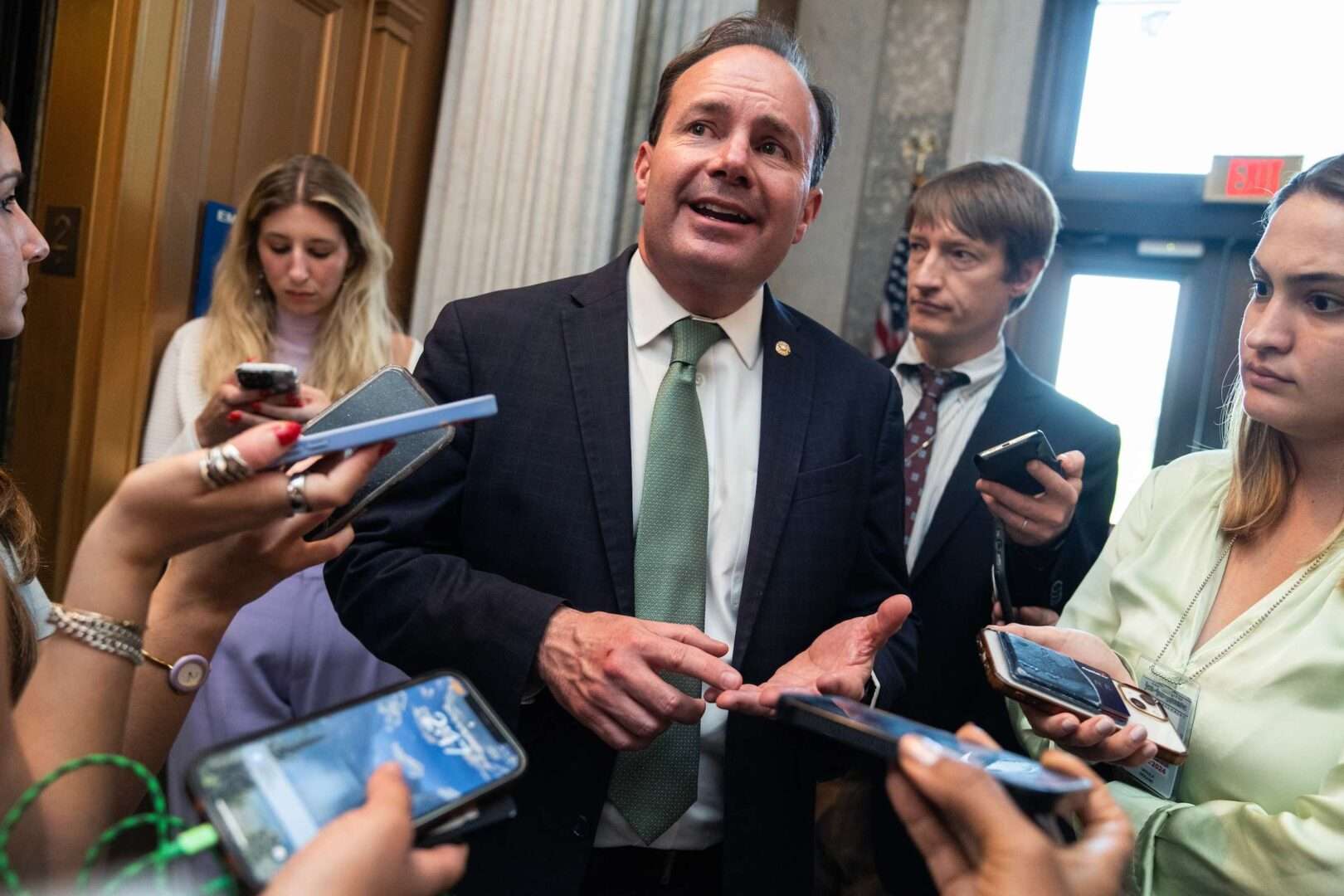
What Is the SAVE Act?
When a bill is “on the shelf” in the Senate, it often sounds like a political judgment. Usually it is something much more procedural: a tangle of unanimous-consent requests, objections that may or may not come, and the Senate’s unique ability to run on consent until a single senator says no. The...
Read more →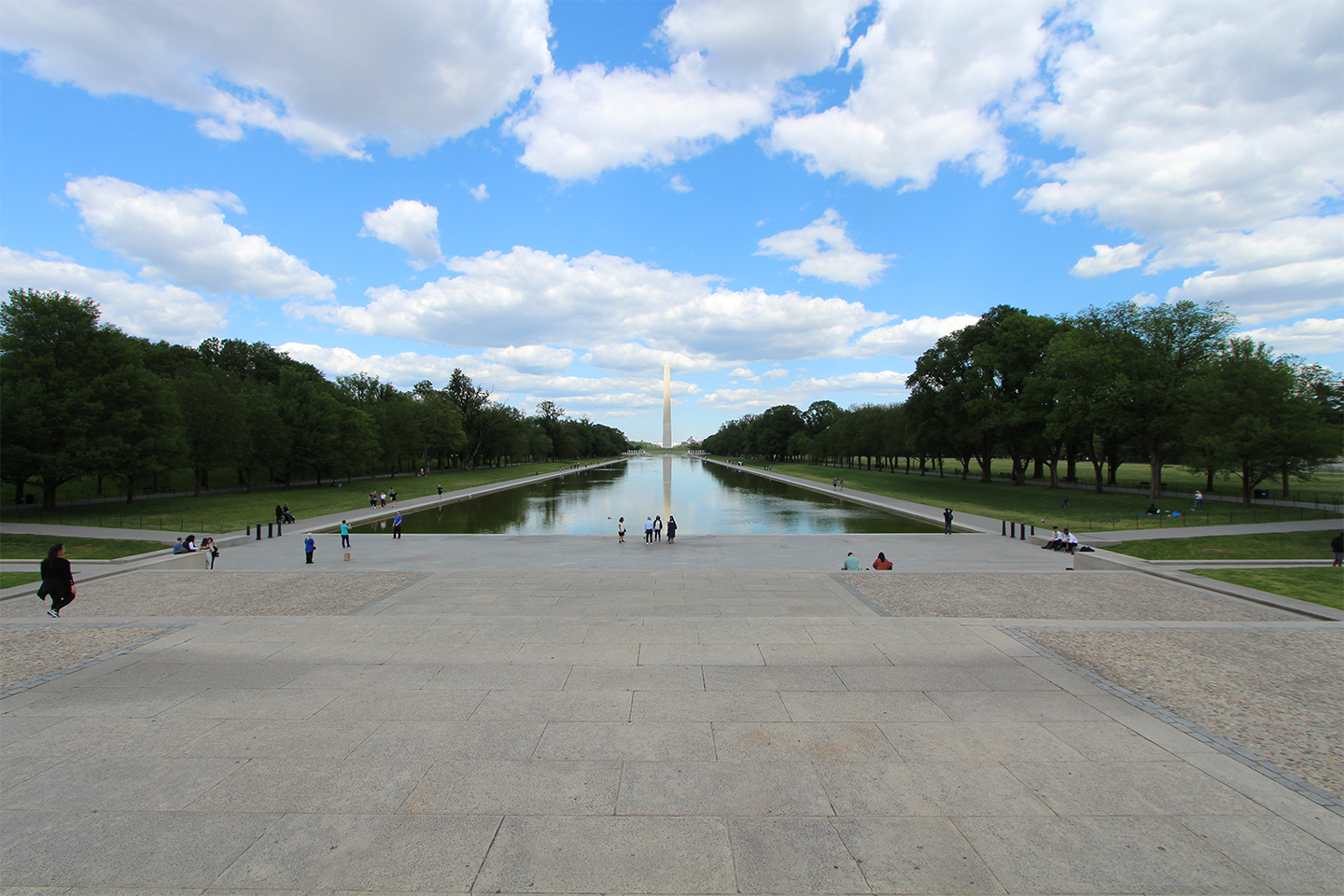
Reflecting Pool Vandalism: What Federal Law Covers
You can stand at the Lincoln Memorial, look down the National Mall, and feel like you are standing inside the country’s shared memory. That is part of why vandalism stories involving the Reflecting Pool resonate so strongly. The Pool is not just a tourist backdrop. It is part of the National Mall...
Read more →
Can Religion Disqualify Someone From Public Office?
You can feel the tension in the question because it lives at the intersection of two American instincts: the desire to judge leaders by character and the fear that government will start judging citizens by creed. That is why the Constitution, unusually early and unusually bluntly, draws a bright...
Read more →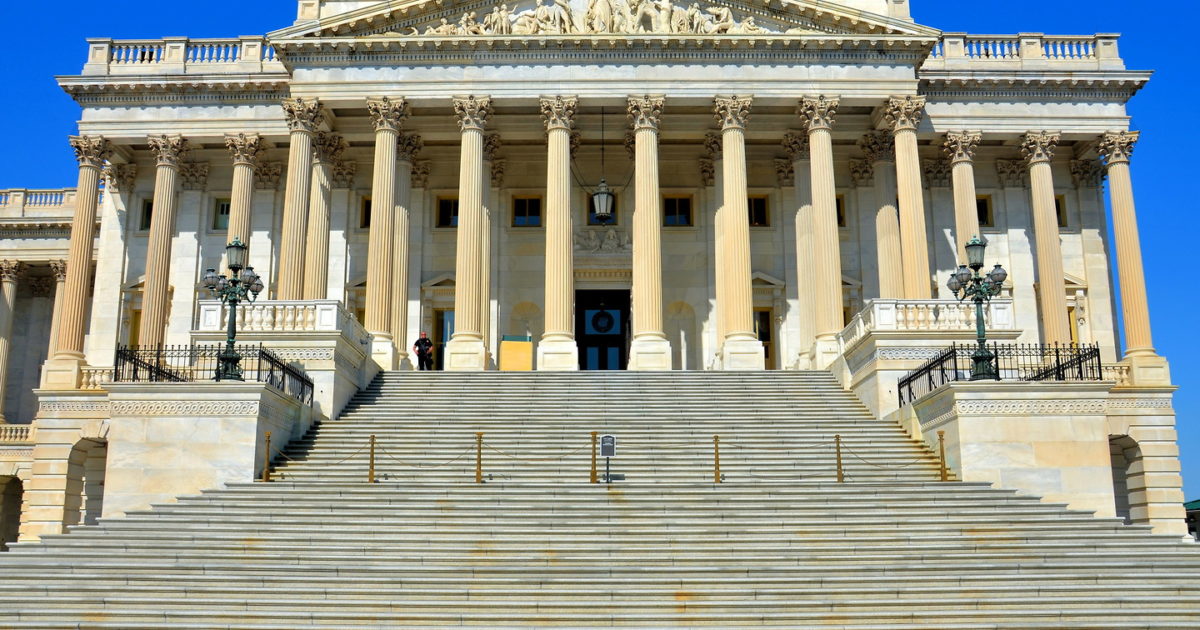
What Is the Filibuster?
You can spot a filibuster fight a mile away because it always sounds like a constitutional argument. One side says the Senate is being “paralyzed.” The other says the Senate is doing what it was designed to do: cool the passions of the moment. But the filibuster itself is neither a constitutional...
Read more →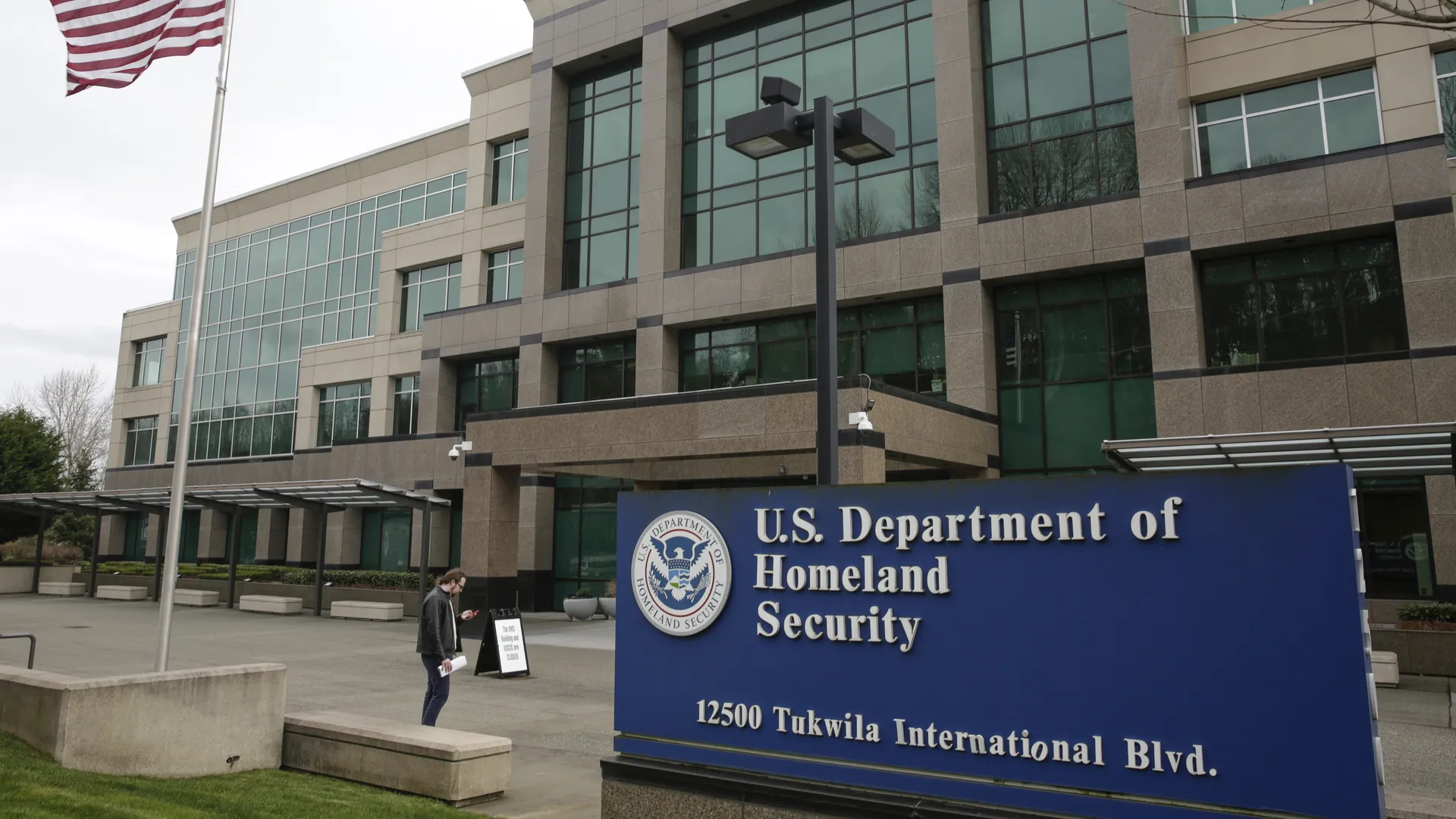
What Is TPS? How Temporary Protected Status Works and Why Haiti TPS Can End
Temporary Protected Status, or TPS, is one of the most misunderstood parts of U.S. immigration law because the word protected can sound like a permanent guarantee. It is not. TPS exists because Congress wrote a statute that lets the executive branch temporarily shield certain people already in the...
Read more →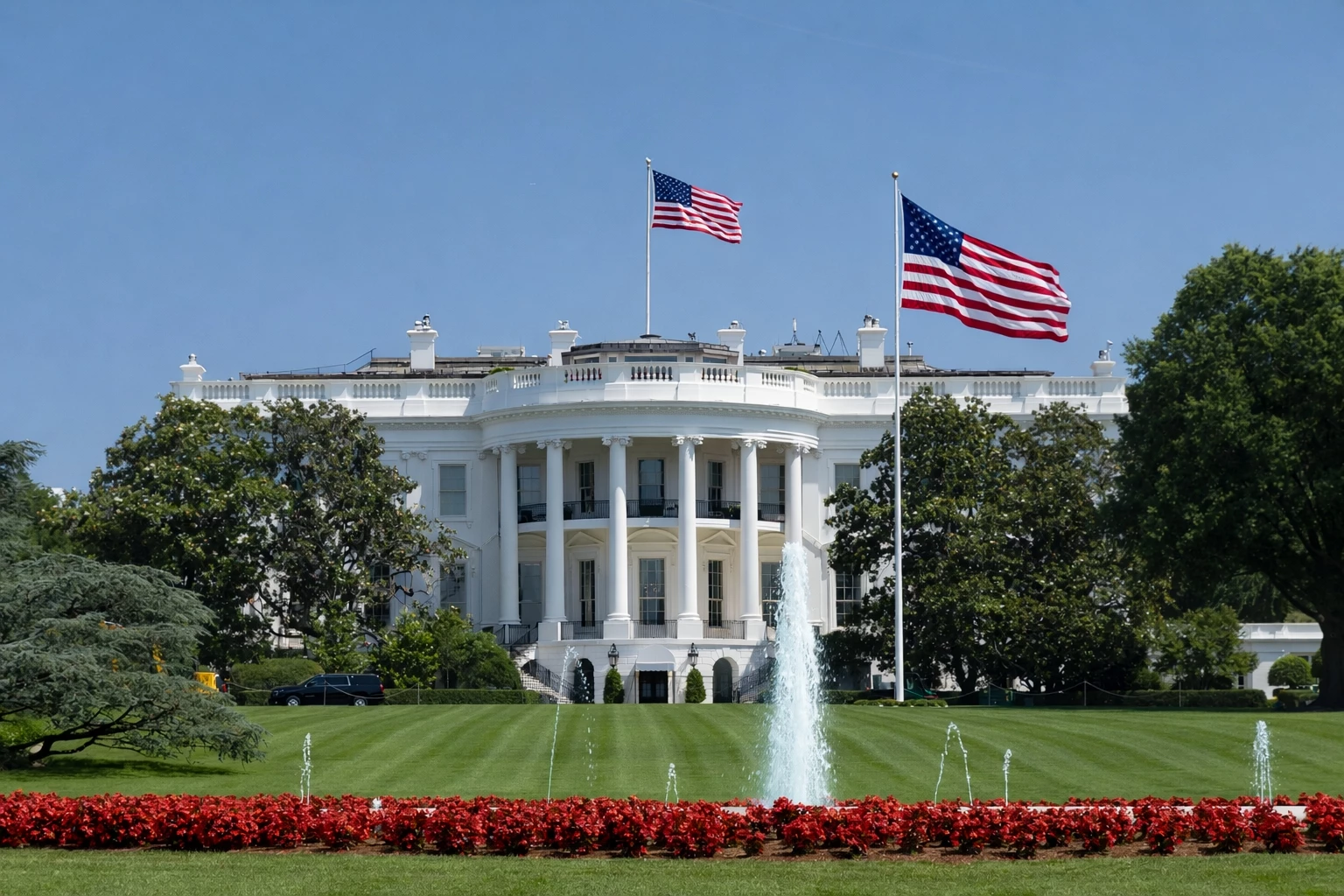
Can a President Renovate the White House Without Congress?
You can feel the constitutional nerve being touched whenever a president says, in effect, This is my house to secure and improve , and critics respond, You are a temporary occupant , and a court could ultimately agree in some form. To be clear, what follows is not a report about a specific, current...
Read more →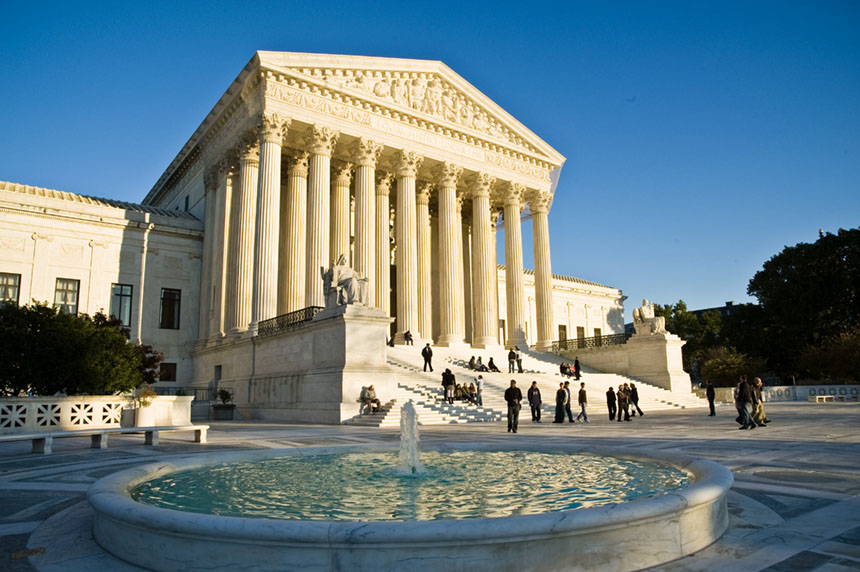
After the Affirmative Action Ruling: What Colleges and Law Schools Can Still Consider
When the Supreme Court decided Students for Fair Admissions v. Harvard and Students for Fair Admissions v. University of North Carolina in 2023, it did not say colleges must ignore a student’s life story. It held that the specific race-conscious admissions programs before it violated the Equal...
Read more →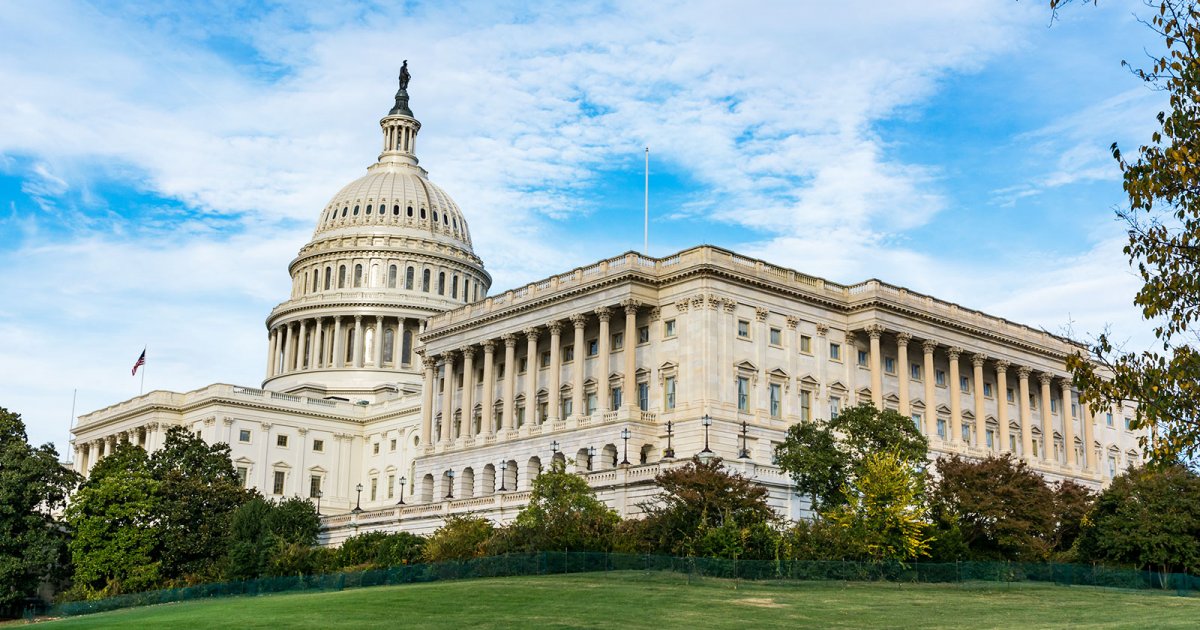
How a Government Shutdown Works
A government shutdown sounds like the whole United States government goes dark at once, like someone flipped a master breaker in the Capitol basement. In reality, a shutdown is something more mundane and more constitutional than that. It is what happens when Congress does not enact funding...
Read more →
Can You Protest Outside a Church? First Amendment Limits and New Penalties Explained
You can protest outside a church. In many situations, it is classic First Amendment activity: speech, assembly, petition, all happening on a public sidewalk where Americans have always argued about public questions. But you cannot turn “protest” into a veto on worship. The Constitution protects...
Read more →
Can Mail Ballots Be Counted After Election Day?
Every election cycle, the same question comes roaring back: if Americans vote on Tuesday, why are officials still counting on Friday, or next week, or sometimes longer? That confusion gets sharper when lawmakers point to a single rule they want nationwide: all mail ballots must be received by the...
Read more →
Haiti TPS Explained: What Temporary Protected Status Is and What Court Orders Change
Temporary Protected Status sounds like something the Constitution must mention somewhere, tucked between “naturalization” and “habeas corpus.” It does not. TPS is not a constitutional right. It is a statute, a policy tool Congress created and the executive branch administers. That distinction is...
Read more →
California Emissions Waivers Explained
California has more influence over what cars you can buy than most states have over their own speed limits. That sounds like a punchline until you read the statute. Under the federal Clean Air Act , California can ask the Environmental Protection Agency for permission to set vehicle emissions rules...
Read more →