
When a major political figure endorses expanding the Supreme Court and abolishing the Electoral College, the debate usually jumps straight to motives and consequences. But the more basic question is structural: what does the Constitution actually require for either change?
These two reforms get paired together because they are often described as democracy reforms. Constitutionally, though, they are not twins. One mostly lives in statutory law. The other is built into the Constitution’s text.

Join the Discussion
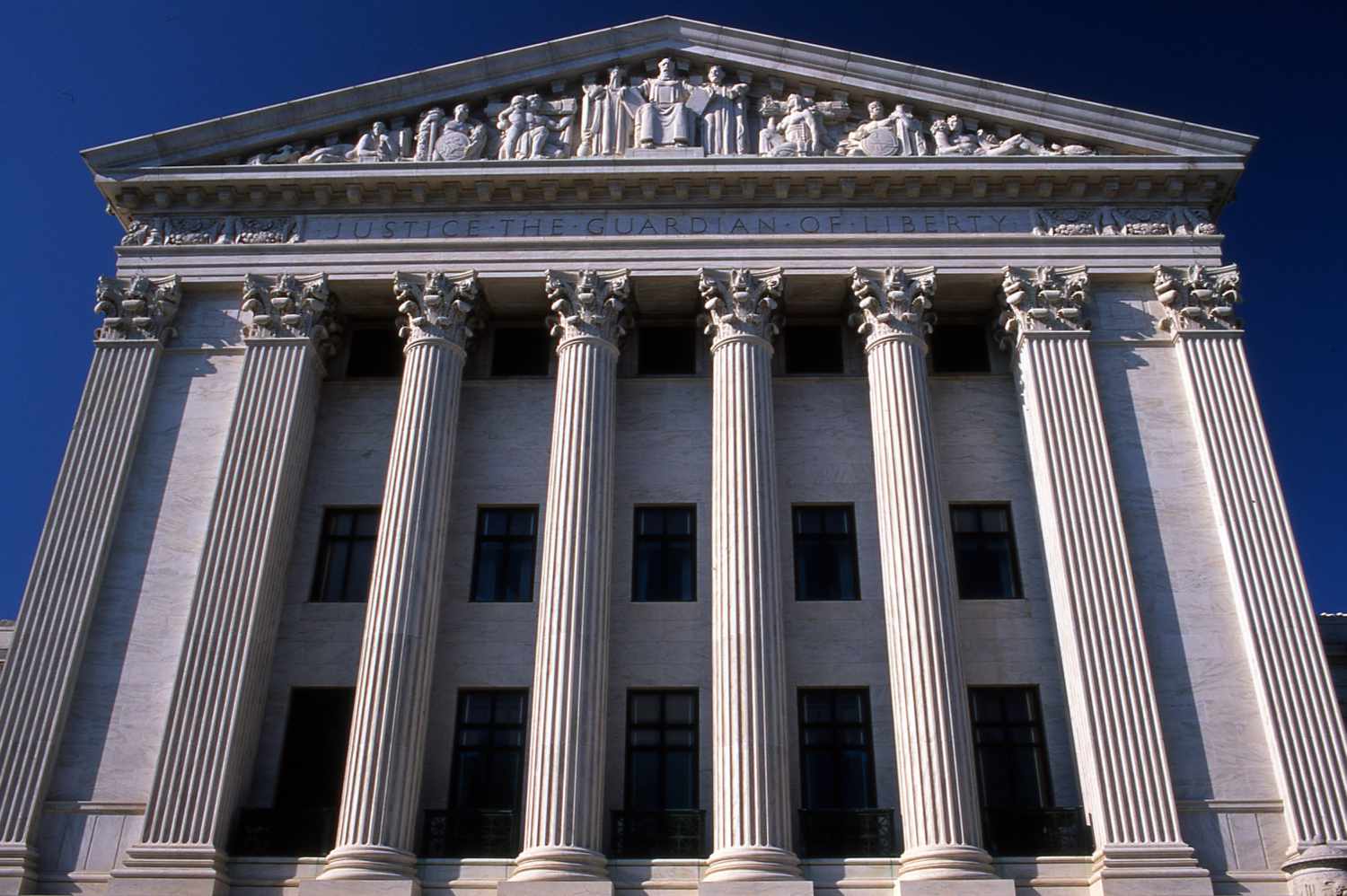
The Constitution does not set the Court’s size
Start with a surprise that is only a surprise because we rarely read the document closely. The Constitution creates “one supreme Court,” but it never says how many justices must sit on it.
Article III, Section 1 vests the judicial power in “one supreme Court” and in “such inferior Courts as the Congress may from time to time ordain and establish.” But it does not lock in a number of seats on the Supreme Court. That silence is the constitutional space where Congress has always operated.
So who decides the number of justices?
Congress does, by ordinary legislation. The size of the Court is set by statute, and Congress has changed it multiple times in U.S. history. The current number, nine, comes from the Circuit Judges Act of 1869 (often summarized as the Judiciary Act of 1869), not from Article III.
Yes, Congress has changed it before
If you want the short historical proof that this is a statutory question, it is right in the timeline. Congress set the Court at 6 in 1789, then changed it to 7, then 9, then 10, then back down to 7, and eventually to 9 again in 1869. The politics were often heated, but the legal mechanism was the same: a statute.
What expanding the Court would require
- A bill passed by the House and Senate that changes the statutory number of justices.
- The President’s signature, or a veto override by two-thirds of each chamber.
- New nominations made by the President and confirmed by the Senate, under Article II’s Appointments Clause.
No constitutional amendment is required to increase (or decrease) the number. That does not make it easy politically. It just makes it a legislative fight, not an Article V fight.
Could the Supreme Court stop Congress from expanding it?
The Court could hear challenges around how a change is implemented, but the basic power is plain: if the Constitution does not specify a number, and historical practice shows Congress setting the number by statute, the baseline argument for congressional authority is strong.
The deeper constraint is institutional rather than textual. Court expansion is lawful in the same sense that changing the number of lower-court judgeships is lawful. The question becomes whether the country wants the precedent, and what it means for the next round of escalation.
The Electoral College is constitutional design
If court size is a place where the Constitution is silent, presidential selection is the opposite. The Electoral College is not a custom that grew up around the text. It is the text’s design.
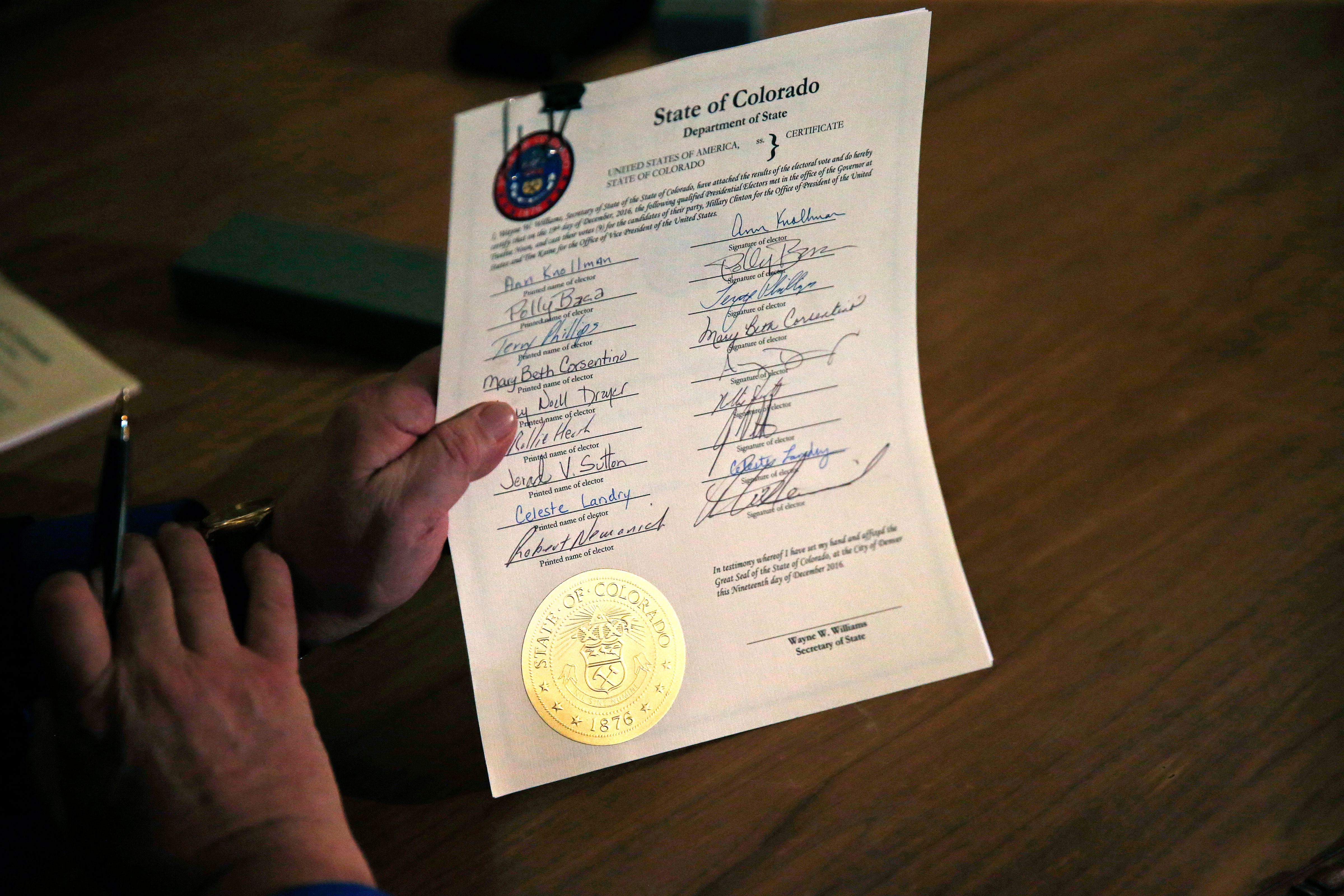
Article II provides that states appoint electors “in such Manner as the Legislature thereof may direct.” The Twelfth Amendment then rewires the original voting mechanics after the election of 1800 exposed a design flaw. Together, they create the system we still use: state-appointed electors meet, cast votes for President and Vice President, and those votes are counted in Congress.
Can Congress abolish the Electoral College by statute?
No. Congress can regulate pieces of federal elections, and it can set the date when electors are chosen and when they vote. But it cannot, by ordinary law, delete the constitutional mechanism for choosing the President.
When the Constitution specifies a structure, statutes have to fit inside it. You cannot swap out a constitutional rule with a normal bill.
What abolition would actually take
To abolish the Electoral College and replace it with a national popular vote, you would almost certainly need a constitutional amendment under Article V.
- Proposal: Two-thirds of both the House and Senate, or a convention called by two-thirds of state legislatures (a method never used).
- Ratification: Approval by three-fourths of the states, either through state legislatures or state conventions, depending on the method Congress chooses.
This is why Electoral College abolition is so often discussed and so rarely achieved. It is not merely controversial. It is constitutionally expensive.
The workaround people mean
There is a reason you will sometimes hear a softer version of the idea: keep the Electoral College on paper, but make it track a popular vote in practice.
States can change how they award electors
Article II gives states wide discretion over how they appoint electors. Today, almost every state uses a winner-take-all approach, but the Constitution does not require that. Maine and Nebraska use district-based allocation (two electors statewide and one per congressional district). A state could, in theory, allocate electors proportionally.
States can also require electors to follow the state’s rules. In Chiafalo v. Washington (2020), the Supreme Court upheld state laws that bind electors and penalize “faithless” voting. That matters because many practical reform ideas depend on states being able to control how electors cast their votes.
The National Popular Vote Interstate Compact
The most prominent proposal in this category is the National Popular Vote Interstate Compact, an agreement among states to award their electors to the winner of the national popular vote once enough states join to reach 270 electoral votes.
Is it constitutional? The best honest answer is: it is untested at the Supreme Court, and the hardest questions live in the Constitution’s Compact Clause (Article I, Section 10). Compact Clause doctrine often turns on whether an interstate agreement increases state power in a way that encroaches on federal supremacy, which is why the question of congressional consent gets so much attention.
Even if a compact survives, it is not the same thing as abolition. The Electoral College would still exist. The electors would still vote. The Constitution would still be doing what it says it does, just with states coordinating how they use their power.
Why these ideas return
Big structural reforms resurface when two conditions collide: (1) people believe a governing institution is producing outcomes detached from majority preferences, and (2) they believe the normal political levers cannot fix it fast enough.
The Court and the Electoral College both sit in that pressure zone, but for different reasons. Court legitimacy fights tend to be about interpretation and tenure. Electoral College fights tend to be about representation and geography.
Those are political arguments. The constitutional point is narrower and more durable: the pathway for changing each system is different because the Constitution treats them differently.
Quick answers
Is Supreme Court expansion constitutional?
Yes. The Constitution does not fix the number of justices. Congress can change the Court’s size by statute, as it has before.
Does expanding the Court require an amendment?
No. It requires legislation and then new appointments confirmed by the Senate.
Can the Electoral College be abolished without an amendment?
Not directly. Abolition means altering the Constitution’s method of choosing a President, which points to Article V. States may be able to coordinate how they use the Electoral College, but that is not the same thing as removing it.
What is the hardest part of abolishing the Electoral College?
Ratification. Article V requires approval from three-fourths of the states, and smaller states often have incentives to keep a system that can amplify their influence, although the politics can vary by era and alignment.
The bottom line
Expanding the Supreme Court is a question of Congressional power under ordinary law. Abolishing the Electoral College is a question of constitutional redesign under Article V.
That distinction matters because it separates what can change with ordinary legislation from what can change only when the country reaches supermajority agreement across states. In the American system, the barrier is often the point.