Attorney General nominations tend to attract drama for an obvious reason: the person being confirmed will lead one of the federal government’s most powerful legal institutions, with authority over federal criminal prosecutions, major civil enforcement, and the Justice Department’s legal positions in court. So when a nominee bogs down because a senator objects or the White House threatens to pull the nomination, the news can sound like it is all personality and leverage.
But the machinery underneath is older than the headlines. The Constitution sets the basic deal, the Senate builds the procedures, and both sides use time as a negotiating tool. If you want to understand a standoff over an Attorney General nominee, you have to understand three things: where the power comes from, where the friction points are, and what actually forces the system to move.
Join the Discussion
The constitutional hook
The Attorney General is not elected. The office sits inside the executive branch, but it is filled through a shared constitutional process.
Article II, Section 2 of the Constitution says the president “shall nominate, and by and with the Advice and Consent of the Senate, shall appoint” officers of the United States. Cabinet officers, including the Attorney General, fall into that category of principal officers who require Senate confirmation.
Two points are easy to miss:
- The president’s power is the nomination. The Constitution gives the president the initiative. The Senate does not pick the nominee.
- The Senate’s power is consent or refusal. The Constitution does not require the Senate to approve anyone. It also does not require the Senate to move quickly.
That last part is where most standoffs live. “Advise and consent” does not come with a deadline. And in practice, some of the Senate’s “advice” happens before a name is ever sent up, through informal consultation with senators and committee staff.
How confirmation works
In practice, confirming an Attorney General usually follows a predictable Senate path, even when politics are unpredictable.
1) The president submits the nomination
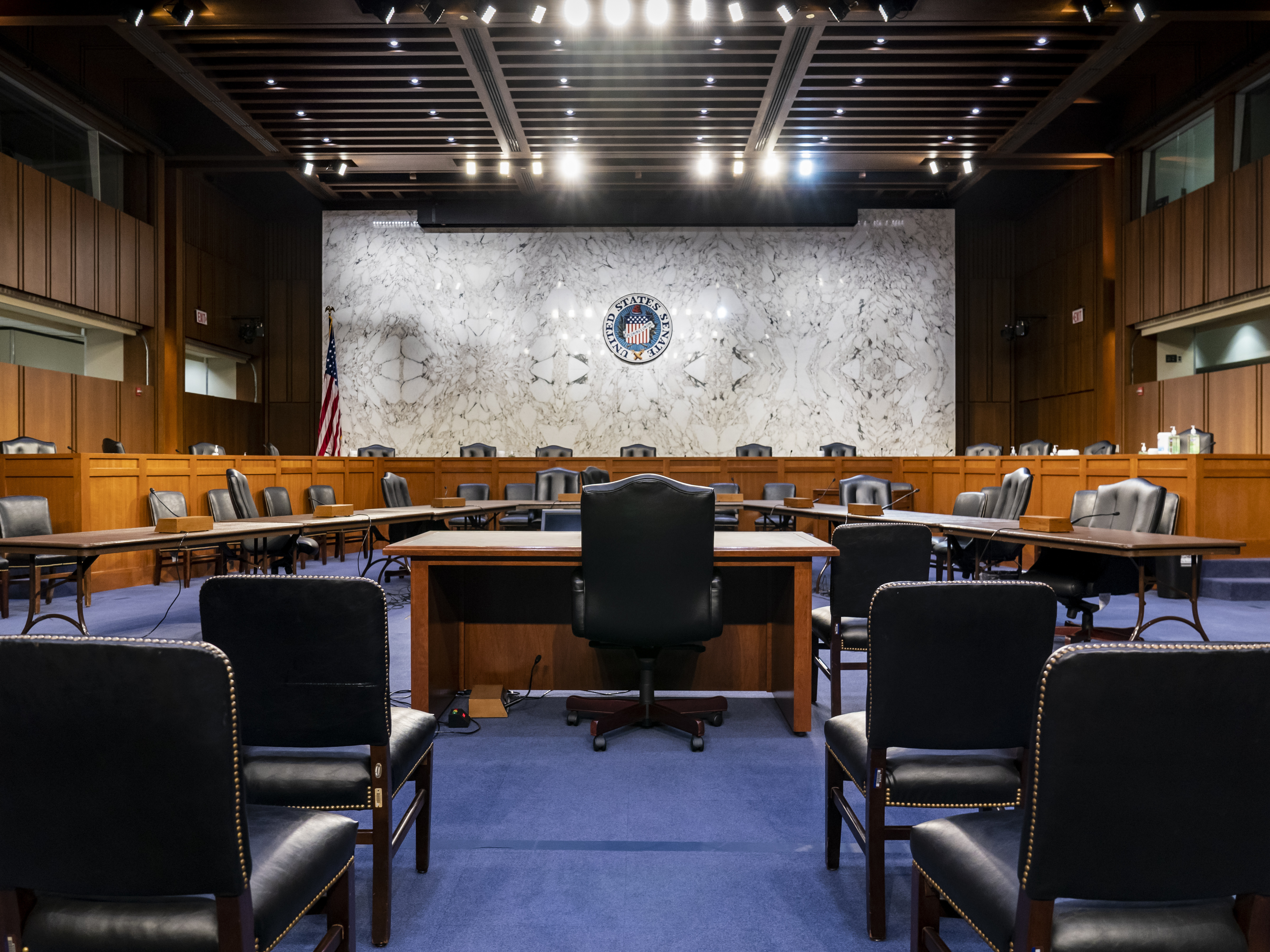
The nomination is formally transmitted to the Senate and referred to the Senate Judiciary Committee, the committee with jurisdiction over the Department of Justice and most federal legal nominations.
2) Judiciary investigates and holds hearings
The nominee completes extensive paperwork, financial disclosures, and ethics forms. The committee reviews materials, questions the nominee, and typically holds a public hearing. Senators use hearings to probe legal philosophy, management plans, and controversies that might affect the Department’s independence and credibility.
3) The committee votes
The committee can vote to report the nominee favorably, unfavorably, or without recommendation. A nominee can still be confirmed after an unfavorable report, but it is a flashing warning light to the full Senate.
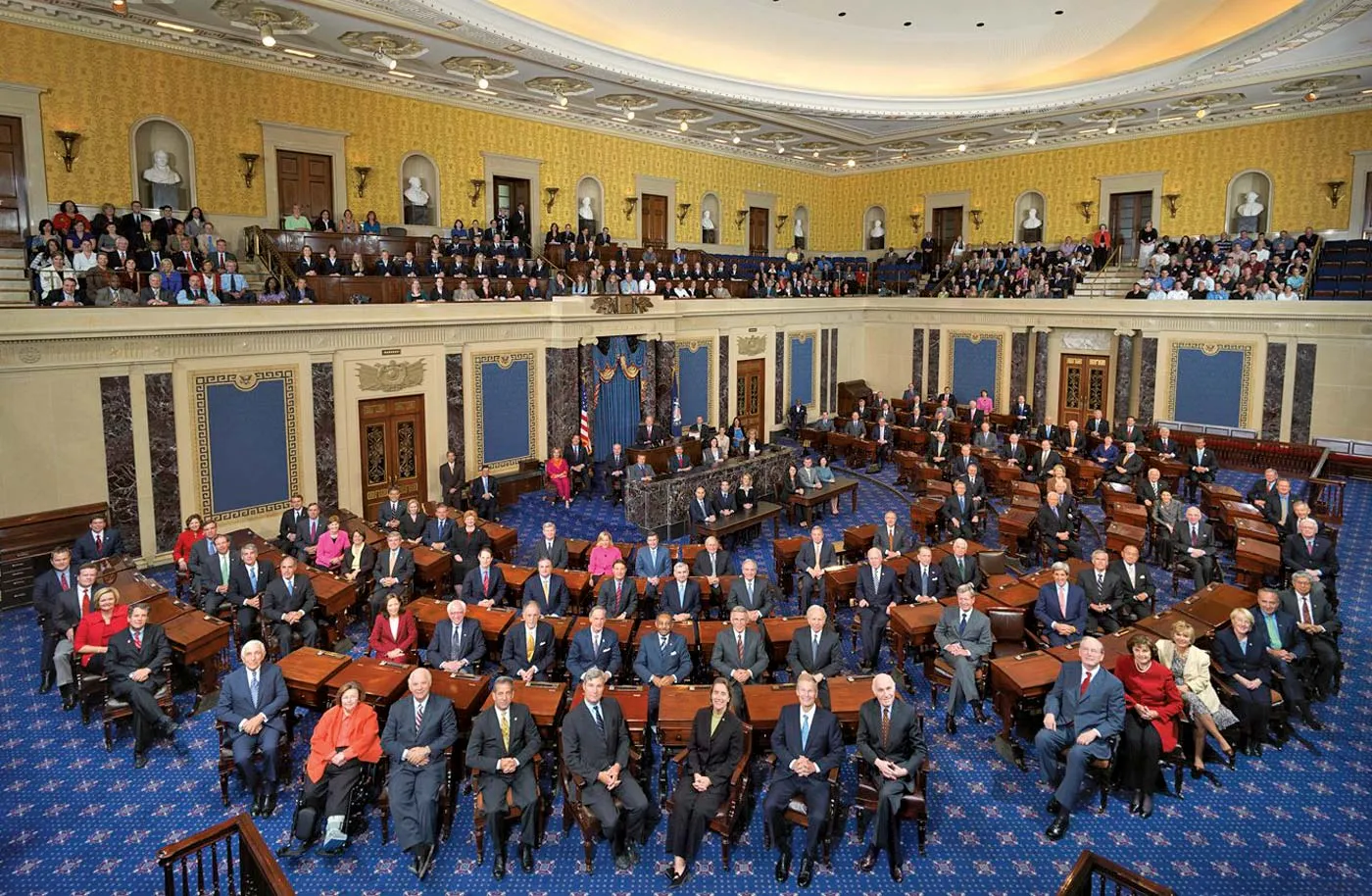
4) The full Senate considers the nomination
The majority leader controls the floor schedule. That means even after a committee vote, the nomination can sit. When it is brought up, the Senate debates and votes. For executive branch nominations, confirmation is by a simple majority.
In today’s Senate, the decisive procedural question is usually not whether the nominee needs 60 votes to be confirmed. It is whether opponents can force enough delay to extract concessions by making the Senate spend scarce floor time.
Where nominations stall
The Constitution tells us who nominates and who confirms. It does not tell us how quickly the Senate must act or how it must structure its internal workflow. That is where Senate rules and norms create leverage.
Committee delays
If committee leadership is not ready to move, hearings can be delayed or follow-up questions can stretch the timeline. Sometimes delays are about substance. Sometimes they are about bargaining power.
Floor time
Even after committee action, the nomination may not be scheduled for a vote. The leader’s calendar is crowded, and floor time is the Senate’s scarce resource. A nomination can be used as a pressure point in broader negotiations.
Informal holds
Senators often place an informal “hold” on a nomination, signaling that they will object to quick consideration. A hold is not a constitutional power and it is not a formal Senate vote. It is a warning about what will happen next: the senator intends to block unanimous consent and force the majority leader to use time-consuming procedures to proceed.
Put concretely, if leadership tries to bring a nomination up quickly and a senator objects, the Senate may have to go through additional steps to end debate and reach a final vote, consuming significant floor time that could range from hours to longer, depending on the situation and the category of nomination.
Can one senator block a nominee?
Not forever, at least not in a Senate where the majority is willing to spend time.
A single senator cannot unilaterally defeat a nominee if the majority has the votes for confirmation. What one senator can do is make it costly to proceed by objecting to unanimous consent and forcing leadership to burn floor time.
It also helps to separate two outcomes that can look similar from the outside:
- Defeat means the Senate votes no (or the committee vote, or public pressure, makes a yes-vote impossible).
- A stall means the Senate never gets to the vote, usually because time and scheduling become the choke point.
Whether the “scheduling tax” functions like a blockade depends on circumstances:
- If the Senate has other urgent business, leadership may choose delay over a procedural fight.
- If the majority margin is thin, leaders may delay to avoid a defeat.
- If the nomination is tied to a deal, a hold becomes a bargaining chip rather than a final verdict.
So the honest answer is this: one senator cannot permanently veto, but one senator can force the nomination to become a test of the majority leader’s priorities.
What about “forcing a vote”?
Presidents talk about wanting a vote, and nominees often want closure, but the president cannot command the Senate to schedule anything. Separation of powers runs both ways.
The Senate is not an executive branch agency. It sets its own rules under Article I. The majority leader has enormous agenda control, and even that control is constrained by the Senate’s debate rules and the time required to move contested matters.
That is why nomination standoffs often look like they are about one senator, when they are really about the Senate’s institutional preference: it moves at the speed of agreement, not the speed of presidential timelines.
Can a president withdraw a nomination?
Yes. As a practical matter, presidents can withdraw nominations, and the Senate generally treats the nomination as ended once the withdrawal is received. Presidents also can ask nominees to step aside, which produces the same result.
But withdrawal is not a magic button that produces a new Attorney General. It simply reopens the process. A new nominee must run the same gauntlet: committee scrutiny, floor scheduling, and the same Senate dynamics that stalled the first pick.
Withdrawal can be a negotiating threat, and it can be a face-saving exit. But constitutionally, it does not override the Senate’s role. It just resets the board.
What happens at DOJ during a stall?
The Justice Department does not stop operating because a nomination stalls. The question becomes who leads it, and in what capacity.
Acting leadership
If there is a vacancy, leadership typically flows through statutory succession rules. For the Justice Department, a key DOJ-specific provision is 28 U.S.C. § 508, which addresses succession for the Attorney General. Separately, the Federal Vacancies Reform Act can also govern who may serve in an acting capacity and for how long, with eligibility and time limits that can depend on factors like whether a nomination is pending and whether the acting official is Senate-confirmed, a first assistant, or a qualifying senior employee.
Acting leadership is legally real, but politically fragile. It often has less authority in the eyes of Congress, less staying power internally, and less public legitimacy than a Senate-confirmed Attorney General.
Downstream effects
Even when day-to-day prosecutions continue, major policy decisions, internal reforms, and long-term leadership choices can slow under uncertainty at the top. That dynamic creates leverage for both branches, which is one reason time becomes such a powerful currency in confirmation fights.
Why standoffs happen
In theory, confirmation is about fitness for office. In reality, it is also one of the few moments when senators can demand specific commitments from the executive branch while the executive branch still needs something.
That bargaining can be explicit or implicit:
- Promises about consultation on DOJ priorities
- Commitments about staffing, internal oversight, or transparency with Congress
- Assurances about how the Department will handle sensitive investigations
Some of this bargaining is healthy, a form of democratic accountability. Some of it is messy, because it can blur into personal leverage or unrelated demands. The Constitution does not referee that line. It simply created the shared appointment power and left the political branches to fight inside it.
FAQ
Does the Constitution require a hearing or vote?
No. Article II requires Senate consent for appointment, but it does not compel a timeline or specific procedural steps like hearings. Hearings are Senate-created practice.
Is the Attorney General confirmed by a supermajority?
No. Cabinet officers are confirmed by a simple majority vote. The 60-vote threshold people associate with the Senate is about ending debate in other contexts. For nominations, the Senate’s cloture rules have been changed over time so that a simple majority can ultimately bring most nominations to a final vote.
If a nominee is “held,” is that official?
A hold is typically informal. It matters because it signals an intent to object to unanimous consent, forcing leadership to use time-consuming procedures to proceed.
Can a president appoint an Attorney General without the Senate?
Not permanently. The Senate must consent to a principal officer appointment. Temporary acting service is allowed under statutes, but it is time-limited and politically contentious for a reason: it is not the same thing as confirmation.
What about recess appointments?
The Constitution provides a recess appointment power, but modern practice is heavily constrained. Supreme Court precedent, Senate scheduling tactics, and political reality make recess appointments for top posts rare, and they still produce a temporary result rather than a standard confirmation.
The bigger point
When an Attorney General nomination stalls, it can feel like Washington is failing at a basic staffing task. In one sense, it is. The Senate is built to be slow.
But in another sense, this is the Constitution doing what it was designed to do: forcing the political branches to share the appointment power, forcing negotiation instead of unilateral control, and ensuring that the person who runs federal prosecutions and legal policy does not enter the job on presidential will alone.
The system does not guarantee a smooth confirmation. It guarantees that no one gets an Attorney General without another branch agreeing to it.