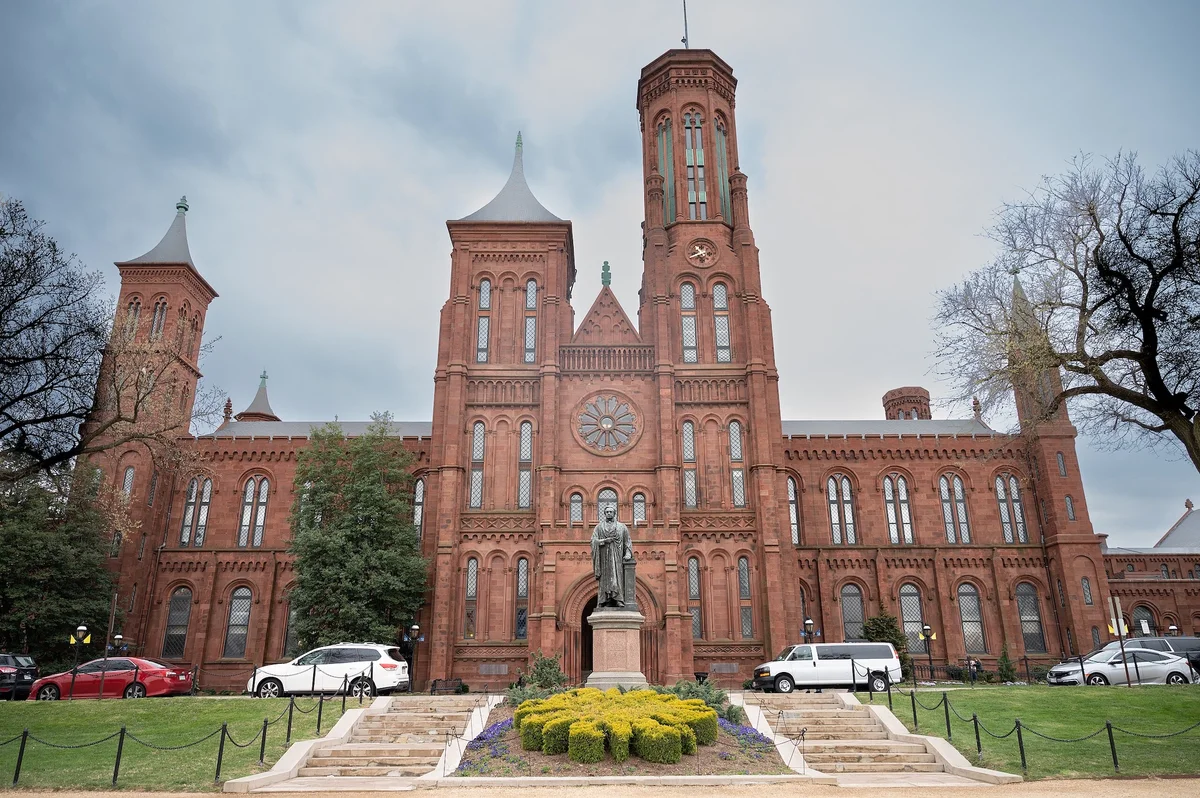
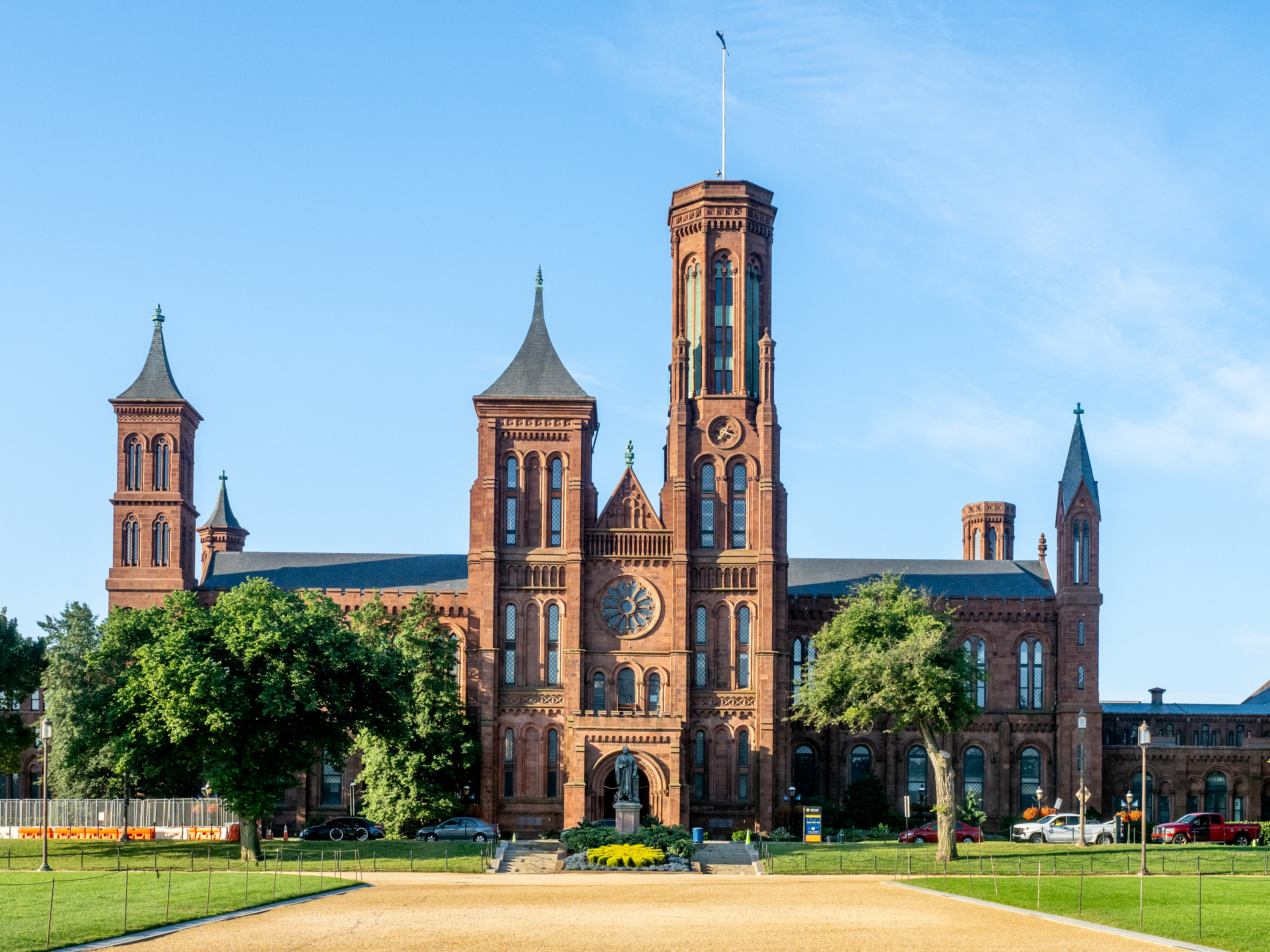
The Smithsonian feels like a neutral national attic. A place where the country stores its artifacts, labels them, and quietly agrees on what they mean.
But the Smithsonian is also a creature of law. It exists because Congress created it by statute as a federal trust for “the increase and diffusion of knowledge,” Congress funds a large portion of its work, and high-level federal officials sit on the board that governs it. That combination makes one question inevitable whenever politics heats up around exhibitions or programming: who actually controls the Smithsonian, and can a president change what Americans see when they walk through those doors?
Join the Discussion
Is the Smithsonian federal?
Yes and no, and that is the whole story.
The Smithsonian Institution is not a cabinet department like the Department of Education, and it is not a typical executive branch agency. It is often described as a “trust instrumentality” of the United States, reflecting its statutory origins (in federal law, now codified in Title 20 of the U.S. Code), its public mission, and its unusual governance.
In plain English, Congress set it up to carry out a public mission, the federal government plays a formal governance role, and taxpayers provide major financial support. But the Smithsonian also has its own statutory structure, its own leadership, and significant nonfederal funding streams, including private donations and endowment-style “trust” funds.
That hybrid design matters because it shapes what kinds of control are legally available. Presidents have direct managerial authority over most executive branch agencies, though independent agencies can limit that control. The Smithsonian is not built like an executive agency in the first place.
Who runs the Smithsonian?
The Smithsonian is governed by a Board of Regents. That board is the institution’s top authority for overall direction and oversight. Day-to-day operations are handled by the Smithsonian’s Secretary and professional leadership, but the Regents are the governing body in the way a board governs a university or a major nonprofit.
A built-in separation of powers mix
The Regents are not a purely executive branch body. By design, the board includes figures from multiple branches of government, including members of Congress and the Chief Justice of the United States (a statutory Regent). The Vice President of the United States also holds a statutory seat as the Smithsonian’s Chancellor.
It also includes “Citizen Regents,” private individuals. In broad terms, the Citizen Regents are selected through an internal Regents process and, under federal law, their service is tied to congressional involvement rather than unilateral presidential appointment. That structure is a clue to how the Smithsonian is supposed to function: as a national institution with public accountability, but not as a museum network that simply takes orders from a single president.
Because the Smithsonian’s governance is not housed entirely inside the executive branch, “presidential control” looks less like a command and more like influence through budgets, relationships, and public pressure.
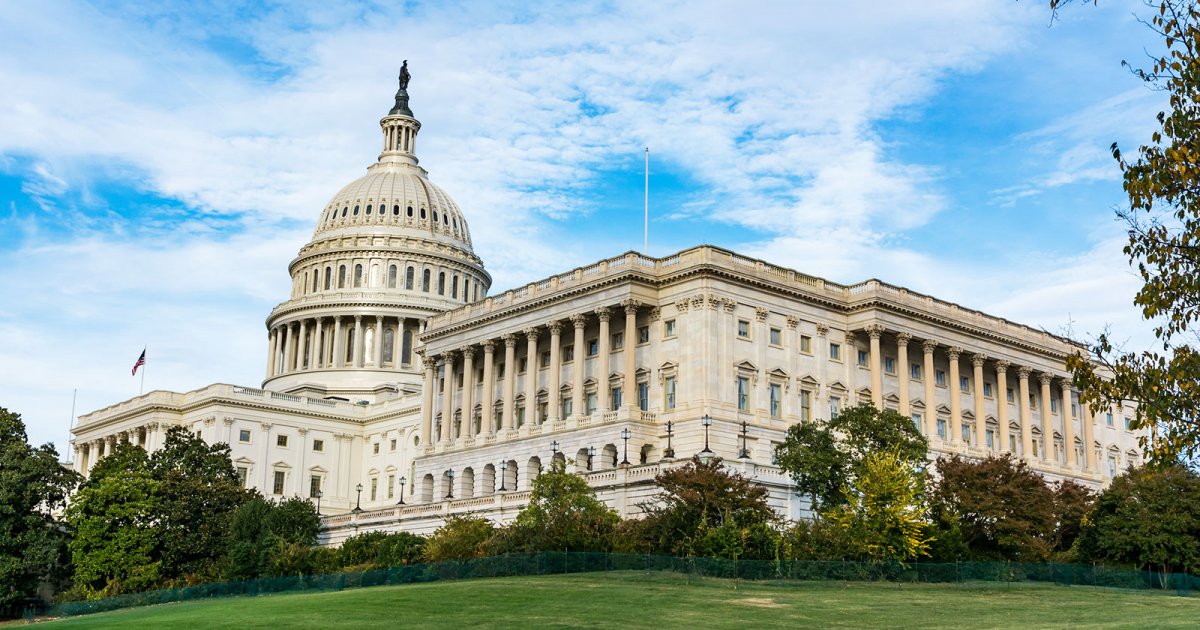
Congress’s strongest lever: money
The Constitution gives Congress the power of the purse. Article I requires that federal money can only be drawn from the Treasury through appropriations made by law. That one clause explains why cultural institutions that rely on federal funding are never fully insulated from politics, even when they are not executive agencies.
The Smithsonian receives significant federal appropriations to operate museums, maintain buildings, care for collections, fund research, and pay staff. It also raises and earns money through donations, grants, endowments, and revenue-generating activities. But when Congress funds a substantial share of the mission, Congress can attach conditions, increase or reduce funding, and conduct oversight hearings.
What Congress can do
- Appropriate more or less money for Smithsonian accounts and facilities.
- Write conditions into appropriations bills, within constitutional limits, about how funds may be used.
- Hold oversight hearings, request information, and apply political pressure through investigation and publicity.
- Change the Smithsonian’s governing statute by passing new legislation, if it can clear both chambers and be signed by the president or enacted over a veto.
That does not mean Congress can micromanage every exhibit label through a line item. It means the institution lives in a real constitutional ecosystem: accountability through appropriations and legislation, not direct daily command.
So what can a president do?
A president’s formal power over the Smithsonian is limited compared with an executive agency. But “limited” is not the same as “none.”
1) Influence the budget proposal
Presidents propose budgets. Congress appropriates. When an administration decides to prioritize, criticize, or de-emphasize Smithsonian funding in its budget request, it can set the tone for negotiations and signal political expectations. Congress can ignore that signal, but it does not always do so.
2) Work through governance and relationships
Presidential influence often works through people and relationships, not through directives. The Vice President sits on the Regents as Chancellor, and the broader administration can cultivate relationships with Regents, congressional leaders who shape appropriations, and key stakeholders around the institution. Even without a direct “order this exhibit be changed” mechanism, sustained executive branch pressure can reshape priorities over time.
It is also worth noting that the Smithsonian’s workforce and operations are not all situated identically. Some functions are funded and structured like federal work, others run through trust funds and affiliated entities. That mix can affect how leverage is felt in practice.
3) Speak, and change incentives
The Constitution does not give presidents a “museum editing” power. But presidents are megaphones. If the White House publicly condemns a program as biased or praises another as patriotic, it can change the incentives for donors, legislators, and institutional leadership. That is political influence, not legal control. It can still be potent.
What a president cannot do, at least not cleanly
- Unilaterally rewrite Smithsonian governance without Congress.
- Directly command Smithsonian staff as if they were employees of an executive department, unless specific legal authority applies.
- Spend or withhold appropriated funds contrary to the terms Congress enacted. Federal spending must track appropriations law.
Can a president change exhibits?
In most situations, a president cannot simply order exhibit content to be changed the way a CEO might order a corporate rebrand. Exhibit decisions generally flow through Smithsonian leadership and curatorial processes under oversight of the Regents.
But presidents can still shape exhibit outcomes indirectly, and those indirect pathways are exactly why this question keeps returning in the news.
Indirect routes that matter
- Appropriations politics: if funding becomes tied, formally or informally, to content disputes, the institution will feel it.
- Oversight pressure: hearings, investigations, and document requests can consume time, create reputational risk, and push leadership toward changes.
- Personnel and governance: turnover in leadership and board dynamics can recalibrate what kinds of exhibits are approved or emphasized.
- Donor ecosystem: public controversy can affect private fundraising, which is part of the Smithsonian’s financial picture.
If you are looking for a single sentence answer, it is this: a president has influence, but not sole authority. The Smithsonian is designed to be hard to capture completely, by any one branch.
The constitutional tension
Smithsonian controversies often sound like ordinary culture war arguments, but underneath them sits a real constitutional puzzle.
When the government funds speech, it gets complicated. The First Amendment sharply limits government censorship of private speakers. But a publicly funded museum is not simply a private speaker, either. Depending on the context, exhibits can be treated as a form of government speech or government-sponsored expression, and courts tend to analyze the specific facts when those questions arise. That means the usual “the government must be viewpoint neutral” rules do not always apply in the same way they would for regulating private citizens.
At the same time, the Smithsonian’s quasi-independent structure exists precisely because Congress wanted an institution devoted to “the increase and diffusion of knowledge,” not an exhibit hall that changes whenever elections do. The Regents model is a buffer. Not an impenetrable wall, but a buffer.
Why oversight feels like control
Congress does not need to hang a painting to change what gets hung. Congress can hold hearings, demand audits, threaten budget cuts, and write more detailed appropriations language. Even when no statute changes, oversight can create a new center of gravity.
This is also where separation of powers becomes visible to normal people. The Smithsonian fight is not just about museums. It is about how our system routes disagreements. Presidents try to lead and persuade. Congress funds and conditions. Institutions attempt to maintain professional standards inside political constraints.
Quick answers
Who controls the Smithsonian?
Formally, the Smithsonian is governed by its Board of Regents, with day-to-day management led by the Secretary and Smithsonian leadership. Congress controls the largest external lever through appropriations and the ability to amend the institution’s governing law.
Is the Smithsonian federal?
It is federally created and substantially federally funded, but it is not a typical executive branch agency. It functions as a federal trust instrumentality with a unique governing structure and significant trust and private funding.
Can a president force exhibit changes?
Not in a straightforward, “command” sense. A president can exert influence through budgets, public pressure, and political alliances, but exhibit content is generally controlled through Smithsonian leadership under the Regents’ oversight and through the realities of congressional funding.
Who decides Smithsonian funding?
Congress decides by passing appropriations laws. The president proposes a budget and signs or vetoes spending bills, but only Congress can appropriate federal money.
The durable takeaway
The Smithsonian was built to be national, not presidential. Congress created it in federal law, Congress funds much of it, and Congress embedded itself in its governance. The executive branch can influence it, sometimes heavily, but it cannot simply run it the way it runs an agency.
That design is not an accident. It is one of the quiet ways Americans try to protect civic institutions from becoming trophies of the moment. The Smithsonian will always reflect the country’s arguments. The question is whether the legal structure forces those arguments to pass through a system of shared power, instead of landing on one desk in the White House.