
Articles by Eleanor Stratton
Browse articles in Articles by Eleanor Stratton on U.S. Constitution
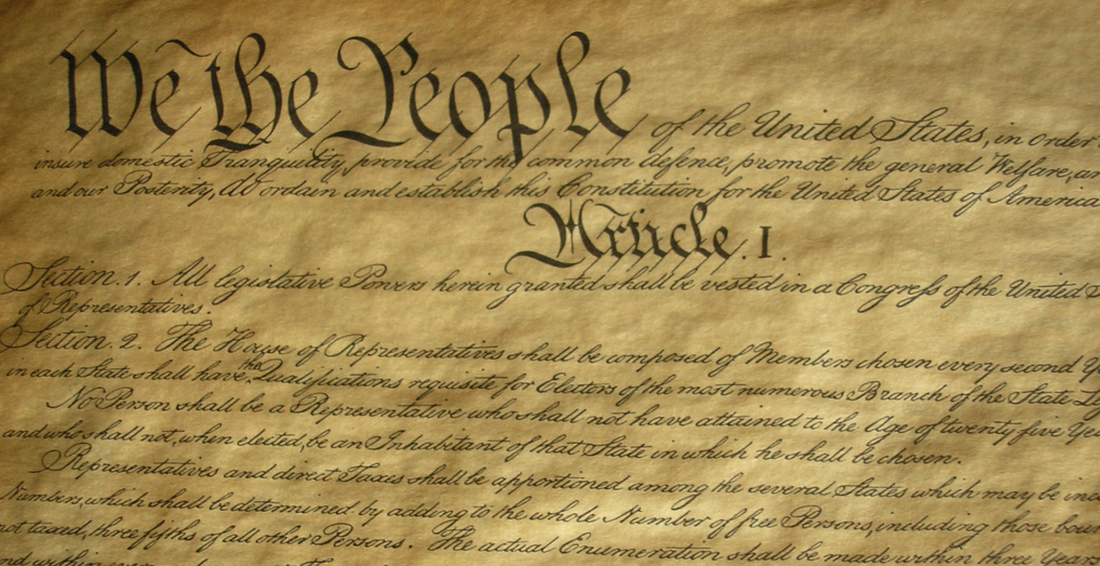
Treason and Leaks: What the Constitution Actually Says
When public officials call leaks “treason,” they are usually making a moral accusation, not describing a charge that fits the Constitution’s definition. That distinction matters because the Framers did something rare in constitutional drafting: they fixed the meaning of treason in the text itself....
Read more →
Wayne County Vote Counts and Mail-In Ballots: What the Constitution and Michigan Law Allow
Every election cycle has a familiar soundtrack: a big county becomes a villain, mail ballots become suspicious by definition, and ordinary administrative steps get rebranded as “miracles.” Wayne County, home to Detroit, sits at the center of that storyline in Michigan. So let’s slow it down and...
Read more →
What Is House Censure?
Censure is one of those congressional words that sounds like it should come with a legal consequence. Like the member is disqualified, removed, or at least forced to pack up their office that afternoon. It does not work that way. When the House of Representatives “censures” a member, it is issuing...
Read more →
Can States Require ICE Agents to Remove Masks? The Constitutional Question
Editor’s note: The earlier version of this piece described a specific New York statute (S.9193A/A.10172), a Department of Justice lawsuit, and a temporary restraining order by Judge Dale E. Ho on August 4, 2024, and it included purported quotes from that order. We could not verify those claims, and...
Read more →
Denaturalization: When the Government Can Revoke U.S. Citizenship
American citizenship feels like a one-way door. You take the oath, you get the certificate, you become a citizen. End of story. But there is a legal back door. It is called denaturalization , and it is exactly what it sounds like: the government asks a court to undo a naturalization and treat the...
Read more →
What Is a Continuing Resolution?
When Washington starts using the phrase “continuing resolution” , it usually means one thing: Congress is running out of time to fund the government the normal way. That is why you will see headlines about Senate leaders signaling support for a short-term funding bill to clear a “shutdown hurdle.”...
Read more →
Can a President Withdraw U.S. Troops Without Congress?
The Constitution gives the President the title that sounds decisive: Commander in Chief . But it gives Congress the powers that make wars and deployments sustainable: declaring war, raising and supporting armies, regulating the military, and paying for it . That tension is why calls for a President...
Read more →
Can the President Control the Smithsonian?
The Smithsonian feels like a national attic. It holds the stuff we cannot quite throw away: artifacts, documents, aircraft, dresses, protest signs, dinosaur bones, and the stories we attach to all of it. That is why fights over its exhibits keep turning into fights over the country itself. When a...
Read more →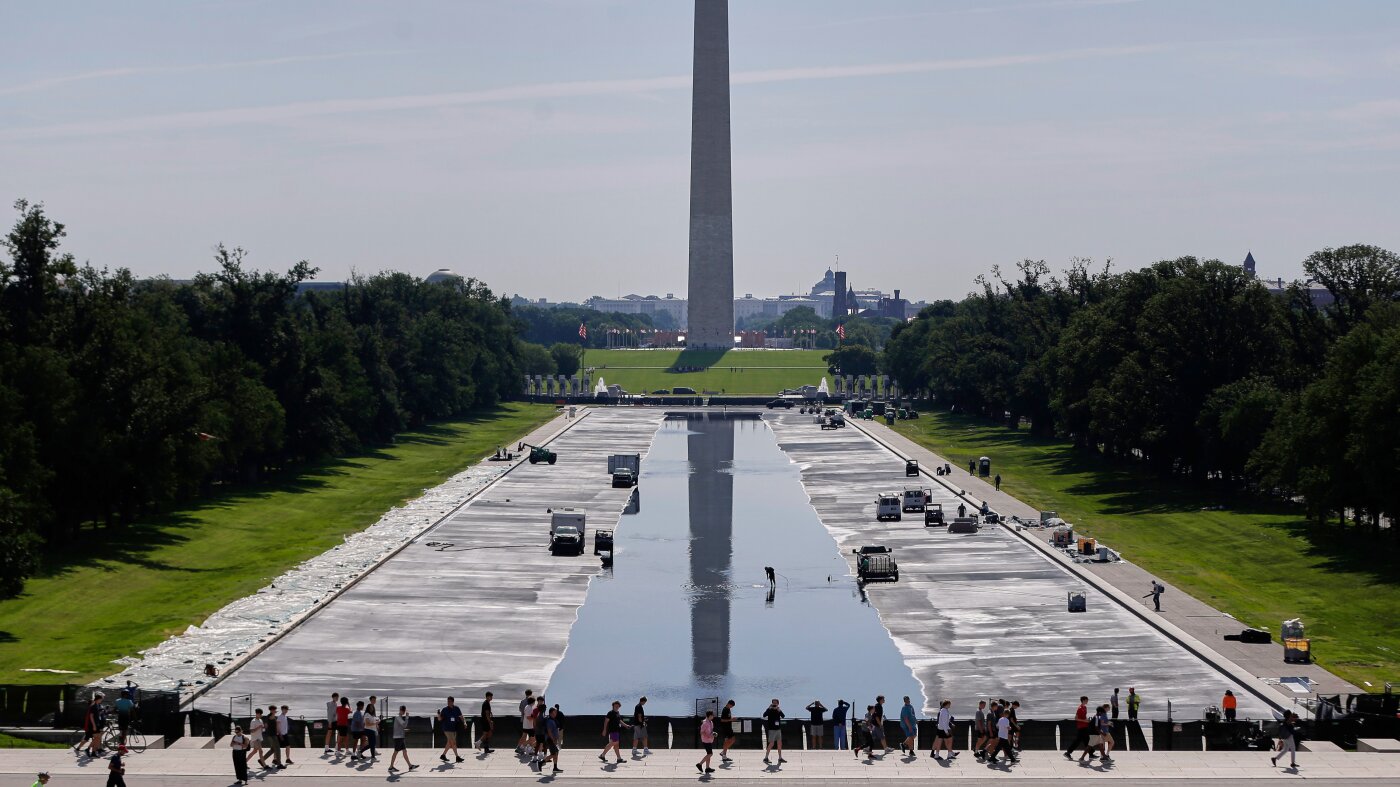
Reflecting Pool Protest or Vandalism? Federal Law on the National Mall
The National Mall feels like common ground. People march there, pray there, celebrate there, and sometimes rage there. It is the country’s symbolic front yard. But it is not a legally blank space. It is federally managed land, with a permit system, enforceable regulations, and criminal statutes...
Read more →
Who Controls the Smithsonian?
The Smithsonian feels like a neutral national attic. A place where the country stores its artifacts, labels them, and quietly agrees on what they mean. But the Smithsonian is also a creature of law. It exists because Congress created it by statute as a federal trust for “the increase and diffusion...
Read more →
Maher’s DSA Rant and the Constitution’s Hidden Wiring
Bill Maher has been a political contrarian for so long that people forget the category exists between “party loyalist” and “party defector.” On August 1, 2026, that middle category collapsed into a headline-shaped myth when a monologue from Real Time was clipped into bite-size outrage and applause....
Read more →
West Point Drops Its Appeal in Faculty Gag-Order Fight
West Point just made a quiet but meaningful choice. It let a deadline pass without appealing a federal judge’s order that blocked the academy from enforcing sweeping approval-first restrictions on civilian faculty speech. In constitutional terms, that matters because the ruling in place right now...
Read more →
Acting Attorney General Rules: Blanche, Senate Confirmation, and the Anti-Weaponization Bill
When a president says, in effect, “If the Senate will not confirm my pick, I will just keep him as Acting Attorney General,” it sounds like a simple workaround. It is not. It is a set of interlocking constitutional and statutory rules built around one core idea: the Department of Justice is...
Read more →
Court Expansion and Ending the Electoral College: What the Constitution Requires
When a major political figure endorses expanding the Supreme Court and abolishing the Electoral College , the debate usually jumps straight to motives and consequences. But the more basic question is structural: what does the Constitution actually require for either change? These two reforms get...
Read more →
Immigration Bond Hearings and Due Process
Immigration detention has a way of sounding simpler than it is. People hear “bond” and assume the rules are basically criminal bail with a different label. They are not. Immigration detention is civil custody, run mostly by the executive branch. In many cases, DHS (usually through ICE) makes the...
Read more →
How the Senate Confirms an Attorney General and What Happens When Nominees Stall
Attorney General nominations tend to attract drama for an obvious reason: the person being confirmed will lead one of the federal government’s most powerful legal institutions, with authority over federal criminal prosecutions, major civil enforcement, and the Justice Department’s legal positions...
Read more →
Can Congress Create a Compensation Fund for Jan. 6 Defendants?
When politicians talk about creating a federal compensation fund for Jan. 6 defendants, they are really talking about two different things at once. One is power : Can Congress spend federal money this way at all? The other is limits : Even if Congress can appropriate money, can it do so in a way...
Read more →
What Is the Alien Terrorist Removal Court?
You can live in the United States, be detained or arrested by immigration authorities in the United States, and face a removal order from the United States and still may not be allowed to see the underlying classified evidence the government says supports its case. That is not a rumor. It is one of...
Read more →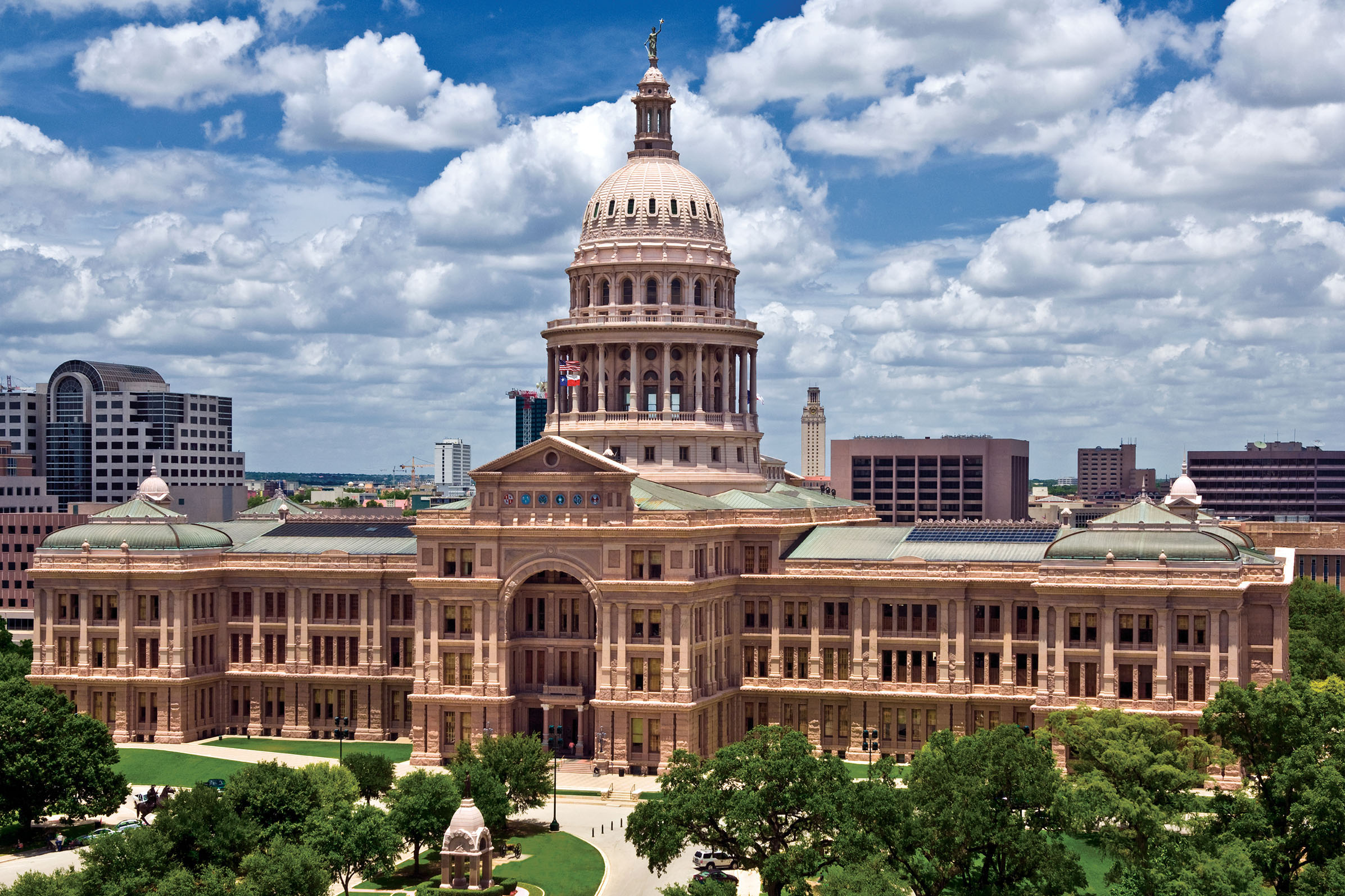
Can a State Limit Police Cooperation With ICE?
You can feel the tension in the question itself: immigration is federal, policing is local, and the boundaries are not always intuitive. Across the country, states and cities keep testing those boundaries with laws and policies that limit how state and local officers cooperate with federal...
Read more →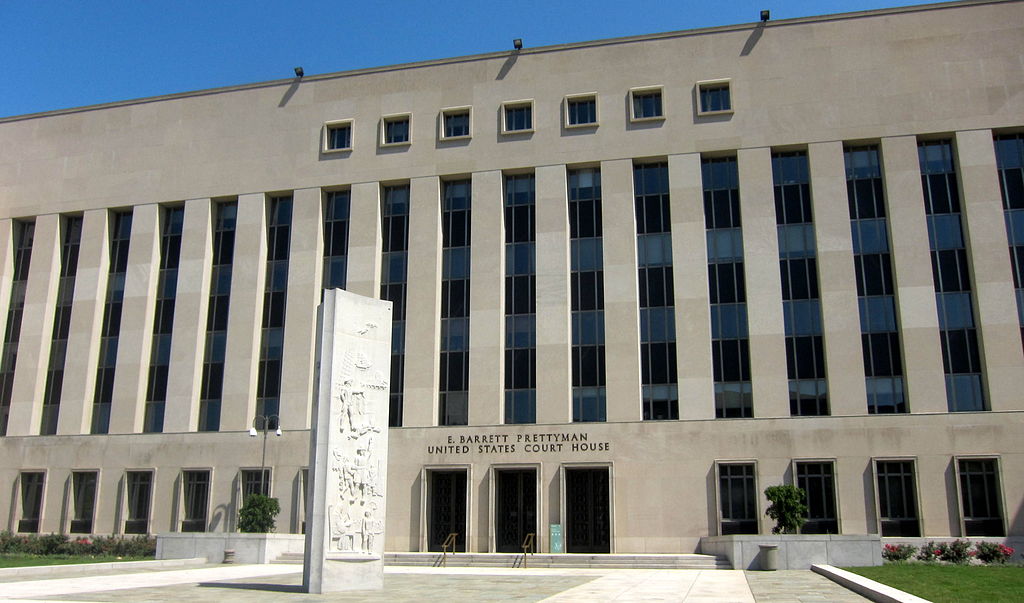
What Is FISA Section 702?
You can tell a surveillance power matters when it shows up in places that do not look like surveillance debates at all, like a fight over confirming a Director of National Intelligence or a Senate logjam that leaves an intelligence authority in limbo. That authority is FISA Section 702 , and it...
Read more →