
Articles by Bookmark
Browse articles in Articles by Bookmark on U.S. Constitution
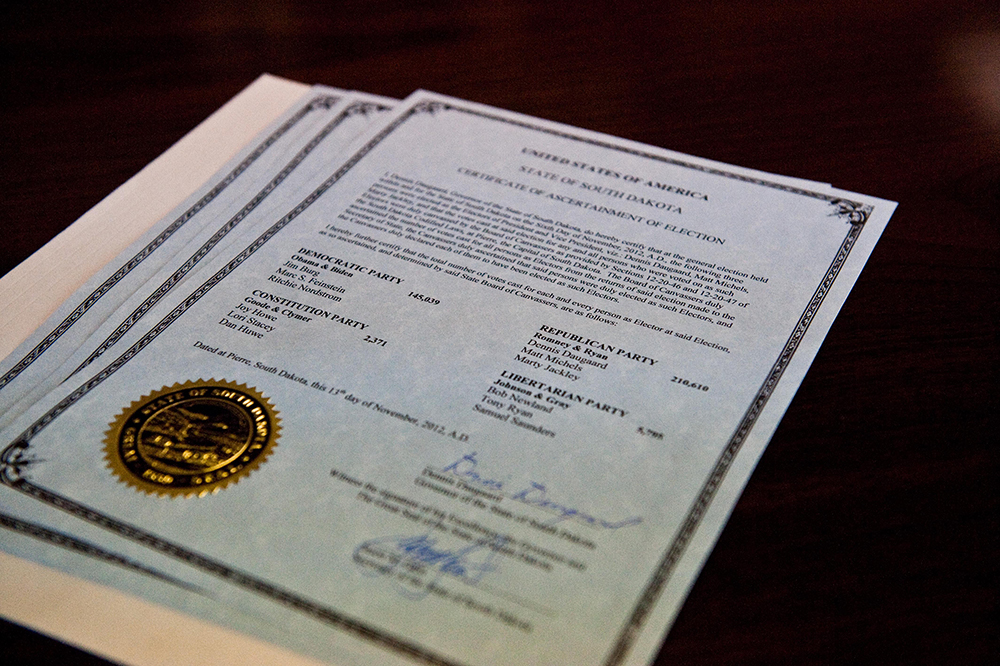
What the Electoral College Is and How the Constitution Lets It Change
The Electoral College is one of those civic objects everyone can name and almost no one feels they fully understand. That confusion spikes whenever critics call the system illegitimate, outdated, or even an “abomination.” The rhetoric is more prominent now. The structure is not. The Electoral...
Read more →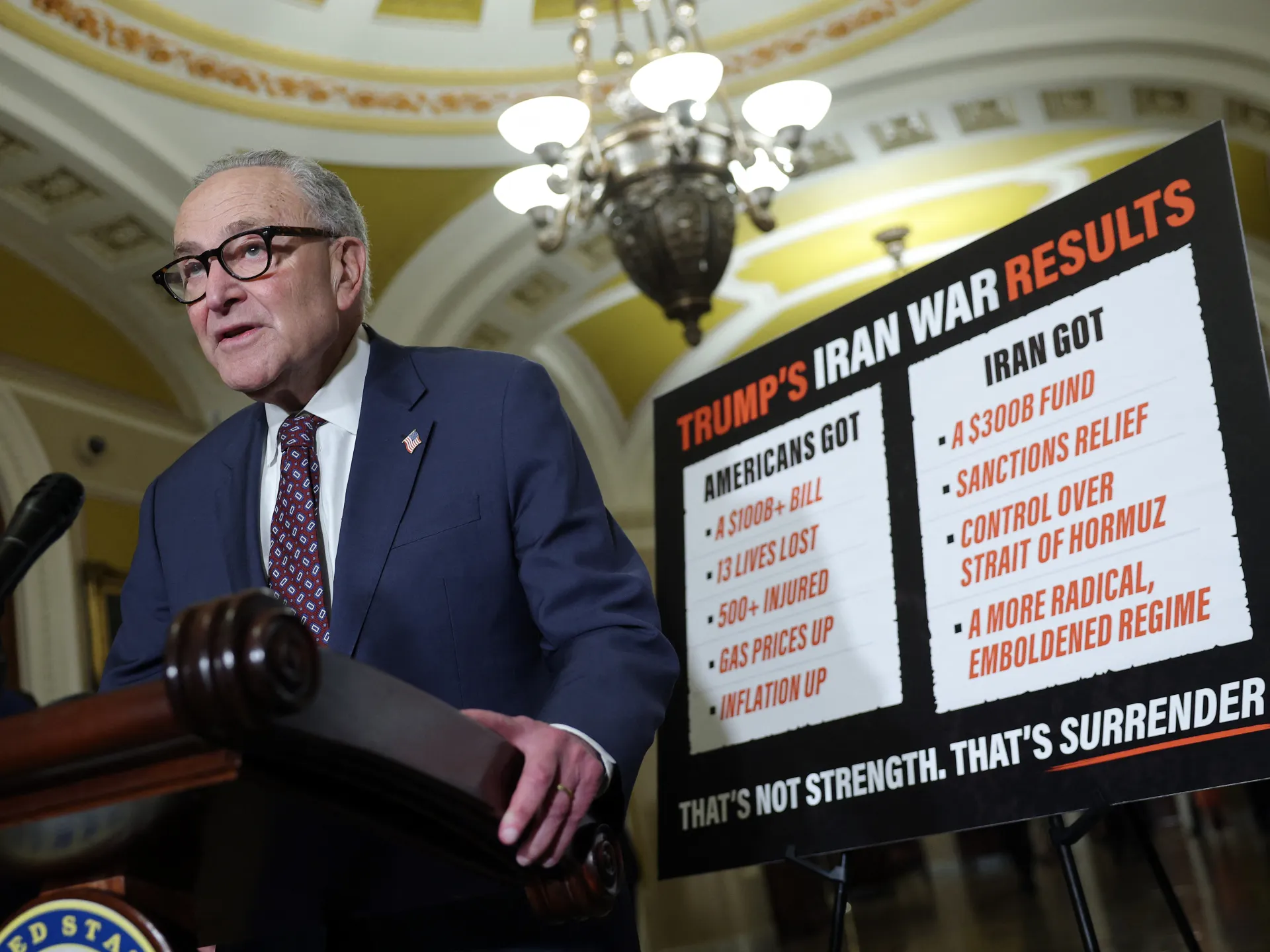
War Powers Act Explained: What Congress Can and Cannot Do
When a war powers vote hits the Senate floor during a live foreign policy standoff, the public question is predictable: can Congress actually make a President stop? The legal answer is less satisfying, but more important. The Constitution splits war authority between two branches on purpose, and...
Read more →
Can USDA Ban Soda From SNAP? What the Law Would Require
When a headline says a judge “blocked a SNAP soda ban,” it sounds like a food policy dispute. But the core issue is older, and more constitutional, than soda: who gets to decide what a congressionally funded benefit covers , Congress or the executive branch? Important context: There has not been a...
Read more →
Filibusters, Shutdowns, and Voter ID: What the Constitution Leaves to the Senate
When headlines say the Senate is “stuck” over the filibuster , or that a spending deadline could trigger a government shutdown, it can sound like a constitutional crisis. Most of the time, it is not. It is something more mundane and more revealing: the Constitution gives Congress a structure, but...
Read more →
Can a President Block Hormuz, Lift Sanctions, and Set Nuclear Terms Without Congress?
When a president claims he can do three things at once, keep a strategic waterway open (or blockade it), release sanctions money into a U.S.-monitored escrow channel, and lock in “highest level” nuclear inspections “long into the future,” the constitutional question is not whether the goals are...
Read more →
Can Congress Stop Wall Street From Buying Homes?
When a headline says Congress is moving to stop “Wall Street” from buying homes, most people hear a simple question: can the federal government block a private buyer from purchasing a house? The constitutional answer is not a clean yes or no. It depends on how Congress writes the restriction, what...
Read more →
Supreme Court Cert Denial in Police Stop Case: What the Fourth Amendment Says
The Supreme Court declined to take up a case that presents a question many Americans assume has a simple answer. If a police officer’s actions during a stop are allegedly driven by a person’s race, does that turn the encounter into an unconstitutional seizure? That question was presented in Weaver...
Read more →
Hur Audio Fight: Executive Privilege and DOJ Records
When the executive branch refuses to release audio recordings from a high-profile special counsel investigation, it can feel like a procedural footnote. It is not. In the dispute over audio from Special Counsel Robert Hur’s investigation into President Joe Biden’s handling of classified materials,...
Read more →
Who Controls the Kennedy Center?
The Kennedy Center sits in Washington, DC, hosts presidents, premieres, and school groups, and carries a name that feels as permanent as marble. But its real story is not just cultural. It is civic. The Center is a performing-arts venue with an unusually federal footprint, and that hybrid design...
Read more →
Reflecting Pool Vandalism Arrests: What Federal Law Says
When people hear about arrests connected to the Lincoln Memorial Reflecting Pool, the instinct is to treat it like any other local vandalism case. It is not. The Reflecting Pool sits on federal land, managed as part of the National Mall , and that changes many of the practical basics: who...
Read more →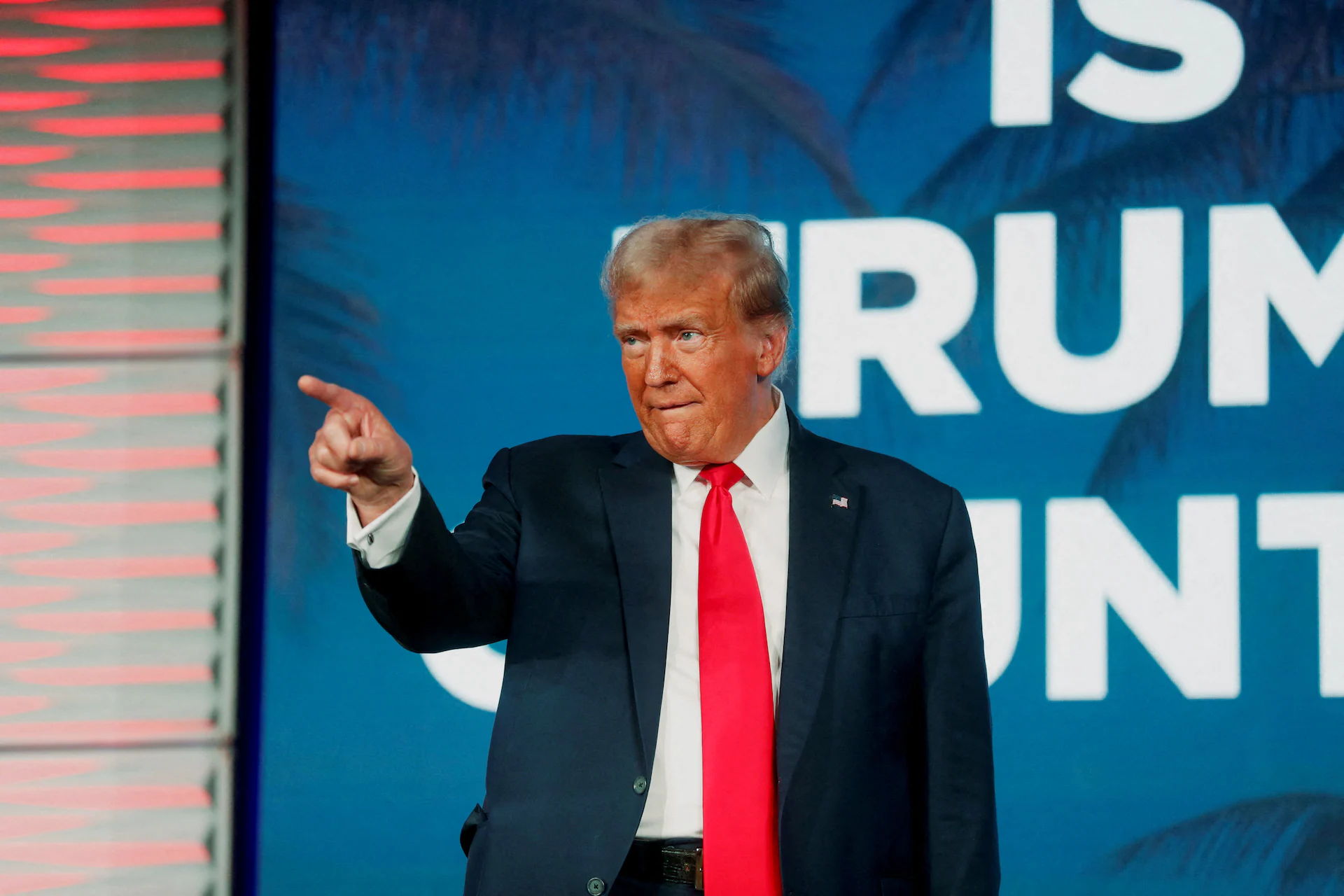
Trump’s Truth Social Polls
Over a Saturday morning on Truth Social, Trump posted two surveys for his followers: one workshopping a derogatory nickname for Democrats, and another floating a rebrand of Immigration and Customs Enforcement. On the surface, it is politics-as-entertainment. Underneath, it is also a live...
Read more →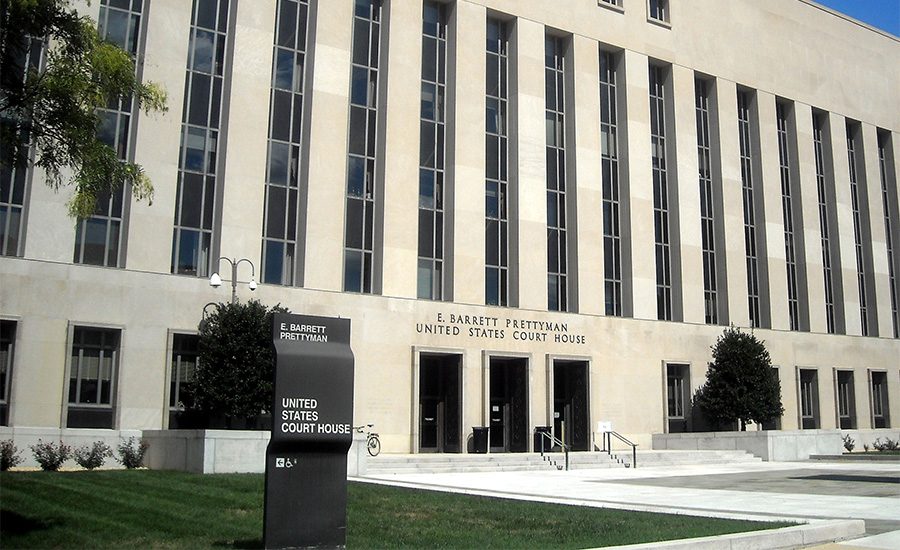
A Judge, Some Tapes, and the Limits of Executive Secrecy
Americans have an instinctive belief that the presidency comes with a kind of permanent curtain. Not just during a term, but forever. A sense that some conversations, some records, some embarrassing details are simply not for the rest of us. That instinct is understandable. It is also incomplete....
Read more →
Ninth Circuit Blocks California’s School Secrecy Law
California tried to settle a culture-war question with a statute: when a student adopts a new gender identity at school, what exactly can educators tell mom and dad? On June 19, a panel of the U.S. Court of Appeals for the Ninth Circuit issued an injunction blocking enforcement of key parts of...
Read more →
Ninth Circuit Blocks California School Secrecy Law on Gender Transitions
California’s ongoing fight over what public schools may, must, or may not tell parents just took a sharp turn in federal court. A three-judge panel of the U.S. Court of Appeals for the Ninth Circuit issued an injunction blocking enforcement of parts of California’s AB 1955, a state law that limits...
Read more →
Can Veterans Sue First? The Supreme Court Takes Up VA Gatekeeping
For decades, veterans have been told some version of the same thing: Start with the VA . File the paperwork. Take your place in the line. If you lose, appeal. If you lose again, appeal again. And only at the far end of that long hallway does a real judge eventually appear. Now the Supreme Court is...
Read more →
Supreme Court to Decide If Veterans Can Skip the VA Appeals Track
Every civics student learns the comforting phrase: you can take your case to court. Then real life walks in and asks a harder question: which court, when , and on whose timeline ? Next term, the Supreme Court will confront that question in a case that sits at the intersection of two American...
Read more →
Can Members of Congress Trade Stocks?
Every time a headline resurfaces about a lawmaker buying or selling shares at a politically convenient moment, the same public question returns: is congressional stock trading actually legal ? Today’s news hook is a familiar one: a former House member who once brushed off the idea of a ban now says...
Read more →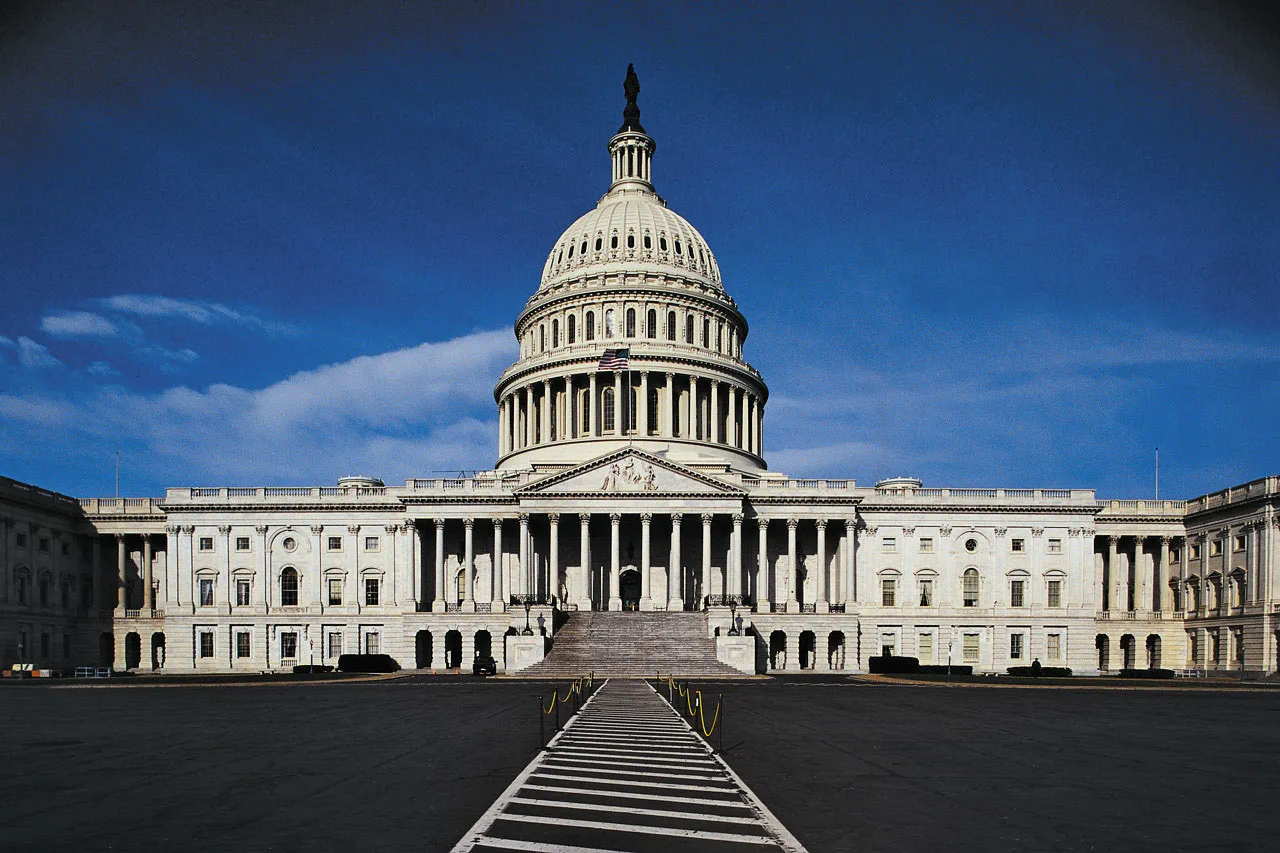
Can a State Limit ICE? Sanctuary Laws, Federal Power, and Preemption
When headlines say the Justice Department is suing a state over “sanctuary” limits, the constitutional question is usually simpler than the politics: Can a state refuse to help ICE , and if it can, how far can it go before it starts interfering with federal law ? To be clear on the factual setup:...
Read more →
Can Courts Control a District Attorney?
District attorneys are typically elected to make hard calls that judges are not supposed to make. Who gets charged, what the charges are, whether a plea deal is offered, and whether a conviction should be defended on appeal are core prosecutorial functions. In American constitutional design, those...
Read more →
What Is FISA? How Confirmation Votes and Surveillance Renewal Got Linked
FISA is one of those Washington acronyms that seems designed to stay mysterious until it suddenly becomes the headline. It stands for the Foreign Intelligence Surveillance Act , a post-Watergate and Church Committee era law that created special rules for spying in the name of national security. It...
Read more →