
The Constitution gives Americans a comforting civics myth: Congress declares war, the president fights it. In real life, the order is often reversed. Presidents initiate, Congress reacts, and everyone argues about what the Founders “really meant.”
This article was prompted by a familiar kind of headline: a Senate War Powers vote over U.S. involvement in a fast-moving foreign policy crisis. The details change from vote to vote. The constitutional friction does not.
That tension is why the War Powers Resolution of 1973 exists. It is Congress’s attempt to force a simple principle back into practice: if the nation is going to sustain military action abroad, the people’s branch has to own it.
Join the Discussion
What the War Powers Resolution is
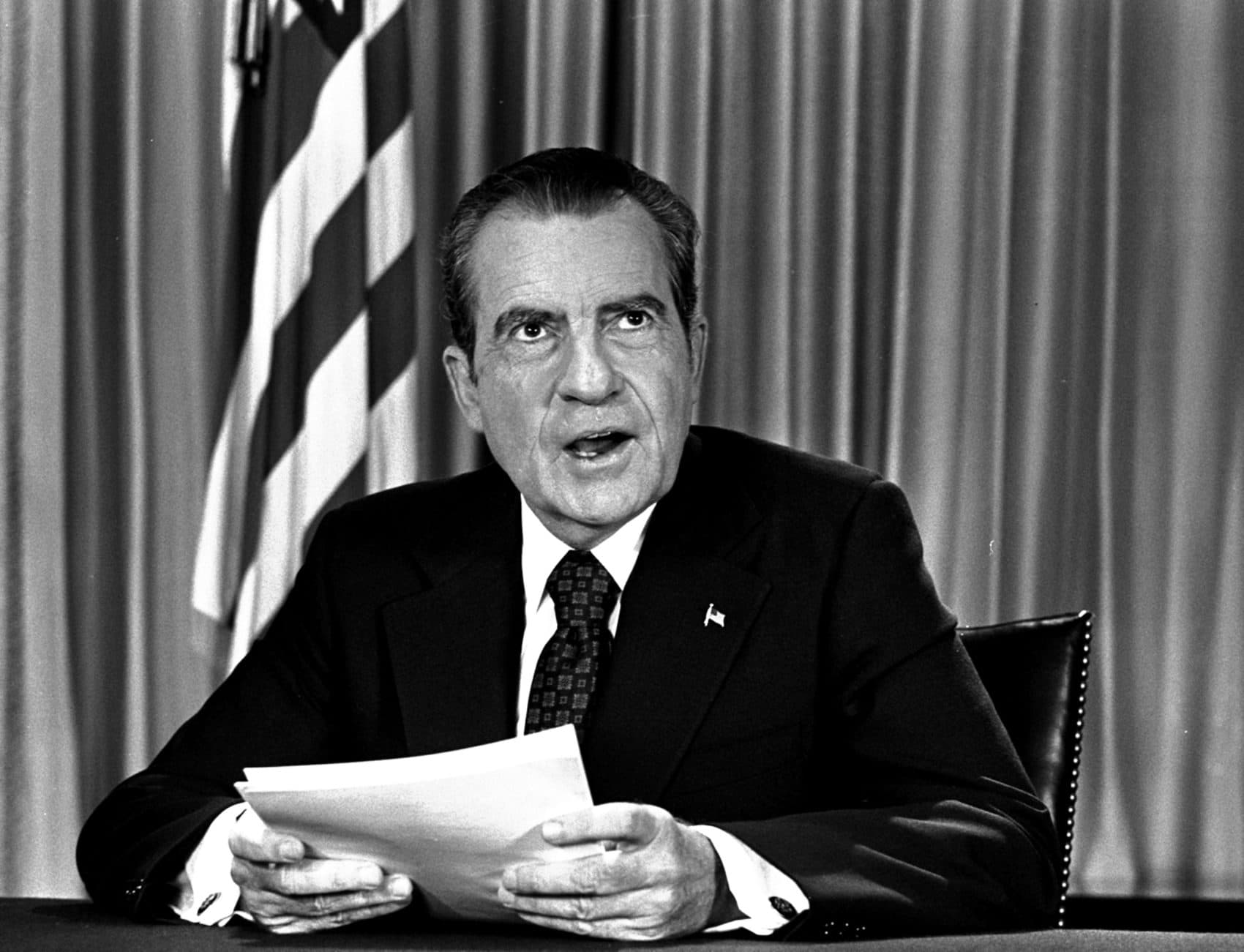
The War Powers Resolution (sometimes casually called the War Powers Act) is a federal law passed in 1973 over President Nixon’s veto. Its purpose is to limit the president’s ability to involve U.S. forces in hostilities without congressional authorization.
It does not amend the Constitution. It is a statute. That matters because it sits on top of a constitutional dispute that has never been fully resolved: where the president’s commander-in-chief authority ends and Congress’s war powers begin.
The basic idea in one sentence
If the president introduces U.S. forces into hostilities (or situations where hostilities are imminent), the law calls for a written report to Congress within 48 hours and, unless Congress authorizes the action, a time-limited window for continued involvement. In practice, presidents often argue the clock never started because the situation did not qualify as “hostilities.”
Article I vs. Article II
Congress: Article I war powers
Article I, Section 8 gives Congress multiple military powers, including the power to:
- Declare War
- Raise and support armies
- Provide and maintain a navy
- Make rules for the armed forces
- Control funding through appropriations
The point is not just “declare war.” Congress holds the machinery that sustains war.
The president: Article II commander in chief
Article II makes the president the Commander in Chief of the armed forces. That means operational control. It also creates the modern temptation: if the president commands the military, why can he not deploy it?
The Constitution does not hand us a bright line for every scenario. It gives us overlapping powers on purpose, then expects politics to do the rest. That is why conflicts like Korea and Vietnam, and later limited air campaigns such as Libya in 2011, keep resurfacing in war powers arguments: they sit in the gray zone between “defense” and “war.”
What the War Powers Resolution requires
The War Powers Resolution is built around consultation, reporting, and a clock.
1) Consultation
The law says the president should consult with Congress “in every possible instance” before introducing U.S. forces into hostilities or imminent hostilities. In practice, “consultation” can be anything from a serious briefing to a heads-up phone call.
2) The 48-hour report
When U.S. forces are introduced into:
- hostilities,
- situations where hostilities are imminent, or
- certain deployments that substantially enlarge an existing presence,
the president must generally report to Congress within 48 hours, explaining the legal and factual basis for the action.
3) The 60-day clock (plus up to 30 more)
Absent congressional authorization, the law says the president must terminate the use of forces within 60 days, with a possible 30-day extension for safe withdrawal.
This is the War Powers Resolution’s core enforcement mechanism: not a fine, not a criminal penalty, but time. The catch is practical and political: if an administration insists the situation is not “hostilities,” it will argue the clock never started.
A note on statutory nuance
The War Powers Resolution includes technical triggers, definitions, and edge cases. The headline version is still the right one for most readers: Congress wanted consultation, a paper trail, and a forcing mechanism that makes prolonged military action hard to treat as a purely executive project.
What War Powers votes mean
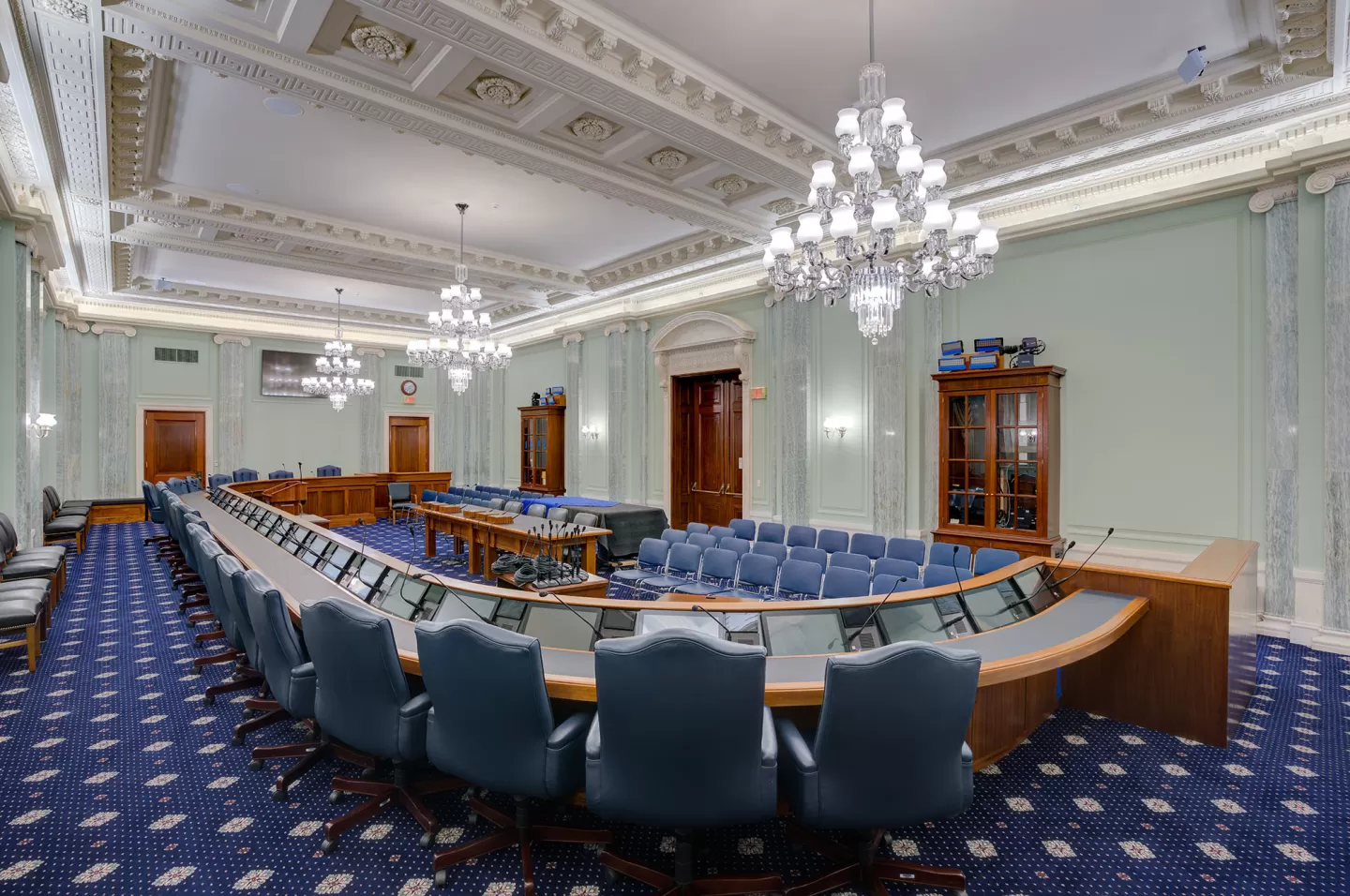
War Powers votes are Congress attempting to answer a question the Constitution leaves politically painful: Is this military action authorized, and if not, is Congress willing to force it to stop?
When the Senate debates an “Iran War Powers Resolution” or any similar measure, it is usually about whether Congress will:
- affirm that existing law already authorizes the action,
- grant new authorization (an AUMF or declaration), or
- direct the president to end or limit involvement.
The emotional floor speeches that accompany these votes, including those grounded in military service and personal loss, are not just political theater. They reflect what is really at stake in war powers fights: whether war is treated as a national decision or an executive decision that Congress merely funds after the fact.
Can Congress actually stop a war?
Sometimes. Not reliably. Here is the hard truth: the War Powers Resolution is strongest when Congress is unified and weakest when Congress is divided.
What Congress can do that is very real
- Authorize force explicitly, which strengthens legal footing and political accountability.
- Refuse to authorize and attempt to trigger the War Powers time limits.
- Cut or restrict funding for a specific operation, theater, or mission set through appropriations.
- Demand information through oversight, hearings, subpoenas, and reporting requirements.
What makes it difficult
- Presidents often dispute that “hostilities” exist as the statute uses the term, especially for air campaigns, drone strikes, naval operations, advising roles, or limited engagements. The Libya 2011 debate is a common example in modern war powers arguments.
- Veto power: If Congress passes a directive the president opposes, it may face a veto, requiring a two-thirds override.
- Courts often avoid the merits: War powers disputes are frequently dismissed on standing, ripeness, or political question grounds, which leaves most enforcement to politics rather than judges.
In practice, the War Powers Resolution is less like a handcuff and more like a speed bump. It slows, it forces arguments into the open, and it creates a record. But it does not automatically end a conflict the way many people assume.
WPR vs. war declaration vs. AUMF
Declaration of war
A declaration of war is the Constitution’s most formal congressional authorization. The United States has issued 11 formal declarations of war covering five wars.
AUMF
An AUMF (Authorization for Use of Military Force) is a modern tool: Congress authorizes force without declaring war, often with broad language about targets, regions, or threats. The 2001 and 2002 AUMFs shaped two decades of conflict and remain central to many legal arguments about ongoing operations.
War Powers measures
War Powers measures are often reactive. They tend to address a specific ongoing or imminent military situation and may direct withdrawal, require authorization, or limit types of involvement. Some are structured as privileged measures under the War Powers Resolution framework, while others are more like nonbinding messaging. The label alone does not tell you how much legal bite the measure has.
Think of it this way: a declaration and an AUMF open the door. A War Powers directive tries to close it, or at least put Congress’s hand back on the knob.
Why “hostilities” keeps doing the work
The War Powers Resolution hinges on a word that is not self-defining: hostilities. Congress used broader terms than “war,” in part to reach undeclared conflicts that could otherwise be described as something less than war.
But the vaguer term invited exactly the interpretive struggle Congress was trying to prevent.
Modern military force can look like:
- missile strikes from ships or aircraft,
- special operations raids,
- cyber operations,
- intelligence support and targeting assistance,
- air defense and interception missions,
- advising and training, with U.S. troops near the line of fire.
Each of these can be framed as “limited,” and therefore outside the statute’s practical bite, even when the strategic consequences are enormous.
What enforcement looks like
The War Powers Resolution imagines a clean sequence: president acts, reports, Congress decides, clock runs out, forces come home. The real sequence is messier:
- Presidents report “consistent with” the War Powers Resolution rather than “pursuant to” it, a way of complying with the paperwork while signaling constitutional disagreement.
- Congress argues internally about whether to authorize, prohibit, or stay ambiguous.
- Military facts change faster than legislative calendars.
- Political responsibility blurs, which is exactly what the Founders feared in placing war decisions in any single set of hands.
When the War Powers Resolution fails, it often fails for a simple reason: Congress cannot check the president unless Congress is willing to accept ownership of the consequences of checking him.
FAQ
Is the War Powers Resolution constitutional?
It has never been definitively resolved in one sweeping Supreme Court ruling. Presidents of both parties have often treated key constraints as constitutionally questionable, even while filing reports as a practical matter. The law remains on the books, but its sharpest edges depend on congressional unity and enforcement.
Does the War Powers Resolution require Congress to vote on every military action?
No. It requires reporting and sets a withdrawal framework if Congress does not authorize continued involvement. It does not force Congress to act. It pressures Congress to act.
Can Congress stop military action without the War Powers Resolution?
Yes. Congress can restrict or cut funding, refuse to pass authorizations, impose statutory limits, and use oversight. The War Powers Resolution is one tool, not the entire toolbox.
Why does this matter now?
Because every time Congress debates a War Powers measure in the middle of a live foreign policy crisis, the country is re-litigating the same constitutional question: are we a republic where war requires shared political responsibility, or an executive system where war begins and ends by presidential discretion?
The bottom line
The War Powers Resolution is Congress trying to make the Constitution’s division of war powers operational again. It is not a magic off switch. It is a framework that works only when Congress is willing to do the hardest thing in American politics: take responsibility for war decisions in real time, not just in hindsight.
And that is why these votes matter even when they do not immediately change troop movements. They are about where the nation locates the authority to risk lives, spend blood and treasure, and define America’s role in the world.