
Articles by Eleanor Stratton
Browse articles in Articles by Eleanor Stratton on U.S. Constitution
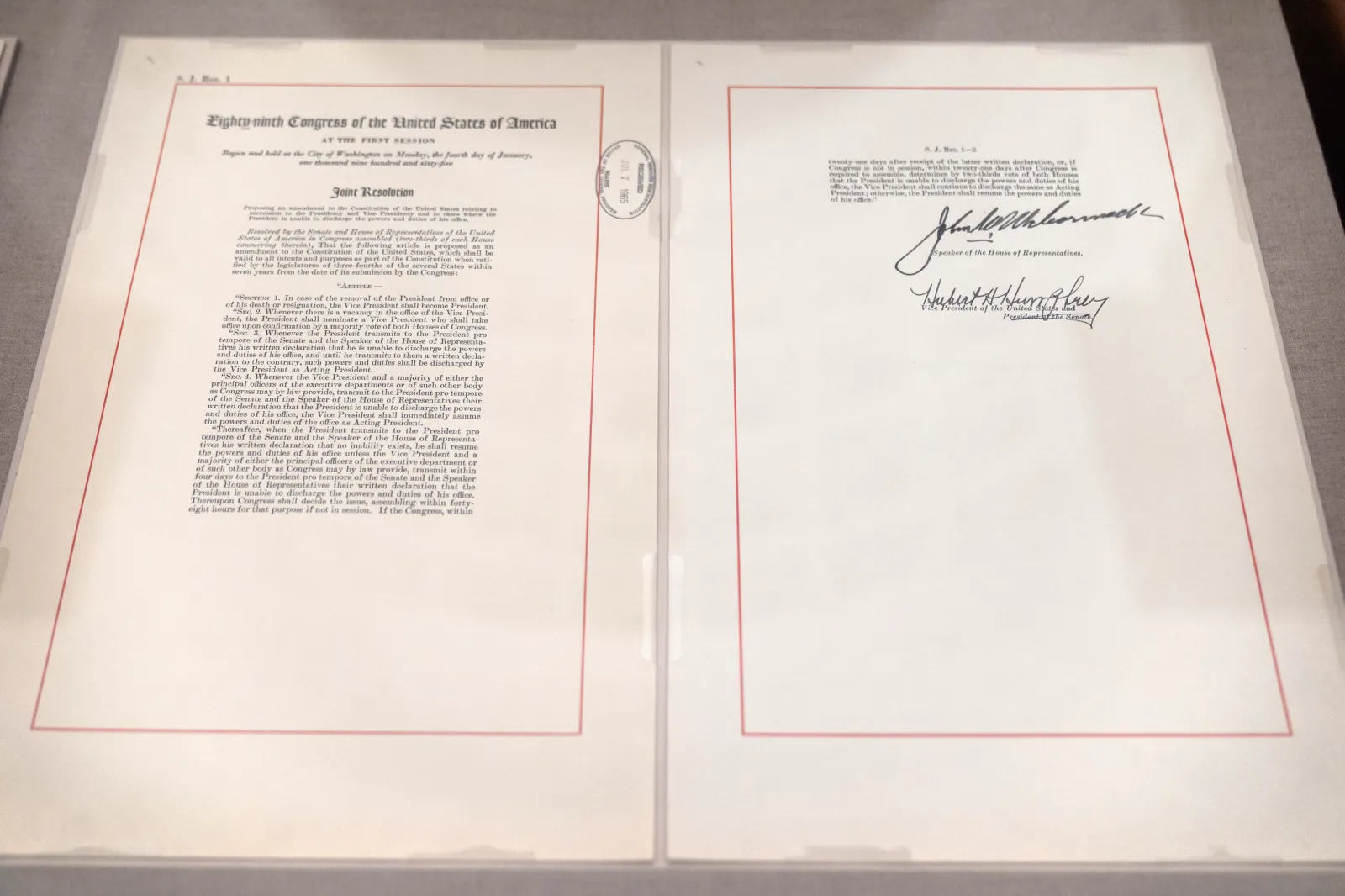
The 25th Amendment Explained: How Presidential Disability and Removal Work
The phrase “invoke the 25th” has become modern political shorthand for a very old anxiety: what happens if the President cannot do the job, and nobody can agree on it? That question flares up whenever a major public figure claims a President is cognitively unfit, medically impaired, or simply not...
Read more →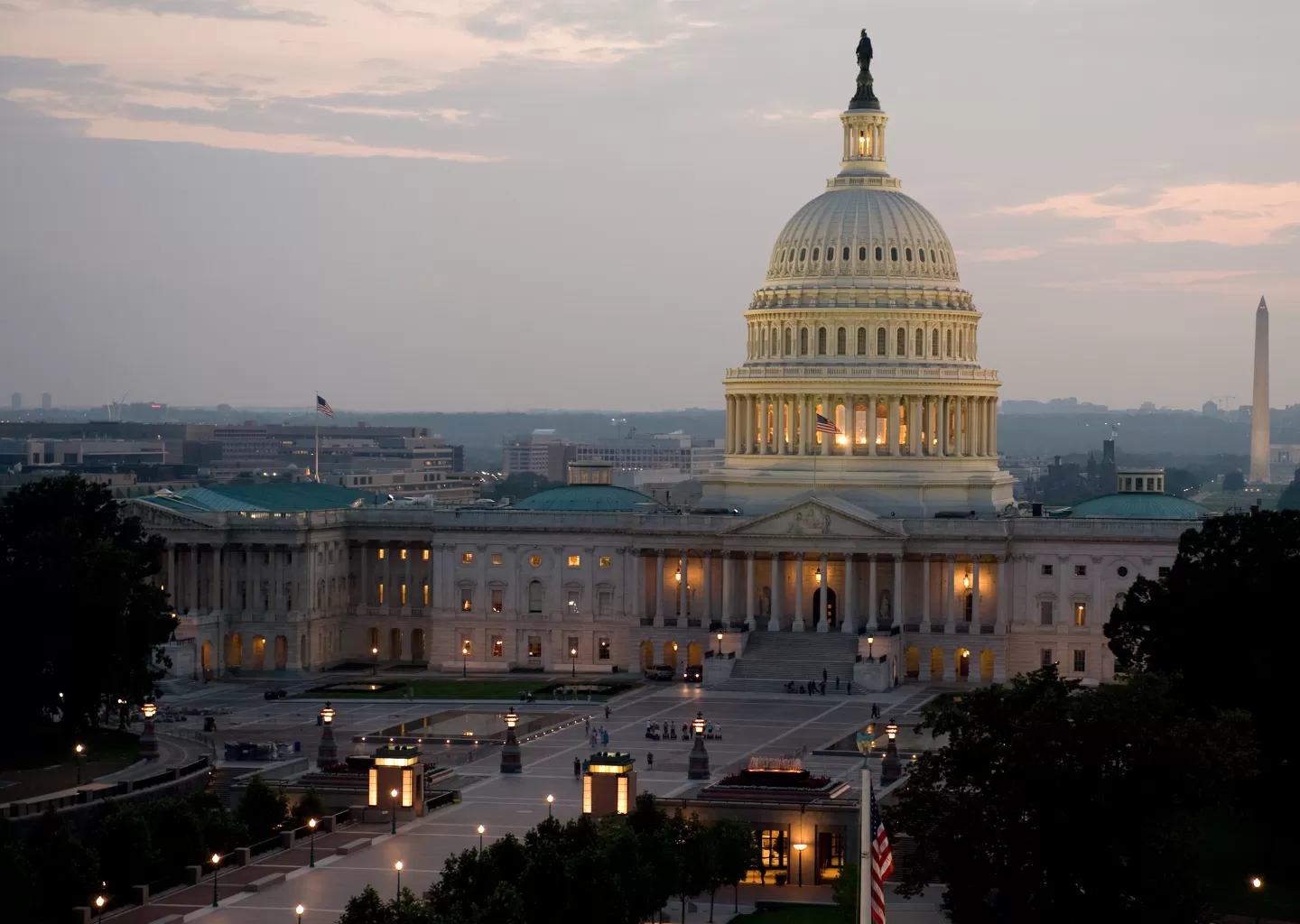
Election Integrity, Voter Rolls, and Federal Power
When a high-profile political figure says new election-security intelligence has been declassified and released, the argument that follows is usually louder than the documents themselves. But the constitutional question underneath all the noise is actually straightforward. Who has the power to...
Read more →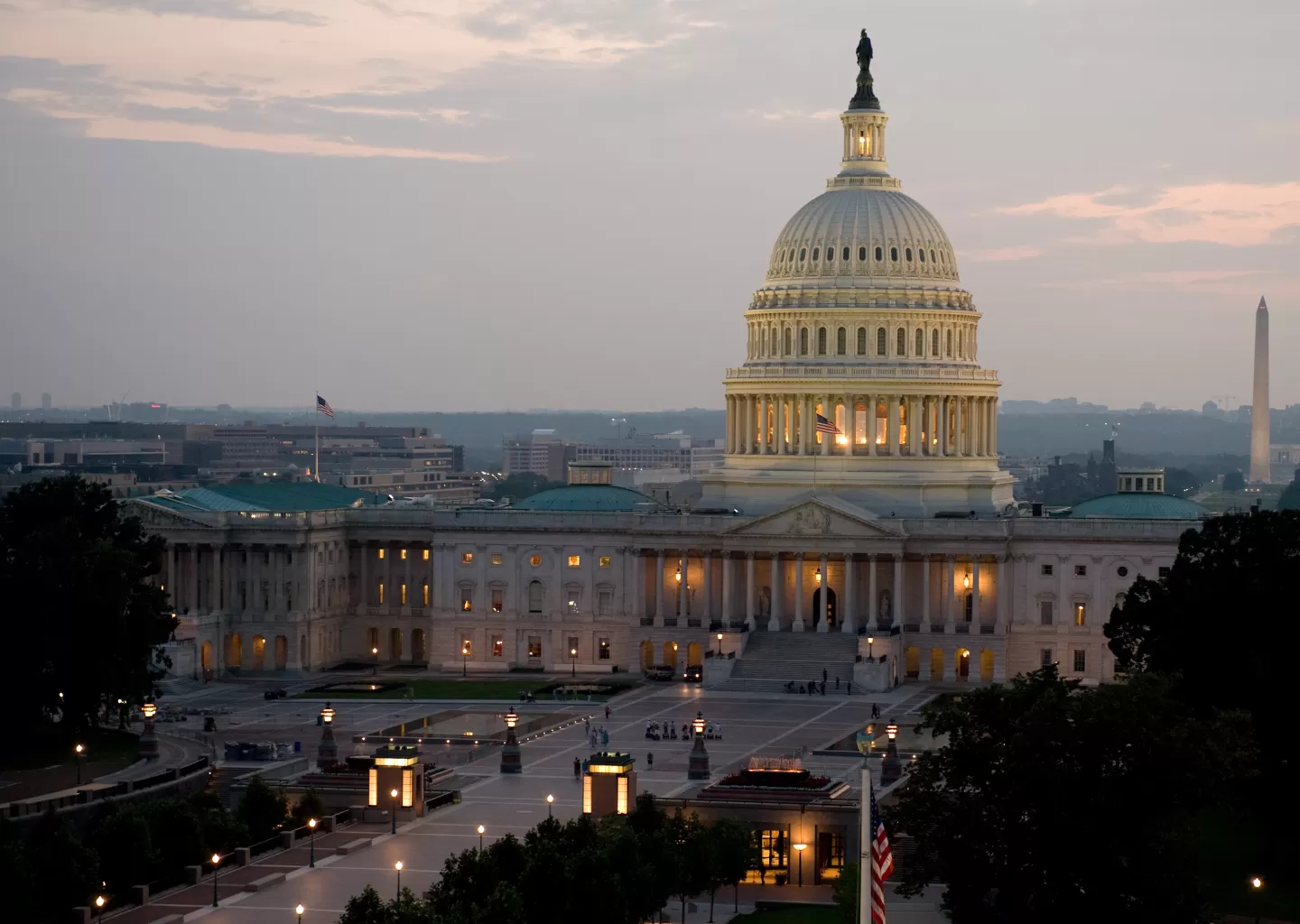
Congressional Term Limits and the Constitution
Every time Congress has a very public reminder that its members are human and aging, the same question returns with fresh urgency: why can the people not just impose congressional term limits and be done with it? It feels like it should be easy. The House is elected every two years. The Senate...
Read more →
Trump Airport Backlash: Dulles Proposal and United
You can almost hear the modern American argument in the boarding announcement: now arriving at Washington Dulles . Then comes the online add-on that some viral posts and memes have pushed: also known as Trump International Airport . The backlash is not really about baggage claim or runway delays....
Read more →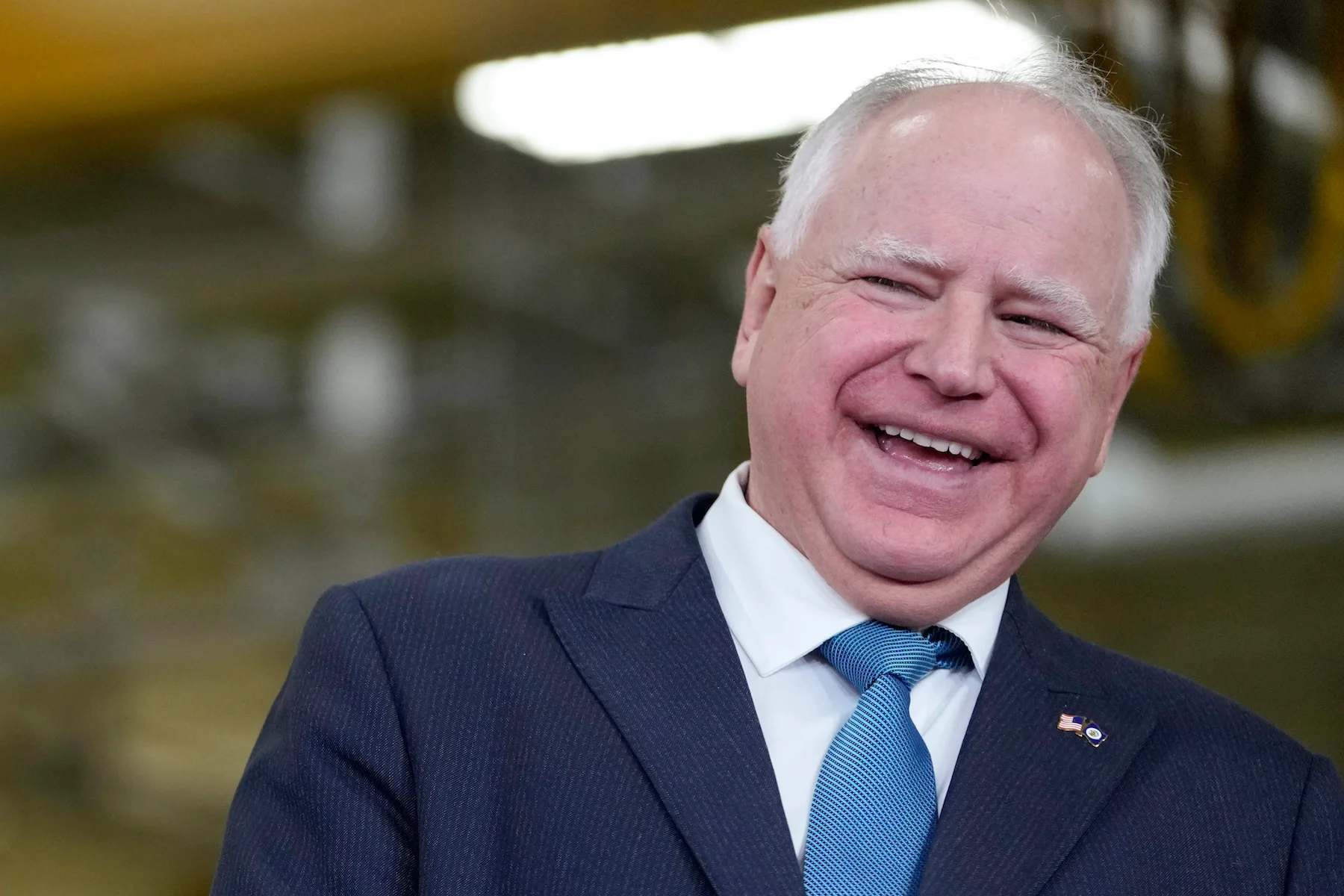
Why “Friendly Reminder” Is Trending: The Tim Walz Pardon Controversy Explained
There are days when the internet hands us a word that sounds harmless and turns out to be a weapon. Today’s example is “Friendly” and, more specifically, the meme-format phrase “Friendly reminder.” The term is trending because high-engagement political accounts are using that faux-polite opener to...
Read more →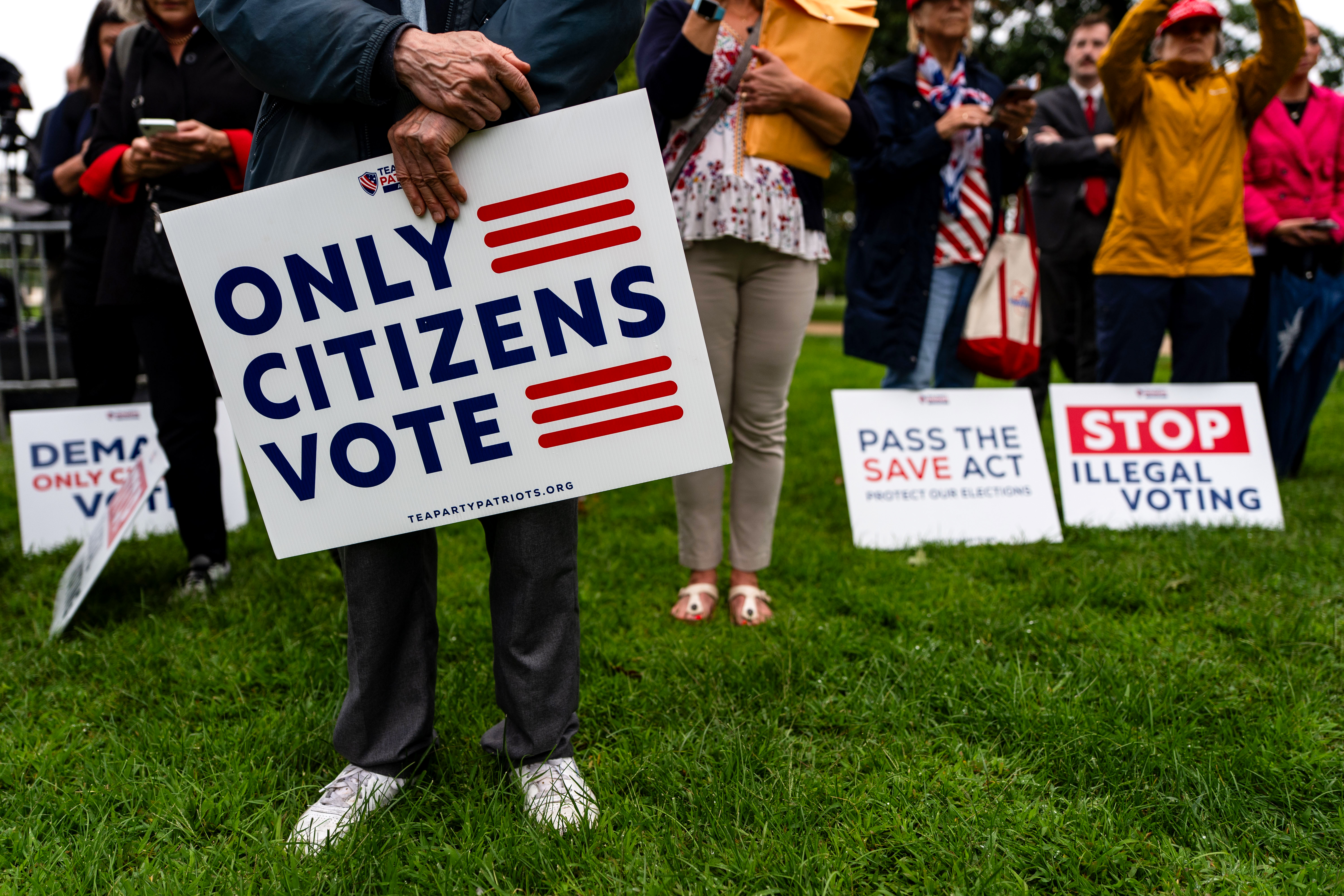
Olive Garden’s Pasta Pass ID Meme, Explained
Olive Garden is trending for a reason that has nothing to do with a menu change, a corporate scandal, or a sudden national shortage of breadsticks. It is trending because politics on the internet has discovered one of its favorite devices: the everyday analogy. This time, the prop is the chain’s...
Read more →
Abolish the Senate, Replace Capitalism: What Happens to Checks and Balances?
Every few years, American politics rediscovers an old temptation: if the system is frustrating, simplify it. Make it more direct. More majoritarian. More immediate. A recent video clip making the rounds online captures that impulse in its most blunt form. In it, Ashik Siddique, identified as a...
Read more →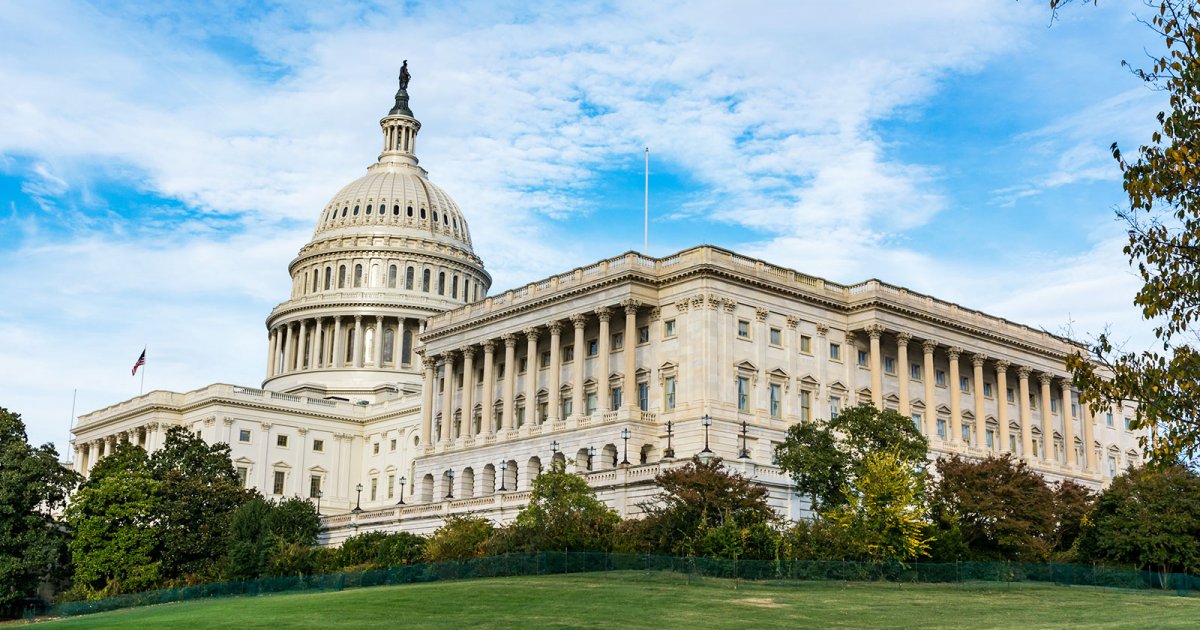
Can a Lawmaker’s Spouse Win a $2 Billion Courthouse Contract?
When a news story suggests that a major public construction contract could benefit the spouse of an elected official, the public question is immediate and reasonable: is that even allowed ? To be concrete, that question has circulated in Massachusetts in connection with U.S. Representative Ayanna...
Read more →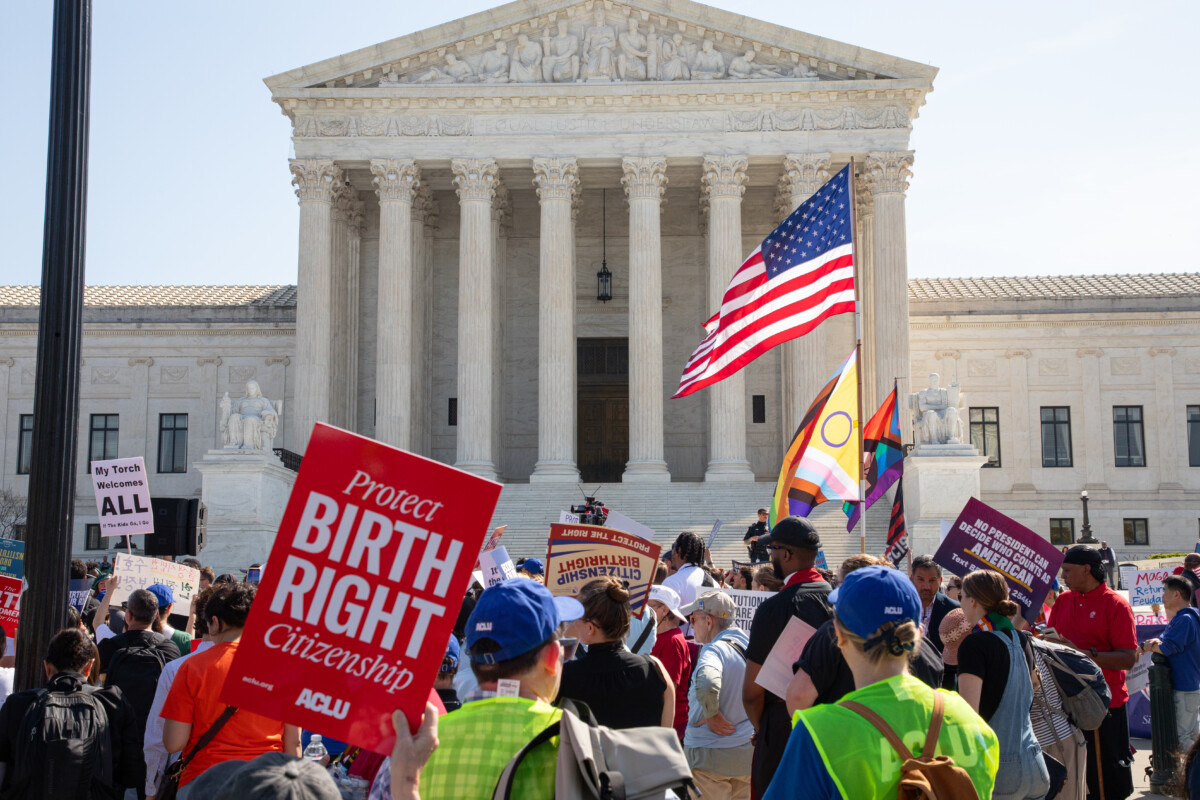
Birthright Citizenship and the 14th Amendment
Birthright citizenship is one of those American ideas that feels so basic we can forget it is also deeply technical. If you are born here, you are a citizen. In practice, that is how most people understand it. Except the 14th Amendment does not actually say “born here, therefore citizen” with no...
Read more →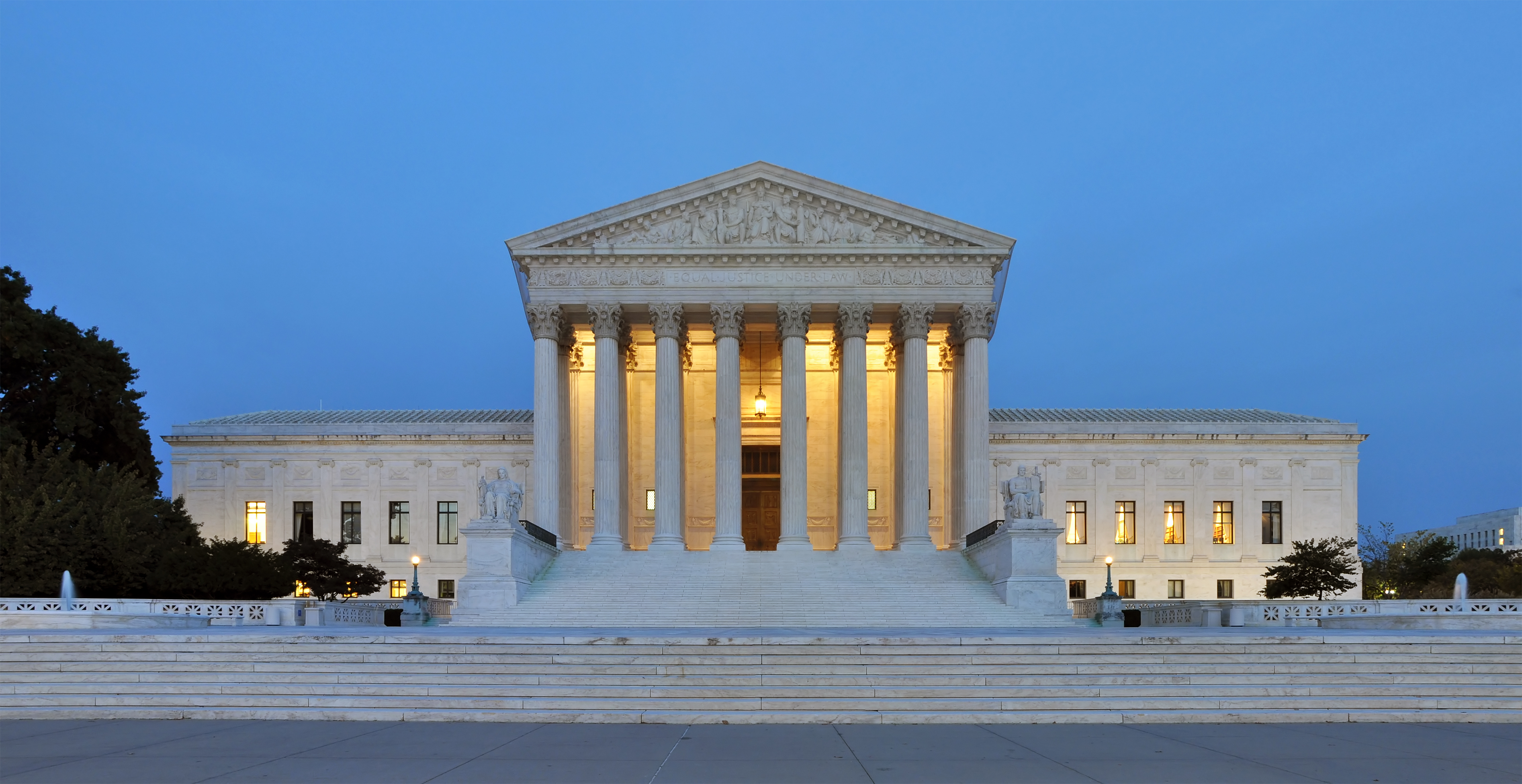
Protecting the Supreme Court Without Politicizing It
There is a certain civic magic in the idea that a Supreme Court justice can do the job, go home, and simply be a citizen again. Not a celebrity. Not a campaign surrogate. Not a target. Just a public servant who writes opinions that bind the nation. That picture is increasingly outdated. When...
Read more →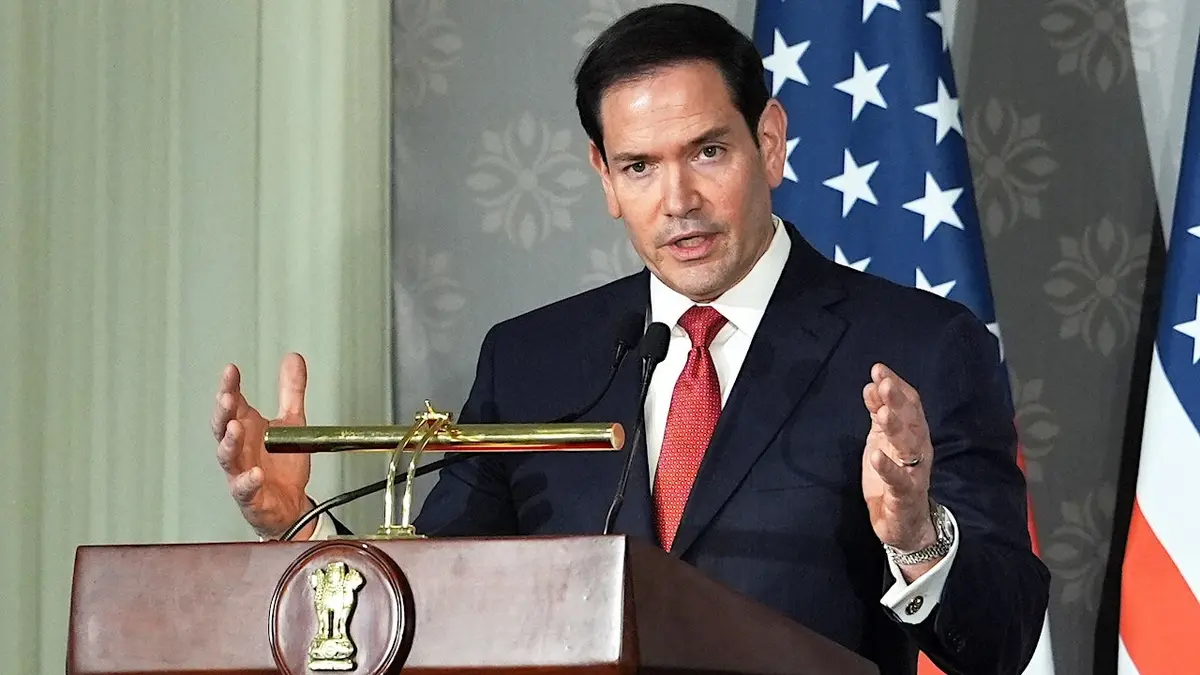
Why Marco Rubio Is Trending: The “Far-Left Political Terrorism” Summit
Marco Rubio is trending because he became the public face of a live diplomatic event with a built-in flashpoint: a U.S.-convened global summit held July 16, 2026 at the State Department focused on what State Department materials and Rubio’s public remarks described as “far-left political...
Read more →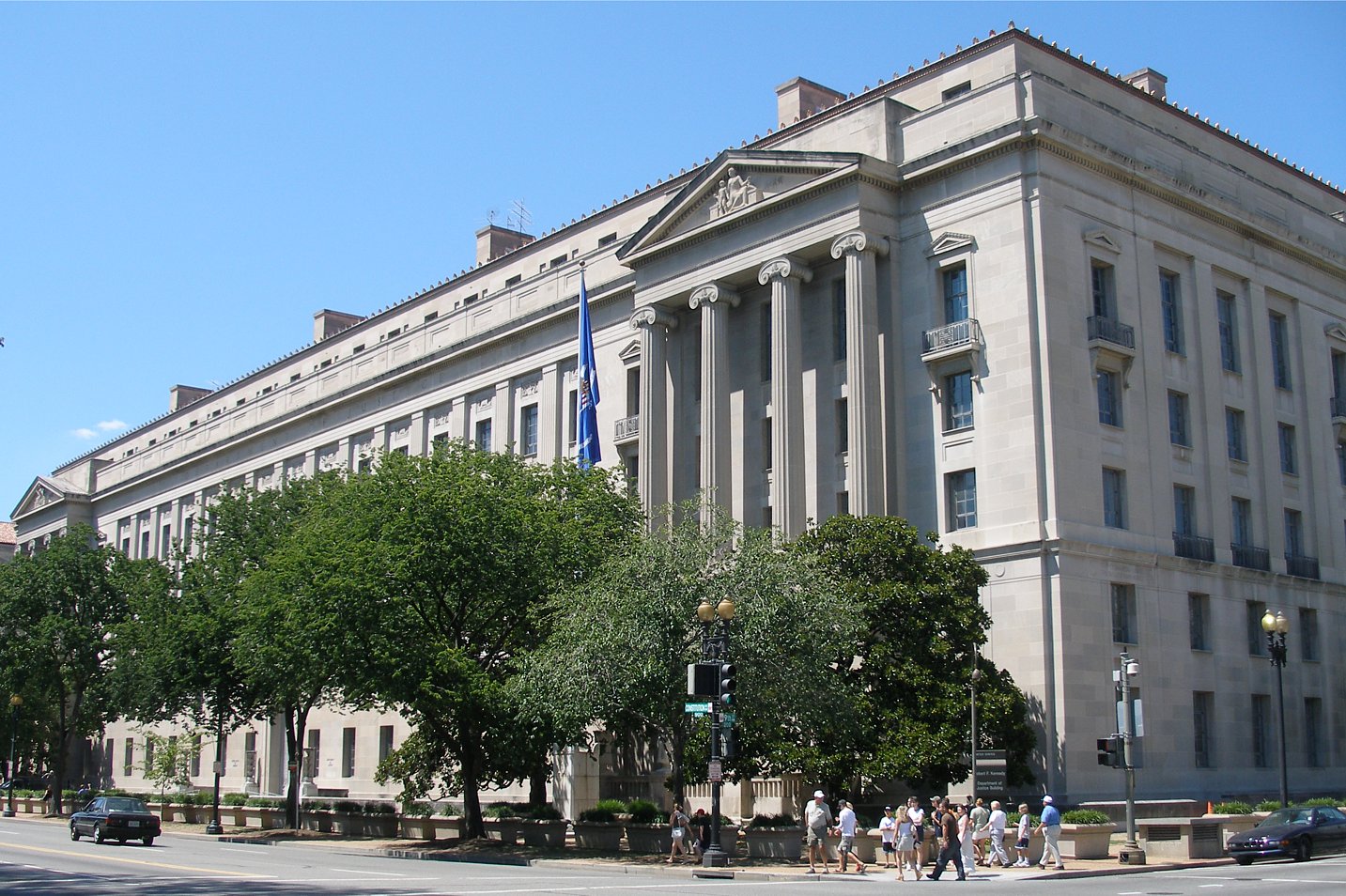
Can a President Fire a U.S. Attorney? What the Seattle Removal Shows
The headline out of Seattle feels like a civics exam written by a prankster: a U.S. attorney , Roger Rogoff, was sworn in by federal judges and then reportedly removed within the hour after an announcement by Todd Blanche. People searching today are not really asking about one officeholder. They...
Read more →
Why Dick Durbin Is Trending
Dick Durbin is usually not the headline. He is the institutional voice in the room, the senator who asks the follow-up when the cameras are drifting away. So when his name trends, it is usually because he has become a hinge between two things Americans care about but rarely connect: how Congress...
Read more →
Can ICE Use Traffic Stops?
When a political figure calls the traffic stop one of ICE’s “most important” tools, it turns a practical tactic into a constitutional question. Can ICE use traffic stops? Sometimes, yes. But in the United States, a “stop” is not a casual conversation. It is a Fourth Amendment seizure , and that...
Read more →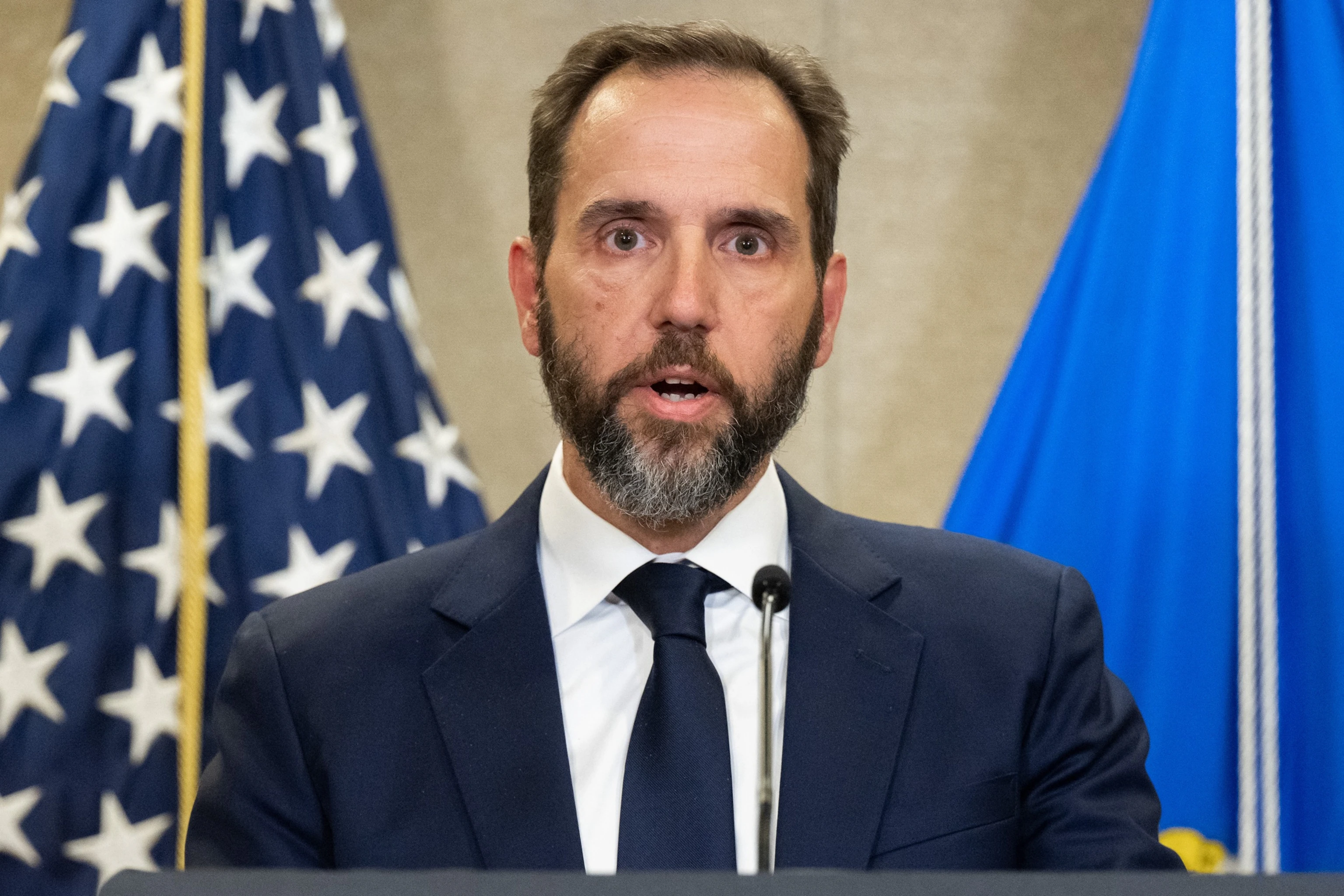
Can a Special Counsel Collect Lawmakers’ Texts?
News stories about a special counsel “scooping up” text messages involving dozens of members of Congress land with a particular kind of constitutional charge. Not because texts are inherently sacred, but because of who is collecting them and whose communications are being collected. When the...
Read more →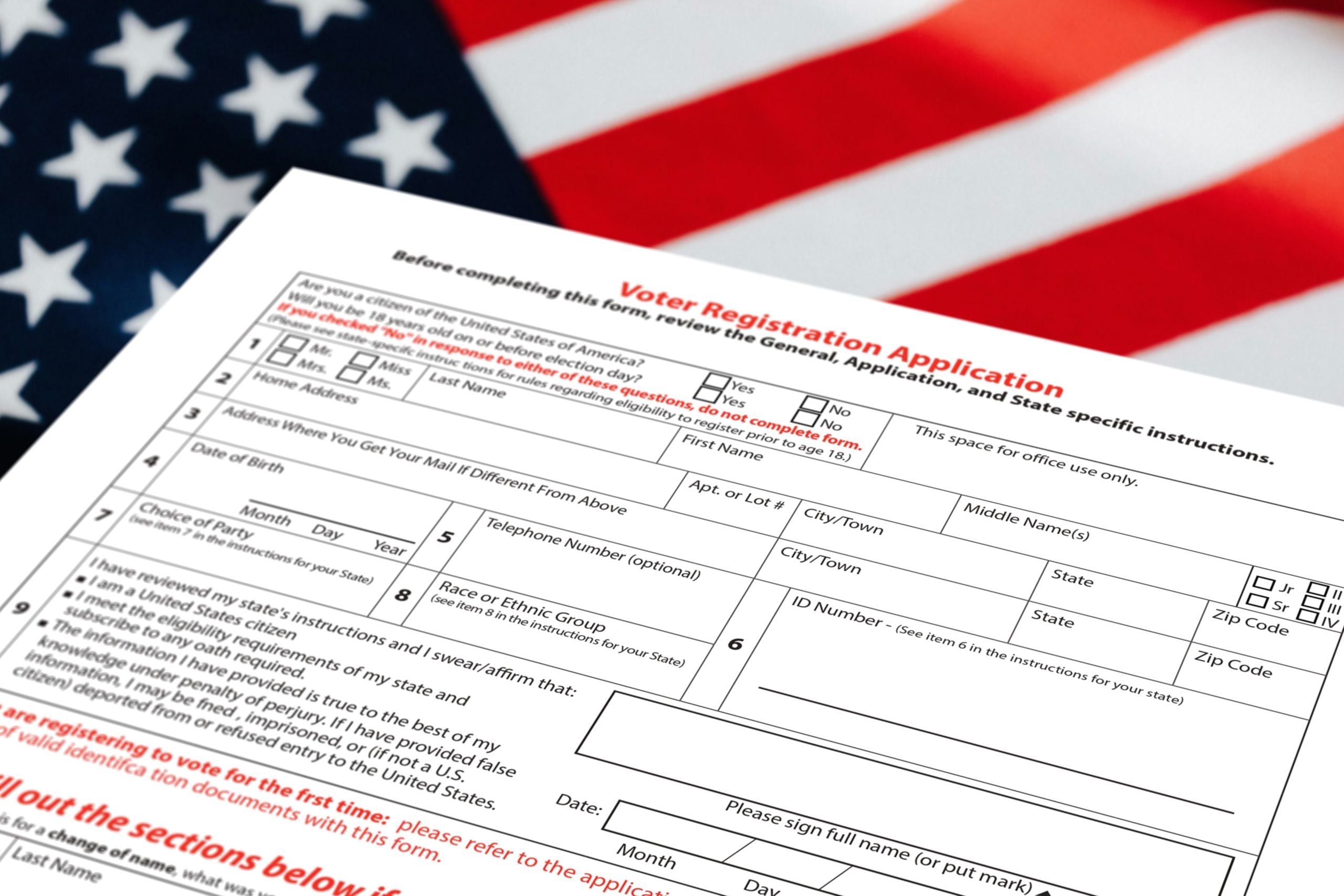
What Is the SAVE Act?
When a voting bill suddenly shows up in the same sentence as budget reconciliation , it is a clue that today’s fight is not only about election rules. It is about how Congress can pass them. The SAVE Act (Safeguard American Voter Eligibility Act), H.R. 8281 , has circulated as an “election...
Read more →
Why US Tankers at Ben-Gurion Are Putting Thousands of Flights at Risk
You do not need to care about aerial refueling to understand why this story went viral. You just need to have ever looked at a departure board. Ben-Gurion International Airport (TLV) is Israel’s primary civilian gateway. When large US aerial refueling aircraft use scarce ramp and stand space at...
Read more →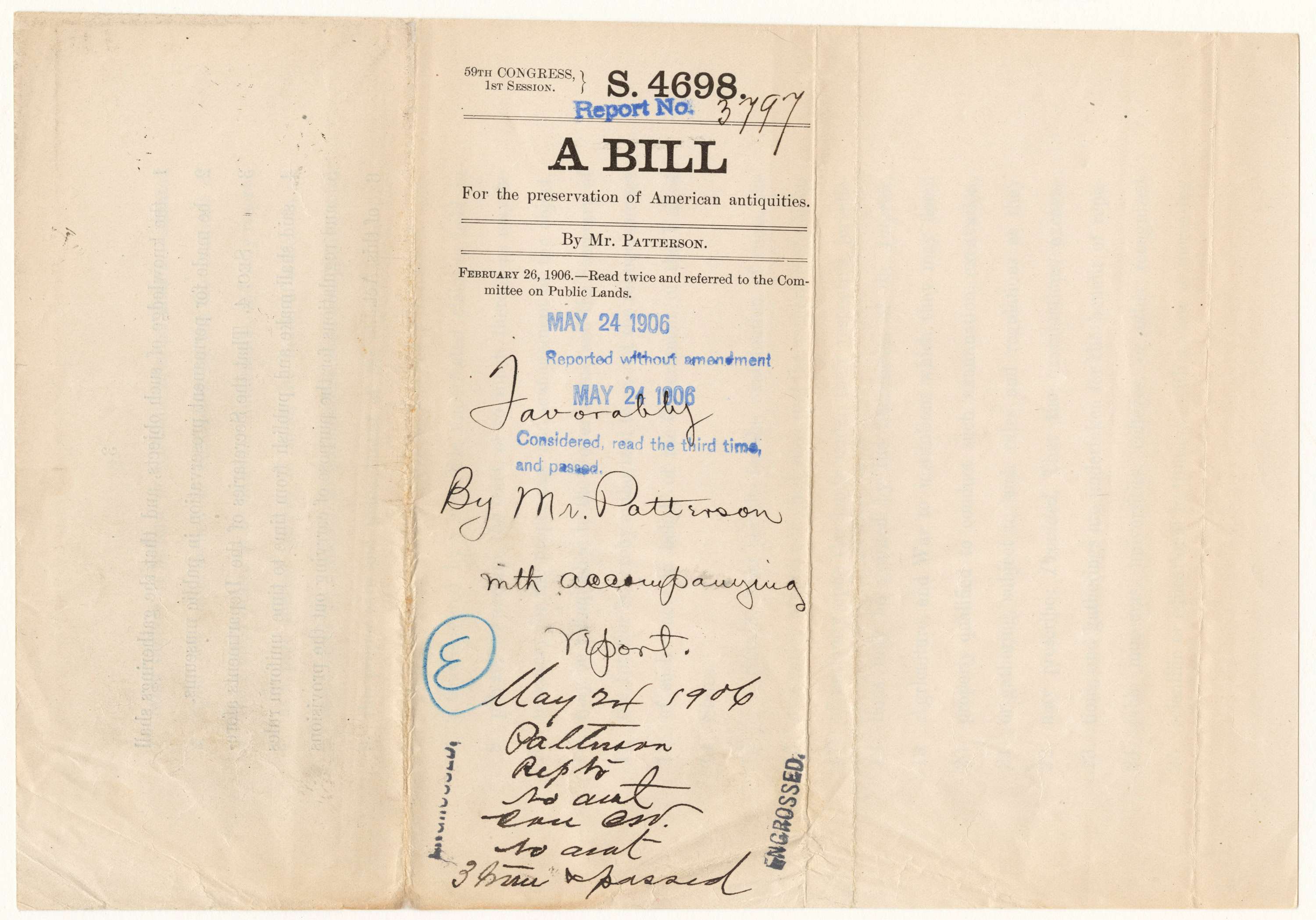
Can a President Shrink National Monuments? The Antiquities Act Explained
When a president announces that a national monument will be cut down to size, the fight is not just about acres. It is about which branch of government controls federal land, and whether a statute written in 1906 gives the president a one-way power or a two-way power. Today’s news cycle is reviving...
Read more →
Supreme Court Recusal Rules, Explained: The Kagan Climate Case Dispute
When a Supreme Court case is headed toward the merits, the loudest fight sometimes happens before the first question is asked: should a justice step aside? That question is back in the news because some conservative advocacy groups have urged that Justice Elena Kagan recuse from a climate-related...
Read more →
The Supreme Court ‘Slaughter Case’ and Presidential Power to Fire Federal Officials
People are searching for a “Supreme Court Slaughter Case” because a recent social media post claims the Court just issued a historic ruling “confirming Presidential Power” under Article II. The post also implies that decades of precedent dating to the 1930s have fallen. Here is the key...
Read more →