
Olive Garden is trending for a reason that has nothing to do with a menu change, a corporate scandal, or a sudden national shortage of breadsticks.
It is trending because politics on the internet has discovered one of its favorite devices: the everyday analogy. This time, the prop is the chain’s Never Ending Pasta Pass, and the punchline is that a restaurant promotion allegedly demands more proof of identity than American elections do.
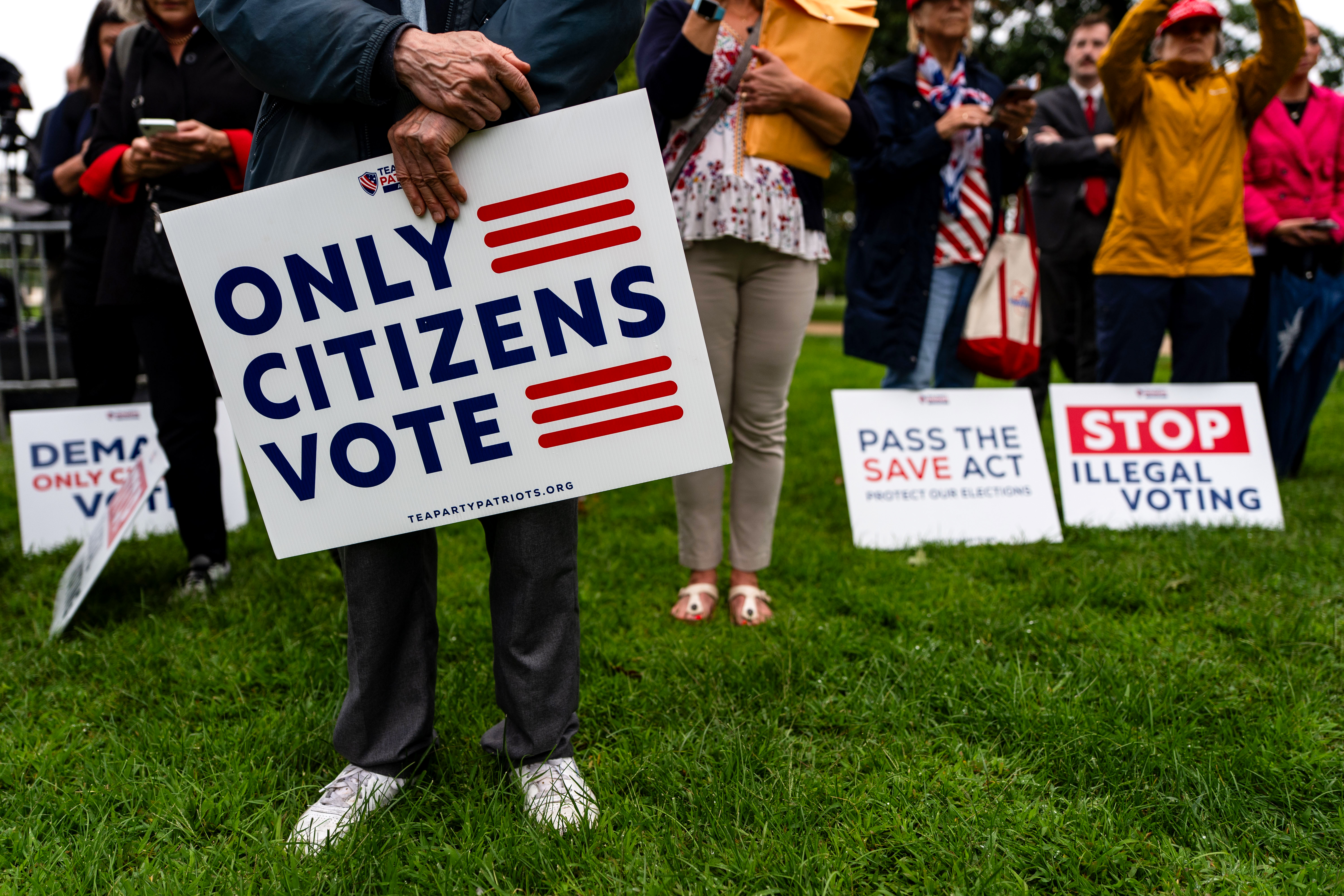
That joke has been folded directly into a real legislative fight over the federal SAVE America Act, with some of its supporters arguing that if you need photo ID for unlimited fettuccine, you should need stricter verification to help decide who becomes Commander-in-Chief.
Join the Discussion
The meme in one sentence
The viral claim goes like this: Olive Garden’s Never Ending Pasta Pass requires photo ID to buy or redeem, while many states do not require ID to vote, so “access to fettuccine” is supposedly more secure than deciding a presidential election.
One widely reshared line from Stephen Miller captures the tone: “We’ve reached a point in society where access to fettuccine at Olive Garden is vastly more secure than deciding who is Commander-in-Chief of the country.”
Why Olive Garden became the symbol
Political arguments go viral when they feel familiar. Most people have never read a bill’s text, but almost everyone understands how promotions work: you buy a pass, you show it, someone checks it, and you get the thing.
The Never Ending Pasta Pass is tailor-made for this kind of metaphor because it is both (1) concrete and (2) inherently a little ridiculous. Unlimited pasta is easy to visualize. Election administration is not. So the meme swaps something complicated for something you can picture in your head in half a second.
From there, the slogan writes itself: if a restaurant checks IDs, why does the government not?
Who is pushing it and what they are trying to accomplish
This is not a spontaneous, apolitical Olive Garden moment. It is a coordinated rhetorical move by prominent conservative and Trump-aligned accounts to popularize a specific legislative goal: passing the SAVE America Act.
Scott Presler distilled the argument into a one-liner aimed at the Senate: “Olive Garden implemented the SAVE America Act more quickly than the US Senate.”
Other high-reach accounts repeated the same comparison in slightly different words, keeping the frame consistent: restaurants verify; elections do not; therefore Congress must act.
The pushback: “That’s not what the bill requires”
Progressive critics did not respond by defending fraud. They responded by attacking the analogy itself.
Melanie D’Arrigo’s rebuttal focuses on a critical distinction that gets lost in the pasta joke: the difference between proving identity and proving citizenship. She wrote: “The IDs needed for Olive Garden, to buy beer, or board a domestic flight are not accepted under the SAVE America Act.” She added: “The SAVE America act isn’t a voter ID bill. It’s a voter suppression bill.”
That is the core counter-argument: the meme invites people to think the bill is about the same ID check you encounter in daily life, when opponents say its documentation standard is meaningfully narrower and more burdensome.
What the meme gets right, and what it blurs
1) Promotions can be strict because they are private and optional
A restaurant can impose tight rules because no one has a constitutional right to unlimited pasta. A company can require photo ID, a specific name match, or other conditions because it is managing a limited offer and trying to prevent resale and fraud.
Voting is not a promotion. It is the mechanism of democratic legitimacy, and it sits inside a web of constitutional rules, federal statutes, state administration, and court decisions that treat access and equality as values alongside security.
2) “Voter ID” is not one single policy
When people say “ID to vote,” they are usually talking about what happens at the polls: do you show a driver’s license or other photo ID on Election Day?
The SAVE America Act debate, as framed by both supporters and critics online, is often about something adjacent but not identical: what documentation is required to establish eligibility, especially around citizenship status, and what happens to eligible voters who do not have those documents readily available.
3) The Commander-in-Chief line is emotional for a reason
Attaching the meme to the presidency is not accidental. The Constitution makes the presidency a singular office with extraordinary power. So the joke is designed to produce a particular kind of moral outrage: how can a country treat dinner more carefully than leadership?
It is effective politics. It is not the same thing as careful policy analysis.
The constitutional pressure point: elections are federal and local at the same time
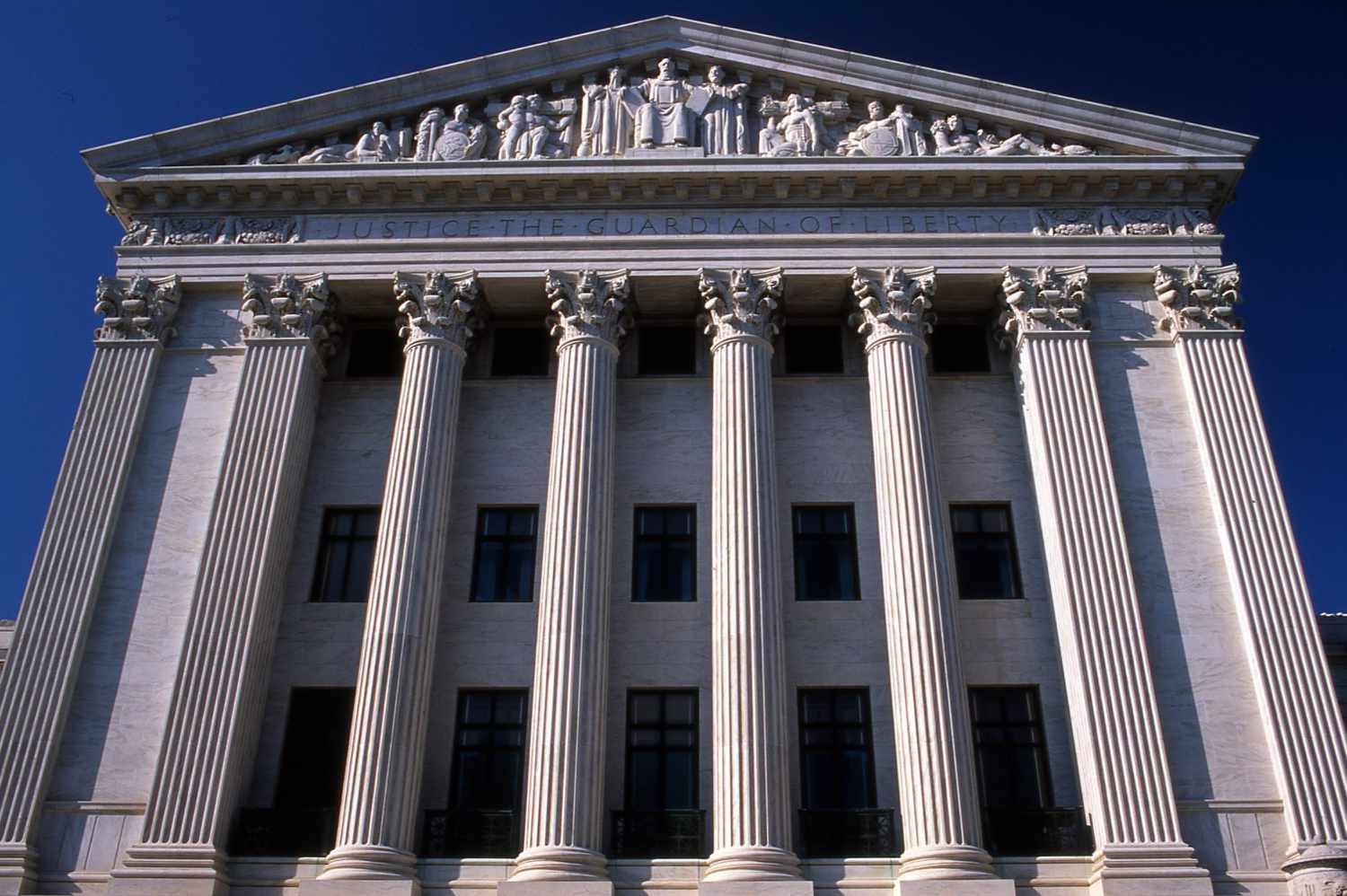
One reason memes thrive in election debates is that American election law is famously split-level.
States run the machinery: registration systems, poll worker procedures, ballot design, and many rules around what a voter must present at the polls. But federal law and the Constitution set guardrails, especially around discrimination and the basic structure of federal elections.
So when a federal bill like the SAVE America Act enters the conversation, it instantly raises a familiar constitutional question: how much uniformity should Congress impose in the name of election integrity, and how much flexibility should states retain in the name of access and local control?
That question cannot be answered with a breadstick joke, even if the joke is clever.
The “giving birth at Olive Garden” joke is a separate thread
Not every Olive Garden viral post is part of the SAVE America Act discourse. A high-engagement gag asked: “What if I gave birth at an Olive Garden location? Is my baby entitled to a never-ending pasta pass?”
It is internet absurdism, and it is funny in the way only a low-stakes hypothetical can be. But it is not what is driving the political metaphor. Think of it as a side conversation happening in the same room, not the same argument.
Why this kind of meme works (even when it misleads)
- It compresses policy into a feeling. Security should be simple. If it is simple for pasta, it should be simple for voting.
- It recruits neutral brands. Olive Garden is familiar and, importantly, not a partisan institution. That neutrality makes it feel like common sense is on one side of the debate.
- It shifts the burden of proof. Instead of arguing the bill’s text line by line, the meme pressures opponents to explain why voting should be “less secure” than a promotion, even if that is not the real tradeoff at stake.
The civic takeaway
The best way to understand the Olive Garden trend is to treat it as what it is: a metaphor deployed in a legislative fight.
Metaphors are not evidence. They are framing tools. They tell you what a speaker wants you to feel before you have even asked what the policy actually does.
So if you take anything from the Pasta Pass ID meme, let it be this: when politics starts using consumer rules as a proxy for constitutional governance, it is time to slow down, separate identity from citizenship, and demand specifics.
Quick FAQ
Is Olive Garden trending because it changed its policy?
No. The trend is about people using the Pasta Pass and ID checks as a political comparison in the SAVE America Act fight, not about a newly announced corporate shift.
Is the viral debate mainly about “voter ID” at the polls?
Not exactly. The online argument often slides between different concepts: ID for in-person voting, documentation for registration, and proof of citizenship. Those are related but not identical questions.
Is the “birth at Olive Garden” post part of the SAVE America Act messaging?
It is a separate humor thread. The political cluster is the Pasta Pass ID comparison tied directly to the SAVE America Act.