
Dick Durbin is usually not the headline. He is the institutional voice in the room, the senator who asks the follow-up when the cameras are drifting away.
So when his name trends, it is usually because he has become a hinge between two things Americans care about but rarely connect: how Congress uses its oversight power and how Congress handles long-term fiscal promises.

Join the Discussion
What is real
Durbin’s day job is not viral. It is structural.
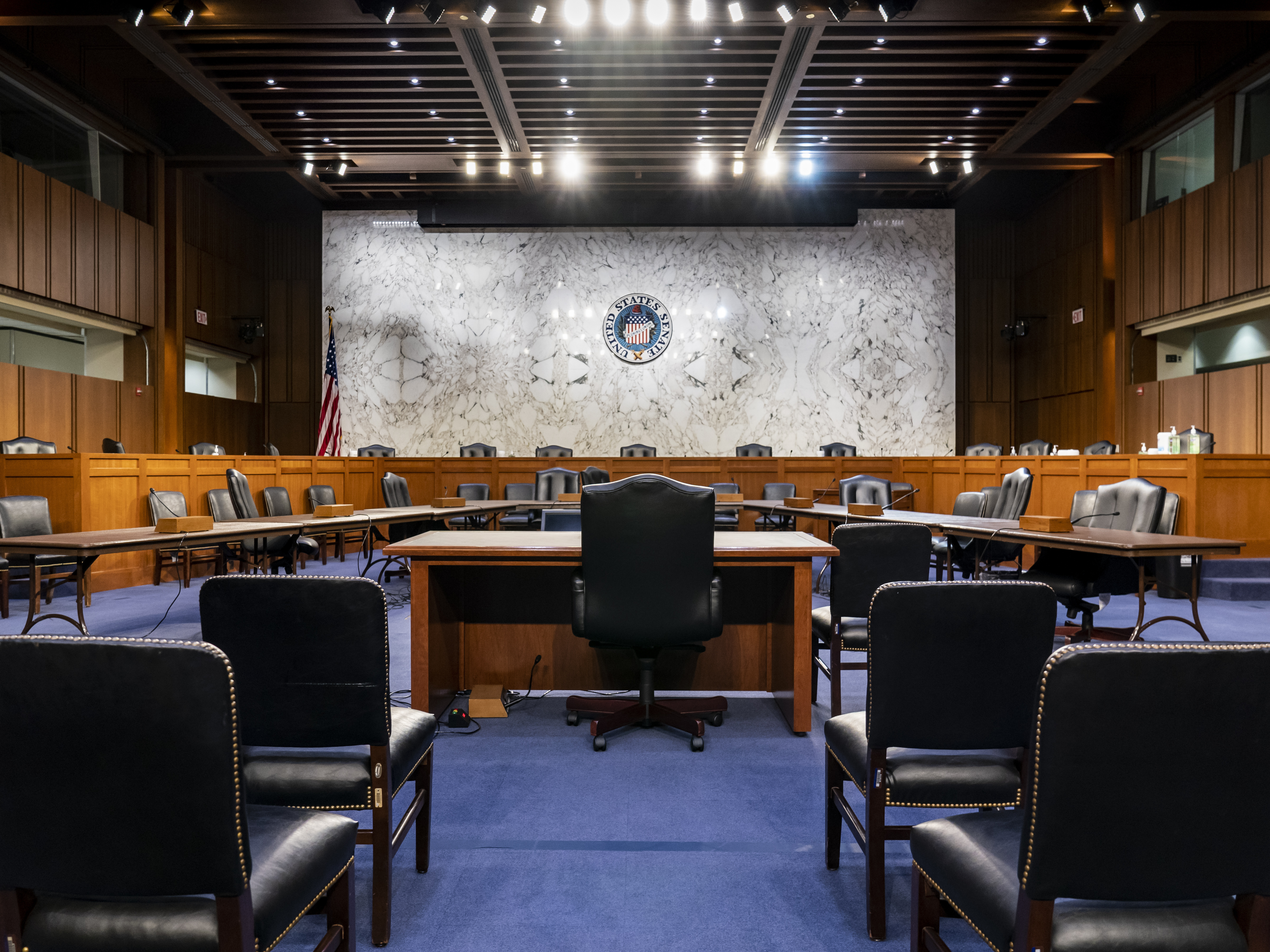
He is a senior senator and a long-time member of the Senate Judiciary Committee. That committee is where the Senate turns constitutional phrases like “advice and consent” into a paper trail: written questions, testimony, follow-up letters, holds, and votes.
That matters even when there is no single explosive exchange to clip and share. Oversight is often slow on purpose. It is built around records that can be revisited later when the heat is gone.
Why people look to him
Durbin’s influence tends to show up in three places that are easy to miss if you only watch politics as a highlight reel.
- Confirmations. The Senate does not just approve people. It builds a public record about how they describe their authority, limits, and priorities.
- Oversight letters and follow-ups. The unglamorous tool that forces agencies to answer in writing, which is often more durable than a sound bite.
- Process choices. What gets scheduled, what gets delayed, and what gets moved as “routine” versus “must-pass.”
That is why Durbin can be relevant across multiple issues at once. He is often positioned at the point where Congress decides whether it will ask hard questions in public, or quietly move on.
Social Security
One topic that reliably pulls Durbin into the national conversation is Social Security, because it is the rare policy issue that is both intimate and mathematical. People experience it as a promise. The government experiences it as cash flow.
Here is the factual frame that can be checked against official documents: under current law, the Social Security trustees project that the program faces a financing gap over time, and that trust fund reserve depletion would trigger an automatic constraint. Social Security would still collect payroll taxes and still pay benefits, but benefits would be limited to incoming revenue once reserves are exhausted.
Coverage often blurs important distinctions between OASI (retirement and survivors), DI (disability), and the combined OASDI measure. If a politician or advocate cites “the” depletion date, the first question should be: which trust fund measure are they referring to?

The policy choices
Because Social Security is statutory, Congress can change it through ordinary legislation. The problem is not legal authority. The problem is political cost.
Any workable solvency package tends to rely on some combination of:
- More revenue, such as changes to the payroll tax rate or the taxable wage base.
- Slower benefit growth, usually through formula changes, eligibility rules, or cost-of-living calculations.
- General revenue transfers, which changes what the program is and how it competes with the rest of the budget.
The reason lawmakers avoid the subject is also why it matters when senior senators engage it seriously: voters tend to punish both tax hikes and benefit reductions, and they rarely reward the people who do the arithmetic early.
What to watch
If Durbin’s name continues to surface around Social Security, the key question is not whether he gives a speech about “saving the program.” Everyone does that. The test is whether Congress moves from rhetoric to mechanism.
- Are there hearings with expert testimony tied to the trustees’ projections and current law?
- Is there text, scoring, and a legislative pathway that forces real votes?
- Do lawmakers state clearly whether they are talking about OASI alone or the combined OASDI system?
The takeaway
The reason Dick Durbin trends is not celebrity. It is leverage.
In the places where Congress still has real constitutional tools, confirmations, oversight records, and committee process, Durbin is often close to the steering wheel. And on issues like Social Security, where the country is eventually forced to choose between taxes, benefits, or redesign, senior lawmakers matter most when they replace slogans with a process that produces an answer.