
Probation and parole get treated like interchangeable words in everyday conversation. They are not. They sit in different places in the criminal justice pipeline, they come from different legal decisions, and they carry different assumptions about what the government is doing when it supervises someone.
At a high level, probation is typically a sentence served in the community, often instead of prison and sometimes alongside a short jail term (a “split sentence” or jail as a condition). Parole is typically supervised release after time in prison. Both can include strict rules, both can be revoked, and both raise the same basic constitutional tension: how much liberty can the state take away without a new criminal conviction?
One concrete way to think about the “assumptions” is this: probation is often framed as conditional leniency at sentencing (you stay in the community if you follow the rules). Parole is often framed as conditional release from a prison sentence (you leave confinement early or at a set point, but you are still serving the sentence in the community).
Join the Discussion
Where they fit
Think of a criminal case as a series of gates. Arrest. Charging decision (filing charges). Bail. Arraignment. Plea or trial. Sentencing. Then, depending on the sentence, a person may serve time in the community, in jail, in prison, or in some combination.
- Probation usually happens instead of incarceration or alongside a short jail term. It is imposed by a judge at sentencing.
- Parole usually happens after incarceration in prison, when someone is released but remains under supervision. It is typically granted and managed through a parole authority or correctional system, depending on the jurisdiction.
Because probation and parole occur at different stages, they often reflect different policy goals. Probation is often framed as a chance to avoid prison while still holding someone accountable. Parole is often framed as a managed transition back into the community after incarceration.
Quick clarity: Jail is usually local and shorter-term (often pretrial or shorter sentences). Prison is typically state or federal and longer-term. Parole, when it exists, is most associated with release from prison rather than jail.
Probation
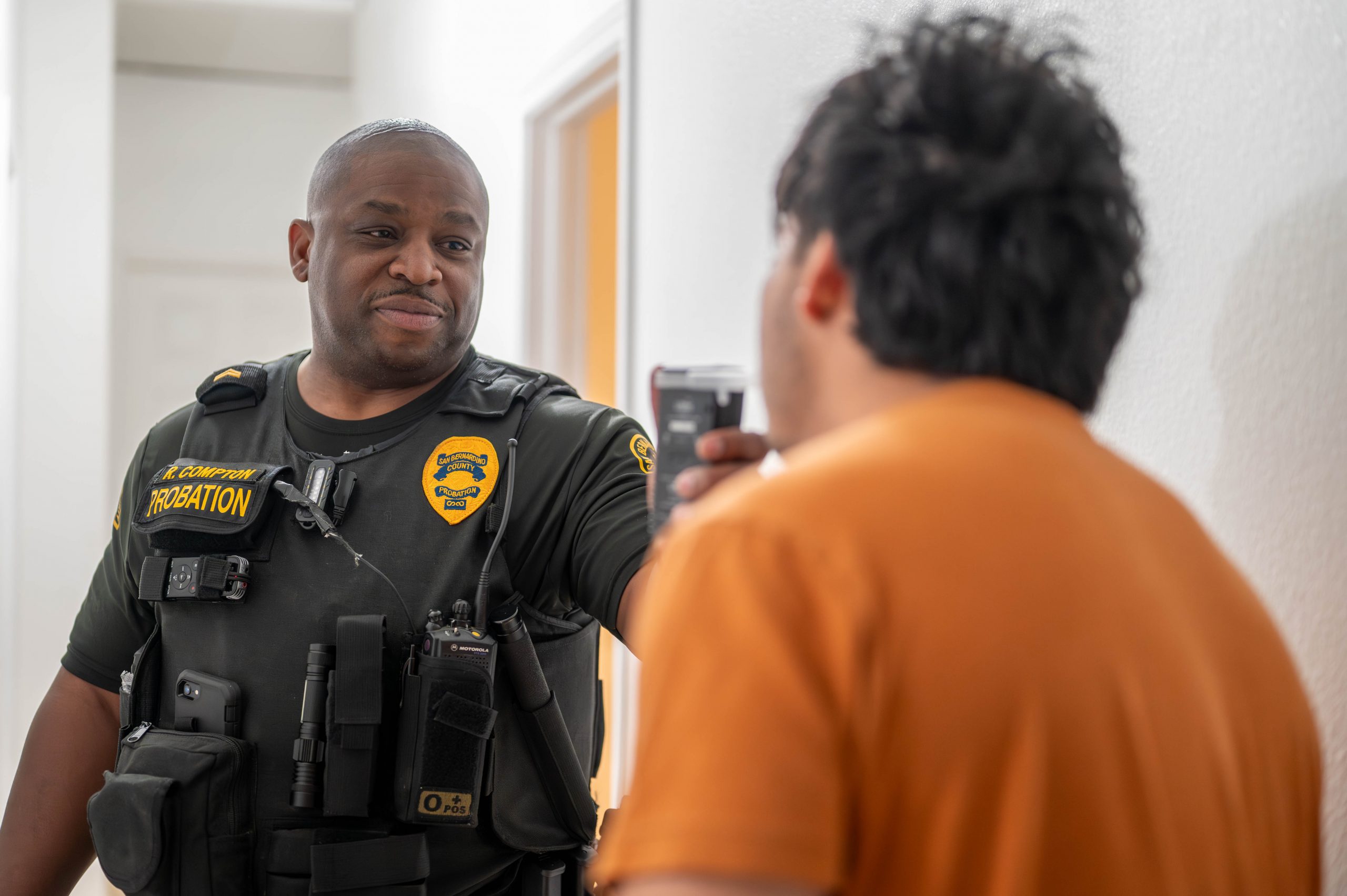
Probation is a court-ordered sentence served in the community under supervision. Instead of being confined, the person agrees to follow conditions set by the court, with monitoring by a probation officer or probation department.
Common types
- Supervised probation: regular check-ins with an officer, possible home or workplace visits, and active monitoring.
- Unsupervised probation: fewer reporting requirements, but conditions still apply and violations can still trigger court action.
- Deferred adjudication or similar programs: in some systems, successful completion can lead to dismissal or reduced consequences, while failure can lead to conviction or sentencing.
What it is trying to do
Probation is often justified as a balance between punishment and reintegration. The state is saying: you can stay in the community, but you will do it on terms that the court can enforce.
Parole
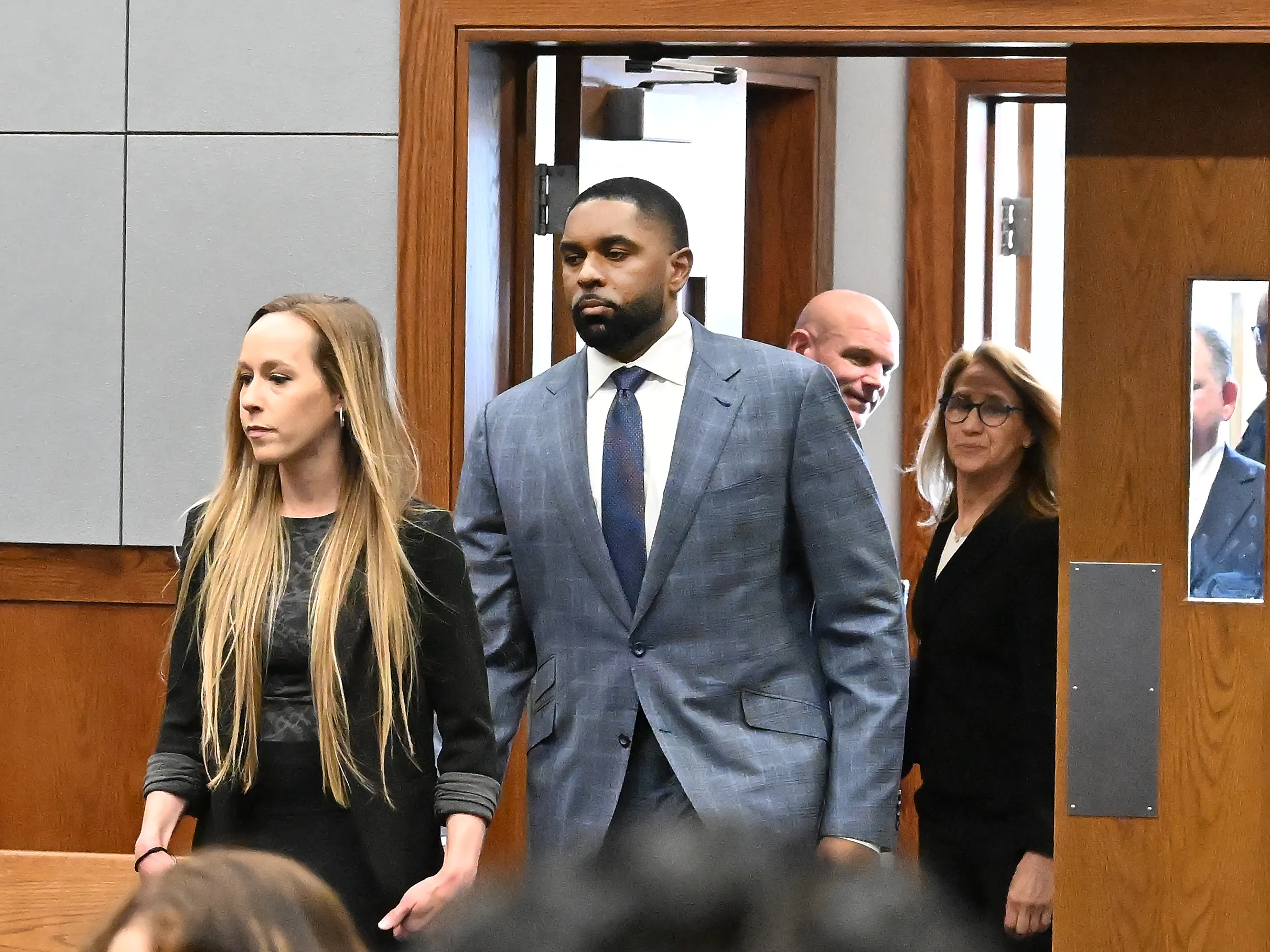
Parole is supervised release after a period of incarceration in prison. The individual has served part of a prison sentence and is released subject to conditions. If those conditions are violated, the parole authority may return the person to custody.
Not the same as early release
People often use “parole” to describe any early release. But parole is a specific legal status: a person is out of prison, but not fully free of the sentence. They are still serving it, just in the community.
That said, terminology varies. Some systems use “parole” to cover both discretionary release (a board decides) and mandatory release at a statutory date, while others use terms like post-release supervision for similar supervision.
Who decides
In many systems, parole decisions are made by a parole board or similar authority, guided by statute and agency rules. Some jurisdictions have limited or eliminated discretionary parole for many offenses, replacing it with determinate sentencing, mandatory release, or post-release supervision. The labels vary, but the central idea remains supervision after incarceration.
Conditions
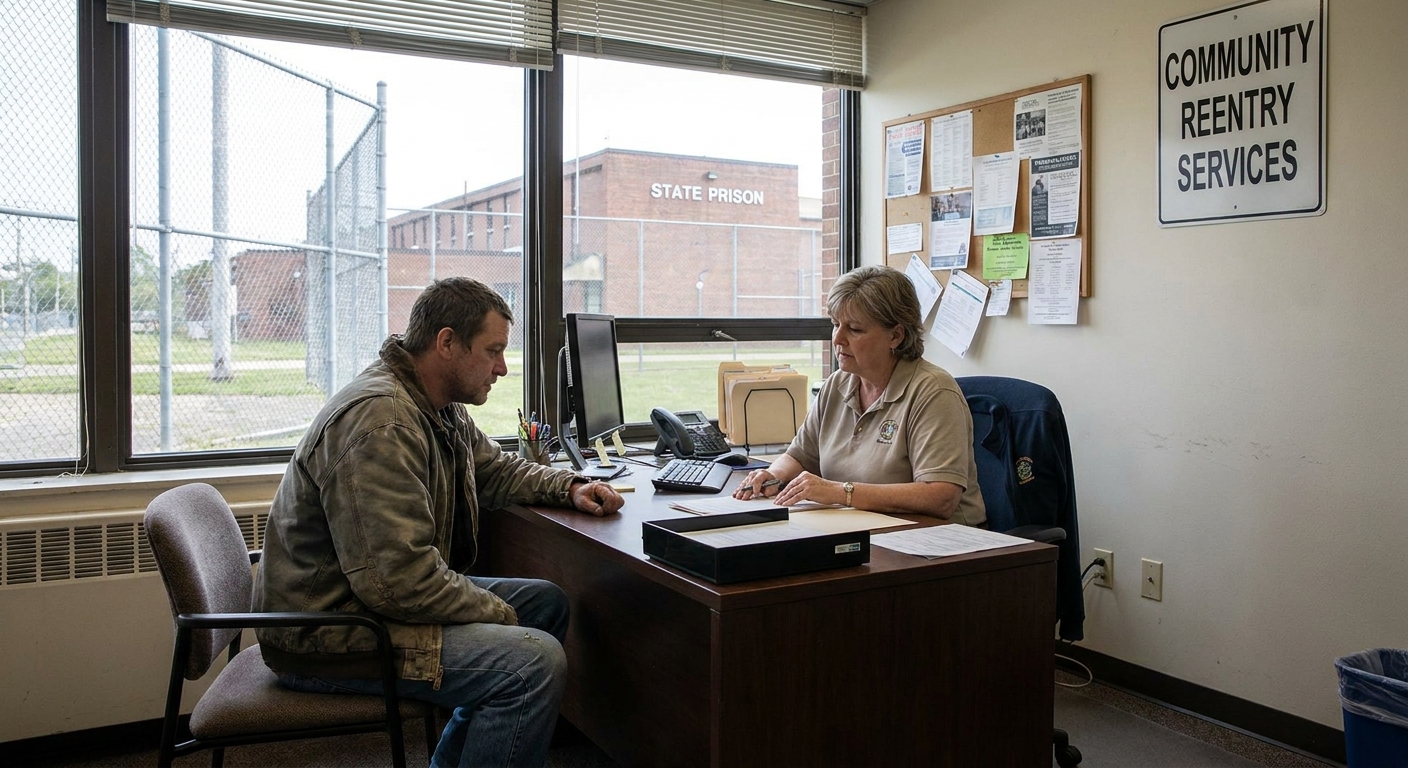
Probation and parole conditions can look very similar. They are often a mix of public safety rules, treatment requirements, and administrative checkboxes. The specifics vary by jurisdiction and by case, but these are common categories.
Standard conditions
- Report to an officer on a schedule and provide updates about address, employment, and contacts.
- Obey all laws, including avoiding new arrests and avoiding specific prohibited conduct.
- Travel restrictions, sometimes requiring permission to leave a county or state.
- Drug and alcohol rules, including testing or bans on use.
- No-contact orders or restrictions involving victims, witnesses, or co-defendants.
Special conditions
- Treatment programs such as substance use counseling, mental health treatment, or anger management.
- Community service hours.
- Restitution and fees paid to victims or the court system.
- Curfews and structured schedules.
- Electronic monitoring such as GPS ankle devices in some cases.
One practical difference people expect is intensity. Parole supervision can be more restrictive in many cases because it follows prison, but intensity often depends more on risk level, local policy, and specific conditions than on the label alone. High-risk probation can be more restrictive than low-intensity parole.
Violations
Violations usually fall into two broad buckets, and the difference matters.
Technical violations
A technical violation is breaking a condition of supervision without committing a new crime. Examples include missing a meeting, failing a drug test, violating curfew, or traveling without approval.
New criminal conduct
The more straightforward violation is new criminal conduct. Importantly, a violation case may proceed based on the conduct alleged in an arrest or police report, even without a new conviction, depending on the jurisdiction and the evidence presented at the violation hearing. In other words, it is often not “the arrest itself” that matters, but what the supervising authority or court finds actually happened under a lower proof standard than a criminal trial.
In practice, technical violations are a major driver of revocations. That reality shapes the constitutional and policy debate: supervision can become a second, quieter sentencing system that runs on rule enforcement rather than jury trials.
Revocation
Revocation is what happens when the state claims a person violated probation or parole conditions and seeks to impose consequences, including incarceration. The names differ, but the structure is similar: an allegation, a hearing process, and a decision about whether the person stays on supervision, gets modified terms, or gets sent to custody.
What can happen
- Warning or reprimand, sometimes with increased reporting.
- Modification of conditions, such as adding treatment, tightening curfew, or adding monitoring.
- Short jail sanction in some systems.
- Revocation leading to incarceration or a return to prison.
Due process basics
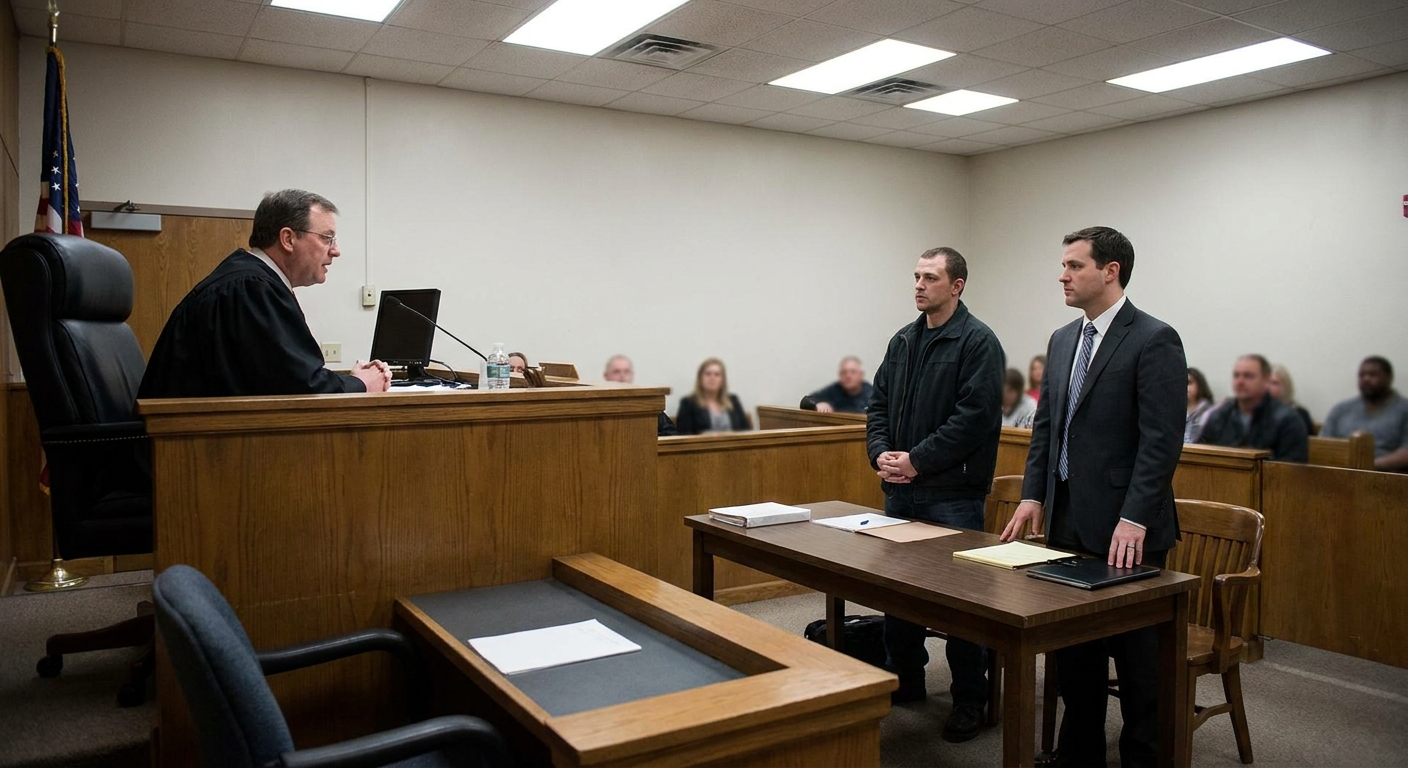
Probationers and parolees do not have the same procedural posture as someone who has not been convicted. A conviction changes what the government may do and how it proves violations. Still, the Supreme Court has recognized that revoking parole or probation requires basic due process safeguards, including notice of alleged violations and an opportunity to be heard. The leading cases are Morrissey v. Brewer (parole) and Gagnon v. Scarpelli (probation).
As a practical implication, revocation hearings are usually not full criminal trials. The standard of proof is typically lower than “beyond a reasonable doubt,” and the right to counsel can be more limited and depends on the jurisdiction and the circumstances.
This is the constitutional balancing act in plain terms: supervision is liberty with strings attached, and revocation is the state pulling those strings tight enough to take liberty away again.
Simple comparison
If you only remember one thing, remember this: probation is usually a sentence in the community; parole is usually supervised release after prison.
- Probation: ordered by a judge at sentencing, often instead of incarceration (and sometimes with a short jail component).
- Parole: follows prison, often administered by a parole board or corrections agency where parole exists.
- Both: include conditions, supervision, and the possibility of revocation.
Variations to know
Probation and parole are broad categories, and the details vary widely.
- Abolished or limited parole: Some states have abolished or sharply limited discretionary parole for many offenses, relying more on determinate sentences and fixed release dates with supervision.
- Federal system: Federal parole was largely abolished for offenses committed after 1987. Most federal community supervision after prison is called supervised release, which is not technically parole even though it can function similarly.
- Different labels: You may see terms like community control, post-release supervision, conditional release, or mandatory release. They often cover similar territory: supervision in the community under enforceable conditions.
Why it matters
Probation and parole are not minor technicalities. They are the part of the criminal justice system that many people live inside, often for years, long after the courtroom moment that produced the sentence.
They also illustrate a recurring constitutional theme: rights and restrictions often depend on procedural posture. The law treats someone awaiting trial differently from someone convicted. It treats someone serving a sentence in prison differently from someone serving a sentence in the community. Supervision lives in that middle space, where freedom exists, but it is conditional and monitored.
Understanding probation and parole helps decode headlines about revocations, reentry, drug testing, electronic monitoring, and the ongoing debate over whether supervision is a bridge back to normal life or a long extension of punishment under another name.
Scope note
This article is general educational information, not legal advice. Probation and parole rules vary widely by state and by the federal system, and the details can turn on the offense, the sentence, the judge, and the supervising agency. If you are dealing with a specific case, consult a qualified attorney in the relevant jurisdiction.