
Mail voting feels simple until you cross a state line.
In some states, you have to ask for a ballot and provide a reason. In others, eligible voters on the active registration list are sent a ballot automatically (and “active” vs “inactive” status can matter). Some states count a ballot if it is postmarked by Election Day. Others require it to be received by Election Day, even if you mailed it on time. And the rules can change, sometimes quickly, due to new laws or court decisions.
None of that is accidental. Under the Constitution, states administer most of the mechanics of elections. Congress also has authority to regulate the “Times, Places and Manner” of federal elections, and federal statutes and courts can shape the details (especially when rules collide with federal protections). But the day-to-day reality is still state administration, county logistics, and very specific instructions on your ballot packet and return envelope.
Join the Discussion
Absentee, mail-in, and all-mail
People use these terms interchangeably, but election offices do not always mean the same thing when they say them.
Absentee voting
Traditionally, an absentee ballot is a ballot you vote outside a polling place and return before a deadline. Historically it was for voters who could not be physically present on Election Day, like military voters or people traveling.
Today, many states offer no-excuse absentee voting, meaning you can request an absentee ballot without giving a reason. Other states still require an excuse that fits into a limited list.
Mail-in voting
Mail-in voting is often used as a broad, everyday term for voting by returning a ballot through the mail. In practice, it usually means absentee voting, but not always. Some states treat “mail-in” as a separate category in their statutes, while others use “absentee” as the formal term even when the ballot is mailed.
All-mail elections
An all-mail election usually means the state (or a county) mails a ballot to voters automatically, without requiring a request each election. Voters then return the ballot by mail, by drop box, or in person at an election office. Many all-mail states still offer vote centers for in-person help, accessible voting equipment, same-day issues, or replacement ballots.
The key difference is simple: Do you have to request the ballot, or does it come to you?
How voters get a ballot
States generally use one of two models.
Model 1: Request-based absentee
- You apply for an absentee ballot (online, by mail, sometimes in person).
- You may need to provide identifying information, such as a driver’s license number, a state ID number, or the last four digits of your Social Security number.
- In excuse-required states, you may need to select a qualifying reason.
- The election office reviews the request and then sends a ballot.
Some states also allow an “annual” or “permanent” absentee list for voters who want ballots automatically each election, but even those programs have maintenance rules, and you can be removed if you stop voting or fail to respond to notices.
Model 2: Automatic mailing
- Ballots are sent to eligible voters on a schedule set by state law, often tied to an active voter list.
- The mailing list relies heavily on current addresses. If you moved and did not update your voter registration, your ballot may go to an old address.
- Election offices typically have a process for replacement ballots if a ballot is damaged, lost, or never received.
How voters return a ballot
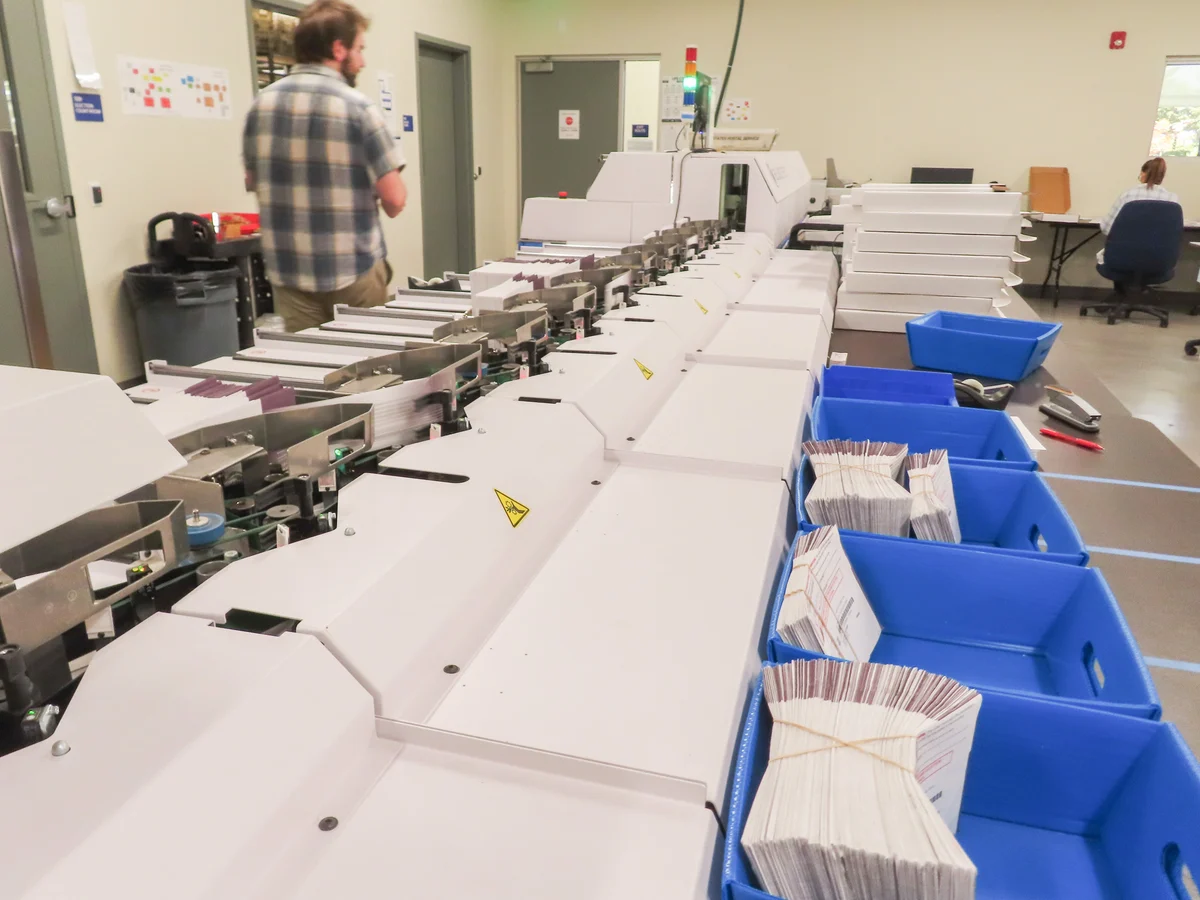
Most states offer more than one return option, even when the ballot itself is a mail ballot.
Return by mail
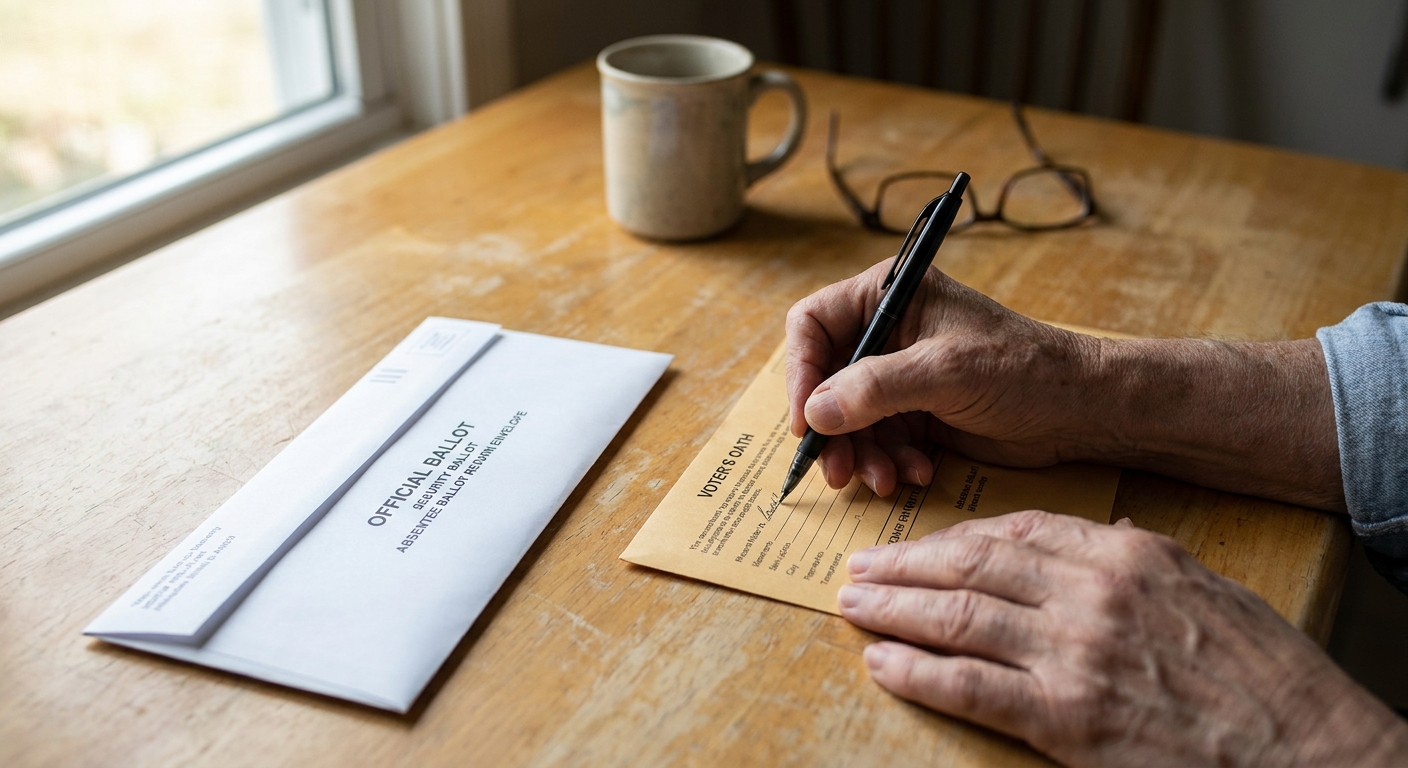
This is the classic method. You seal the ballot in the required envelope(s), complete the voter declaration, and mail it back. The most common pitfalls are not using the correct envelope, forgetting a required signature, skipping a required secrecy sleeve (in states that use one), or missing the state’s cutoff rules for postmarks and receipt.
Drop boxes
Many states and counties provide secure drop boxes. These are typically locked, built to resist tampering, and collected on a documented schedule. Drop boxes can reduce postal delays, but they often have strict location and time limits.
In-person return
Some states let you return your own ballot directly to the election office, a vote center, or an early voting site. A major point of variation is whether you can return a ballot for someone else.
Ballot collection rules
States differ sharply on who may deliver a completed ballot. Some allow a family member, household member, or caregiver to return it. Others limit third-party returns or require a specific authorization form. These rules exist to reduce undue influence and chain-of-custody disputes, but they can also affect voters with disabilities, limited transportation, or language barriers.
Signature checks and other verification
Mail voting is built around a basic verification tradeoff: you are not showing an ID to a poll worker, so the system uses other checks. What that check is depends on the state.
Signature matching
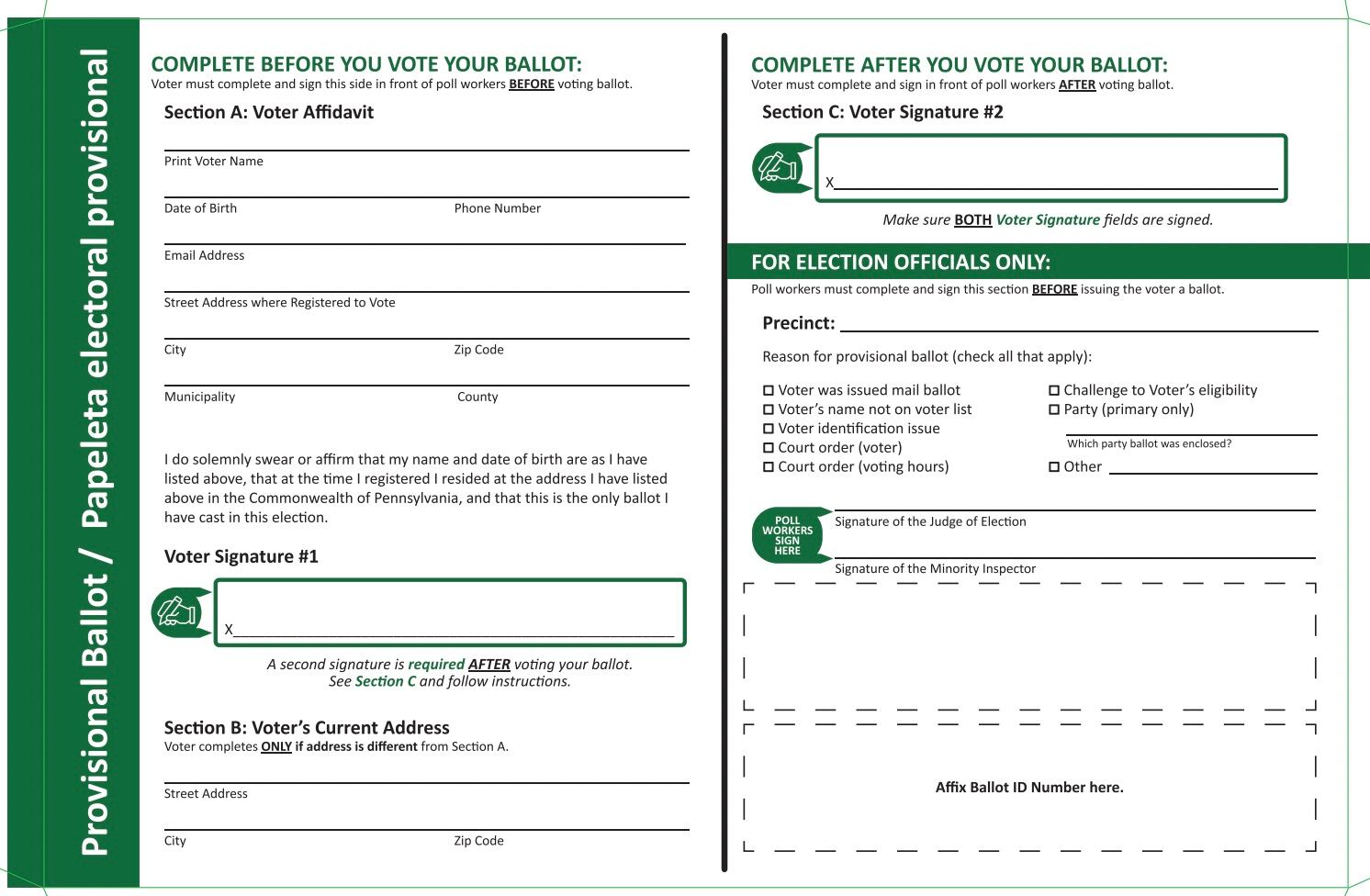
In many states, election officials compare the signature on your ballot envelope to a signature they have on file, often from your voter registration record or driver’s license record. The goal is identity verification, not handwriting perfection.
Other common methods
Some states rely more on other verification steps, such as an ID number you write on the envelope, a witness signature, or notarization requirements. The “right” method is not a national standard. It is whatever your state requires on that return packet.
If there is a problem
States often have a “cure” process that lets voters fix certain issues, such as a missing signature or a signature that election officials flag as not matching. Cure rules vary, including:
- Whether you are notified by mail, phone, email, text, or an online portal.
- How long you have to respond after Election Day.
- Whether you must provide ID information, sign an affidavit, or appear in person.
If your state offers curing, it can be the difference between a counted vote and a rejected ballot. The catch is that curing usually has its own deadline, and it can move fast.
Deadlines: postmarked vs received
One of the biggest state-to-state differences is what “on time” means.
Received-by deadlines
In some states, your ballot must be received by the election office by the close of polls on Election Day (or earlier). Under this system, mailing it on Election Day may be too late, even if the postmark is perfect.
Postmark-based deadlines
Other states accept ballots that are postmarked by Election Day, as long as they arrive within a specified window afterward. That window might be a few days or longer, depending on state law and litigation history.
What to do in real life
Deadlines are where administration meets constitutional conflict. States cite the need for finality, fraud prevention, and manageable canvassing. Plaintiffs often cite the right to vote, equal protection concerns, and the reality of postal delays. Courts frequently end up parsing whether a rule is a neutral administrative line or an undue burden in practice.
For voters, the takeaway is less philosophical: do not guess your deadline. If you are mailing it, send it as early as you reasonably can. If you are close to Election Day, consider using an official drop box or in-person return option if your jurisdiction offers one.
Common mistakes that can get ballots rejected
Many rejected mail ballots are not rejected because someone tried to cheat. They are rejected because something went wrong on paper.
- Missing signature on the return envelope (in states that require one).
- Late return under your state’s receipt or postmark rules.
- Improper packaging, such as using the wrong envelope, not sealing it, or skipping a required secrecy sleeve where applicable.
- Missing required information, such as a witness signature, notary stamp, or ID number in states that require it.
- Damage to the barcode or envelope that prevents processing.
- Voting twice by mistake, such as attempting to vote in person after returning a mail ballot without following the state’s replacement or surrender process.
Instructions can feel tedious because they are doing the job a polling place normally does in person: verifying eligibility, preserving secrecy, and creating a chain of custody that can survive a recount.
If your plans change
It is common to request a mail ballot and then decide you would rather vote in person. States handle this differently. Some ask you to surrender the unused mail ballot at the polls. Others will have you vote a provisional ballot that is counted once officials confirm you did not already vote by mail. If you think you might switch methods, check your local instructions before Election Day so you are not making decisions in line at the last minute.
Tracking your ballot
Many states and counties provide ballot tracking tools that let you see key steps like:
- When the ballot was mailed to you.
- When your returned ballot was received.
- Whether your signature was accepted (or whether other verification steps were satisfied).
- Whether a cure is required and how to complete it.
If your jurisdiction offers tracking, it is one of the best ways to avoid silent failure. Mail voting shifts some responsibility onto the voter, and tracking is how you confirm the system actually has your ballot in hand.
Where to verify your rules
The fastest way to get into trouble with mail voting is to rely on a national explainer, including this one, as if it were a state statute.
To verify your exact rules, use official sources first:
- Your state election office (often the Secretary of State or State Board of Elections).
- Your county or local election office, which often sets drop box locations, office hours, and cure procedures.
- Mail ballot tracking portals operated by your state or county.
For a reliable nonpartisan cross-check, many voters also use the National Association of Secretaries of State directory and well-established voter information tools, but your final authority should always be the election office that will actually process your return envelope.
The point hiding in the paperwork
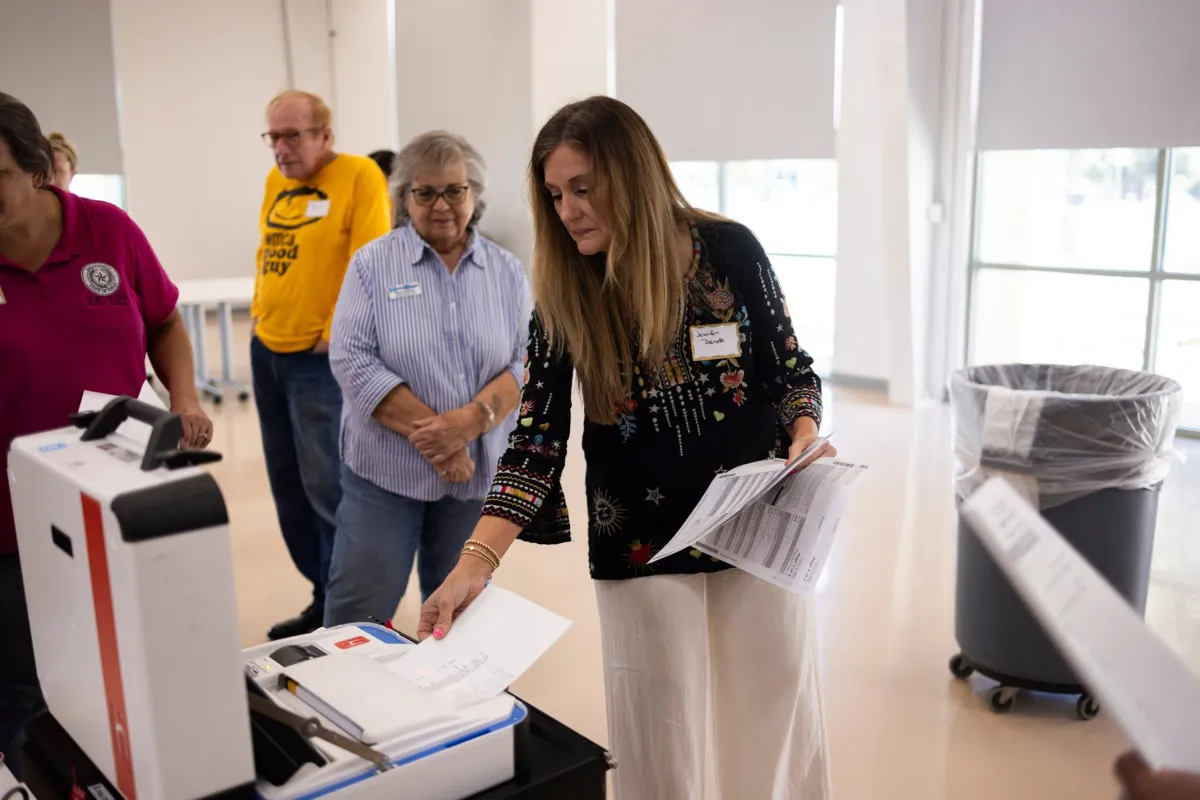
Mail voting is not just a convenience feature. It is a window into American federalism.
We run national elections through fifty different legal systems, plus thousands of local administrators. That decentralization can be frustrating. It can also be a form of resilience, because it prevents a single nationwide failure from collapsing the entire process.
Either way, the practical lesson is constant: your ballot method is governed locally. Learn your state’s vocabulary, follow your packet’s instructions like they are part of the ballot itself, and verify deadlines and return options with the officials who will count your vote.