
The U.S. Senate is often described as a chamber of individual lawmakers, each with one vote and the same formal standing as a senator. That is true in the basic sense. In practice, the Senate runs on leadership. Not because leaders can order senators around, but because someone has to decide what gets time on the floor, what gets negotiated behind closed doors, and what gets postponed until the next news cycle.
That is the real job of Senate leadership: turning 100 independent operators into something that can actually pass bills, confirm nominees, and keep the government running.
Join the Discussion
The leadership roles that matter most
When people say “Senate leadership,” they usually mean three categories of roles.
- Majority Leader: the principal strategist and scheduler for the party that holds the most seats.
- Minority Leader: the chief negotiator and counter strategist for the party that does not control the floor agenda.
- Whips: the vote counters and internal communicators who make sure leadership knows what support actually exists before a roll call vote happens.
There are other party leadership posts too, often including conference or caucus chairs and party policy and communications roles. Names and structures vary by party and can change over time. But the leaders and whips are the core operating system for day-to-day Senate business.
How leaders are chosen
Senate leaders are not elected by the whole Senate. They are chosen by their party colleagues, typically in closed-door party meetings after the election and before the new Congress convenes, and sometimes again midstream if there is a vacancy.
Majority Leader
The majority party selects its leader. If that party has the most seats, its leader becomes the Majority Leader. If control changes after an election, the title changes with it.
Minority Leader
The minority party selects its leader as well. That person becomes the Minority Leader. The Minority Leader does not control the calendar, but they are the focal point for resistance, negotiation, and party message discipline.
Whips
Each party chooses a whip organization, typically led by a Majority Whip and a Minority Whip. Whips often have deputies who focus on specific blocs of senators, committees, or issue areas.
One thing to notice here is what is missing: there is no constitutional office called “Senate Majority Leader.” The Constitution creates a presiding officer, the Vice President as President of the Senate, and it allows the Senate to choose other officers. Leadership as we recognize it is a product of party organization, Senate rules, and Senate precedents, not constitutional text.
What the Majority Leader controls
The Majority Leader is sometimes described as the Senate’s most powerful lawmaker. That is not because the Majority Leader can unilaterally pass a bill. It is because the Majority Leader is the Senate’s main gatekeeper.
The key procedural hook is a precedent often described as the Right of First Recognition. In practice, the presiding officer typically recognizes the Majority Leader first when they seek the floor, which lets the leader make motions and set up the next steps before anyone else can.
1) Scheduling the floor
The Majority Leader’s most visible power is deciding what the Senate spends time on. That includes:
- When to bring a bill to the floor
- Which nominations to prioritize
- How long to keep the Senate in session
- When to file motions that start or accelerate floor action
In a body where time is always the scarce resource, controlling the schedule is a form of power that does not look like a command, but functions like leverage.
2) Unanimous consent strategy
Much of the Senate runs through unanimous consent agreements. These are deals that set the terms for debate, amendments, and votes, often negotiated among leaders and key senators. Any single senator can object and derail a consent request.
A concrete example: leadership might ask unanimous consent to limit debate on a nomination, line up a few amendment votes on a bill, and schedule final passage at 5:30 p.m. so everyone knows when the votes will happen. If one senator objects, the whole plan can collapse and the Senate reverts to slower, more time-consuming procedures.
So the Majority Leader’s influence often comes from building a consent agreement that can survive objections, or deciding that it is not worth the floor time to try.
3) Managing the majority
Majorities in the Senate are rarely perfectly unified. The Majority Leader spends a huge amount of time:
- Listening to factions inside the party
- Trading floor time for support
- Sequencing votes so vulnerable senators have political cover
- Deciding when to accept a compromise and when to force a message vote
This is less like running a classroom and more like steering a flotilla. The boats go where they want. The job is making sure they do not crash into each other.
What the Minority Leader can do
The Minority Leader does not set the calendar. But the Minority Leader still matters because the Senate is built to give minorities procedural friction and bargaining power.
1) Negotiation power
On must-pass matters like funding deadlines, national security bills, and the flow of nominees through the Senate, the Majority Leader often needs some level of minority cooperation to move efficiently. The Minority Leader is the person who can credibly promise cooperation or credibly warn it will not exist.
2) Amendments and messaging
Minority leaders try to force votes that divide the majority, put senators on record, or shape the public narrative. Sometimes these amendments are sincere policy proposals. Sometimes they are tactical moves designed to influence the next election.
3) Using rules as leverage
The minority’s power is not simply “blocking.” It is bargaining with time and procedure. The minority can slow the process, insist on more debate, or demand votes that consume floor time.
A common real-world pressure point: the minority may withhold unanimous consent to speed up lower-level nominations, forcing the majority to spend hours of floor time on steps that would otherwise be handled in batches.
Some of the most famous tools in this category involve extended debate and supermajority thresholds. For readers who want the full mechanics, see our deeper explainer on the filibuster and our companion article on cloture. This page focuses on what leaders do with those realities, not repeating the rulebook.
What whips do
If leaders are the strategists, whips are the reality check. Their job is to find out what is real before the Senate finds out on live television.
Counting votes
A whip operation tracks where senators stand: yes, no, undecided, and “yes unless.” That last category is common. A senator may support a bill but want a vote scheduled at a safer moment, or want a specific amendment, or want reassurance about a home-state concern.
Relaying information
Whips do not just lean on senators. They carry information upward too.
- From senators to leadership: “This provision will lose three votes.”
- From leadership to senators: “Here is what the bill will look like tomorrow.”
Making votes happen
On major votes, whips help coordinate attendance, travel, and timing. When margins are tight, a whip’s job is logistics as much as persuasion.
Other power centers
Even when the story is “leadership,” the Senate has other hubs of influence.
- Committee chairs and ranking members shape what becomes viable on the floor by controlling hearings, markups, and whether a bill is ready for prime time.
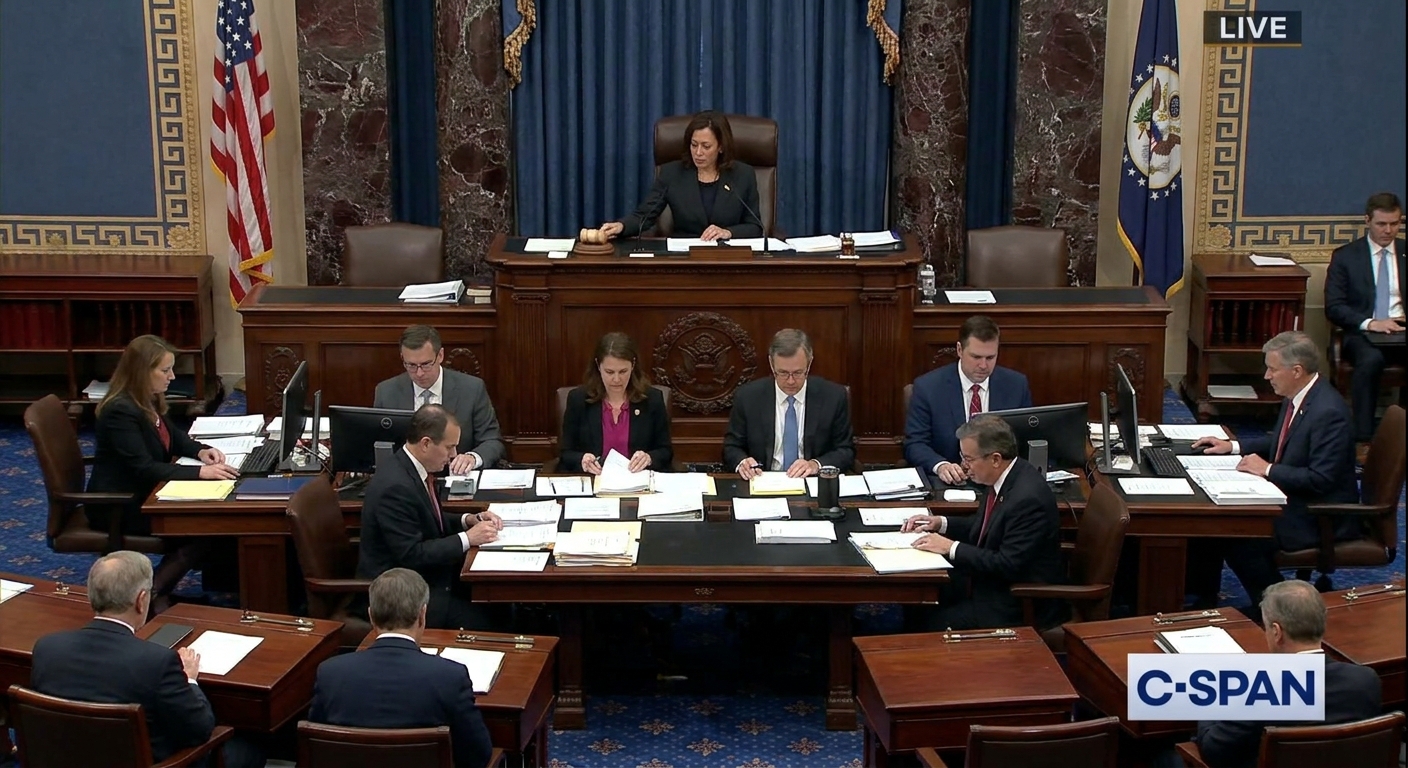
- The presiding officer, floor staff, and the parliamentarian translate strategy into procedure. The presiding officer runs the chair, staff manage the on-the-ground sequencing, and the parliamentarian advises on precedents that can determine what moves are allowed.
Leadership is still the coordinating layer, but it is not the only layer.
Leadership and the calendar
Most Americans think the Senate agenda is a neutral list of items waiting their turn. It is not. The order of business is a political tool.
What gets floor time
Leadership can elevate an issue by giving it floor time, or bury it by never scheduling it. A bill can have broad support in theory and still die because time is allocated elsewhere.
When votes happen
Timing matters. Leaders schedule votes when they believe their side is present, unified, and least exposed to backlash. They also schedule votes when they want to create contrast with the other party.
Why procedure matters
In the Senate, procedure determines how scarce floor time is spent. Leadership’s procedural decisions are rarely about paperwork. They are about whether a coalition can hold together long enough to finish the job.
Majority vs. minority power
The simplest way to understand Senate leadership is to separate agenda power from leverage power.
- The Majority Leader has stronger agenda power: deciding what comes up and when, and shaping the terms that make action possible.
- The Minority Leader has leverage power: influencing what terms are necessary to move anything quickly, and shaping the political cost of moving forward without them.
- Whips are the enforcement and reality check: they tell leaders whether the votes exist and, if not, what it would take to build them.
Neither party leadership can simply run the Senate the way the House can often be driven from the Speaker’s office. Senate leadership works through consent, negotiation, and strategic use of limited time.
Where the Constitution fits
The Constitution sets the skeleton. The Senate supplies the muscles.
- The Constitution makes the Vice President the President of the Senate and gives them a tie-breaking vote.
- It requires the Senate to choose a President pro tempore, who presides in the Vice President’s absence. In modern practice, the role is often held by the most senior senator in the majority party, and day-to-day presiding is frequently delegated to other senators.
- It allows the Senate to choose its other officers and determine its rules of proceedings.
- It does not create party leaders, whips, or a formal agenda setter. Those roles evolved because a modern legislature needs coordination to function.
This is a recurring theme in American government. The Constitution establishes institutions. The day-to-day power dynamics often come from practices that developed later, especially the rise of political parties.
Why leadership matters
It is easy to think Senate leadership only matters when big legislation moves. In reality, leadership matters most when the Senate is stuck. That is when the leaders decide:
- What to attempt anyway
- What to postpone to protect vulnerable senators
- What to trade for progress on nominations or funding
- What to put on the floor purely to define the parties for voters
In other words, leadership shapes not only what the Senate does, but what the Senate becomes in public view.
If you want to go deeper on the Senate’s most famous tools of delay and decision, continue with our explainers on the filibuster and cloture. They are separate for a reason. Leadership is the human layer. Procedure is the rule layer. In the Senate, you need both to understand who actually holds the steering wheel.