
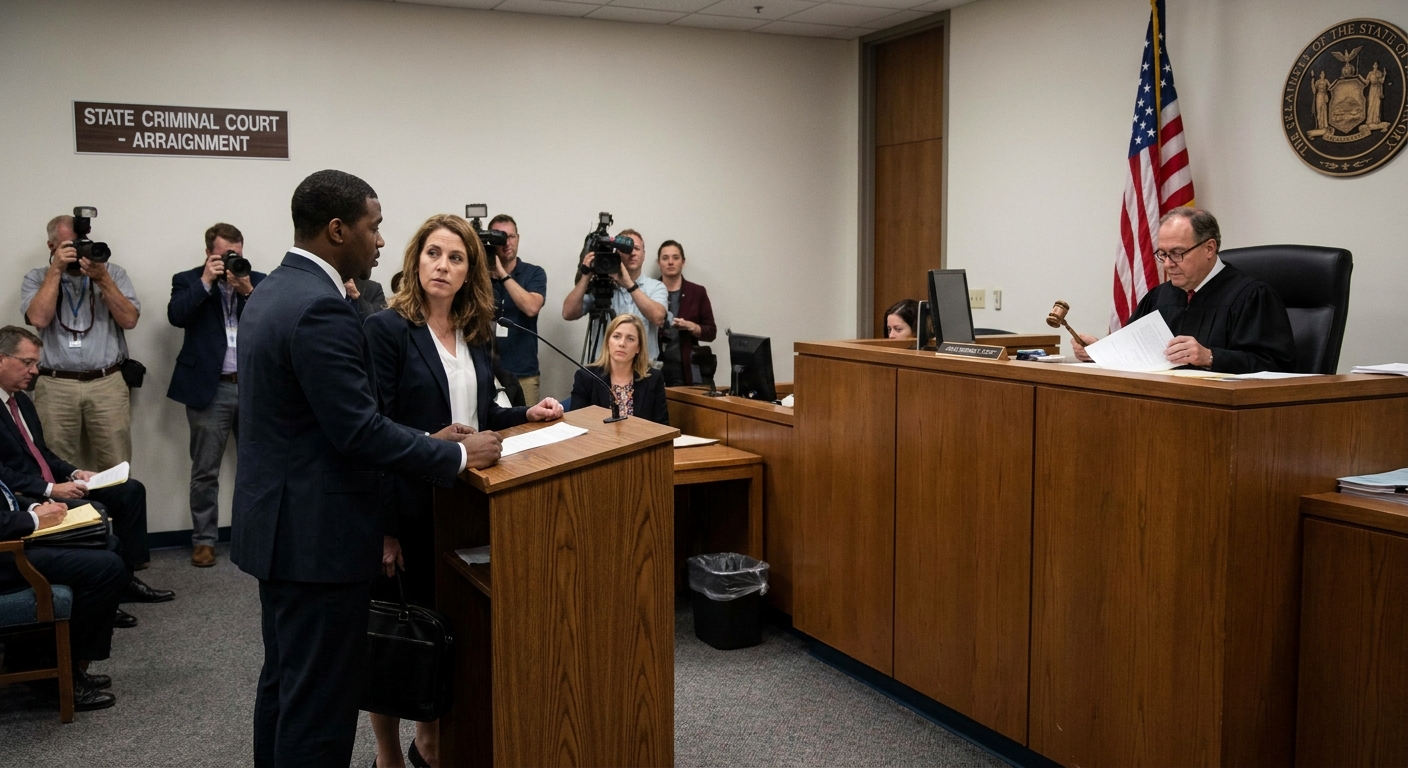
For many people, “arraignment” is just one of those courtroom words you only hear on TV. In real life, it is often one of the first moments the government says, out loud and on the record: this is what we accuse you of, and this is what can happen if you are convicted.
An arraignment hearing is not a trial, and it is not where the judge decides guilt. It is a short, formal step that sets the rules for everything that comes next, including whether you go home while the case moves forward. In some courts, those first formal steps are split between a “first appearance” (or “initial appearance”) and a later arraignment. In others, they happen in the same session.
Join the Discussion
What an arraignment is
An arraignment is the court hearing where a criminal defendant is:
- Formally informed of the charges (the complaint, information, or indictment).
- Told key rights, including the right to counsel.
- Asked to enter a plea (often not guilty at this stage).
- Addressed on release conditions, such as bail or other conditions of pretrial release (in many places this happens at the same time, but in some it is handled at a separate first-appearance or detention hearing).
In many jurisdictions, the court brings an arrested person before a judge quickly if they are in custody. Timing rules vary by state, but the basic constitutional idea is the same: the government must provide prompt judicial review and cannot hold someone indefinitely without court oversight. Depending on local procedure, that prompt review might be labeled an initial appearance rather than an arraignment.
Where arraignment fits
Arraignment sits near the beginning of a criminal case. A typical sequence looks like this:
- Arrest or citation
- Charging decision (complaint, information, or grand jury indictment)
- First appearance and/or arraignment (some states combine these)
- Bail and pretrial release decisions (sometimes at the same hearing, sometimes separate)
- Discovery, motions, negotiations
- Trial (or a plea agreement)
- Sentencing (if convicted or if a guilty plea is entered)
Some places use separate hearings for “initial appearance” and “arraignment.” Others fold them into one. The names change, but the functions are familiar: notice of the charges, counsel, and a release decision.
Misdemeanor vs felony
How arraignment works can look different depending on the case level:
- Misdemeanors: Arraignment may happen quickly, and some courts offer early plea deals or set a fast schedule for the next court date.
- Felonies: The timeline often includes additional steps, such as a preliminary hearing (to test probable cause) or a grand jury process. In some jurisdictions, felony arraignment comes after an indictment or after a preliminary hearing, not immediately after arrest.
What happens at arraignment
The judge confirms identity
The court calls your name, confirms you are the defendant, and identifies the case number and the charging document.
Charges are read or summarized
You are told what crimes you are accused of. This matters because the Constitution’s promise of due process starts with something basic: you cannot defend yourself against an accusation you have not been clearly told.
You may be advised of rights
Courts often advise defendants of rights such as:
- The right to counsel, and the possibility of a court-appointed lawyer if you cannot afford one.
- The right to remain silent, and that statements can be used against you (some courts give this advisement at arraignment, others rely on counsel and prior warnings).
- The right to a trial (and for serious offenses, a jury trial).
- The right to confront witnesses if the case goes to trial.
Exact wording differs by jurisdiction, but the purpose is the same: the court is creating a record that you were informed.
You enter a plea
The judge asks how you plead. The common pleas are:
- Not guilty: You deny the charges and the case moves into the pretrial phase.
- Guilty: You admit the charge. The court may proceed toward sentencing, sometimes after additional steps.
- No contest (nolo contendere): You do not admit guilt, but you accept conviction. This can matter in related civil cases, depending on state law.
Many defense attorneys advise entering not guilty at arraignment to preserve options while the defense reviews evidence and evaluates legal issues. That said, some cases resolve early, especially certain misdemeanors, time-served offers, or negotiated pleas arranged in advance.
Bail and release conditions
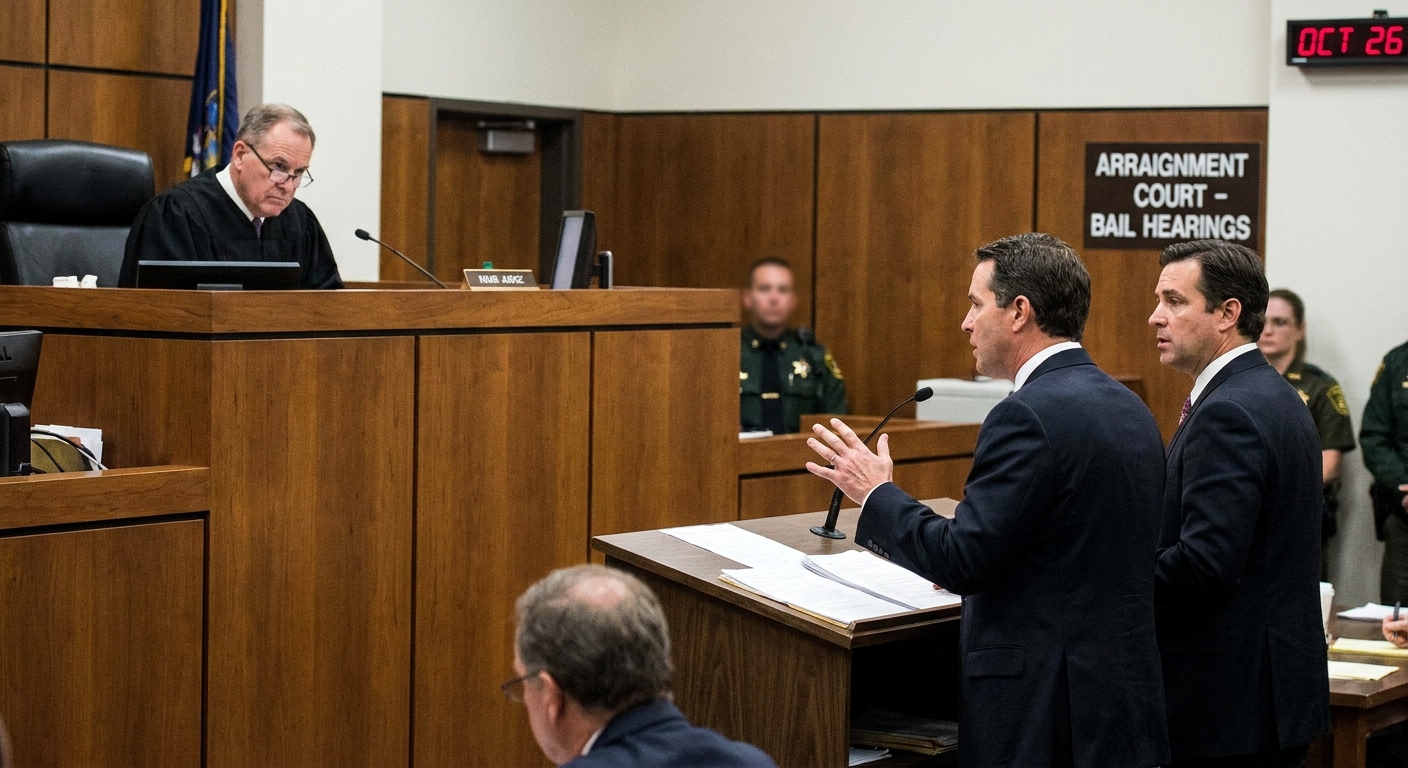
Arraignment is often when the court decides whether you will:
- Be released on your own recognizance (a promise to return),
- Be released with conditions (travel limits, no-contact orders, drug testing, check-ins),
- Have bail set, or
- Be held in custody under the jurisdiction’s rules.
This is where the case can turn from a legal dispute into a life disruption. Pretrial detention can pressure defendants into quick pleas and can make it harder to keep a job, support family, or assist in preparing a defense.
Constitutional rights at arraignment
The U.S. Constitution does not use the word “arraignment,” but the hearing is shaped by constitutional guarantees that do.
Sixth Amendment: counsel
The Sixth Amendment guarantees the assistance of counsel in criminal prosecutions. In practice, arraignment is often when the court confirms whether you have a lawyer or need one appointed.
Right-to-counsel rules can be technical. As a general principle, if the case can result in the loss of liberty, courts must take counsel seriously. Supreme Court decisions focus on situations where actual incarceration is imposed (including certain suspended sentences), and states also have their own statutes and court rules that expand how appointment works in practice.
Fifth and Fourteenth Amendments: due process
Due process is the reason formal notice matters. Arraignment creates an official record of what you are charged with and can start timelines for motions and future hearings. In state court, these protections are applied through the Fourteenth Amendment’s Due Process Clause.
Eighth Amendment: excessive bail
The Eighth Amendment prohibits excessive bail. That does not mean there is always a right to bail, and it does not guarantee an amount you can afford. It does mean bail cannot be set higher than necessary to serve legitimate aims such as ensuring court appearance and, where allowed by law, addressing public-safety concerns through the jurisdiction’s detention and release framework.
Modern bail litigation often focuses on whether a jurisdiction is using money bail as a shortcut for detention, rather than making individualized decisions based on risk and circumstances.
How long it takes
Many arraignments are brief, sometimes only a few minutes. But the consequences can be long-lasting, especially the release decision and any conditions imposed.
If the court is handling many cases in a single session, the hearing may feel fast and procedural. That does not mean it is unimportant. It means the most important work often happens before the case is called, when counsel speaks with the defendant and reviews what is being requested.
What to expect
If you have an arraignment coming up, here are the practical realities that tend to surprise people:
You may not tell your side
Arraignment is not designed for testimony. Judges generally do not take a defendant’s narrative at this stage, and speaking impulsively can create statements that later become evidence. Your attorney is the best channel for communicating in court.
Release conditions can be strict
Even if you are released, conditions can be significant, including no-contact orders, restrictions on where you can go, or requirements to check in with pretrial services. Violating conditions can lead to jail even before trial.
Charges can change
Arraignment is based on the charging document as it exists that day. Prosecutors can sometimes amend charges as evidence develops, subject to procedural rules.
Public record is real
Arraignments are typically open court proceedings, and case information can become part of the public record, with rules varying by state.
If you do not have a lawyer yet
If you appear without counsel, many courts will screen for eligibility for a court-appointed attorney, set a future date so you can hire a lawyer, or appoint counsel when required. In some jurisdictions, the court may enter a not guilty plea for you to keep the case moving while counsel is arranged.
Sometimes arraignment is waived
In some cases, defendants can waive arraignment or enter a written plea through counsel, especially for certain misdemeanors or when local rules allow it.

Common questions
Is arraignment the same as a bail hearing?
Sometimes. Some courts handle bail at arraignment; others schedule a separate bail hearing or detention hearing. In many places, the first appearance covers release, and arraignment covers the plea, but the lines blur depending on local rules.
Do you have to plead guilty or not guilty?
Yes, the court typically requires a plea, but it is not a final strategic moment in the way people imagine. A not guilty plea is common and keeps the case moving into pretrial review and negotiation.
Can a case be dismissed at arraignment?
It is possible but uncommon. Dismissals more often happen later through motions (for example, lack of probable cause, constitutional violations, or problems with the charging document) or through prosecutorial discretion.
What if you miss arraignment?
Courts can issue a bench warrant and impose additional consequences. If you have missed a date or believe you cannot appear, contacting counsel immediately is critical.
Why it matters
Arraignment is procedural by design. It is also a pressure point in the American criminal system. It is where the state’s power becomes concrete: a charge is no longer a police accusation or a prosecutor’s file. It is a court case with a judge, a record, deadlines, and conditions that can shape daily life.
If you want to understand criminal justice in practice, do not start at the jury verdict. Start here, at the first formal hearings, where rights are recited, pleas are entered, and freedom can turn on a short conversation about release.
Quick takeaway
- An arraignment is usually one of the first formal court hearings in a criminal case, although some jurisdictions handle key steps at a separate initial appearance.
- The court informs you of the charges, addresses counsel, takes a plea, and often addresses release or bail.
- It is not a trial, but decisions made early can strongly affect the rest of the case.
Note: This article is for general educational purposes and does not provide legal advice. Procedures vary by state and by court.