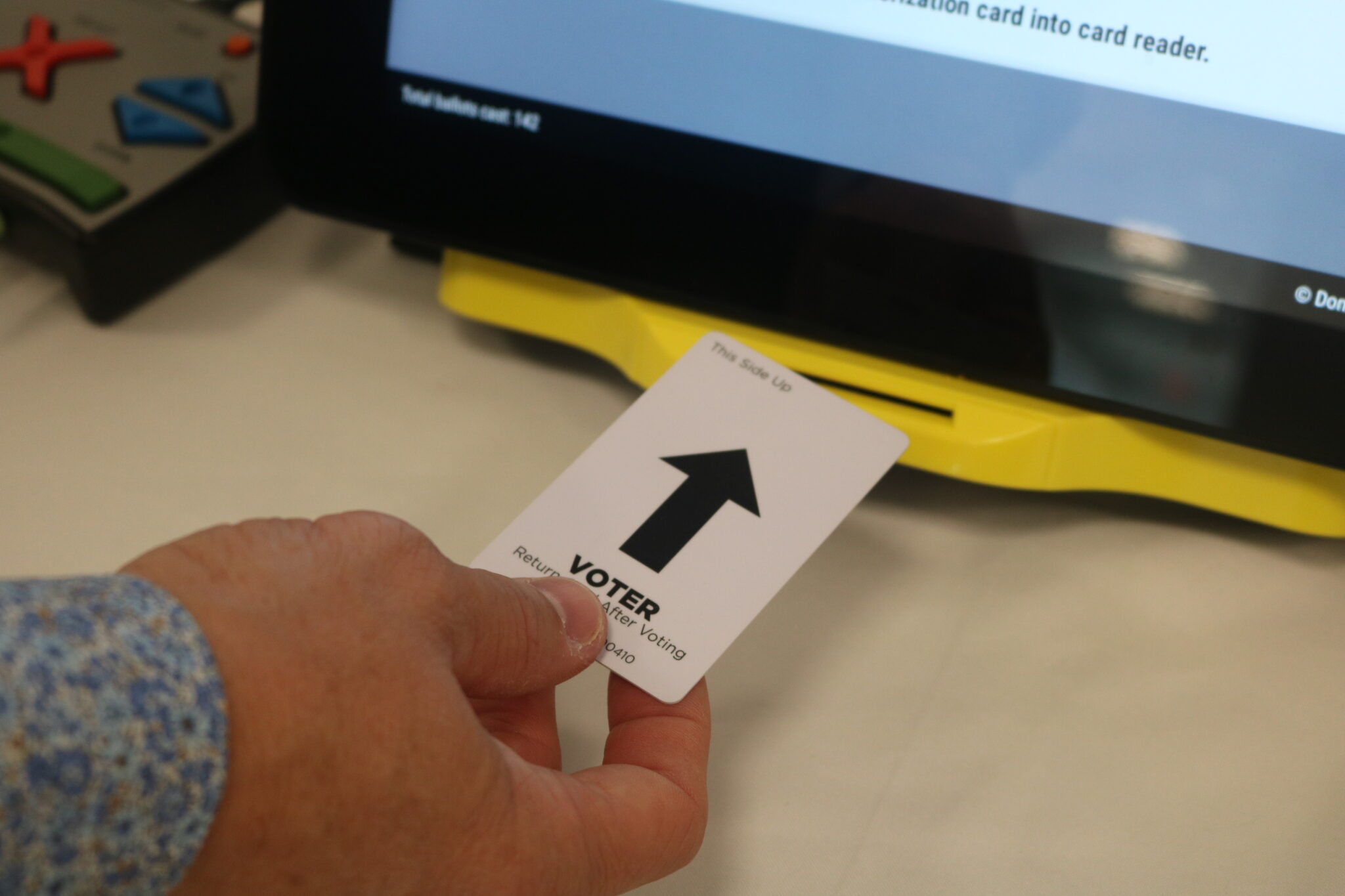
Midterm elections often function as the country’s constitutional pressure valve. They happen in the middle of a president’s four-year term, and they can quietly rewrite what the federal government is capable of doing for the next two years.
People often describe midterms as a “referendum” on the sitting president. That is emotionally true, but civically incomplete. Midterms are not about choosing a president. They are about choosing the lawmakers who write federal statutes, control federal spending, and decide whether the executive branch gets cooperation, resistance, or gridlock.
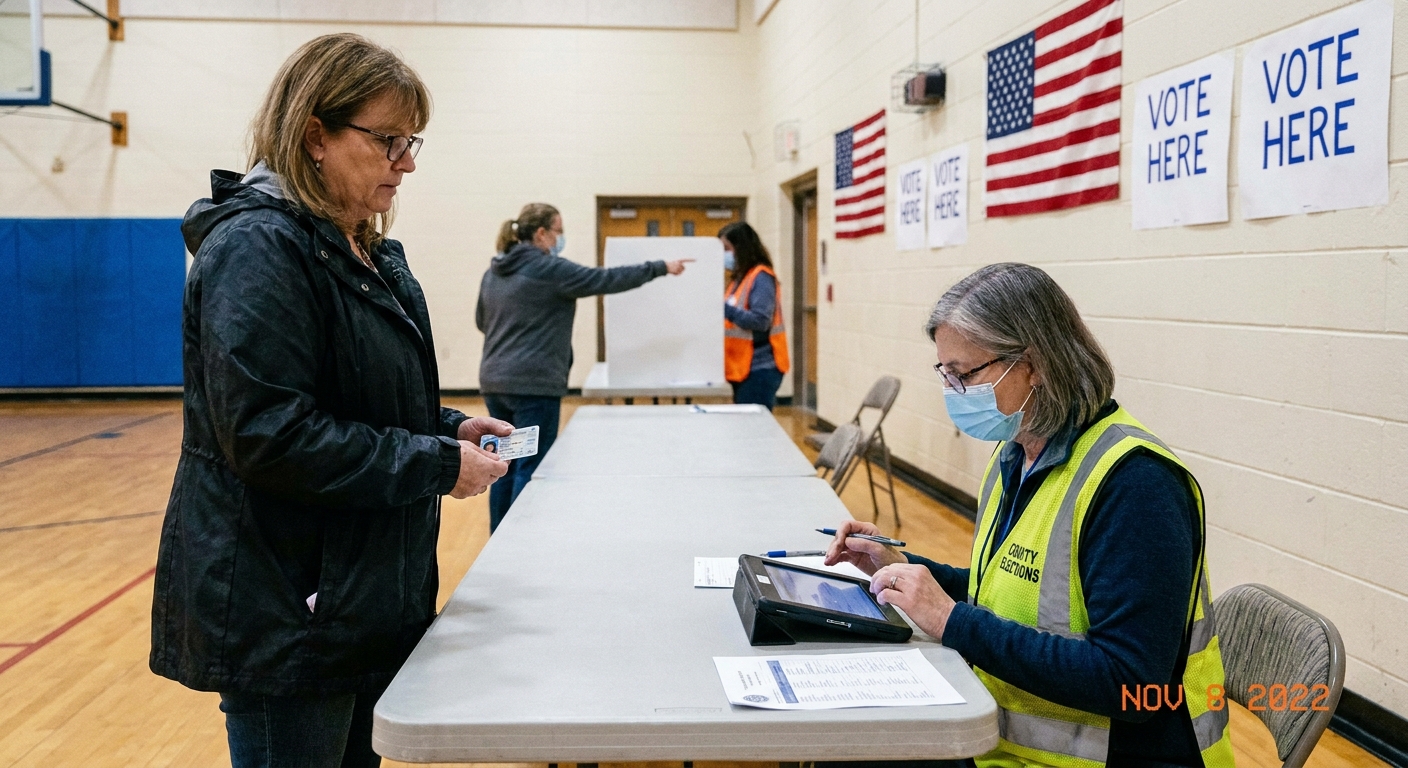
Join the Discussion
Midterms vs presidential years
The United States runs federal elections on a set rhythm: the Constitution sets the term lengths, and federal statute fills in much of the calendar and procedure.
- Presidential election years happen every four years. Voters choose the president and vice president, plus the entire House and about one-third of the Senate.
- Midterm election years happen two years into a presidential term. Voters do not choose the president, but they do choose the entire House and about one-third of the Senate.
That “two years in” effect is not a glitch. It is a feature of staggered terms. The system refreshes political power in stages rather than in one national sweep. The House turns over fast, the Senate turns over slowly, and the presidency sits on its own four-year track. Midterms are the moment those tracks collide.
When midterms happen
Federal elections happen on a date that is easy to say and surprisingly consequential: the Tuesday after the first Monday in November in even-numbered years. Midterms occur in the even-numbered years that are not presidential years.
Congress set that timing by statute in the 19th century, largely for practical reasons. November followed harvest season for much of the country, and a Tuesday vote made travel and religious observance easier in an era when voting could take all day.
The winners take office weeks later, on dates fixed by the Constitution and the Twentieth Amendment:
- New Congress begins: January 3
- New president begins (in presidential years): January 20
That lag matters because a midterm election does not immediately change who controls Congress. It changes who will control the next session, starting January 3.
What is on the ballot
“Midterm” is often used as shorthand for a national event, but legally it is a collection of many elections run by states under federal rules. Here is what is typically on the ballot.
All 435 House seats
The Constitution gives representatives two-year terms. That means the entire House is always on the ballot in every midterm. If you want one sentence to explain why midterms can radically shift Washington, it is this: the House can change hands all at once.
About one-third of the Senate
Senators serve six-year terms, so only a portion of the Senate is up in any given election. The Senate is divided into three “classes” for election scheduling purposes. Midterms typically elect one of those classes, plus any special elections.
Sometimes: governors and more
Most states also hold major statewide and legislative races in midterm years. These are not federal offices, but they can shape national power in indirect ways, including:
- State administration of elections
- State policy choices that generate federal court challenges
- State legislative maps after redistricting
Depending on where you live, your midterm ballot may also include high-salience ballot measures, state judicial elections, county offices, and local propositions that affect daily life as directly as anything in Washington.
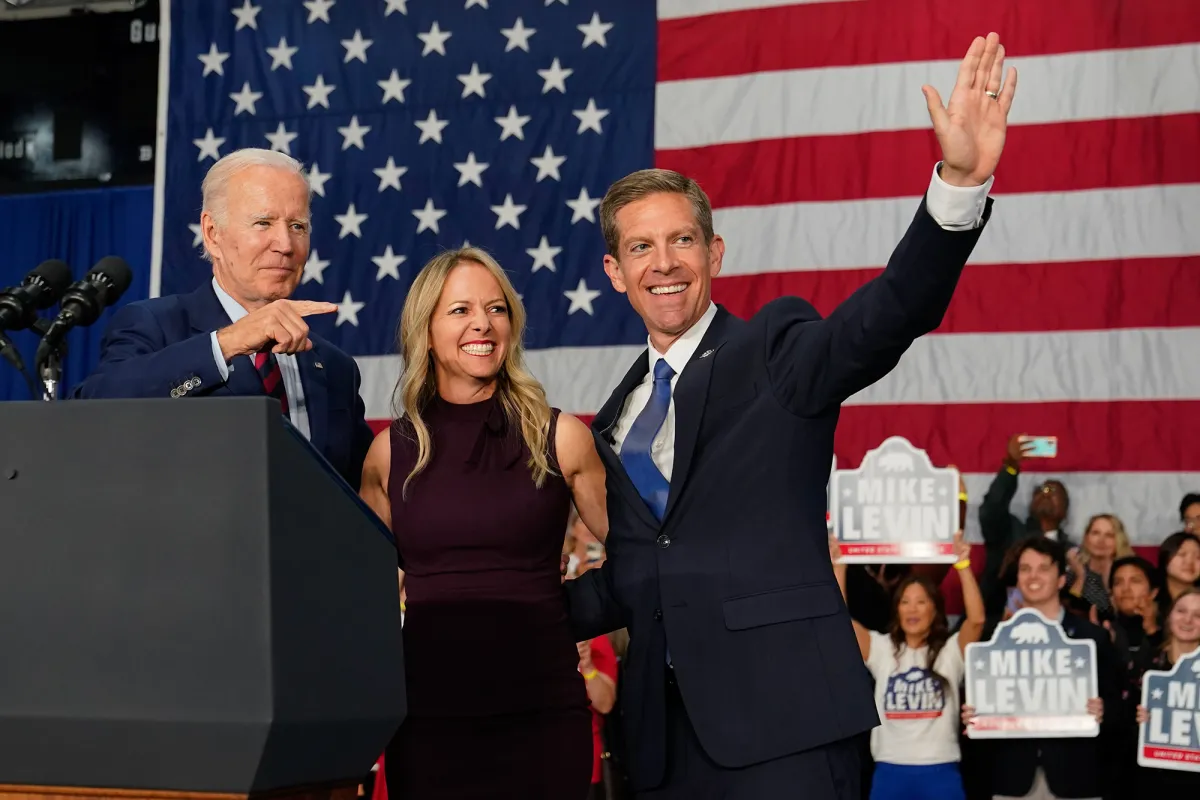
Why the House matters
The House is built to be responsive, and that responsiveness is power. When control flips, the country usually feels it quickly because the House touches nearly everything the federal government does.
Revenue and budget leverage starts in the House
Under the Constitution’s Origination Clause, revenue bills must begin in the House. Appropriations and other spending measures are shaped by both chambers, but the House majority often sets the early terms of fiscal fights through its control of committees, calendar, and must-pass funding deadlines. That is why midterms often precede shutdown threats, debt limit standoffs, or major changes in the tone of budget negotiations.
The House can investigate almost anything
Congress’s oversight power is not spelled out in one neat constitutional sentence, but it is deeply rooted in the legislative function. In practice, the House majority largely controls oversight through committee rules and leadership decisions, including:
- What committees investigate
- What hearings get scheduled
- How subpoenas are authorized and used
- What reports get published
That means a midterm can convert the same set of facts from a footnote into front-page hearings, simply because the gavel changed hands.
Impeachment begins in the House
The House has the “sole Power of Impeachment.” That does not mean impeachment is inevitable after a midterm. It means the threshold question, whether to file articles of impeachment at all, is controlled by whichever party organizes the House.
Why the Senate is the prize
If the House is where political energy shows up first, the Senate is where it either becomes permanent or gets stuck in procedure.
Confirmations run through the Senate
The Constitution requires the Senate’s “advice and consent” for presidential appointments, including:
- Federal judges (district courts, circuit courts, Supreme Court)
- Cabinet secretaries
- U.S. attorneys and U.S. marshals
- Ambassadors
So when a midterm changes Senate control, it can change the staffing of the federal government. Not just at the top, but across the judiciary and the executive agencies that enforce federal law day to day.
Treaties and impeachment trials
The Senate has the power to ratify treaties by a two-thirds vote, and it conducts impeachment trials. That makes Senate control a gatekeeping power over both foreign policy commitments and the final outcome of impeachment, even though the House initiates it.
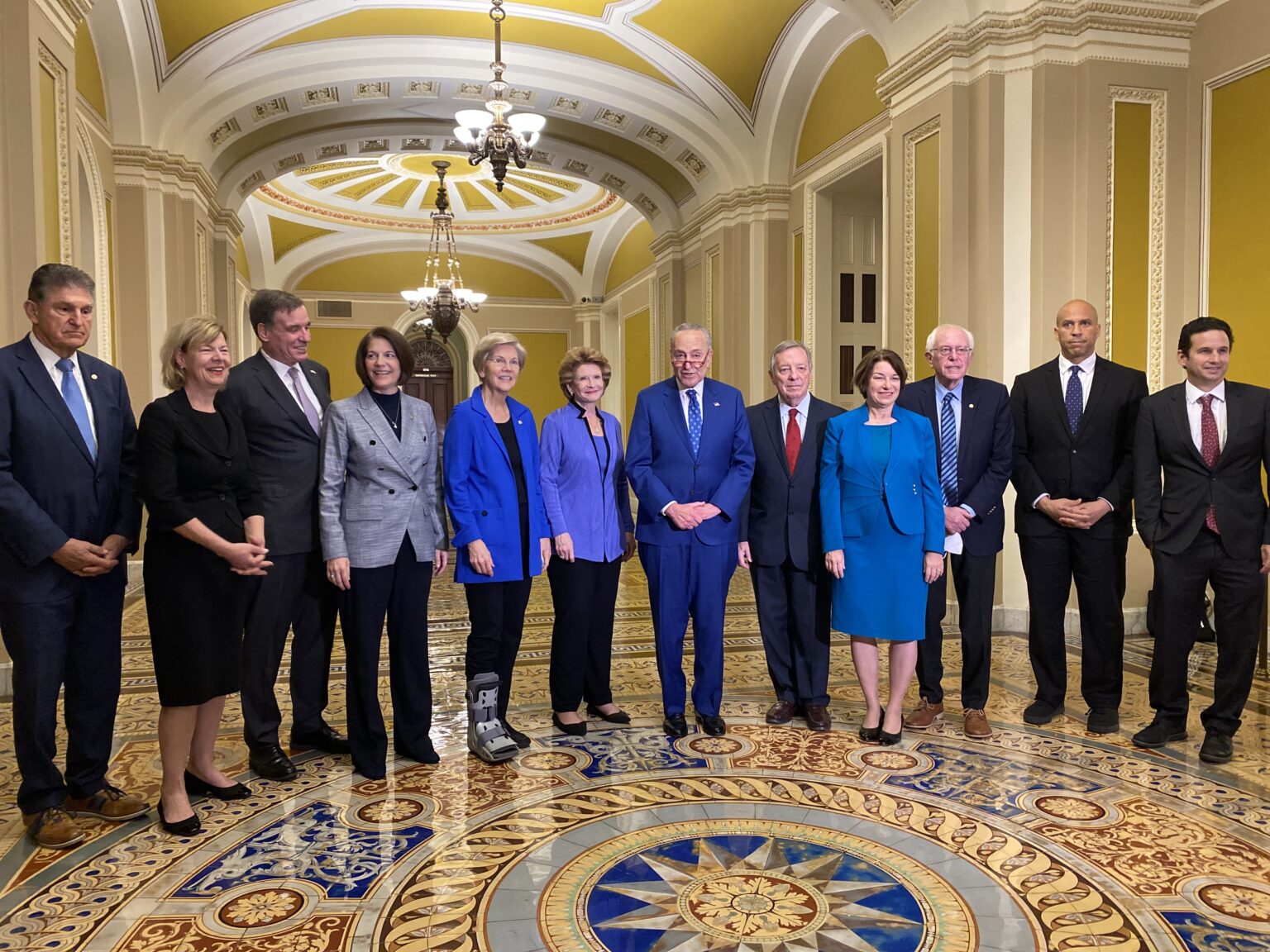
What flips change
“Control of Congress” sounds like one switch, but it is a bundle of smaller switches that determine what the institution will prioritize and what it will ignore.
Committee chairs and the agenda
Committees are where Congress actually does most of its work. The majority party controls committee chairmanships in each chamber, and chairs control:
- Which bills get hearings
- Which witnesses testify
- Whether a bill is marked up or quietly buried
- How aggressively oversight is pursued
A midterm can therefore change the national conversation without passing a single new law. The agenda is a form of power.
Leadership and floor time
The Speaker of the House and the Senate Majority Leader largely shape what comes to the floor and when. In the Senate, individual senators can still slow, block, or reshape outcomes through procedure, but scheduling power remains a major advantage.
Rules and procedure
The House rewrites its rules package at the start of each new Congress. Those rules affect everything from how amendments are offered to how quickly legislation can move. A new majority can change the process and the process can change the outcomes.
Divided government
Divided government is when one party controls the presidency and the other controls at least one chamber of Congress. It is common, especially after midterms. It also changes what kind of governing is realistically available.
Big legislation gets harder
With divided control, sweeping policy often stalls because the House, Senate, and president each have veto points. That does not mean nothing happens. It means the legislation that survives tends to be:
- Narrower
- More negotiated
- Attached to must-pass bills like funding measures
Budget fights take center stage
Appropriations, continuing resolutions, and the debt limit become recurring leverage points because the government has to keep operating. When parties cannot agree on new policy, they often fight through the budget instead.
Oversight intensifies
When Congress is not aligned with the president, the incentive shifts. Legislation is harder, but investigation is easier. That is why divided government often produces more hearings, more subpoenas, and more executive branch scrutiny.
How midterms affect daily life
Midterms can feel abstract until you map them onto the things people actually notice.
- Federal courts: Senate control affects the speed and likelihood of judicial confirmations, which can shape rights and regulations for decades.
- Taxes and spending: Budget negotiations influence funding for defense, infrastructure, research, public health, and the programs Congress chooses to prioritize.
- Regulation and enforcement: Oversight and appropriations affect how agencies operate, what they investigate, and how aggressively laws are enforced.
- National direction: Even when laws do not change, the issues Congress elevates shape public attention and the next presidential race.
Turnout and timing
One practical truth about midterms is that turnout is typically lower than in presidential years. That changes the electorate, which can change outcomes, even when the issues are the same. It is also why primaries matter: in many districts, the decisive contest happens before November.
Midterms that follow a census can carry extra weight at the state level, because redistricting and map-drawing shape the political battlefield for the decade that follows.
Common midterm myths
Myth: Midterms are “just” about Congress
Midterms are about Congress formally, but the effects ripple into the presidency. A president facing an opposing Congress will govern differently, appoint differently, and bargain differently. Midterms change the environment the executive branch lives in.
Myth: The president loses power if Congress flips
The president’s constitutional powers do not vanish. The executive still enforces laws, directs foreign policy within statutory bounds, and can veto legislation. But a hostile Congress can restrict funding, block appointments, and raise the political cost of executive actions through oversight.
Myth: If Congress is divided, nothing matters
Some of the most important government actions are not new laws. They are confirmations, budgets, investigations, and the slow shaping of what is politically possible.
How to follow a midterm
If you want to follow midterms as civic infrastructure instead of political entertainment, keep your eye on a few concrete questions:
- Which party will control the House, and therefore committees and investigations?
- Which party will control the Senate, and therefore confirmations and the pace of judicial appointments?
- Will either party hold unified control, or will divided government force negotiation?
- Which races are close enough to shift chamber control, even if they are in states far from you?
Midterms are not a side quest. They are how the constitutional system refreshes consent between presidential elections. Every two years, the country decides whether the next chapter is cooperation, conflict, or compromise. And then it lives with that decision.