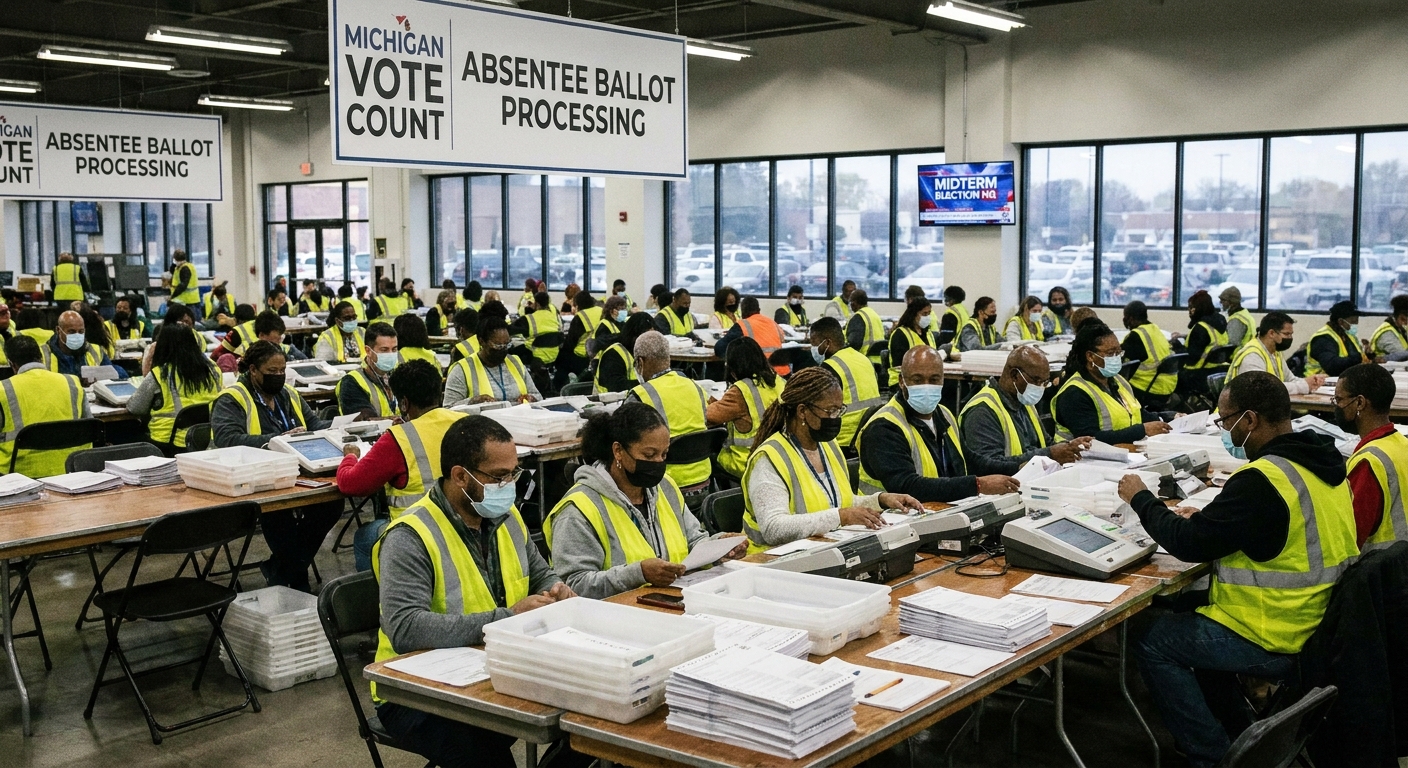
Midterm elections are the elections that happen in the middle of a president’s four-year term. They are not a separate kind of election created by one constitutional clause. They are the natural result of a system where different offices run on different calendars.
And that scheduling detail has a big consequence: midterms can change who holds power in Washington without changing who sits in the Oval Office. That is why midterms are routinely treated as a national referendum, even though you are mostly voting for Congress and state offices, not the president.
Join the Discussion
The short definition
A midterm election is the regularly scheduled U.S. election held on the first Tuesday after the first Monday in November of even-numbered years that are not presidential election years. Because presidential elections happen every four years, the elections in between them are called midterms.
Federal general elections happen every two years. Midterm elections are the federal general elections that fall halfway through a president’s term, meaning the even-numbered years that are not presidential election years. In everyday conversation, “the midterms” usually means the election that occurs halfway through a specific presidency.
- Presidential year: 2024, 2028, 2032
- Midterm year: 2026, 2030, 2034
What is on the ballot in a midterm?
In a typical midterm year, voters decide control of Congress and many state and local offices. The exact ballot depends on where you live, but the federal pieces are consistent nationwide.
All U.S. House seats
The Constitution sets two-year terms for House members, so every seat in the U.S. House of Representatives is up in every federal general election, including midterms and presidential years. This is why the House is often the quickest place for voter mood swings to show up.
About one-third of the U.S. Senate
Senators serve six-year terms. The Senate is divided into three “classes,” so roughly one-third of Senate seats are up every two years. That means the Senate can shift in midterms, but it shifts in chunks, not all at once.
Governors, state legislators, and local offices
Many states elect governors in midterm years. State legislatures, attorneys general, secretaries of state, judges (in some states), county officials, school boards, and ballot measures can also be on the ballot.
One quick caveat: special elections can happen outside the regular November schedule, usually to fill vacancies. They do not change what “midterm” means, but they do change what voters might see on a ballot in a given year.
Why midterms matter so much
If the presidency is the most visible branch of government, midterms are where the country quietly decides whether the president gets a clear runway or a set of guardrails.
They can change who controls Congress
Control of the House and Senate strongly shapes what laws can move forward, what budgets get approved, and whether major presidential priorities live or die in committee. It is not the only factor, though. Presidential veto power and Senate rules also affect what can actually become law.
- The House must pass legislation for it to become law, and it can initiate impeachment.
- The Senate confirms federal judges and executive branch nominees, and its rules can raise the bar for passage.
- Both chambers must pass spending bills, or the government can shut down.
They shape the federal courts
This is the part many voters miss: federal judges are not elected, but they are confirmed by the Senate. A midterm that flips Senate control can change which judicial nominees make it through, which in turn can shape constitutional law for decades.
They can be a referendum on the president, even without the president on the ballot
Midterms often reflect public approval or backlash. Historically, the president’s party frequently loses seats in Congress during midterms. That pattern is not a rule of law, but it is a common political outcome.
The constitutional backbone
The Constitution does not say “midterm election,” but it does set the clocks that create midterms.
House elections every two years
Article I requires members of the House to be chosen “every second Year.” That is why the House is always on the ballot, midterm or not.
Senate terms and staggered elections
Article I and the Seventeenth Amendment establish six-year Senate terms and popular election of senators. The Senate’s staggered structure is why only a portion of the chamber faces voters in a midterm.
States run the mechanics
Under Article I, Section 4, states handle the “Times, Places and Manner” of congressional elections, but Congress can alter those rules. That is why election administration is decentralized, but still partly national.
It also matters that the Constitution and federal law limit how elections can be run. The Fifteenth, Nineteenth, Twenty-fourth, and Twenty-sixth Amendments prohibit certain forms of voter discrimination. Separately, the Fourteenth Amendment’s equal protection principles, along with federal statutes such as the Voting Rights Act, are major sources of modern rules and court decisions about representation and districting.
Checks and balances
Midterms are one of the Constitution’s pressure valves. They are how the public can rebalance power without waiting four years for the next presidential election.
Legislation and oversight
A Congress controlled by the president’s party can help enact the president’s agenda. A Congress controlled by the other party can slow it down, investigate it, or redirect it. That is not a system failure. It is the system working as designed, even when it looks like gridlock.
Impeachment and confirmations
The House has the power to impeach. The Senate has the power to convict and to confirm judges and executive officials. Midterms can therefore reshape both accountability and the long-term makeup of the federal judiciary.
Common questions
Do we vote for president in midterms?
No. The president is elected every four years. Midterms determine many of the people who will work with, block, or constrain the president.
Are midterms only for Congress?
Federally, midterms are about the House and part of the Senate. But most voters experience midterms as a full-ballot election with major state and local races and sometimes ballot measures.
Can midterms change the Supreme Court?
Not directly, because justices are not elected. But midterms can change the Senate, which confirms (or refuses to confirm) Supreme Court nominees. That indirect effect can be decisive.
When are midterm elections held?
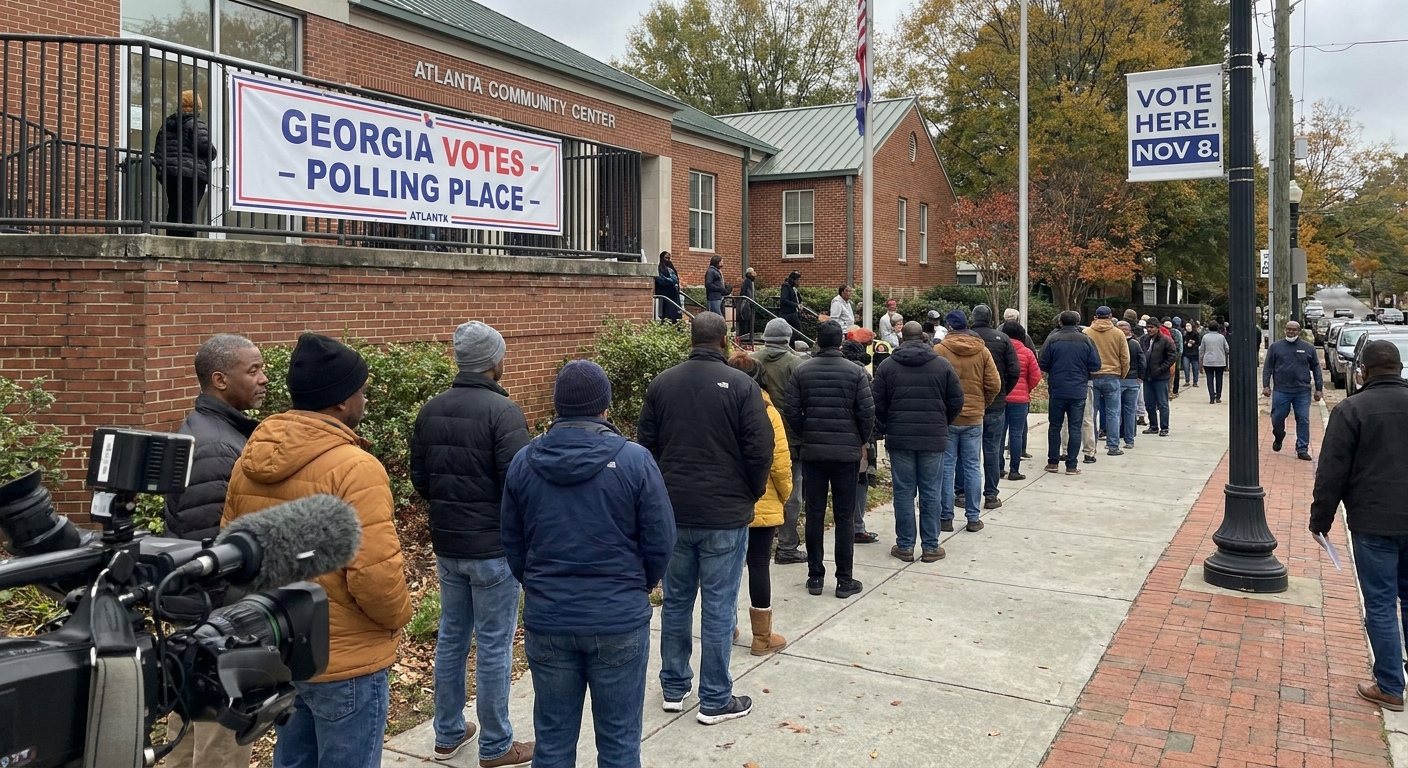
They are held in November of even-numbered years that are not presidential election years. The federal general election day is the first Tuesday after the first Monday in November.
Why it is worth showing up
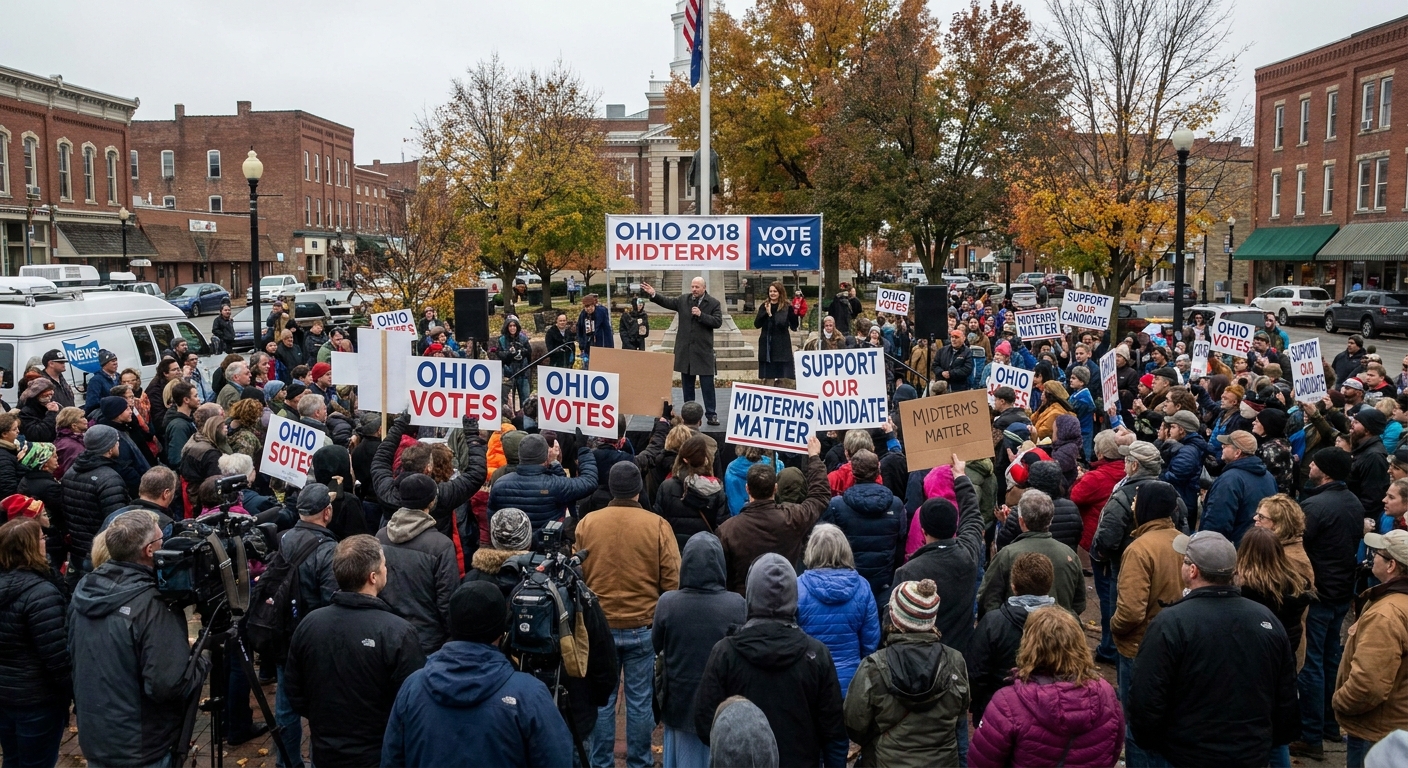
Midterms are easy to misunderstand because they lack the spectacle of a presidential race. They also tend to have lower turnout. But they are often the election that decides whether the next two years are defined by sweeping legislation, stalemate, aggressive oversight, or rapid judicial confirmations.
Just as important, midterm ballots can be packed with state and local races that hit closer to home, from school boards to ballot measures to statewide offices that shape election rules, budgets, and public services.
The Constitution gives us a republic that updates itself on a schedule. Midterms are that update, right on time, whether we pay attention or not.