
“Arraignment” sounds like a word built to intimidate. It is not a trial. It is not a verdict. It is one of the first times a criminal case is handled in open court, when the government says, on the record: here is what we are accusing you of, and the judge asks: do you understand, and how do you respond?
If you have ever watched a courtroom scene on TV, arraignment is the part where the judge reads the charges, the defendant says “not guilty,” and everyone starts arguing about bail. Real arraignments can be quick, even routine. But constitutionally, they sit on top of some of the most important protections in the Bill of Rights and the Fourteenth Amendment.
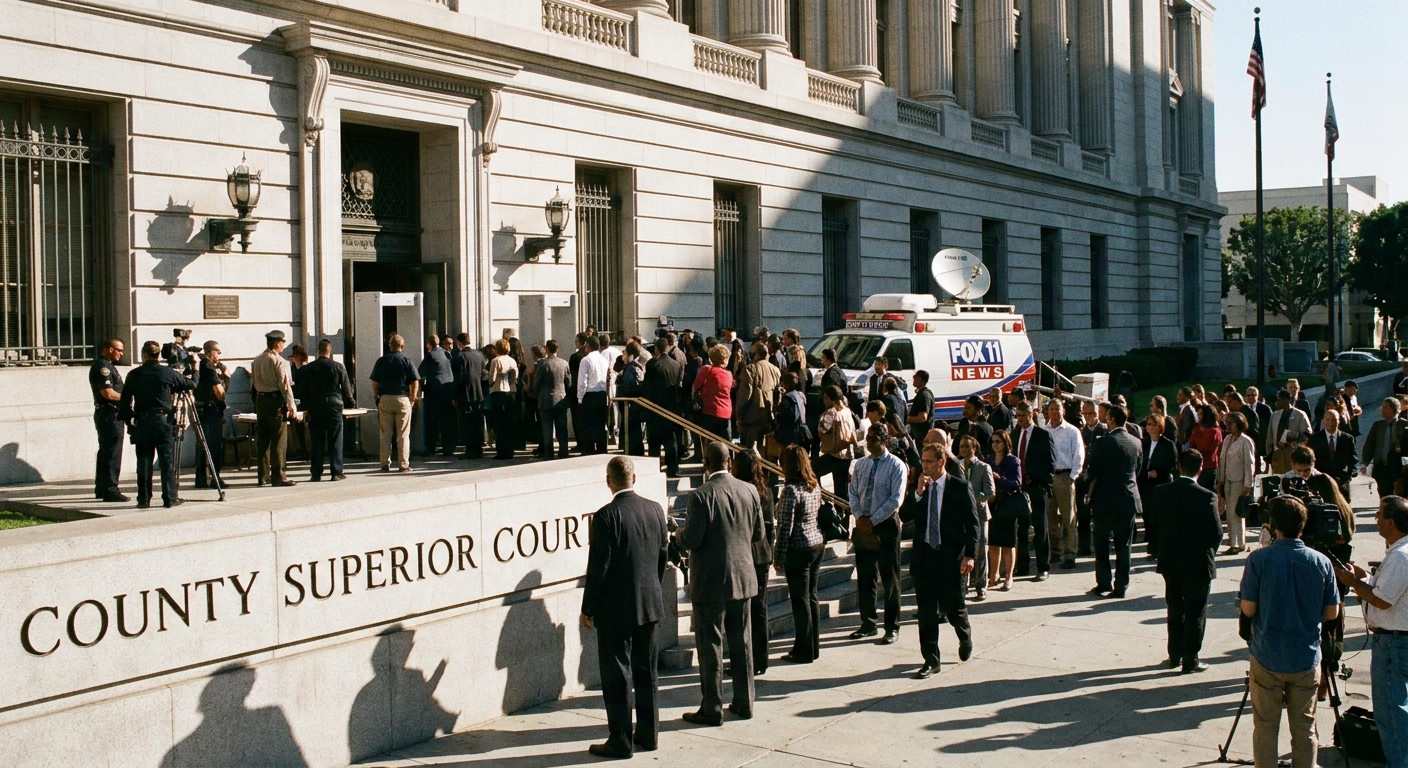
Join the Discussion
Arraignment, defined
An arraignment is a formal court appearance where the defendant is told what the case is, advised of key rights, and asked to enter a plea on the charging document (a complaint, information, or indictment). In many jurisdictions, it is also where the court addresses pretrial release. In others, bail is handled mainly at an earlier “initial appearance” or “first appearance,” and arraignment focuses more on the plea.
At arraignment, courts typically cover some or all of the following:
- Rights and counsel are addressed (including the right to a lawyer and how to get one).
- The charges are stated (often by reading or summarizing the complaint, information, or indictment).
- The defendant enters a plea (most commonly “not guilty” at this stage).
- Release and detention may be addressed (bail, bond, or conditions of release), depending on local procedure.
- Next dates are set for later hearings, motions, or trial.
In many courts, arraignment is also where the judge confirms identity, checks that the defendant received paperwork, and addresses protective orders or no-contact conditions in domestic violence cases.
Where it fits in the process
Criminal cases differ by state and by whether the case is in state or federal court. But a common timeline looks like this:
- Arrest or citation
- Booking (fingerprints, photograph, paperwork)
- Initial appearance (often focused on release conditions and counsel)
- Arraignment (often focused on formal notice of charges and entering a plea, and sometimes also release conditions)
- Pretrial hearings (motions, discovery issues, plea negotiations)
- Trial (if there is no plea deal)
- Sentencing (if convicted or if a guilty plea is entered)
Some jurisdictions combine the initial appearance and arraignment. Others separate them, with the initial appearance happening quickly after arrest and arraignment occurring later after charges are formally filed.
Felony and misdemeanor cases also tend to move differently. Misdemeanors often proceed faster and with fewer steps. Felony cases more often involve an indictment or a preliminary hearing, and may include multiple arraignments (for example, an arraignment on a complaint early on, then a later arraignment after indictment or an information is filed).

What happens at arraignment
The judge calls the case
The judge identifies the defendant and the case number. This is not theatrical. It is procedural. But it matters because it anchors the charges and the parties in the court record.
The charges are read or summarized
The court states the criminal charges and may also describe potential penalties. Some judges advise maximum penalties at arraignment; others reserve detailed penalty discussions for later, or only address them in specific contexts.
The goal is not to argue the facts. The goal is to make sure the defendant has notice of what the government says was violated.
Counsel is addressed
The judge asks whether the defendant has a lawyer. If not, the court may appoint a public defender or set a process to determine eligibility, depending on the jurisdiction.
A plea is entered
At arraignment, the common pleas include:
- Not guilty (most common at this stage)
- Guilty (sometimes, especially for minor offenses or negotiated resolutions)
- No contest (nolo contendere, treated like guilty for sentencing in many states)
In some courts, a “not guilty” plea may be entered through counsel, entered automatically if the defendant “stands mute,” or entered as a default to keep the case moving without turning arraignment into a factual debate.
Pleading not guilty preserves the ability to challenge the case, file motions, and demand that the government prove guilt beyond a reasonable doubt at trial.
Release conditions may be decided
If release and detention are addressed at arraignment in your jurisdiction, this can be the most consequential part of the day. The judge may decide whether the defendant will be:
- Released on recognizance (a promise to appear)
- Released with conditions (travel limits, check-ins, no-contact orders, drug testing)
- Required to post bail (cash bail or a surety bond through a bail bondsman, where permitted)
- Held without bail (allowed in limited circumstances and governed by jurisdictional law)
Courts consider factors like risk of flight, public safety, prior record, and the seriousness of the charge. In some jurisdictions, risk assessment tools or bail schedules also play a role.
Rights in the room
Arraignment can feel administrative because much of it is. But it is also where constitutional protections start doing visible work.
Sixth Amendment: right to counsel
The Sixth Amendment guarantees “the Assistance of Counsel” in criminal prosecutions. As a practical matter, courts must ensure counsel is provided in any case where a jail sentence may be imposed, including a suspended jail sentence that could later be activated. Many courts appoint counsel earlier whenever incarceration is a realistic possibility, even if the final sentence is uncertain.
This is why arraignment often includes appointment of counsel or, at minimum, clear instructions on how to obtain counsel quickly. A defendant without a lawyer at this stage can be at a disadvantage when release conditions are being set and deadlines are starting to run.
Fifth Amendment: against self-incrimination
The Fifth Amendment protects against being compelled to be a witness against yourself. At arraignment, the defendant is not there to “explain what happened.” The plea itself is not testimony. Still, voluntary statements beyond the required yes-or-no court questions can create problems later, which is why defense lawyers often encourage clients to keep arraignment remarks minimal.
Eighth Amendment: excessive bail
The Eighth Amendment says: “Excessive bail shall not be required.” That line is short and deceptively complicated. It does not guarantee that bail must be offered in every case under federal law. It does signal that when bail is set, it cannot be used as a backdoor punishment or an impossible price tag designed to ensure detention.
Some states provide broader rights to bail through their constitutions or statutes, so what bail must be offered, and when, can depend heavily on where the case is filed.
Fourteenth Amendment: due process in state court
Most criminal cases in America happen in state court, not federal court. Through the Fourteenth Amendment, many Bill of Rights protections apply to the states. Arraignment is a due process checkpoint: notice of the charges, a meaningful opportunity to secure counsel, and a structured path forward instead of detention that persists simply because paperwork and dates have not caught up.
Arraignment vs. other steps
These terms get blurred because they happen close together, and because different jurisdictions use different labels.
Indictment
An indictment is a charging document issued by a grand jury, used in many felony cases, especially in federal court. It is not the arraignment. But if a case is indicted, the arraignment may involve reading the indictment in court and taking the plea.
Information or complaint
Some cases are charged by a complaint (often early in the process) or an information (a formal charge filed by a prosecutor, used in many states). Arraignment can occur on any of these charging instruments depending on local procedure.
Preliminary hearing
A preliminary hearing is different from arraignment. It is a hearing where a judge may decide whether there is probable cause to proceed on a felony charge. Witnesses can sometimes testify, and evidence can be challenged. Arraignment usually does not dig into evidence like that.
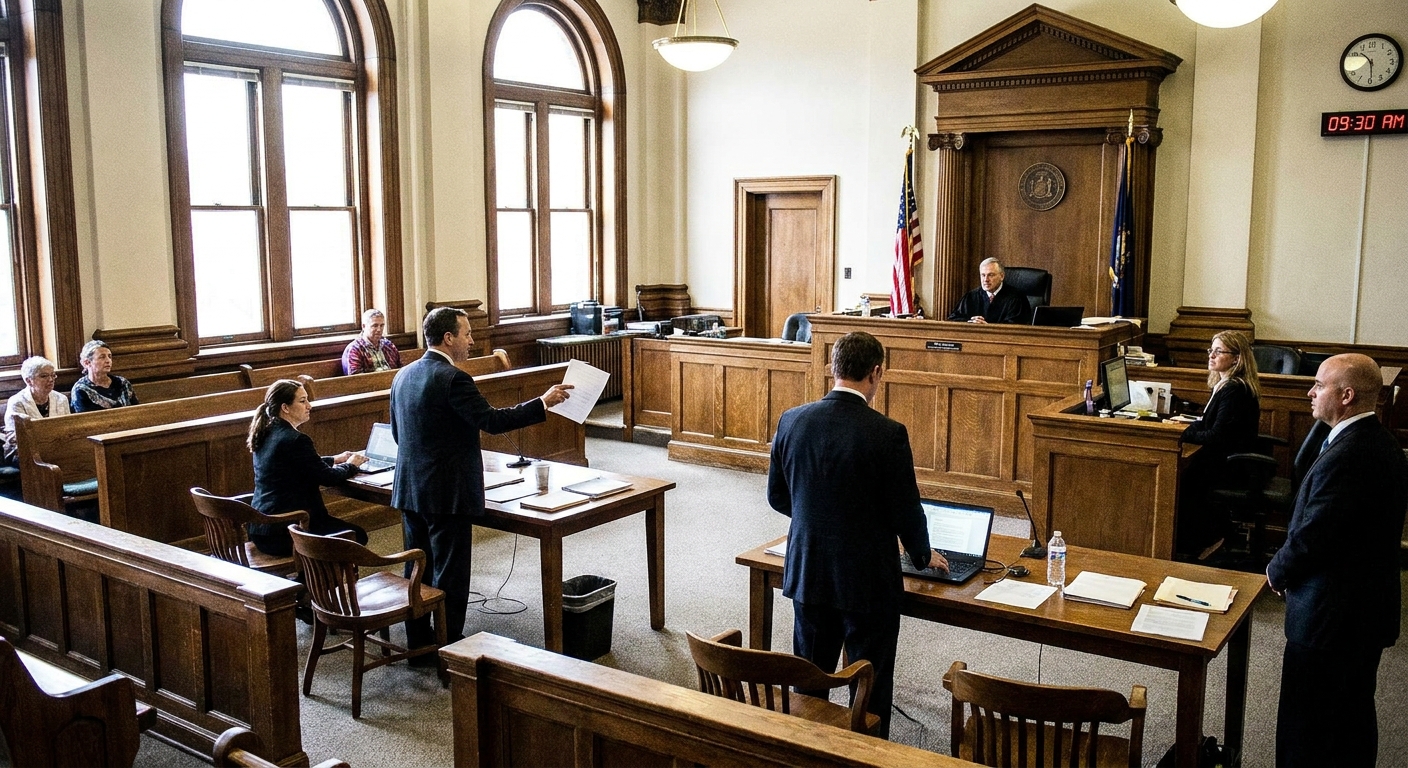
Does it mean you are guilty?
No. Arraignment is not proof of anything. It is a formal step that moves the case into the structured part of prosecution.
In fact, the default posture at arraignment is often “not guilty,” even for defendants who believe they may later accept a plea deal. That is not dishonesty. It is strategy and due process. It keeps options open while lawyers evaluate evidence, negotiate, and file motions.
Why release decisions matter
In theory, the system treats pretrial detention as temporary and carefully justified. In practice, whether you are jailed or released while your case is pending can shape everything that happens next.
A defendant held in jail may:
- Have a harder time meeting with counsel and reviewing evidence
- Risk job loss, housing loss, and family disruption
- Feel increased pressure to accept a quick plea bargain
A defendant released pretrial still faces serious conditions and monitoring, but has more ability to build a defense and maintain stability.
This is why arraignment day, or the first hearing that sets release conditions, can function like a fork in the road.
Not legal advice: release rules are intensely local. If you are dealing with an actual case, talk to a qualified lawyer in the jurisdiction as early as possible.
Can you waive arraignment?
Sometimes. In many jurisdictions, especially in misdemeanor cases or when represented by counsel, a defendant can waive arraignment in writing and enter a not guilty plea without appearing, or appear through counsel.
Whether that is allowed depends on the charge, the court’s rules, and whether the judge requires personal appearance. Felony cases often require stricter procedures.
Not legal advice: waiving arraignment can have consequences for deadlines and conditions. Do not assume it is just a convenience.
What to bring and listen for
This is not legal advice, but it is a civics reality check. If you or someone you care about is facing an arraignment, the practical questions are often as important as the formal ones.
Listen for the exact charge language
Charges have titles, but they also have statutory citations and degrees. “Assault” can mean many different things. So can “theft.” The precise wording affects sentencing exposure and defenses.
Ask what the next date is and what it is for
Courts move fast and paperwork moves faster. Missing a date can lead to a warrant. Make sure you know what is scheduled and why.
Pay attention to release conditions
People often focus only on the dollar amount of bail. Conditions can be just as consequential: no-contact orders, firearm restrictions, location monitoring, or required check-ins.
What happens after arraignment
After arraignment, the case usually moves into the pretrial phase. That can include discovery (the exchange of evidence), protective order issues, motions to suppress or dismiss, and status conferences where the judge checks progress and sets deadlines. If there is going to be a plea deal, it is typically negotiated in this stretch of the case, not performed at arraignment.
Federal court arraignment
Federal cases follow the Federal Rules of Criminal Procedure. The concepts are similar, but the process can be more standardized. In federal court, arraignment is typically where the defendant is informed of the charges in an indictment or information and enters a plea.
Detention and release are governed by the Bail Reform Act. Federal judges decide release or detention based on findings about flight risk and danger to the community, and certain charges can trigger rebuttable presumptions in favor of detention.
The big point
Arraignment is not where guilt is decided. It is where the machinery of prosecution starts running in court: charges, counsel, plea, and often pretrial liberty.
If you want to understand criminal justice in the United States, do not start with the jury box. Start here, in the first minutes when the government states its accusation and the Constitution insists on process.
Arraignment is often brief, but its consequences can last months or years. That is why the rights that show up in this moment, counsel, due process, and protection against excessive bail, are not technicalities. They are the difference between a system that prosecutes and a system that overwhelms.