
You can stand on a street corner in America and say a lot. You can march, chant, carry a sign, and make your point loudly.
But those rights are not unlimited. Noise rules, permit requirements for certain events, and laws against true threats, harassment, or incitement can still apply.
And if you pick up a can of spray paint and put your message on a national war memorial, you have crossed a bright legal line. The act may be expressive, but it can also be a crime. That single fact changes everything, including who investigates, who prosecutes, which statutes apply, and what consequences follow.
Join the Discussion
Why the WWII Memorial is under federal jurisdiction
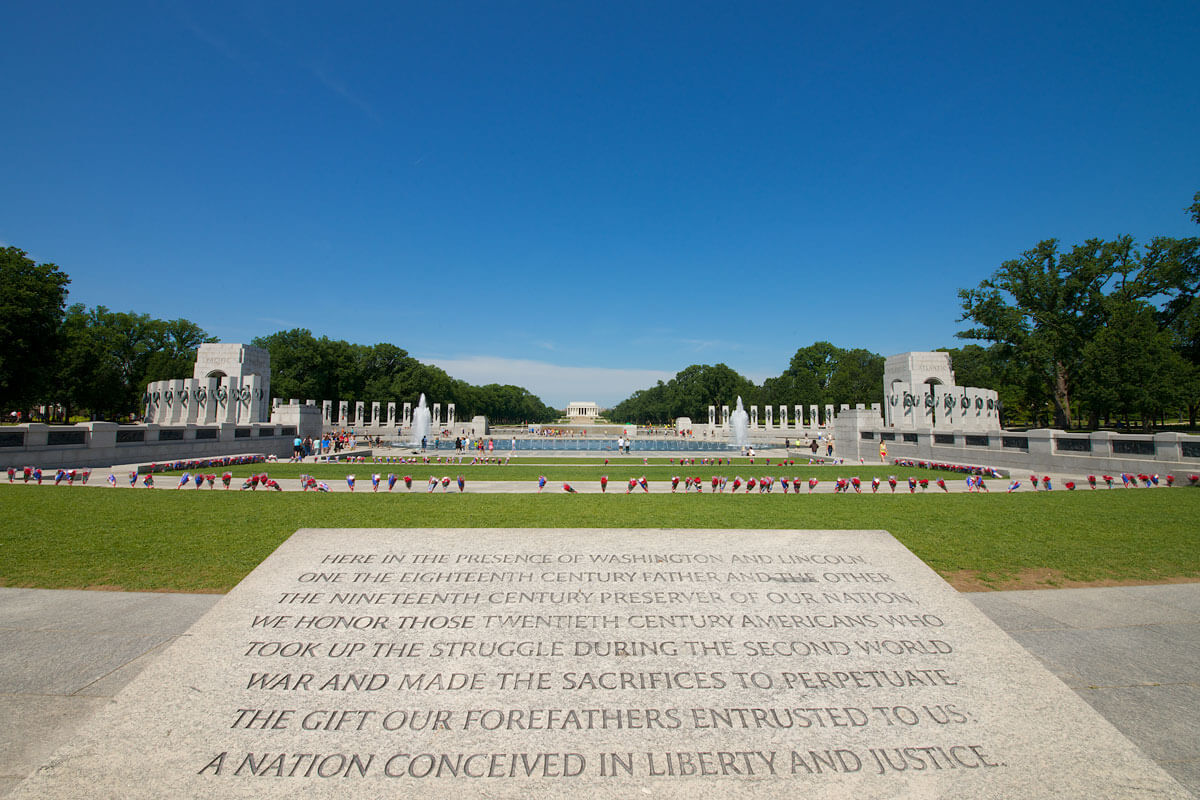
The National World War II Memorial is part of the National Mall and is administered by the National Park Service (NPS), a federal agency within the Department of the Interior. That means the memorial and its surrounding grounds are federally managed and protected.
So when someone allegedly defaces it, the case is not mainly about DC's local vandalism laws. It is about protecting federal property and federal park resources. That is why federal investigators can get involved and why the U.S. Attorney's Office for the District of Columbia can bring charges in federal court.
This is one of the most misunderstood features of Washington, DC: it is a city, but it is also the seat of the federal government. Many of its most visible public spaces, especially on and around the Mall, are federal spaces, policed and regulated as such.
In practice, the first law enforcement response on Mall property is often the United States Park Police or NPS law enforcement rangers. Depending on the circumstances, other federal agencies may assist, but the core investigative and referral pipeline for memorial defacement typically starts with park-area law enforcement and then moves to federal prosecutors.

The constitutional basis in DC
Washington, DC is not a state. Under Article I, Section 8, Clause 17, Congress has authority to "exercise exclusive Legislation in all Cases whatsoever" over the federal district that becomes the nation's capital.
Over time, Congress delegated day-to-day local governing authority to DC through home rule, subject to congressional override. But Congress still retains ultimate power, and federal property within the District remains under federal control. Practically, that means two things can be true at once:
DC has its own local criminal code and local institutions that prosecute many categories of offenses.
The federal government can prosecute crimes tied to federal land, federal buildings, federal officials, and other federal interests.
A DC-specific wrinkle is that the U.S. Attorney for DC prosecutes most adult criminal cases in D.C. Superior Court under the D.C. Code (including local-code felonies and many misdemeanors), as well as federal crimes in federal court. By contrast, the D.C. Attorney General primarily handles juvenile prosecutions, certain limited adult misdemeanor categories, and civil enforcement. So the charging statute, and the court where the case is filed, matters more than the headline.
Federal laws used for Mall vandalism
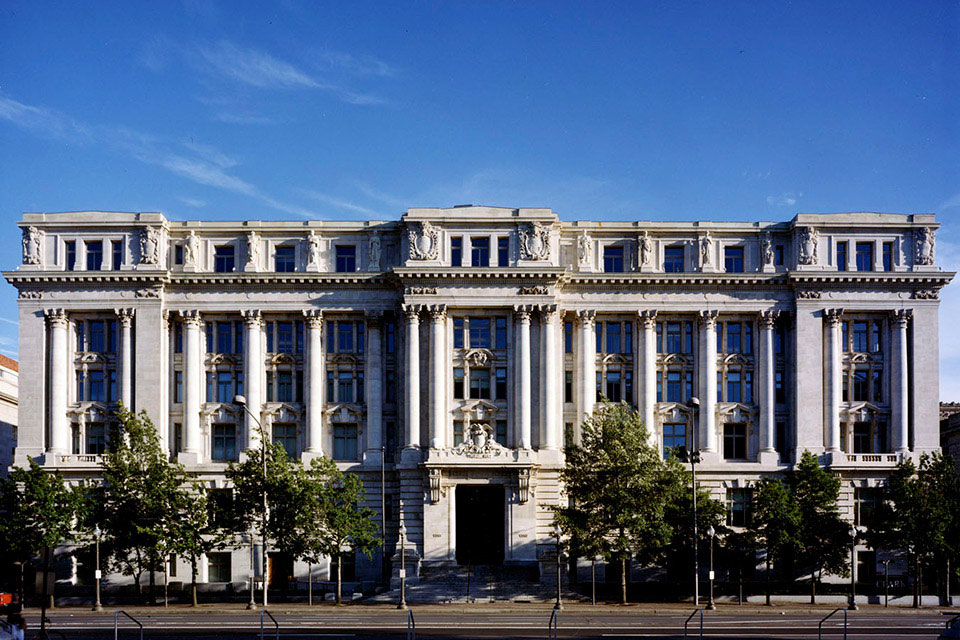
Federal prosecutors have more than one tool for handling damage to national memorials. Which statutes appear in an indictment depends on the facts: what was damaged, how, whether there was permanent harm, and what the estimated cost of cleanup or restoration will be.
1) Damage to U.S. property (18 U.S.C. § 1361)
A common federal charge for vandalism on federal property is 18 U.S.C. § 1361, which covers willfully injuring or committing depredation against property of the United States (or property being made for the United States). "Depredation" is an old legal word that, in modern use, often means damaging, defacing, or destroying.
Penalties under § 1361 generally scale with the amount of damage. Under current federal law (as of August 2026), damage of $1,000 or less is typically treated as a misdemeanor (with a maximum of one year), while damage of more than $1,000 can be treated as a felony (with a maximum of ten years). Actual sentencing depends on the charged counts, proven loss, and federal sentencing factors.
2) National Park Service rules (36 C.F.R.)
Because the WWII Memorial is in an NPS-administered area, prosecutors may also rely on NPS regulations that apply within national parks and park areas. One regulation commonly implicated in defacement cases is 36 C.F.R. § 2.1, which addresses damaging, injuring, defacing, or disturbing park resources.
Depending on the conduct, other NPS regulations may also come into play. For example, 36 C.F.R. § 2.34 addresses disorderly conduct in park areas, and 36 C.F.R. § 1.5 covers closures and public use limits for areas that are temporarily restricted.
These are not "just rules." Violating a duly issued federal regulation can be a federal crime, typically a misdemeanor, prosecuted in federal court.
3) Context-driven add-ons
Depending on where the conduct occurred and what else happened, prosecutors may add charges tied to the broader circumstances. On the National Mall, that can include fact-dependent allegations such as entering a closed area under NPS rules, refusing lawful orders, or engaging in disorderly conduct as defined in the park regulations. Not every vandalism case triggers these add-ons, but investigators look at the full context, not just the paint.
Indicted by a grand jury: what that means
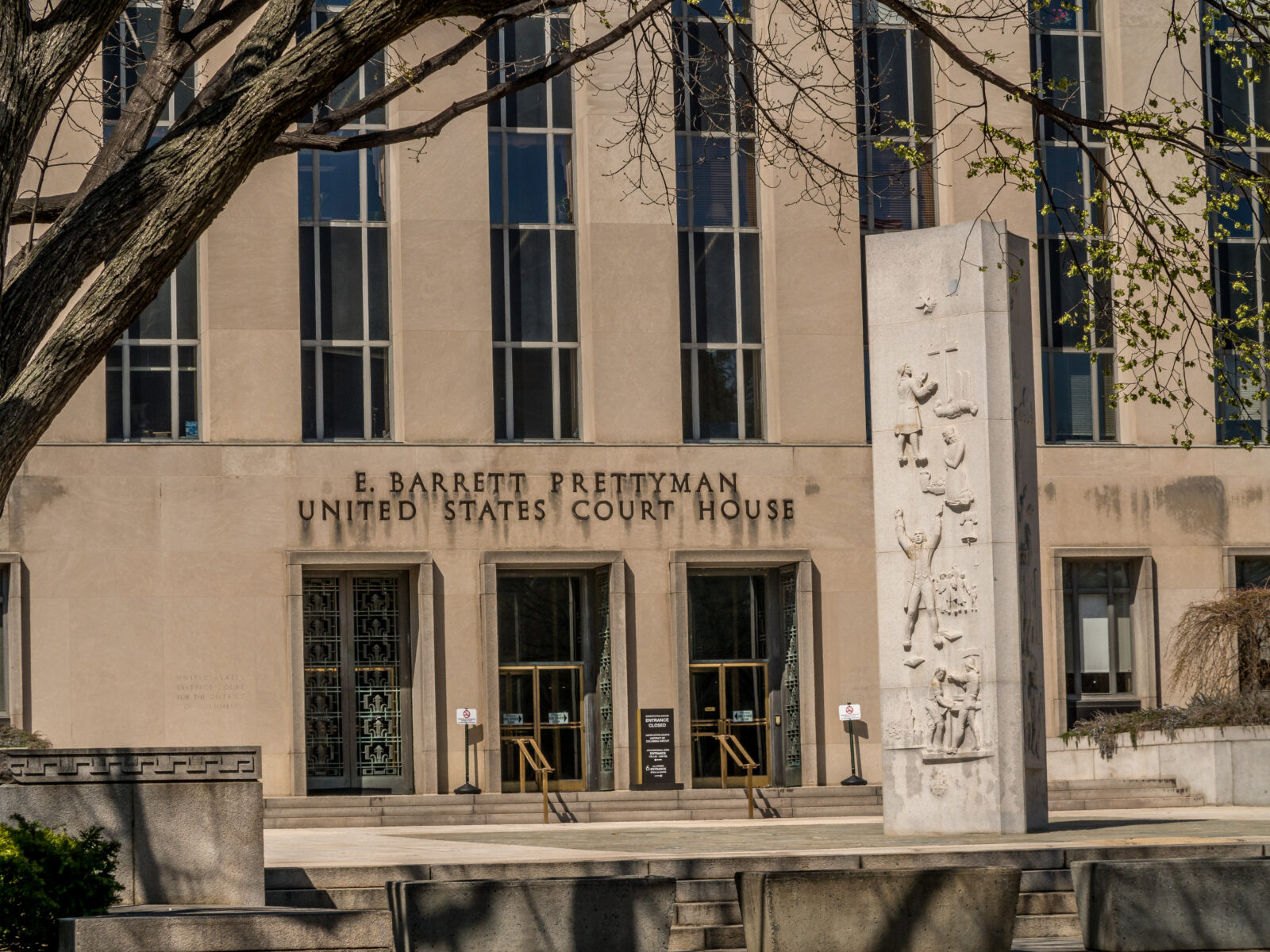
Public reporting on vandalism cases sometimes turns on one procedural word: indicted. A federal grand jury indictment is not a conviction. It is a formal accusation that the government has probable cause to believe a federal crime was committed and that the named defendant committed it.
Grand juries do not decide guilt. They decide whether charges may proceed. The next stages are arraignment, pretrial motions, potential plea negotiations, and, if necessary, trial.
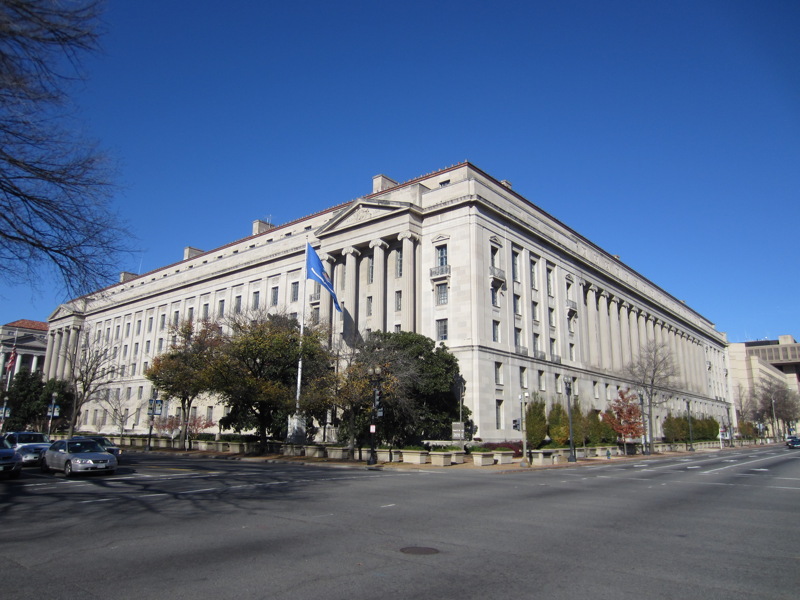
In DC, the same U.S. Attorney's Office can appear in both local and federal matters, so the best way to understand what is happening is to look at the legal basis for the charge. Federal statutes and federal regulations generally signal a federal case, even if the underlying conduct looks like "ordinary" vandalism.
Is it protected speech? The First Amendment line
Spray paint can be expressive. But expression does not create a constitutional right to use someone else's property as your canvas, especially when that property is a federally administered memorial.
The First Amendment strongly protects speech, including political speech, and it protects the right to peaceably assemble and petition the government. What it generally does not protect is the method of expression when that method itself violates neutral laws, like trespass or property destruction.
Courts often describe this as a difference between suppressing a viewpoint and enforcing content-neutral rules that apply regardless of viewpoint. A rule that says "do not deface federal monuments" applies to every message, from every ideology, every day. You can still protest at or near the memorial, but you generally must do it without damaging the memorial itself.
That distinction fits within a larger constitutional framework: government may impose reasonable, content-neutral time, place, and manner restrictions in public forums. The National Mall is one of the country's most important public forums. It is also a heavily regulated one.
Why prosecutors treat memorial damage seriously
There is a temptation to treat vandalism as "minor" because it is not violence against a person. But the federal government often treats damage to national memorials as damage to shared civic property, maintained with public money and designed to serve the public for generations.
That matters for practical reasons too:
Cleanup is expensive. Restoration of stone, bronze, and engraved surfaces often requires specialized methods to avoid permanent harm. Those costs can also drive the loss amount that influences charging and sentencing.
Copycat risk is real. High-profile defacement can invite more of it if it is treated as inconsequential.
Federal land brings federal enforcement. On the Mall, law enforcement may include the United States Park Police and NPS law enforcement, sometimes working alongside other agencies depending on the circumstances.
None of this determines guilt in any particular case. It explains why the government tends to treat the conduct as more than a local nuisance.
Potential consequences
The penalties in any case depend on the exact charges, the proven amount of damage, a defendant's history, and federal sentencing factors. But federal vandalism cases commonly raise a few recurring consequences:
Jail exposure. Many federal misdemeanors carry up to a year in custody. Felony exposure can be higher depending on the statute and damage amount.
Fines. Federal law allows substantial fines, depending on the charge and classification.
Restitution. Courts often order defendants to repay the cost of cleanup and restoration. In practice, this can turn on documented labor, materials, contractor invoices, and conservation methods required to return a memorial surface to its prior condition. Those documented costs can also matter earlier in the case, because they may help establish whether damage is above or below the $1,000 threshold that can affect the charging level under § 1361.
Supervision conditions. Probation can include restrictions on travel, association, or returning to certain federal areas.
Collateral consequences. A federal conviction can affect employment, housing, professional licensing, firearms rights, and future sentencing exposure.
Even if a case resolves with a plea to a lesser offense, federal court is not a minor venue. The system is built to treat federal property crimes as serious matters of public administration.
Protest on federal land: the boundary
Americans sometimes talk as if the First Amendment includes a right to be disruptive wherever you choose. It does not. The system protects dissent while also protecting public spaces from being physically altered by whichever group has the opportunity and the means to do it.
The WWII Memorial is a place where the country tells a story about itself. You are free to disagree with that story. You are free to argue with it. You are free to stand beside it and say the government has failed to live up to it.
But if you damage it, you have stepped into a different legal reality: one where Congress's authority over federal land, enforced through federal criminal law and NPS regulations, becomes the central fact of the case.
Quick FAQ
Is the WWII Memorial actually federal property?
It is part of the National Mall and administered by the National Park Service. That federal administration and control is what commonly triggers federal jurisdiction for vandalism and related offenses.
Why is this not just a DC vandalism charge?
Because the conduct occurred on federally managed grounds and involves damage to federally protected resources. Those facts often make federal statutes and NPS regulations the most direct fit, although DC's unique prosecution structure can make headlines confusing.
Does intent matter?
Yes. Many vandalism and depredation laws require the act to be willful. Defenses and outcomes can turn on what the government can prove about intent, identification, authorization, and damage amounts.
Can you protest at the National Mall?
Yes. Some activities require permits under NPS rules, especially larger events or uses that affect access and safety, such as marches that require traffic control or events that involve stages, sound amplification, or temporary structures. Smaller demonstrations may be allowed without a permit depending on size and location, but even permitted demonstrations cannot include damaging or defacing federal property.