
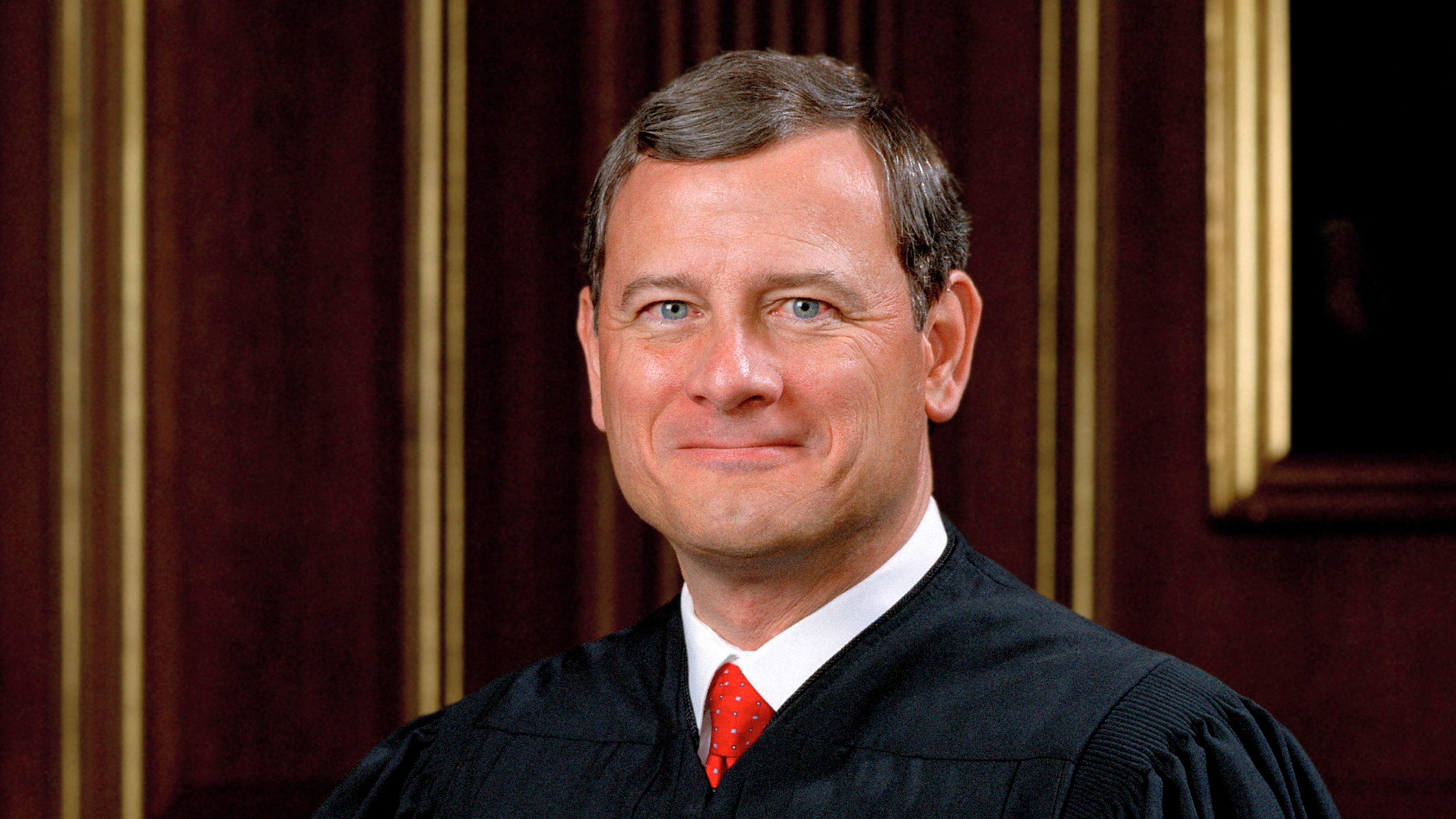
Jonathan Turley argues that organized protests outside the private homes of Supreme Court justices are meant to influence judicial decisions and to fuel a broader political effort to demonize judges and “gut the court.” Americans can debate and protest Supreme Court rulings, he writes, but targeting justices at home is reckless and wrong.
Join the Discussion
Law and limits
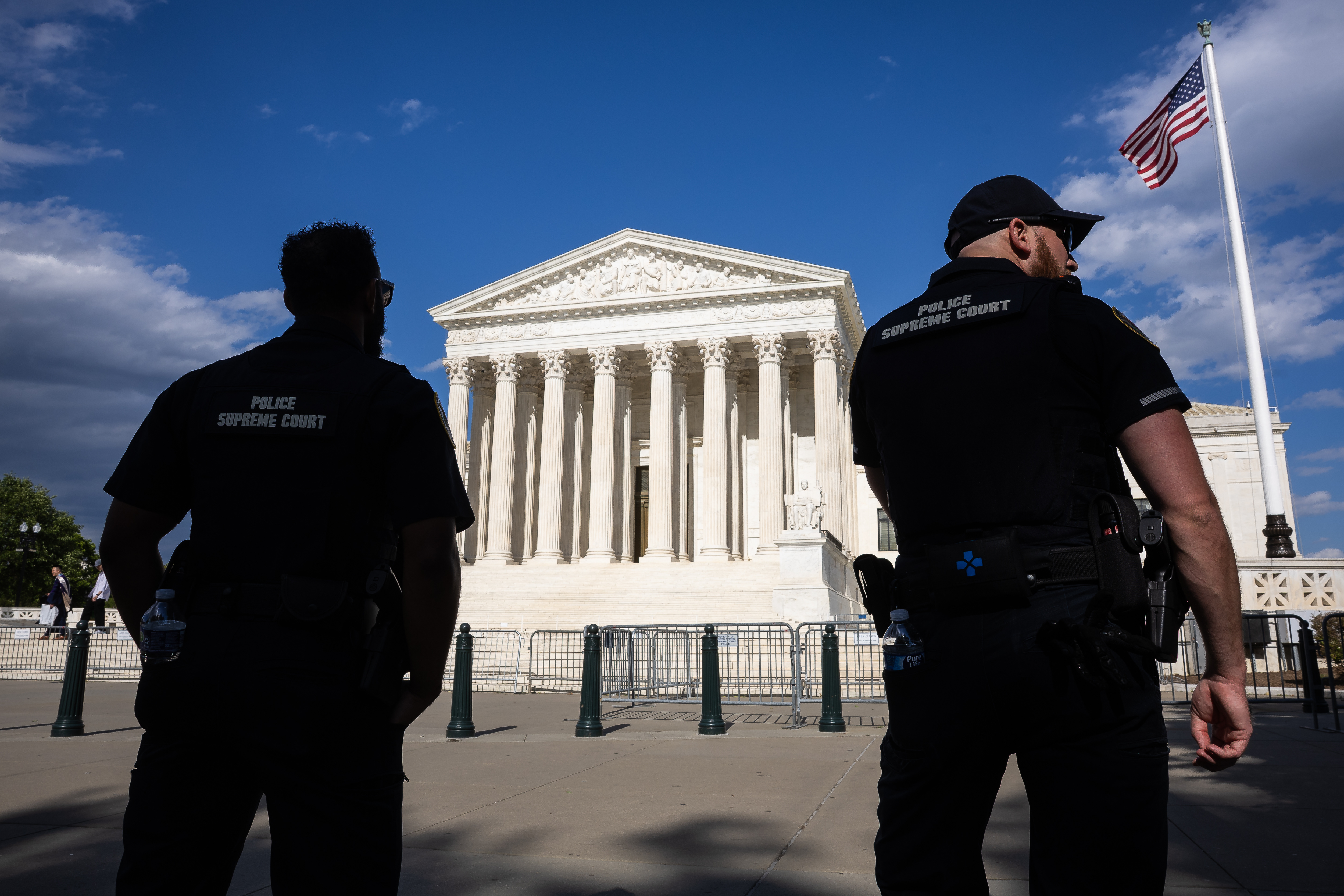
Protesting outside the home of a Supreme Court justice is a crime, though Turley notes that some have questioned the constitutionality of such laws. Putting that debate aside, he argues the tactic itself should be condemned by Americans across the political spectrum.
Hupper Island
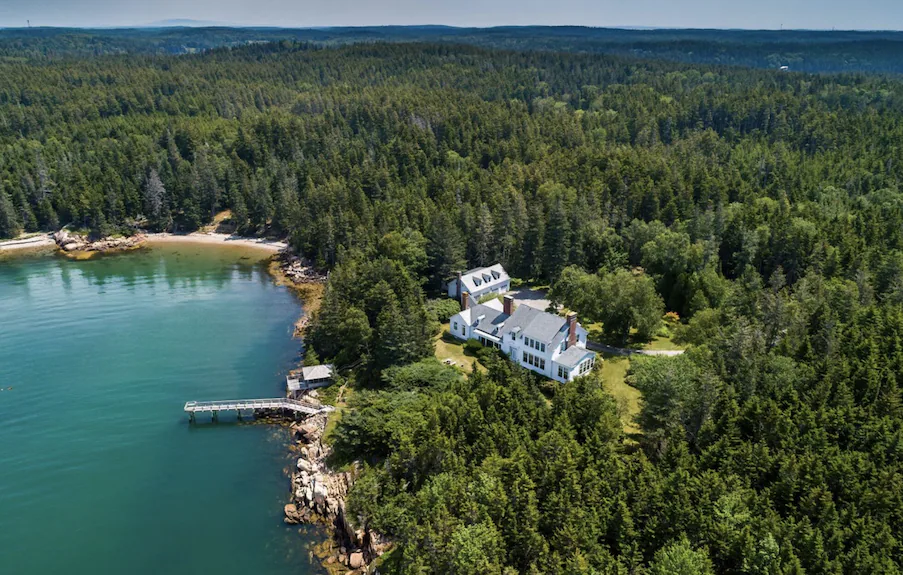
Those concerns resurfaced this week when protesters appeared at Hupper Island, the summer vacation home of Chief Justice John Roberts in Maine. Calling themselves “kayak-tivists,” they formed flotillas facing his home, holding signs and voicing their displeasure.
Turley casts the return of the protests in a seasonal cadence: “In October, the protesters returned to Hupper Island,” he writes.
Incidents he cites
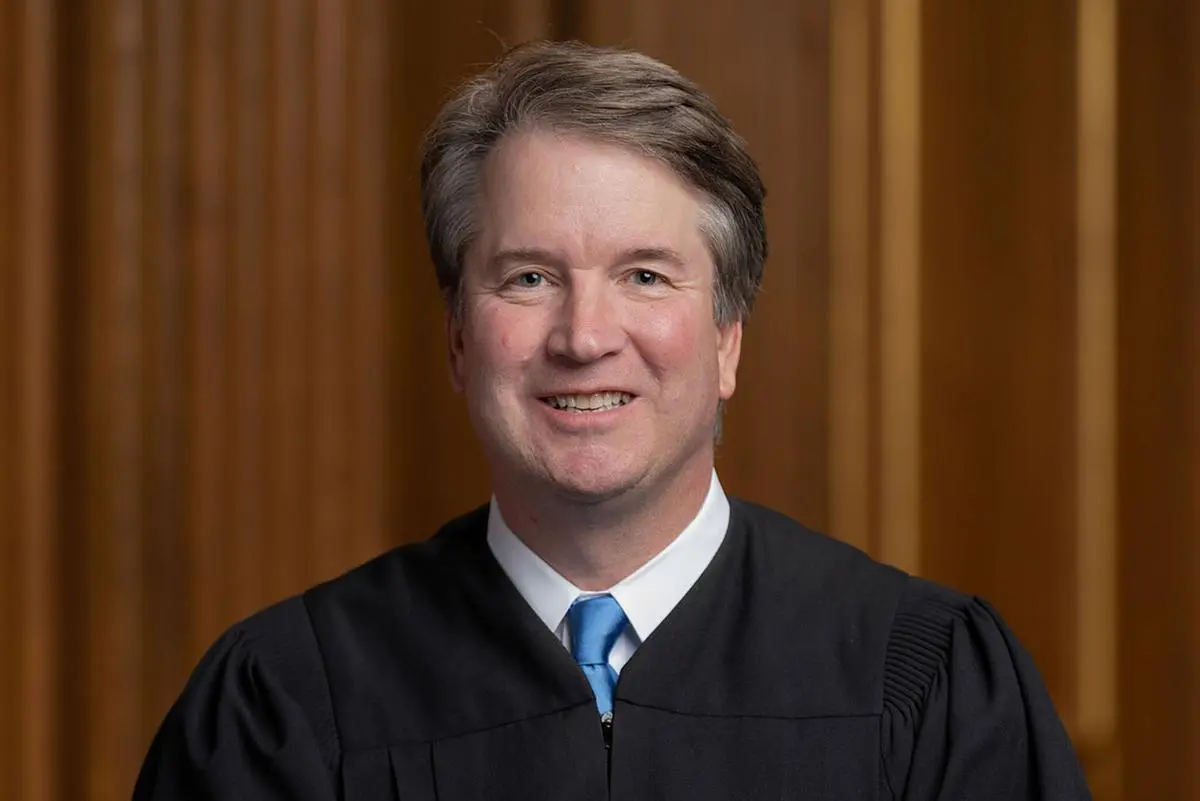
To explain what he sees as an escalating pattern, Turley cites prior episodes in which liberal protesters descended on the homes of conservative Supreme Court justices to disrupt their lives and shout abuses. He writes that, in one case involving Justice Brett Kavanaugh, someone sought to kill a member of the court.
He also cites protesters outside the home of Justice Amy Coney Barrett leaving bloody dolls on the lawn, knowing she had young children inside.
Turley adds that liberal justices have largely been spared such protests at their homes, though occasional protests have occurred.
Glaser’s calls
Turley also points to efforts he says have sought to normalize personal confrontation. In 2022, Becca Shaw Glaser wrote about how Mainers needed to harass Roberts whenever he ventured out of his home.
Glaser wrote: “Roberts is one of the most powerful people in the entire world. He comes to Maine to unwind and feel good about himself and his decisions, despite if he has just gutted our rights…”
She added: “Maine is not here as your happy place, your wind-down from all of your hard work destroying my civil liberties and democracy. No. May you never feel welcome here again.”
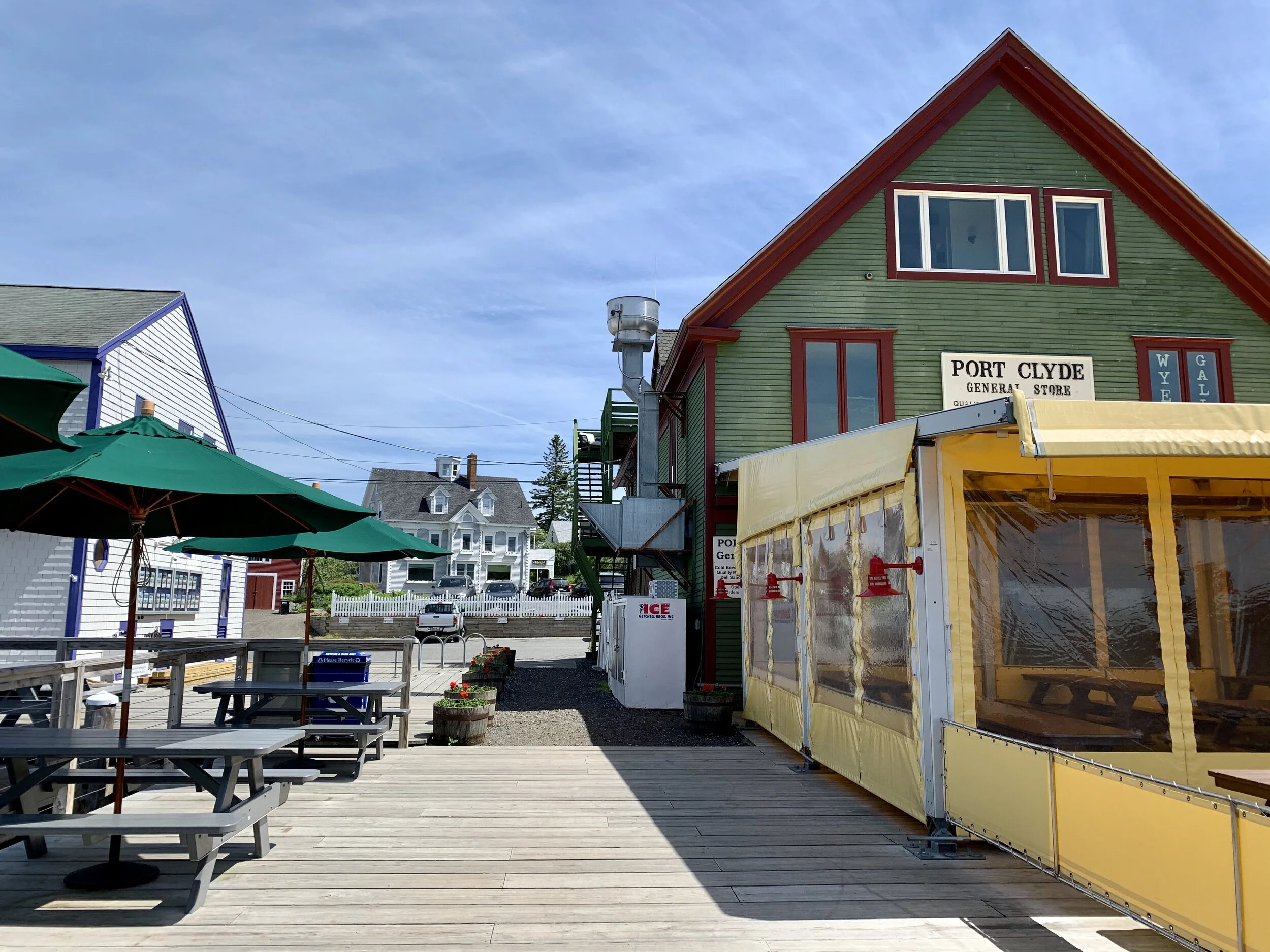
Glaser also urged confrontations in everyday settings: “Should you see Chief Justice John Roberts duck into Squid Ink coffee or the Port Clyde General Store this summer, consider letting him know exactly what you think of him and his illegitimate, ultra-conservative court. Yell, boo, whisper, weep audibly, give him the thumbs down or the finger, hand him a note, refuse to serve him.”
Turley notes that Roberts’ daughter, Josephine, approached Glaser during one of Glaser’s harassing protests to defend her father. Turley writes that Roberts has had to curtail his movement around the island.
A local example
Turley also points to an example discussed in a broader account of the protests: Wendy Schlotterbeck, who was outraged when Roberts was spotted celebrating the Fourth of July on the island.
In that account, Schlotterbeck has transgender relatives and said immigrant friends of hers have been arrested. Turley recounts that she left the picnic and, the next day, joined the “kayak-tivists” outside Roberts’ home.
Pressure and independence
Turley calls it an ironic moment for a chief justice who has been regularly attacked by President Donald Trump for voting against his position in major cases ranging from tariffs to birthright citizenship.
Turley argues the court has continued to show its independence in ruling with the law rather than a partisan agenda. He points to the court voting overwhelmingly on a unanimous or nearly unanimous basis, and to the conservative majority continuing to rule against the Trump administration when the law requires it.
This term has many potential blockbuster decisions, and Turley writes that protesters are expected to return to the homes of justices around Washington. Americans have every right to debate, and indeed protest, Supreme Court decisions. But he urges the country to unite around justices on the left and the right in denouncing protests aimed at private homes, with civic arguments otherwise “literally bobbing and floating on a sea of rage.”