
The Constitution does not have a “thou shalt not deface the World War II Memorial” clause. But it does give Congress something just as powerful: the ability to protect federal property.
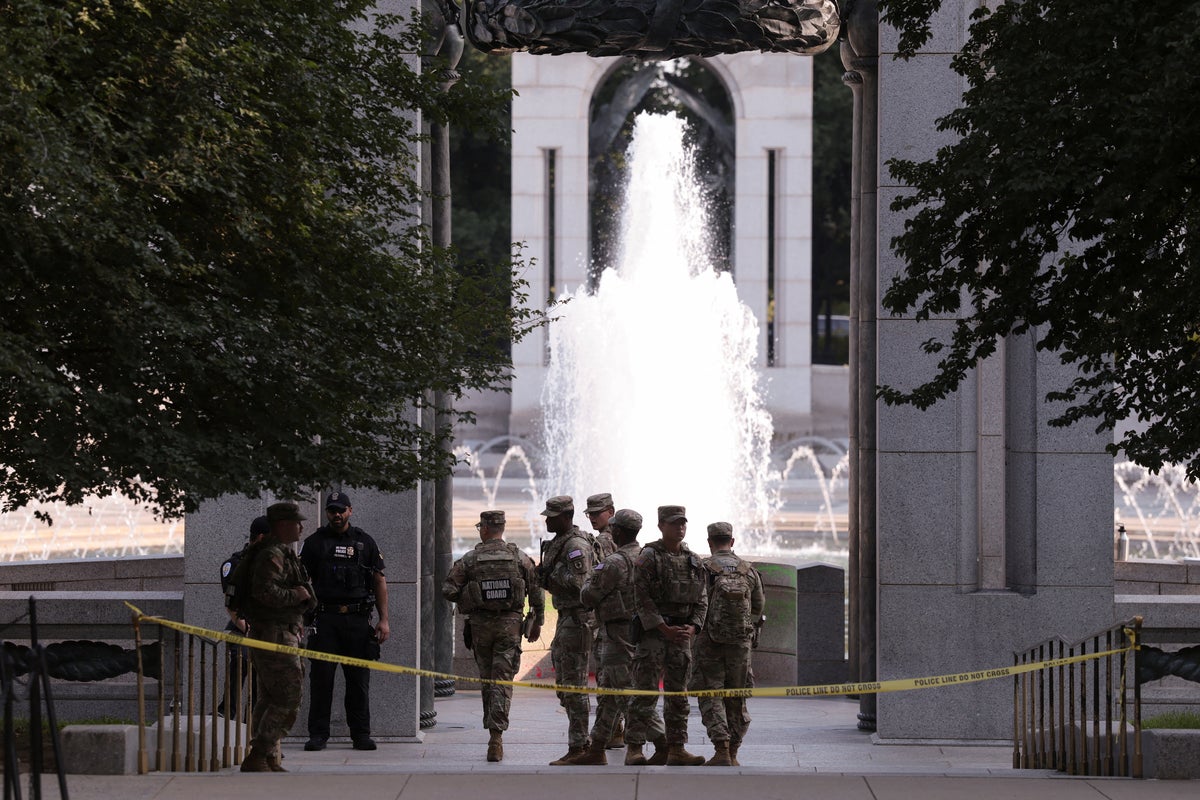
So when news breaks that a National Mall memorial has been spray-painted, the core legal question is not whether it is offensive or disrespectful. The question is jurisdiction. Whose land is it, whose rules apply, and which government has the power to punish the act?
On the National Mall, the answer is often the same: vandalism can be a federal crime, investigated by federal officers, charged in federal court, and punished under federal statutes and regulations that treat monuments and memorials as protected federal property.
Join the Discussion
Yes, it can be a federal crime
Vandalizing a national war memorial is often a federal crime because many prominent memorials on the National Mall sit on federally owned land and are managed by the National Park Service (NPS).
That matters because the basic trigger for many federal property crimes is simple: the thing damaged belongs to the United States, or it is located on federal land where federal rules apply. If you spray paint, carve, break, or otherwise damage that property, you are not only violating local norms. You may be violating federal criminal law.
Why the federal government has power here
There are two constitutional ideas doing most of the work.
1) Congress can protect federal property
Article IV, Section 3, Clause 2, often called the Property Clause, gives Congress power to “dispose of and make all needful Rules and Regulations respecting the Territory or other Property belonging to the United States.” That is the constitutional backbone for federal laws protecting national parks, memorials, and other federal sites.
2) Congress has special authority in Washington, D.C.
Washington is not a state. Under Article I, Section 8, Clause 17, Congress has authority to legislate for the District. Combined with extensive federal ownership and management on the Mall, the federal role is often central, even though parcel-by-parcel details can matter.
Common laws used
Charging decisions depend on the facts: what was damaged, how much damage occurred, whether the act was targeted at a monument, and whether other conduct happened alongside it (trespass, resisting arrest, threats, and so on). But a few federal tools show up repeatedly.
18 U.S.C. § 1361
The most common starting point is 18 U.S.C. § 1361, which makes it a crime to willfully injure or commit “depredation” against property of the United States. In plain terms: if it is federal property, and you knowingly damage it, you can be charged federally.
This statute also illustrates why cleanup and restoration costs matter so much. Under § 1361, the punishment structure turns in part on the amount of damage. If the loss is relatively low, the case is typically handled like a misdemeanor. If the loss exceeds the statute’s threshold (commonly cited as more than $1,000), it can be treated as a felony. Paint on stone is not just paint. Removing it can require specialized conservation work, and those costs can be the difference between “pettier” federal exposure and something much more serious.
National Park Service regulations
Because many memorials are in NPS-managed areas, NPS regulations can also apply. A frequently used provision is 36 C.F.R. § 2.31 (vandalism), along with related resource and property protection rules in Title 36. These charges can function like federal “local ordinances” for federal land and are commonly used for lower-dollar vandalism and related conduct.
Other charges that may apply
“Special protections for monuments and memorials” can sound like there is one bespoke memorial-vandalism statute. Often, the reality is more practical: prosecutors may add other charges that fit what happened at the scene. Depending on the facts, that can include things like unlawful entry into closed areas, failure to comply with lawful orders, or disorderly conduct type offenses under applicable federal regulations or D.C. law.
Who investigates on the Mall
On the Mall, “police” is not one agency. It is a layered system.
- U.S. Park Police: A federal law enforcement agency within the Department of the Interior that patrols many National Park Service sites in D.C., including major monuments and memorial areas.
- National Park Service law enforcement rangers: NPS has sworn officers with authority in park areas, often involved in enforcement, evidence gathering, and site protection.
- Metropolitan Police Department (D.C. police): MPD may assist, coordinate, or handle nearby incidents depending on where the event occurs and how it unfolds.
- Prosecutors: In D.C., the U.S. Attorney’s Office handles federal prosecutions and also prosecutes many local D.C. Code offenses.
That is why an incident at a memorial can quickly become a federal case even if it looks, from the outside, like “just graffiti.”
Where the case goes
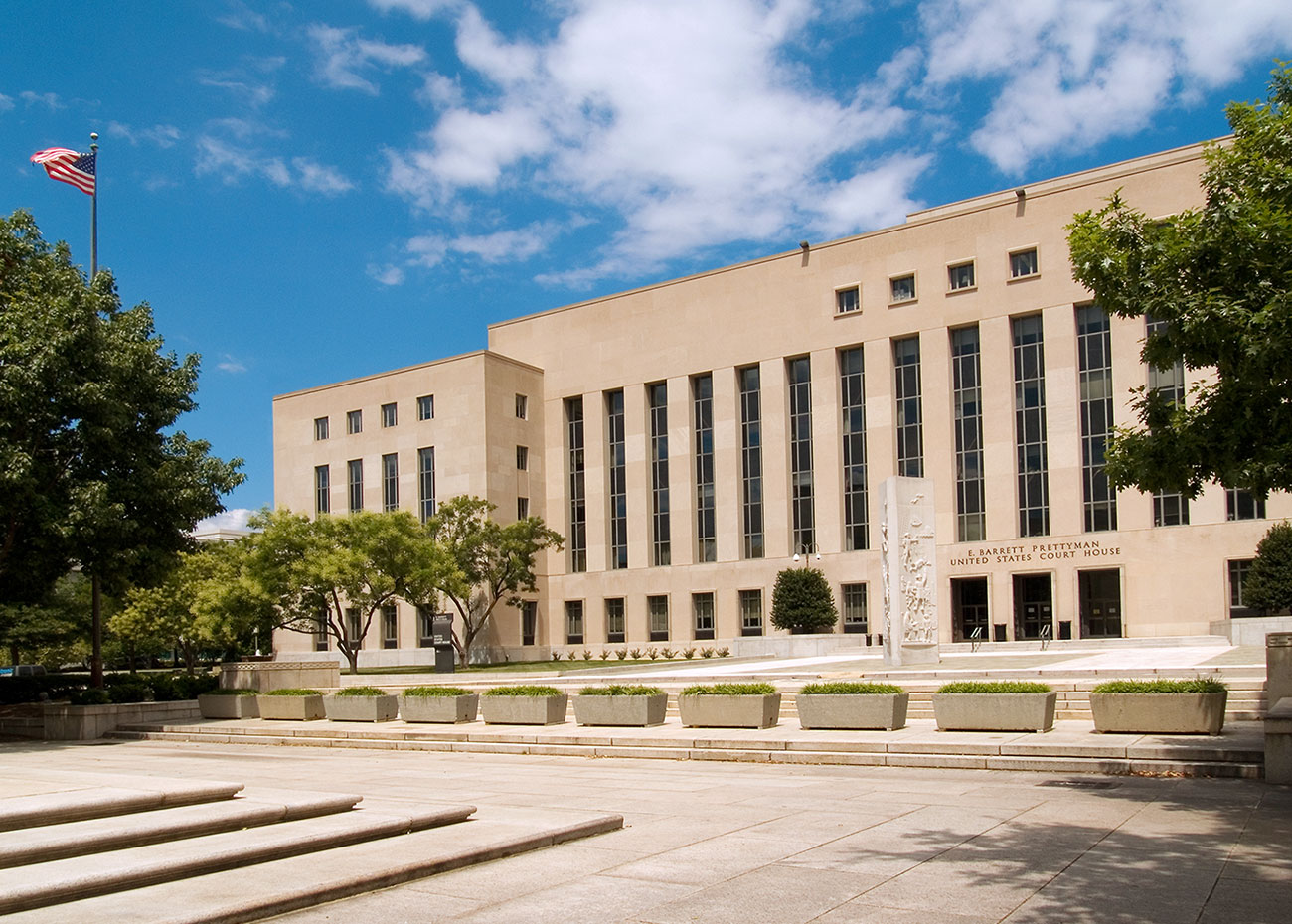
When charges are federal, cases are typically filed in the U.S. District Court for the District of Columbia. Lower-level federal offenses, including many Title 36 park regulation cases and other “petty offenses,” are often handled by U.S. magistrate judges. More serious felony cases proceed under the usual federal felony process.
What penalties can look like
Federal penalties vary widely, and it is easy to overstate them if you ignore the most practical factor in vandalism cases: the cost of damage.
In many federal property damage cases, higher loss amounts can increase maximum exposure and shift a case from misdemeanor territory into felony territory. Even when the physical act is “only” paint, cleanup can be expensive, especially on porous stone, historic surfaces, or areas requiring specialized conservation to avoid permanent scarring.
Another feature that matters in real life is restitution. Federal courts can order defendants to pay for restoration and cleanup. That can follow a person for years, long after any short jail sentence ends.
Courts can also impose probation conditions that restrict access to federal park areas, require community service, and mandate mental health or substance treatment when the record supports it.
Federal vs. local charges
Sometimes the same act can violate both local and federal law. The practical question becomes which jurisdiction takes the lead.
On the National Mall, federal charges are common because the property is often federal and the primary law enforcement presence is federal. But coordination happens. A case might begin with a federal arrest and still involve D.C. authorities for related conduct off federal land, or for separate offenses that fit the D.C. Code.
Think of jurisdiction here like overlapping circles. The Mall sits in D.C., but much of it is federal land managed under federal rules. That overlap is why these cases so often end up in federal court.
Is vandalism protected speech?
People sometimes reach for the First Amendment in protest-adjacent cases. The First Amendment is broad, but it does not include a right to use government property as your canvas.
The key distinction is between expression and property damage. You can hold a sign near a memorial, speak, assemble, and petition, but you still have to follow the site’s time, place, and manner rules, including any permit requirements and restrictions on where you can go. Spray-painting or defacing the memorial itself is conduct that destroys or alters property. Courts routinely uphold penalties for that kind of conduct even when the defendant claims a political message.
In other words: the Constitution protects speech. It does not convert vandalism into speech by labeling it a statement.
Why repeat incidents get attention
Memorial vandalism is not treated like ordinary graffiti in part because the sites are symbolic, but also because they are administratively sensitive. The National Mall is a high-traffic federal space with layered security concerns, preservation mandates, and predictable public impact.
When incidents repeat, agencies often respond by increasing patrols, improving lighting and camera coverage, restricting access during certain hours, or redesigning protective barriers in ways that still preserve public access. Those are policy choices, not constitutional commands, but they are shaped by a basic reality: the federal government is responsible for the property, and it is expected to maintain it.
Quick answers
Is vandalizing the World War II Memorial a federal crime?
It can be. Because the memorial is on federally managed land, vandalism often triggers federal jurisdiction and can be charged under laws like 18 U.S.C. § 1361 and applicable NPS regulations.
Who makes the arrest?
Frequently the U.S. Park Police or National Park Service law enforcement, sometimes with assistance from D.C. police depending on the situation.
Is it a felony?
It depends on the charge and the amount of damage. Under 18 U.S.C. § 1361, the damage amount can affect whether the case is treated as a misdemeanor or felony.
Do defendants have to pay for cleanup?
Often yes. Restitution is a common outcome in federal property damage cases.
The constitutional bottom line
There is no single “memorial protection” clause in the Constitution. But there is a structure that makes protection possible: Congress has power over federal property, and Congress has special authority in the nation’s capital. That combination is why vandalizing a war memorial on the National Mall is not merely a local offense. It is often a federal one.
And that is the point many people miss in the heat of the moment. The question is not whether a memorial deserves protection. It does. The question is which government has the lawful power to enforce that protection. On the Mall, that answer is often federal.