
What does it mean to become an American citizen by choice, and then have the government try to take that citizenship away?
The Justice Department is moving to revoke the U.S. citizenship of 40 foreign-born Americans who allegedly lied or withheld key facts about their criminal histories when they applied to naturalize. The department’s stated focus is fraud or omissions in the naturalization process, with the government arguing citizenship was granted based on applications that were not truthful or complete.
Join the Discussion
The allegation
The government’s claim is that these 40 individuals became citizens by misrepresenting their pasts or leaving out relevant facts about their criminal histories during the naturalization process.
In that framing, denaturalization is presented as a legal step the Justice Department can pursue when it believes citizenship was obtained through fraud or material omissions in the application.
Crimes listed
A draft Justice Department announcement points to convictions for serious crimes in some of the cases. The examples listed include:
- Espionage for the Chinese Communist Party
- Transporting child pornography
- Sexual misconduct against a minor
- Voluntary manslaughter
The department’s position is that these cases involve people who allegedly lied or omitted facts about their criminal histories on citizenship applications.
What comes next
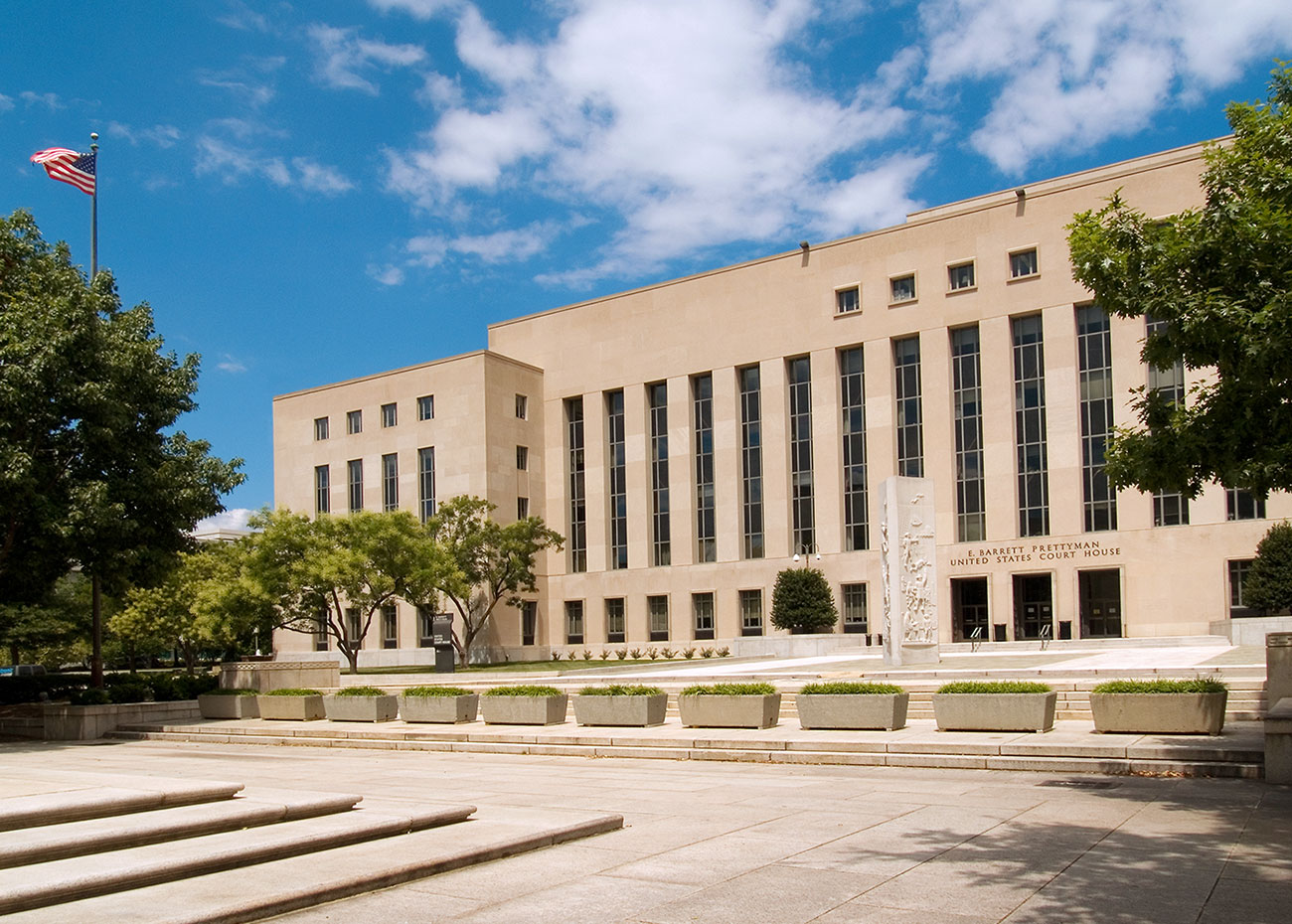
The Justice Department cannot revoke citizenship by announcement alone. Federal prosecutors still have to prove the allegations in federal court.
If a court revokes citizenship, the draft announcement notes that the people who lose citizenship in these cases could face deportation.
At least 300 reviewed
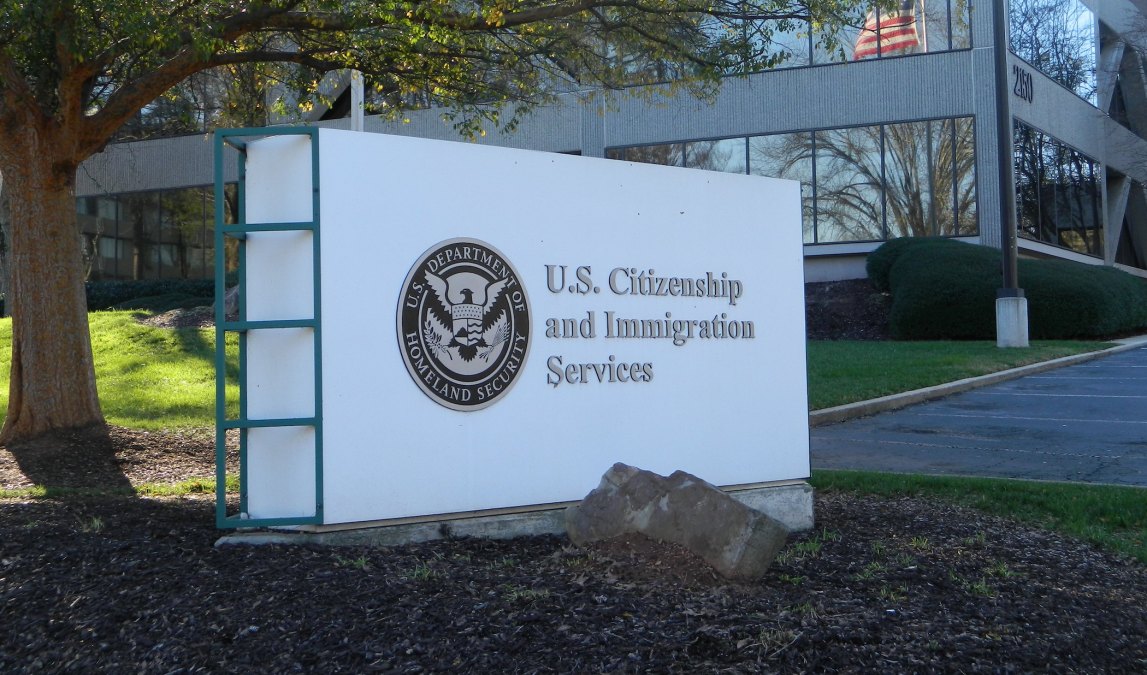
This 40-case action is described as part of a broader administration review that has targeted at least 300 naturalized citizens for possible denaturalization.
That larger review matters because it signals an effort that reaches beyond a single set of cases, with the government looking at a wider pool of naturalized citizens for potential denaturalization actions.
Why the numbers matter
The draft announcement describes the 40-person action as the largest denaturalization effort in recent history. It also says previous administrations averaged about 15 denaturalization cases per year.
Put together, those figures draw a contrast between denaturalization as a relatively uncommon tool and denaturalization as a more visible enforcement strategy.
What Blanche said
Attorney General Todd Blanche described the targets as people who “hid critical facts” and as “serious criminal offenders,” and he said the department would keep using denaturalization to protect national security.
The civics question
These cases also bring a civics question into focus: what does citizenship feel like if a grant of citizenship can later be reopened in court based on alleged fraud in the original application?
The Justice Department’s stated approach ties denaturalization to the integrity of the naturalization process, while the court process will determine whether the government can meet its burden in these cases.