
Citizenship feels permanent because we talk about it like a destination. You naturalize, you take the oath, you become an American, full stop.
But in a small corner of federal law, citizenship can be taken back. Not casually and not by paperwork whim. Still, it can be taken back.
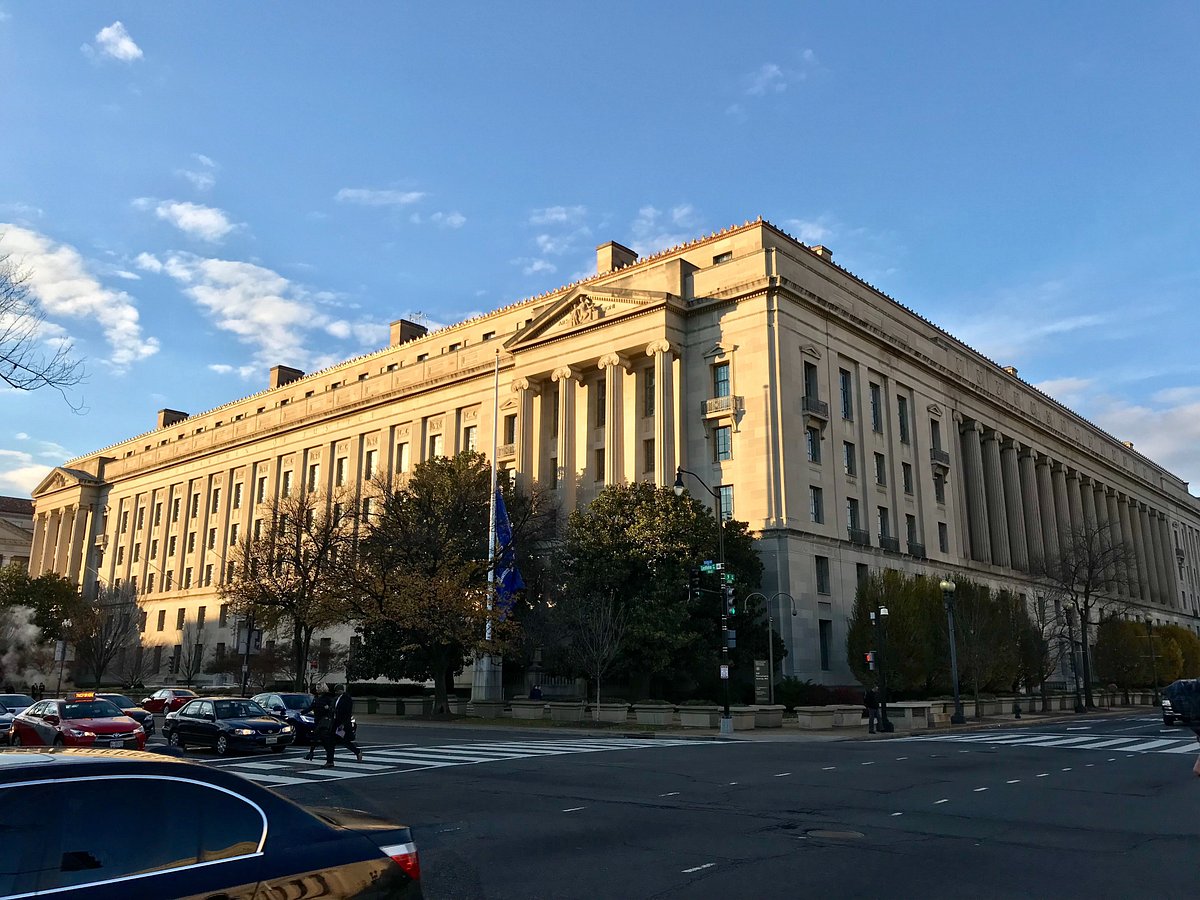
The Department of Justice is moving to revoke the citizenship of 40 foreign-born Americans. The 40 cases are the latest wave inside a broader denaturalization effort launched in April 2026, after an internal push to increase the number of potential cases sent to the Justice Department.
Join the Discussion
The 40 cases in context

The number here is 40, but the effort behind it is larger.
A sweeping review initiated in April 2026 began with a task force goal of identifying 384 people for denaturalization. Internal directives within the Department of Homeland Security aimed to supply the Justice Department a rolling flow of 100 to 200 potential denaturalization cases per month.
How the effort is scaled
For years, civil denaturalization cases were typically handled by specialized civil litigators based in Washington. The new approach spreads the workload outward.
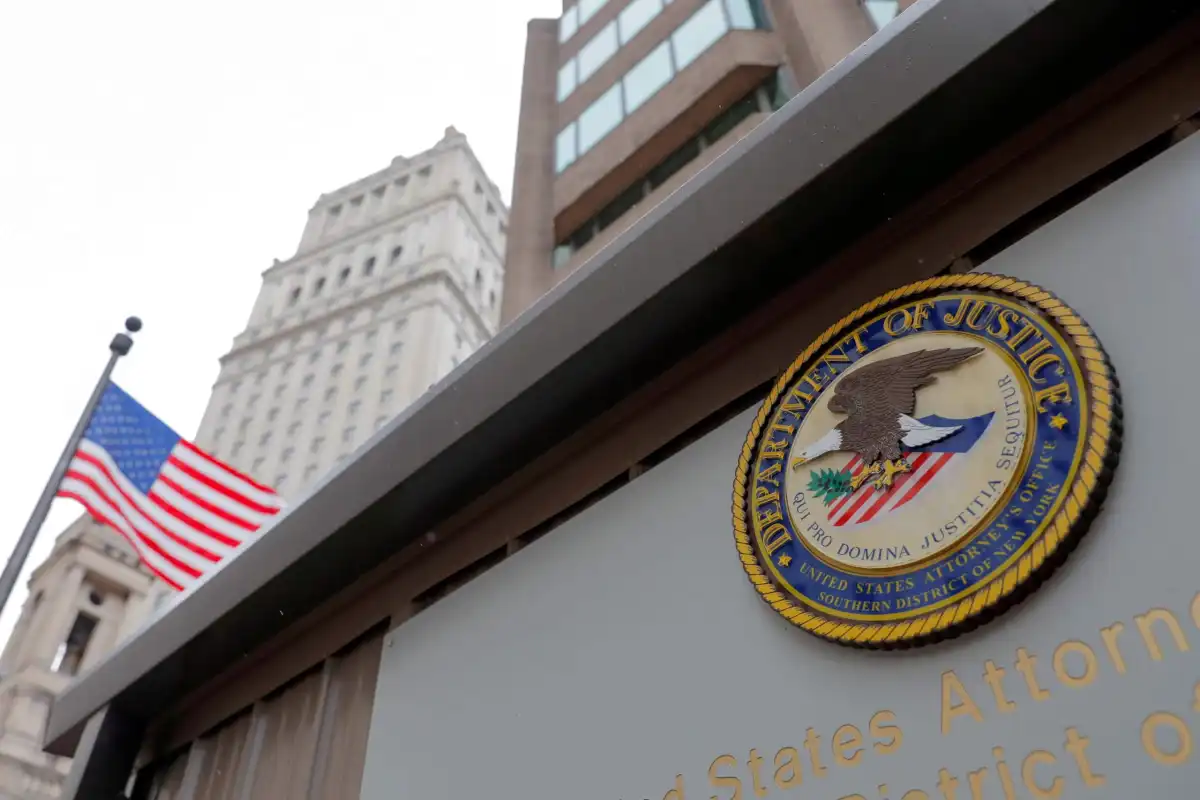
To accelerate the process, the administration decentralized denaturalization operations, assigning civil litigators across 39 regional U.S. attorney's offices to bring denaturalization complaints in federal court.
This kind of structural change rarely makes public waves. But it matters because it changes how quickly cases can be filed and how widely the work is distributed.
The 2026 filing waves

The current set of 40 pending cases builds on earlier high-volume waves filed throughout 2026:
- June 2026: DOJ moved to strip citizenship from 17 naturalized citizens.
- July 2026: Actions were filed against 10 people for offenses ranging from drug trafficking to healthcare fraud.
- August 2026: DOJ filed a record 25 denaturalization cases, targeting individuals accused of serious violent conduct, including attempted murder.
Read together, the pattern is less about one month and more about sustained filing volume over several months.
Why denaturalization is pursued

Denaturalization is not only about revisiting a past grant of citizenship. It is often a step toward something final.
A Congressional Research Service report states that the Justice Department generally does not expend resources on civil denaturalization actions unless the ultimate goal is physical removal, meaning deportation.
That framing changes how you should think about these cases. They are not only about whether paperwork was wrong. They are also about whether a person can be expelled after already being admitted to full membership.
The Supreme Court limit

The administration is pursuing some denaturalization cases based on facts that are decades old. That timing puts pressure on the core legal question these cases raise: is the government correcting an unlawful grant of citizenship, or relitigating a past misstatement that did not change eligibility?
Under U.S. Supreme Court precedent, the government cannot strip citizenship merely by showing that an applicant lied or left something out. Prosecutors must prove materiality.
Materiality is the requirement that the misstatement or omission would have legally disqualified the person from obtaining citizenship at the time. In other words, the error has to connect to eligibility, not just truthfulness in the abstract.
As a way of thinking about the boundary the Court draws, you can frame it like this:
- Citizenship as character judgment, where the focus is whether the applicant was dishonest.
- Citizenship as legal status, where the focus is whether the person was eligible under the law as it existed at the time.
The materiality requirement leans into the second frame. It does not make denaturalization impossible. It narrows when the tool can be used.
The civic question
Whenever denaturalization surges, the public debate tends to split into two impulses: accountability for fraud and a belief that citizenship should be secure.
Federal law holds both ideas at once. The government has a path to unwind citizenship that was unlawfully granted. But the Supreme Court has required more than pointing to a falsehood and calling it fraud. The government must prove the falsehood actually mattered under the eligibility rules that applied at the time.
Now layer that onto the numbers: a review launched in April 2026, an initial target of 384, an internal ambition of 100 to 200 potential cases per month, and decentralized filings across 39 U.S. attorney's offices. The question is not whether denaturalization exists. It does. The question is what it means when a power designed for narrow use is reorganized to run at higher volume.
What to watch
If you want to track these cases with clear eyes, watch three things:
- Volume: Whether the goal of 100 to 200 potential cases per month becomes regular practice.
- Venue: How the shift to 39 regional offices affects consistency, discretion, and outcomes across districts.
- Materiality fights: Whether courts accept the government's theory that an older misstatement would have barred citizenship under the rules in place at the time.
In practice, the Supreme Court's materiality rule is the key guardrail described in these cases. It demands a tight connection between the alleged misstatement and legal eligibility, not just proof that someone lied.