
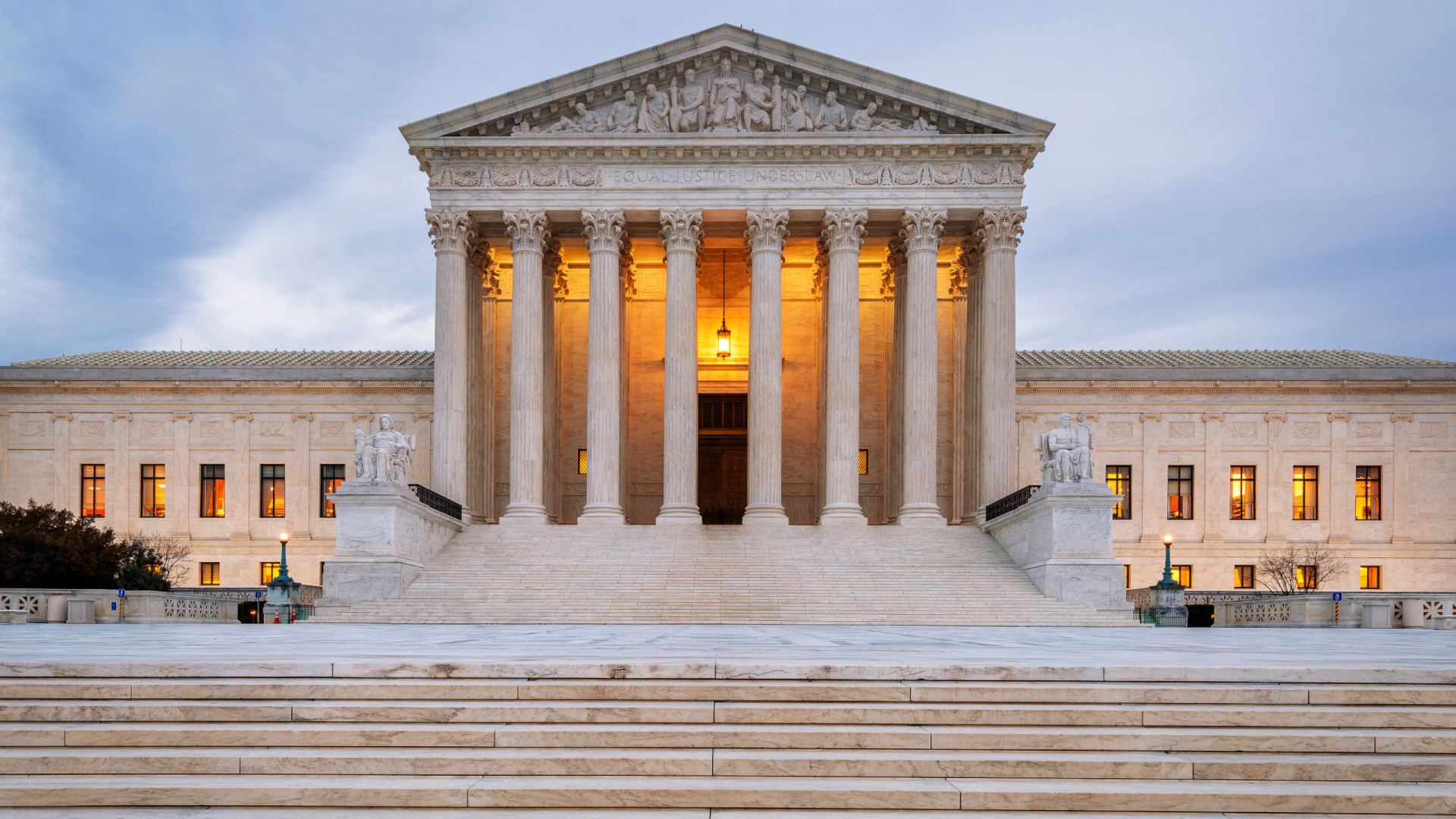
The Supreme Court has stepped in, but in a quieter way than many people expect. Instead of issuing a sweeping ruling about mail-in voting, the justices refused to pause a lower-court order that blocks parts of new U.S. Postal Service rules for handling election ballots through the mail before the 2026 midterms.
If you are wondering why a decision that sounds procedural can still shape real-world voting, you are asking the right question. This is a story about timing, emergency requests, and the long-running tug-of-war over who gets to set election procedures in the first place.
Join the Discussion
What the Court did
The federal government asked the Supreme Court for an emergency stay. In plain terms, that is a request for the Court to hit “pause” on a lower-court order while the case continues. The justices declined, which means the lower court’s order stays in place for now.
The majority also found the Trump administration unlikely to succeed on the merits at this stage.
What the lower court ordered
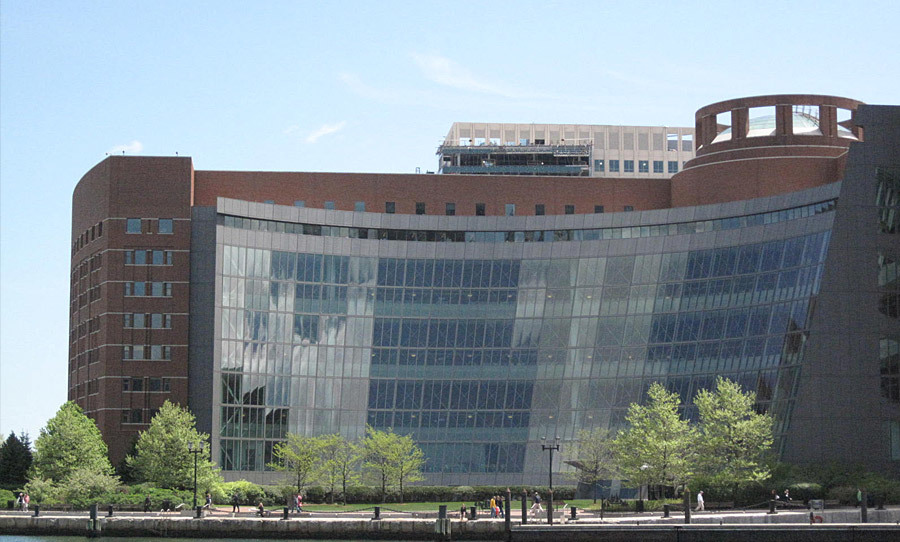
A coalition of 23 states and the District of Columbia sued after the Postal Service finalized its new rule. They argued the Postal Service exceeded its authority and inserted itself into federal elections.
U.S. District Judge Indira Talwani in Massachusetts issued a temporary restraining order stopping several provisions from taking effect for the upcoming midterms. She determined the plaintiffs were likely to succeed on the merits and face irreparable harm, and she concluded the balance of harms and the public interest warranted the temporary restraining order.
Justice Samuel Alito, in dissent, described the remedy as a “universal injunction” that bars implementation of a final rule concerning election ballot mail. Whatever label you use, the practical result is the same right now: key parts of the rule are on hold.
The USPS provisions on hold
Judge Talwani blocked the following parts of the Domestic Mail Manual (DMM), as specified by the court:
- DMM Section 705.24.3.1, to the extent that the section makes Ballot Mail Envelope Standards mandatory
- DMM Section 705.24.3.2, to the extent that the section makes Return Federal Ballot Mail Envelope Standards mandatory
- DMM Section 705.24.4.1, to the extent that the section makes Postal Service Federal Ballot Mail Portal registration mandatory
- DMM Section 705.24.4.2, to the extent that the section makes voter enrollment in the Postal Service Federal Ballot Mail Portal mandatory
- DMM Section 705.24.5.1
- The first two sentences of DMM Section 705.24.5.2
- DMM Section 705.24.5.3(a), (b), (c)
In other words, the court stopped the rule’s mandatory envelope standards and its mandatory portal registration and voter enrollment pieces, plus the additional DMM provisions listed above, from being imposed for the 2026 midterms.
Why timing mattered
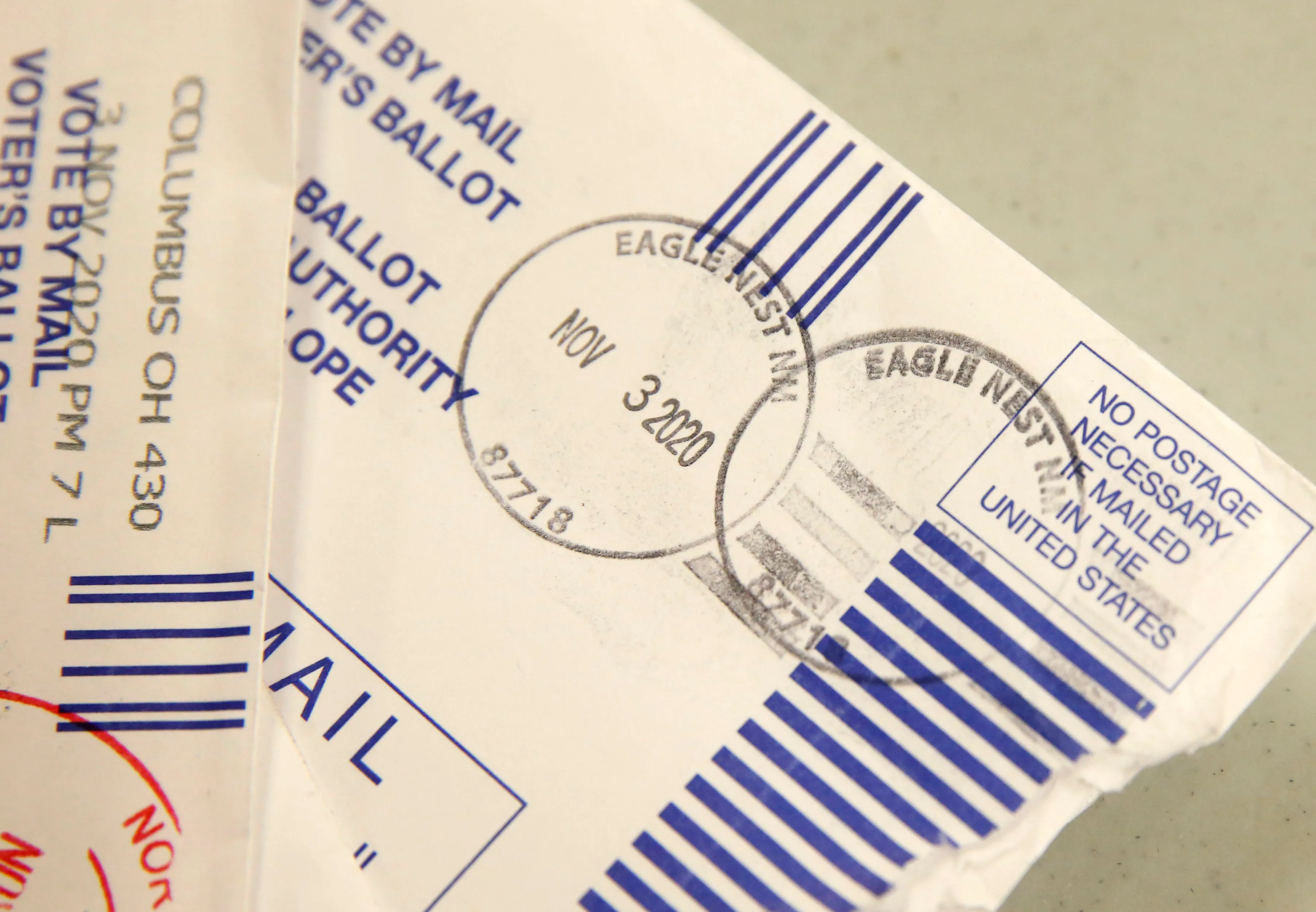
Election administration is a large logistics project. It involves ballot design, printer deadlines, envelope procurement, voter instructions, staff training, vendor contracts, and coordination between local election offices and mail operations. Even small rule changes can ripple outward.
Justice Brett Kavanaugh pointed directly at that practical reality. He wrote:
But applying the rule in the 2026 elections would be arbitrary and capricious in violation of the Administrative Procedure Act because state and local election officials do not have sufficient time to reasonably implement the rule before the elections.
That sentence is doing a lot of work. It signals that, at least for this election, the Court was not persuaded that late-breaking administrative changes should be imposed on the people who must carry them out.
The high bar for emergency relief
When the Supreme Court is asked for emergency relief, it is not just deciding whether a policy is wise. The Court is deciding whether it should intervene quickly, on an incomplete record, often with tight deadlines and high stakes.
While the exact phrasing varies across cases, the basic idea is consistent: the applicant must show a strong likelihood of winning later and must show that letting the lower-court order stand would cause serious, irreparable harm that cannot be fixed after the fact.
Here, the Court declined to grant that kind of emergency intervention, leaving the temporary restraining order in place for now.
The dissent
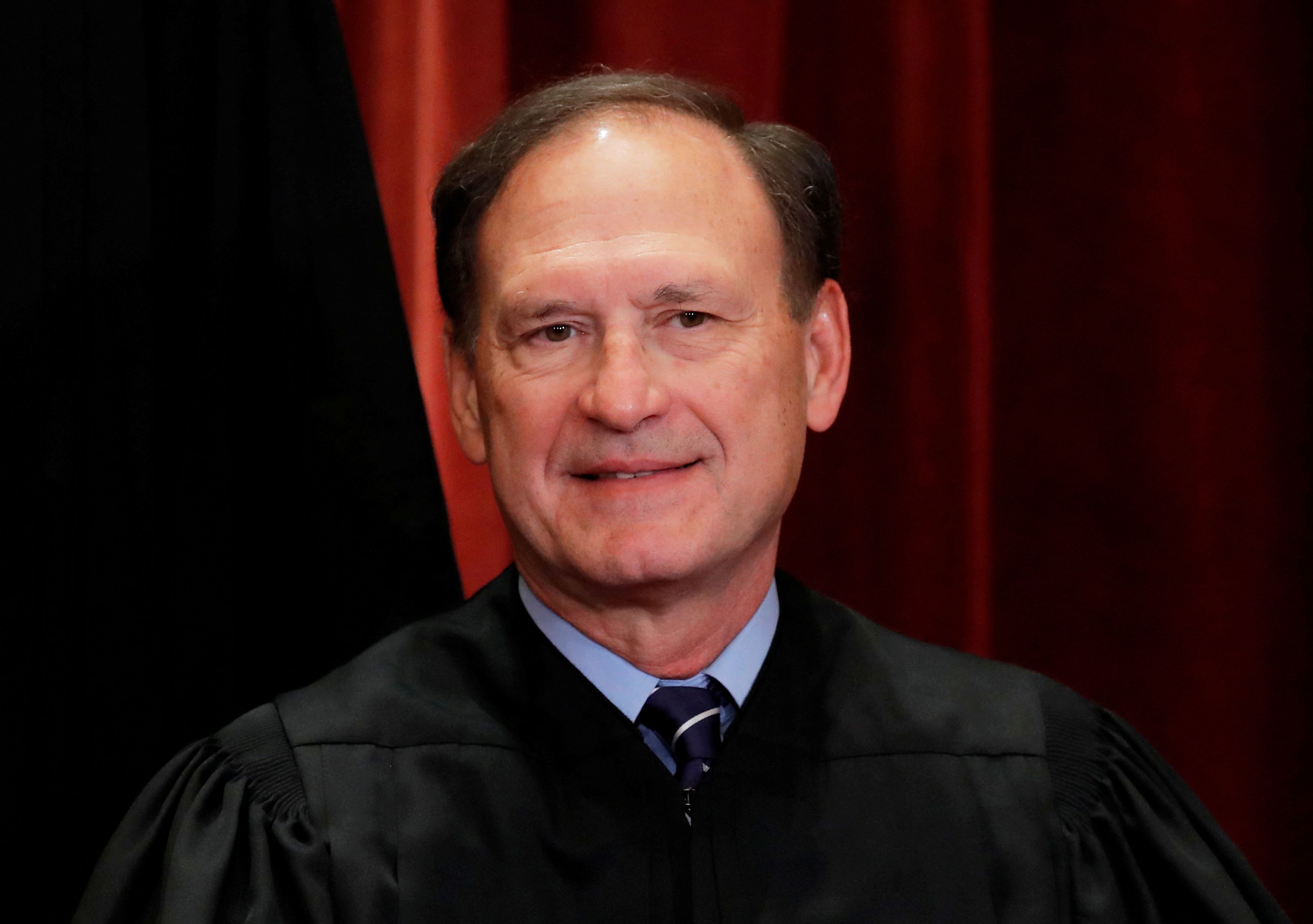
Justices Samuel Alito and Clarence Thomas dissented. Their dissent highlights recurring fault lines in election and administrative-law disputes: who has the right to sue, how far a judge’s remedy should reach, and what kinds of agency actions can be reviewed under the Administrative Procedure Act (APA).
Justice Alito wrote:
The Court incorrectly denies the Government’s application for a stay of a universal injunction that bars implementation of a final rule concerning election ballot mail.
He also argued:
Some of the plaintiffs lack standing, while the remainder are pursuing a claim that this Court has recently called a ‘Hail Mary pass’ that ‘rarely succeeds.’
On the APA point, the dissent took the position that the underlying statutory challenge should not be reviewed through the APA framework. As Justice Alito put it:
It is a challenge to the scope of the Postal Service’s general rulemaking authority and therefore exempt from the APA.
Where Trump fits in
Trump has said the restrictions are needed to fight against fraud.
Who sets the rules
This dispute also taps into a basic civics question: which institutions control the mechanics of voting?
- States run most election administration, including the details of absentee and mail voting, under state law.
- Congress can set certain nationwide rules for federal elections, and it has constitutional power to alter state regulations for congressional elections.
- Federal agencies, like the Postal Service, have authority over their own operations and mail policies. But when operational rules effectively reshape election administration on a tight schedule, they can collide with state systems and invite litigation.
- Federal courts do not run elections, but they police the boundaries. They decide whether the executive branch followed the law and whether a rule can take effect when it would cause unlawful disruption.
The Supreme Court’s refusal to grant an emergency stay does not settle the full “who decides” debate. But it reinforces a practical limit: major changes that require states and localities to retool procedures cannot be casually dropped into place right before voters head to the polls.
What this means next
For the 2026 midterms, the immediate takeaway is straightforward: the blocked portions of the Postal Service rule are not coming online in time, absent additional court action.
For the longer term, the more interesting signal is about election-law timing. Courts are often reluctant to force operational overhauls when election administrators are already deep into planning. That does not mean every late change is unconstitutional. It means that, as a matter of equitable relief and administrative law, rushed implementation can be a legal vulnerability all its own.
It also underscores why emergency applications to the Supreme Court are so hard to win. The Court is not eager to manage elections from the top down in real time, especially when the request would require rapid decisions with systemwide consequences.
Quick answers
Does this mean the Supreme Court is for or against mail-in voting?
No. This is better understood as a timing and administrative-law decision about whether a new rule can be imposed for this election.
Is the rule gone forever?
Not necessarily. The case can continue through the normal appeals process. A different timeline or a different set of findings could lead to different outcomes later.
What should voters do right now?
For most people, the practical step is the same as always: follow your state and local election office’s guidance for deadlines, signature requirements, and ballot return options. Those rules, not federal emergency litigation, are what you will interact with on Election Day and in the weeks before it.