
The U.S. Constitution
Archival records, profiles, and educational resources since 1995.
A “Permanent” Greenland Security Deal and the U.S. Constitution
You can almost hear the constitutional gears grinding when a headline claims the United States has signed an “Infinite Life” agreement for “permanent control over security, and all other needs, in Greenland” at “no cost,” along with a veto over foreign bases and “sensitive investments.” Even if a...
Read more →
Can Noncitizens Vote in Federal Elections? What the Indianapolis Case Shows About Voting Law
Every election cycle produces a familiar question that sounds simple until you ask the Constitution to answer it: can noncitizens vote in federal elections? Today’s version of that question is tied to a concrete case. In August 2024, federal authorities publicly announced the arrest of Helda...
Read more →
Why the House Can End Early, and What It Means for an Impeachment Vote
The House of Representatives has the Constitution’s “sole Power of Impeachment.” But the Constitution does not tell the House how to schedule that power, how quickly to use it, or what happens when members clash over whether an impeachment question must come to the floor. That gap is where today’s...
Read more →
Can Federal Judges Coordinate Immigration Cases? What the Constitution Allows
When a surge of immigration-related filings hits a federal district court, judges face a practical problem: dozens or hundreds of emergency petitions can arrive at once, raising overlapping legal questions on tight timelines. That is the context for a recent controversy in Minnesota. Sahan Journal...
Read more →
What Are the Limits on ICE? Constitutional Rights in Immigration Enforcement
When people say immigration enforcement has “crossed the line,” they usually mean one of two things: agents entered places they should not have entered, or people were detained in ways that felt arbitrary, coercive, or impossible to challenge. Those concerns map onto two longstanding constitutional...
Read more →
Who Decides War With Iran?
You can feel the question underneath the headlines: if a president escalates military action against Iran, who is supposed to be in charge of the decision? The Constitution gives you a frustratingly American answer: both branches , in different ways, at different moments, with different tools. The...
Read more →
Do Data Centers Raise Your Electric Bill?
Data centers are the physical backbone of modern life. They store your photos, run your streaming, process card payments, train AI models, and keep cloud services online. They also use a lot of electricity, and not just for servers. The cooling systems can be just as power-hungry. So the...
Read more →
Election Fraud Cases, Noncitizen Voting, and What the Law Actually Says
Whenever a cluster of election fraud cases hits the news, the public reaction tends to split in two directions. One side hears “proof the system is rigged,” the other hears “nothing to see here.” The law is less emotional and much more specific. “Election fraud” is an umbrella term for different...
Read more →
Can Congress Block the Israel Bomb Transfer?
When a headline says a president wants to move billions of dollars in heavy bombs to a foreign ally, the obvious civic question is simple: can Congress stop it? In this case, press accounts have described a package valued at about $2.8 billion that includes 2,000-pound-class munitions for Israel....
Read more →
Public Charge, Green Cards, and Medicaid: What the Rule Really Does
The phrase public charge sounds like something you might hear in a political argument. In immigration law, it is something much more specific: a century-old admissibility concept that lets the federal government deny admission or lawful permanent residence (a green card) to certain noncitizens who...
Read more →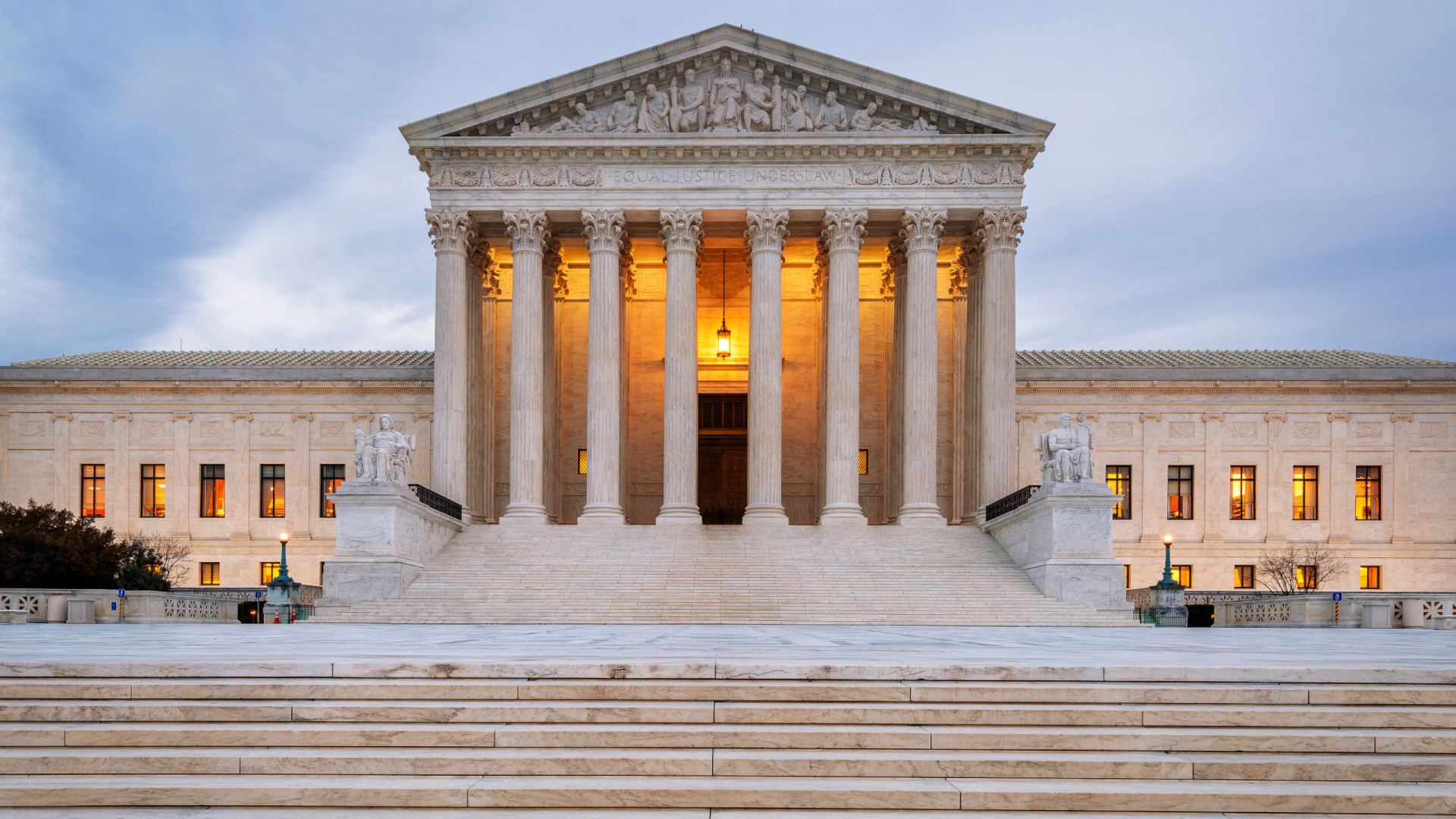
SCOTUS Blocks Trump’s Mail-Ballot Rule Before Midterms
The Supreme Court has stepped in, but in a quieter way than many people expect. Instead of issuing a sweeping ruling about mail-in voting, the justices refused to pause a lower-court order that blocks parts of new U.S. Postal Service rules for handling election ballots through the mail before the...
Read more →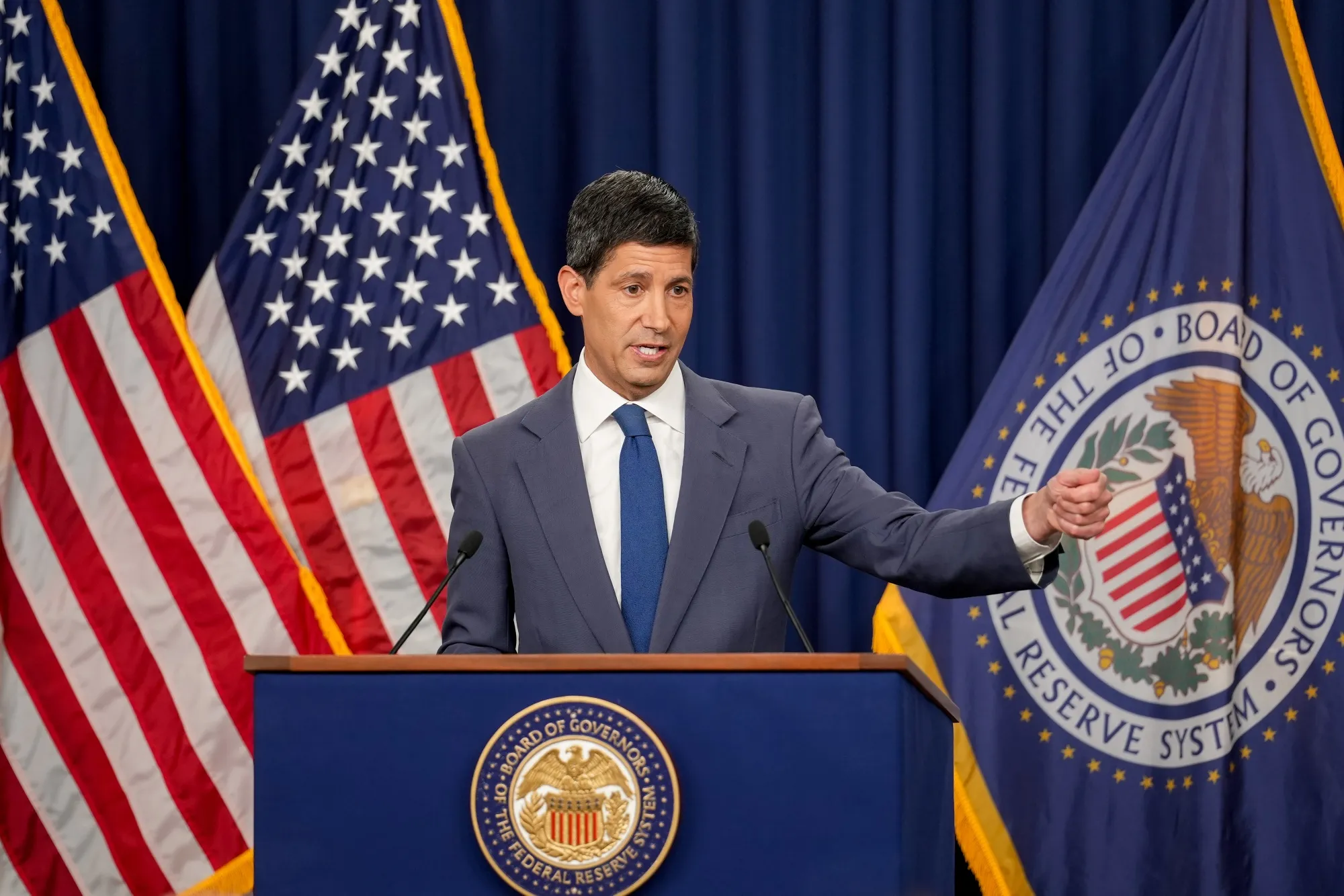
The Fed Blinks: Rates Up a Quarter Point
The Federal Reserve just did something it has not done in three years: it raised interest rates. Not by a dramatic half-point. Not by an emergency jolt. Just a quarter point, unanimously, moving its benchmark range to 3.75% to 4% from 3.5% to 3.75% . On paper, a quarter point can sound like a...
Read more →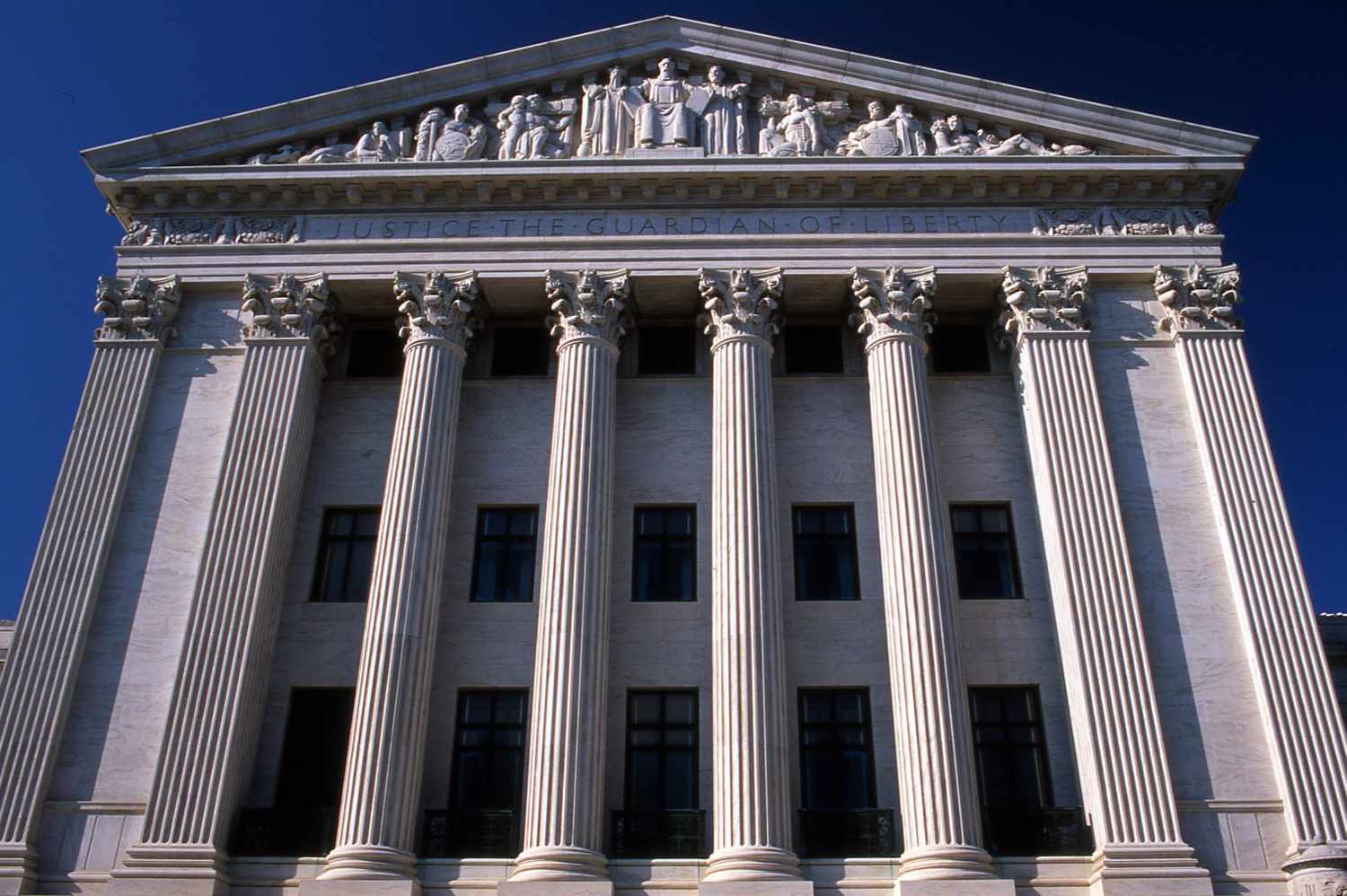
The Supreme Court Clerk “Cartel” Debate
Most Americans picture Supreme Court power as nine robed justices, isolated from politics, deciding cases by pure legal reasoning. That is the civics-book version. The working reality is more practical. The Court is a small institution, and it relies heavily on a small group of law clerks in each...
Read more →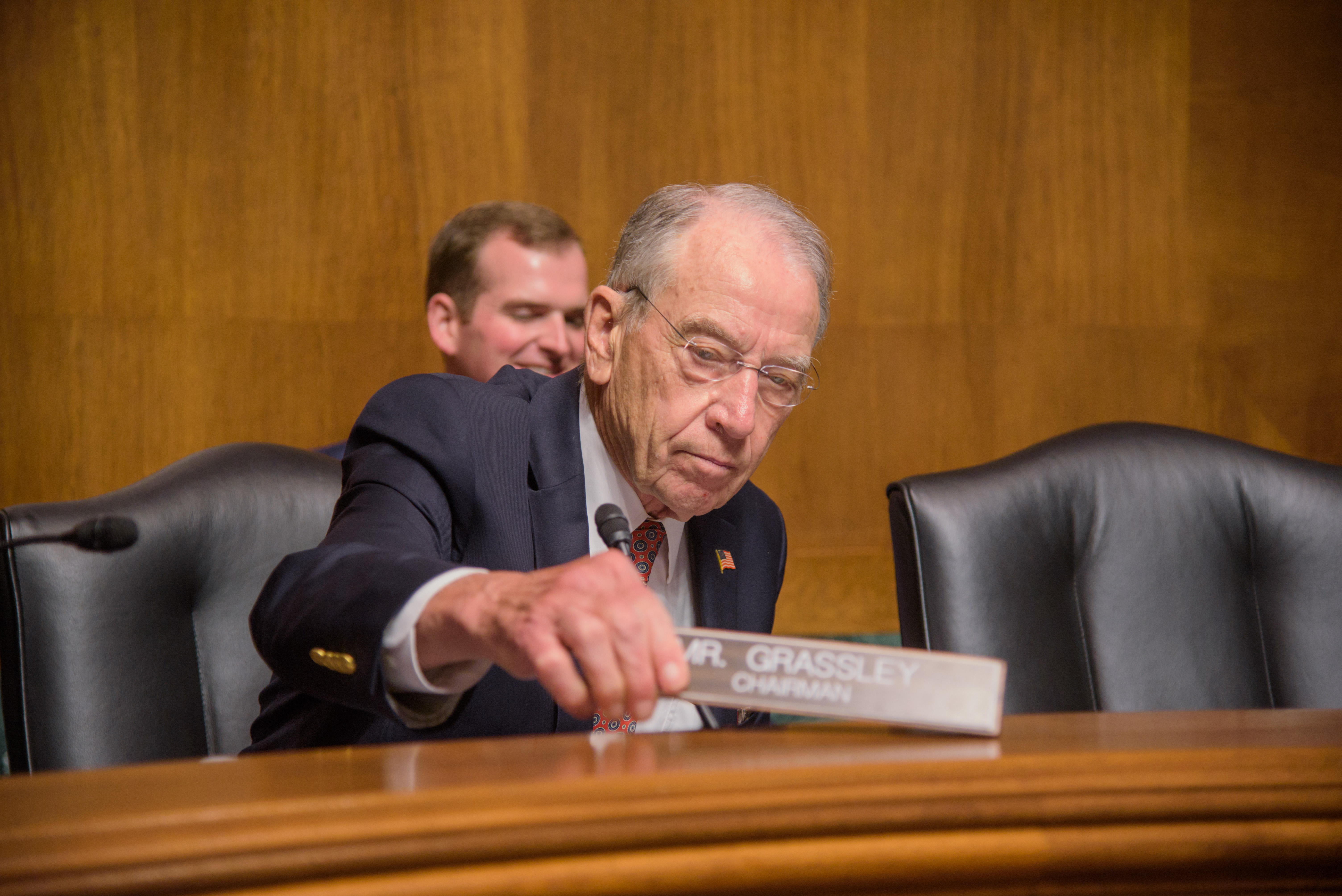
Grassley Emails Raise New Questions About FBI Case-Picking and Musk
Sen. Chuck Grassley has released a new batch of unclassified FBI emails tied to the Crossfire Hurricane era, and one detail is already drawing attention: a former FBI special agent’s written push to open a criminal investigation into Elon Musk connected to Musk’s activities while overseeing the...
Read more →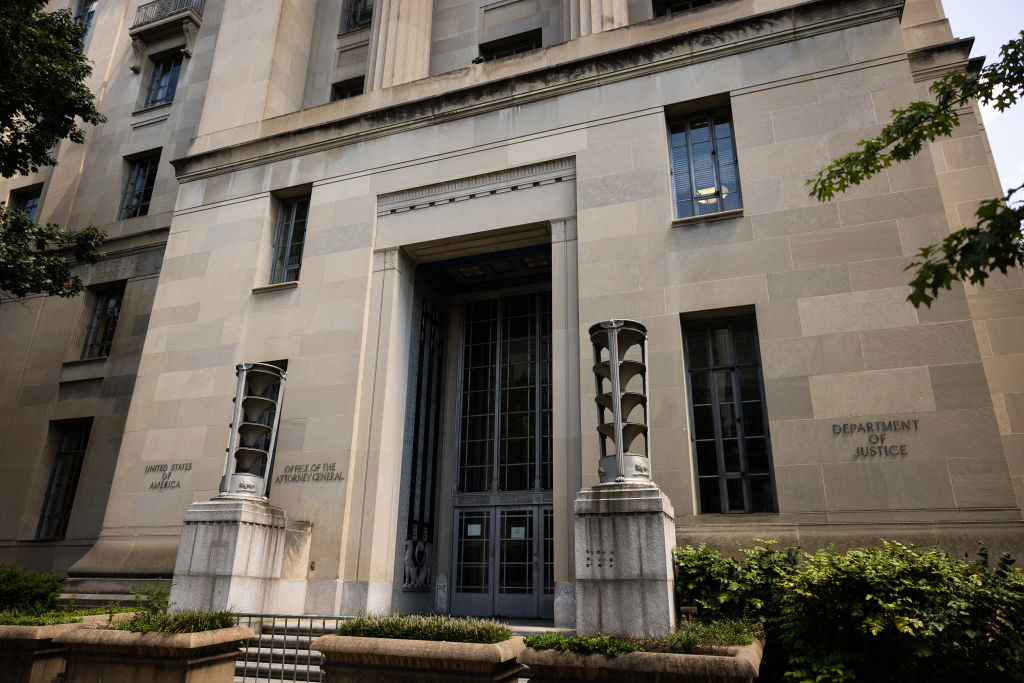
When a Judge Refers a DA to the DOJ
When a federal judge “refers” someone to the U.S. Department of Justice for possible criminal investigation, it can sound like a legal thunderclap. In practice, it is closer to a formal, documented nudge: the court is telling federal prosecutors, in writing, that something in the record may warrant...
Read more →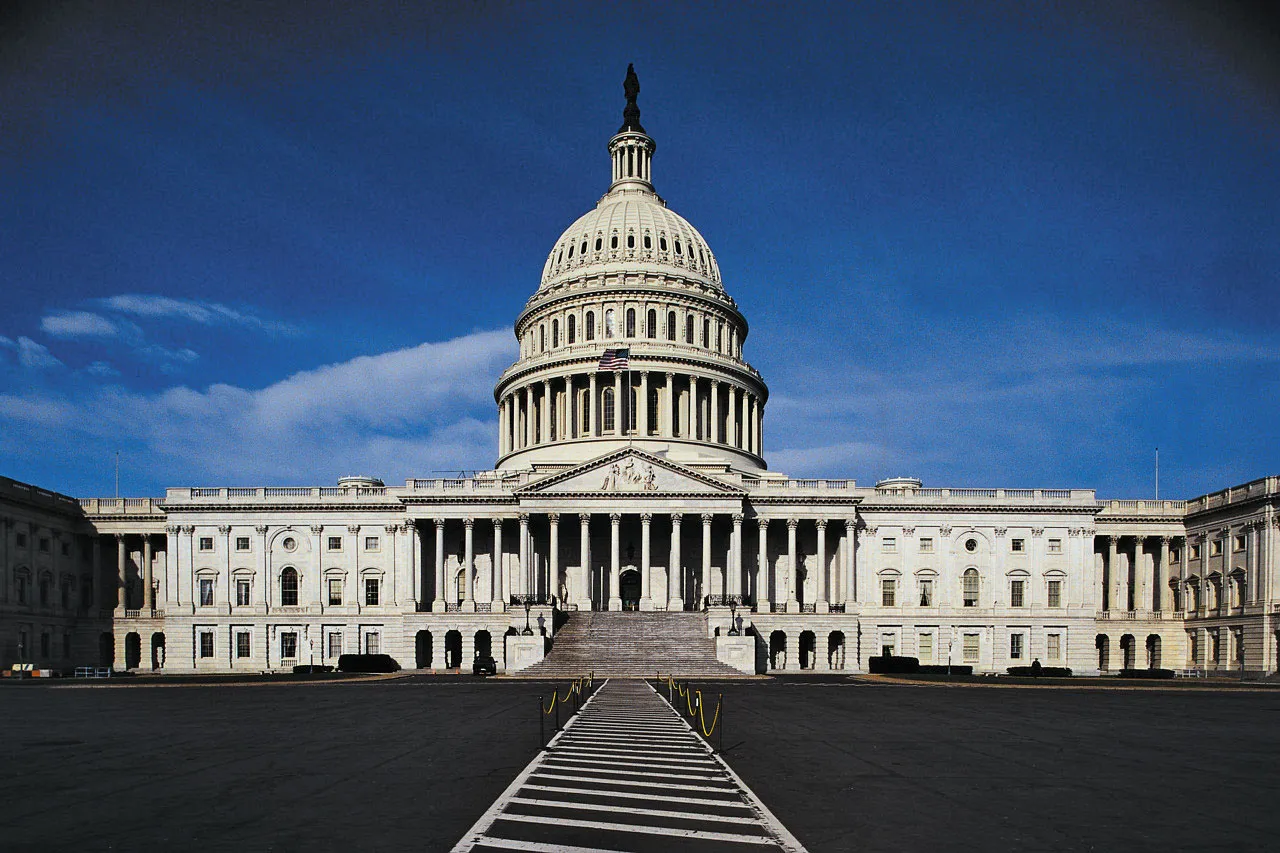
How House Impeachment Votes Work: What a “Present” Vote Means and Why Efforts Can Fail
“Impeachment” sounds like a single dramatic act, like a gavel falling and the country flips to a new chapter. In reality, it is a process with multiple off ramps. And one of the most confusing details is also one of the most ordinary: a member voting “present.” That confusion is why impeachment...
Read more →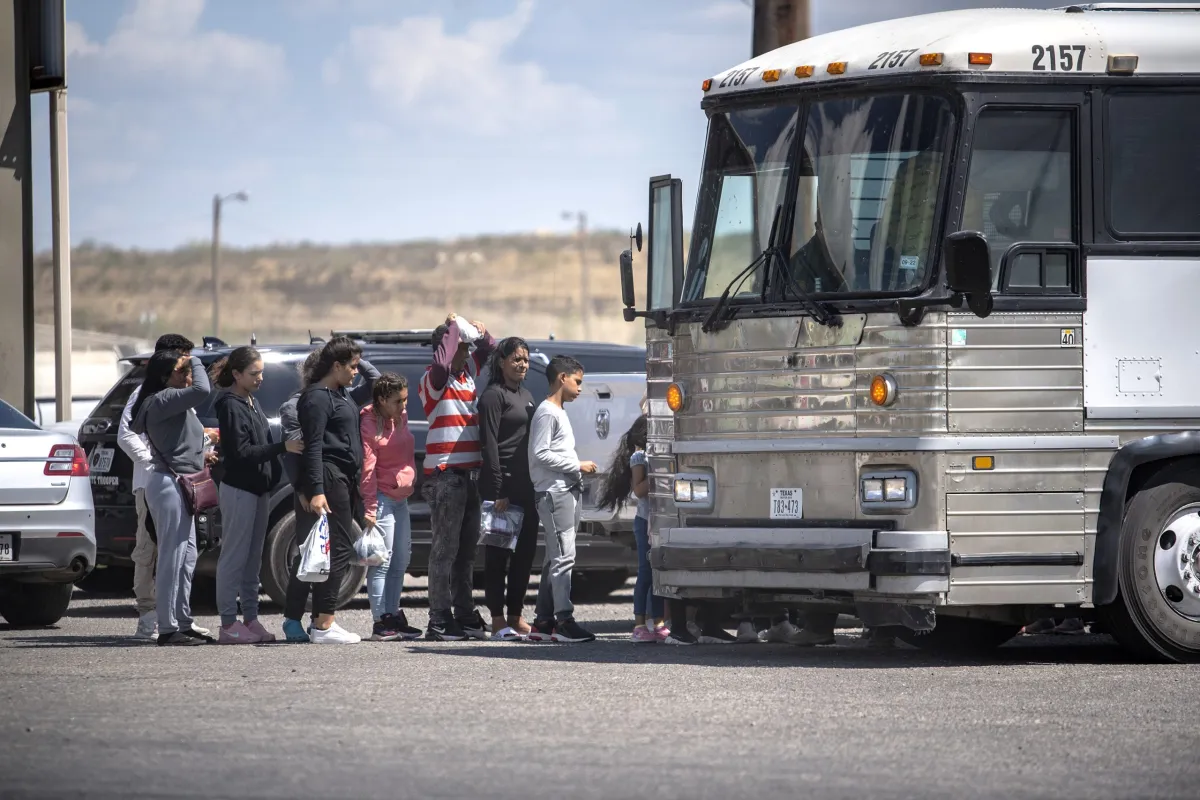
What ‘Zero Releases’ at the Border Means
When a headline claims DHS has achieved “zero releases at the border,” most people hear one of two things: either no one is crossing anymore , or everyone who is caught is being detained until deported . Neither interpretation is reliably true. “Zero releases” is not a single term defined in the...
Read more →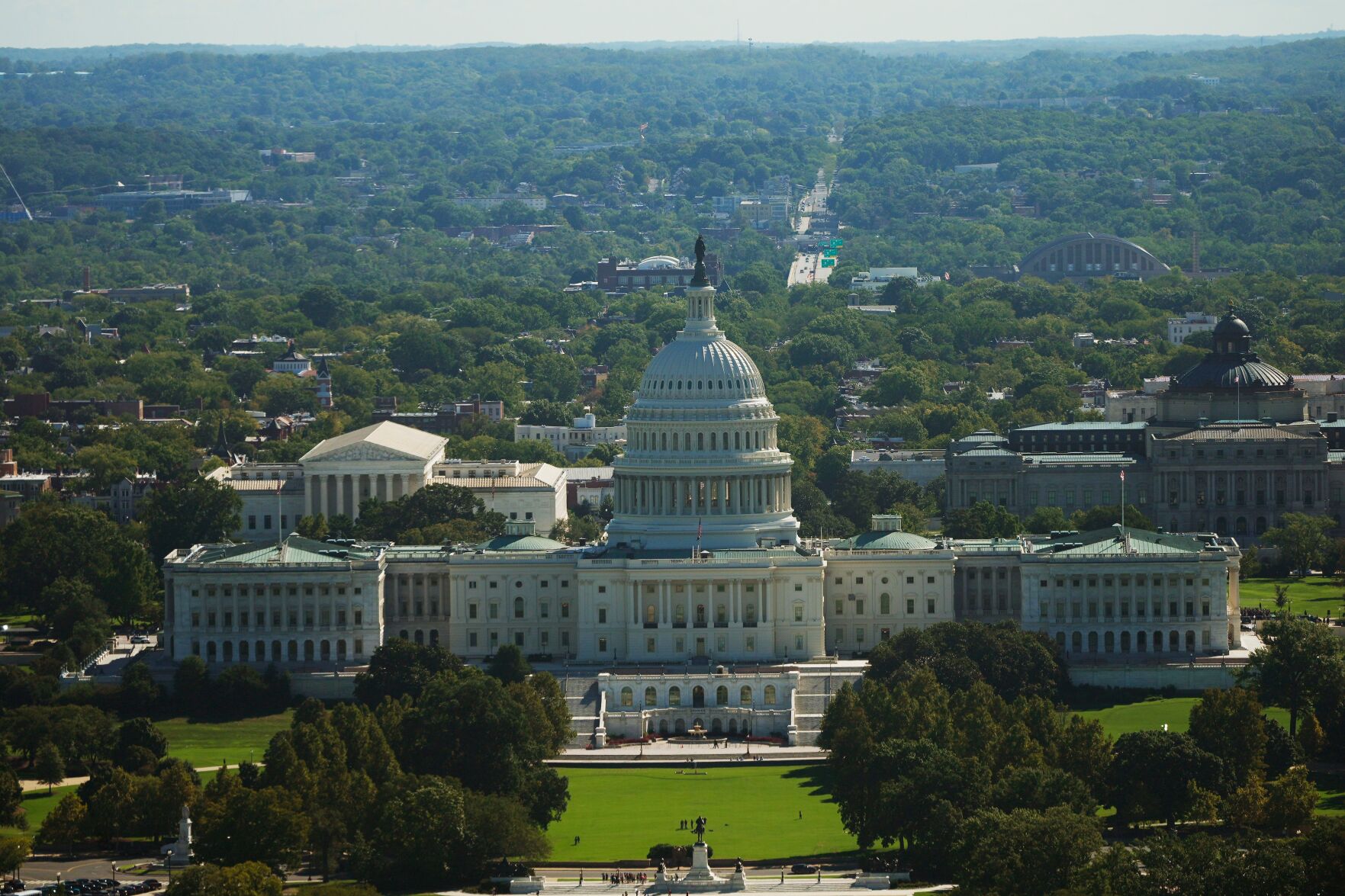
Can the President Keep Using Force in Iran Without Congress?
The Constitution is fairly clear about who holds the core powers that authorize war, and much less explicit about who gets to run a modern military campaign once force begins. That tension is why each new flare-up involving Iran triggers the same question: can a president keep using military force...
Read more →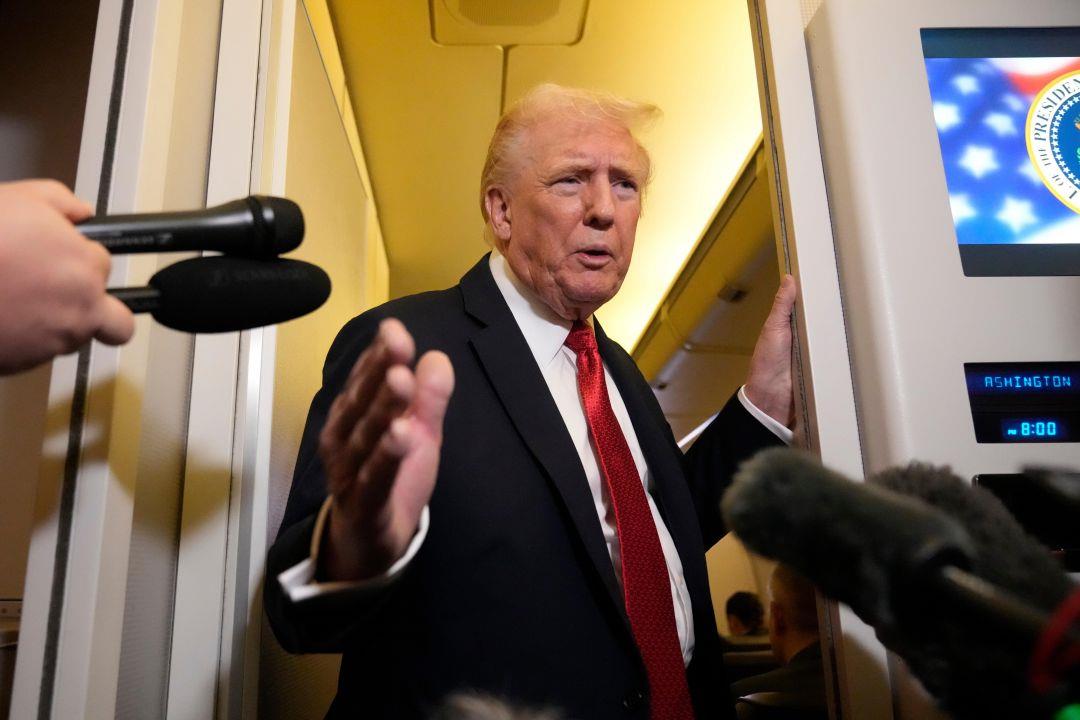
Trump, Flock Cameras, and the New License-Plate Panopticon
President Donald Trump has signaled he is comfortable with a rapidly expanding form of public surveillance: automated license plate readers, often called ALPRs. Asked about the cameras made popular by companies like Flock Safety, Trump told reporters, “I sort of like them because of that, because...
Read more →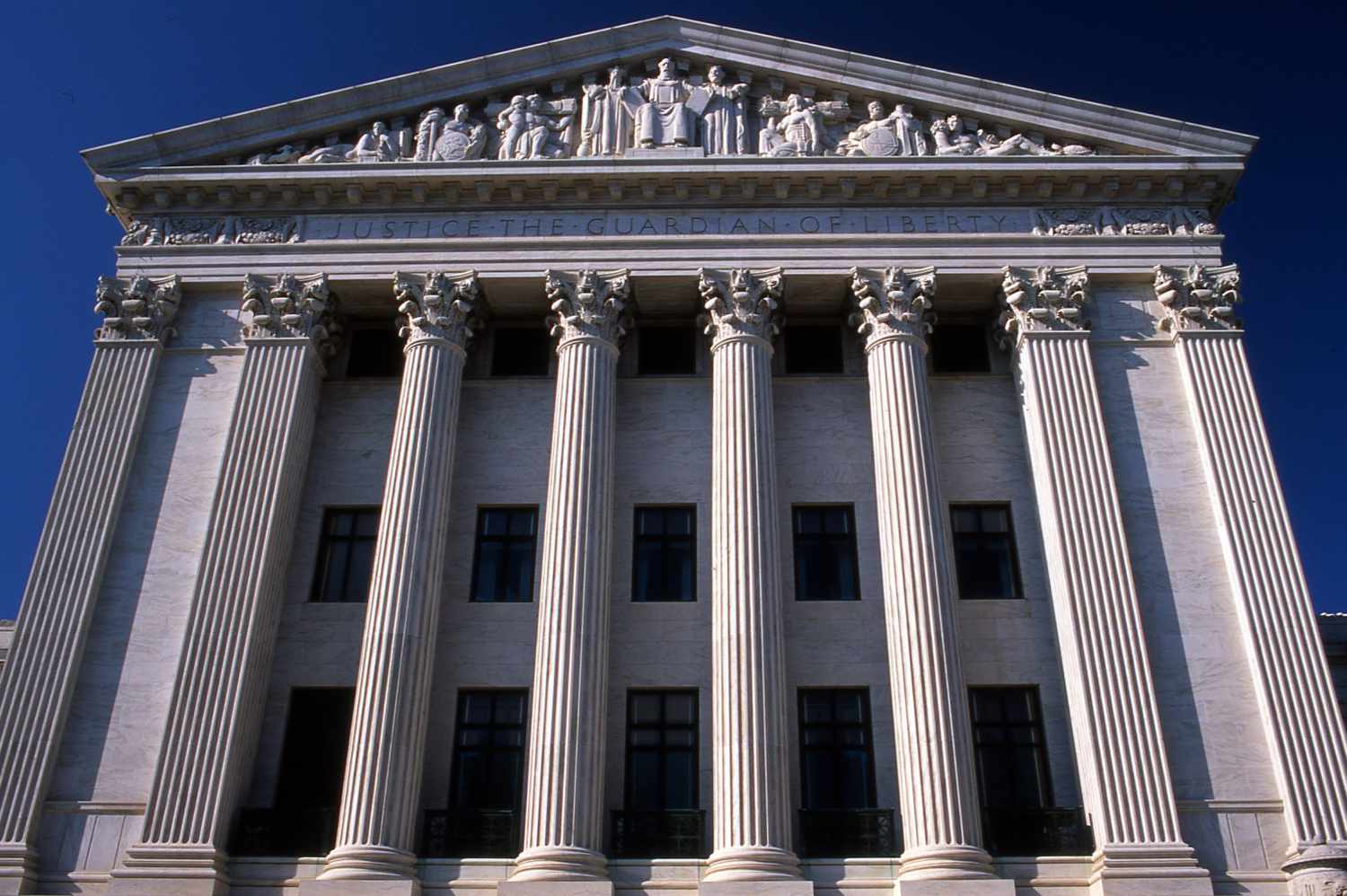
Buttigieg and Court-Packing: A Partisan Fix or a Constitutional Reset?
Pete Buttigieg has put a once-fringe idea back in the center of the Democratic conversation: expanding the Supreme Court. His basic claim is blunt. The Court has become, in his words, a “nakedly partisan institution.” And his proposed cure is not subtle either: add six seats to the current nine....
Read more →