
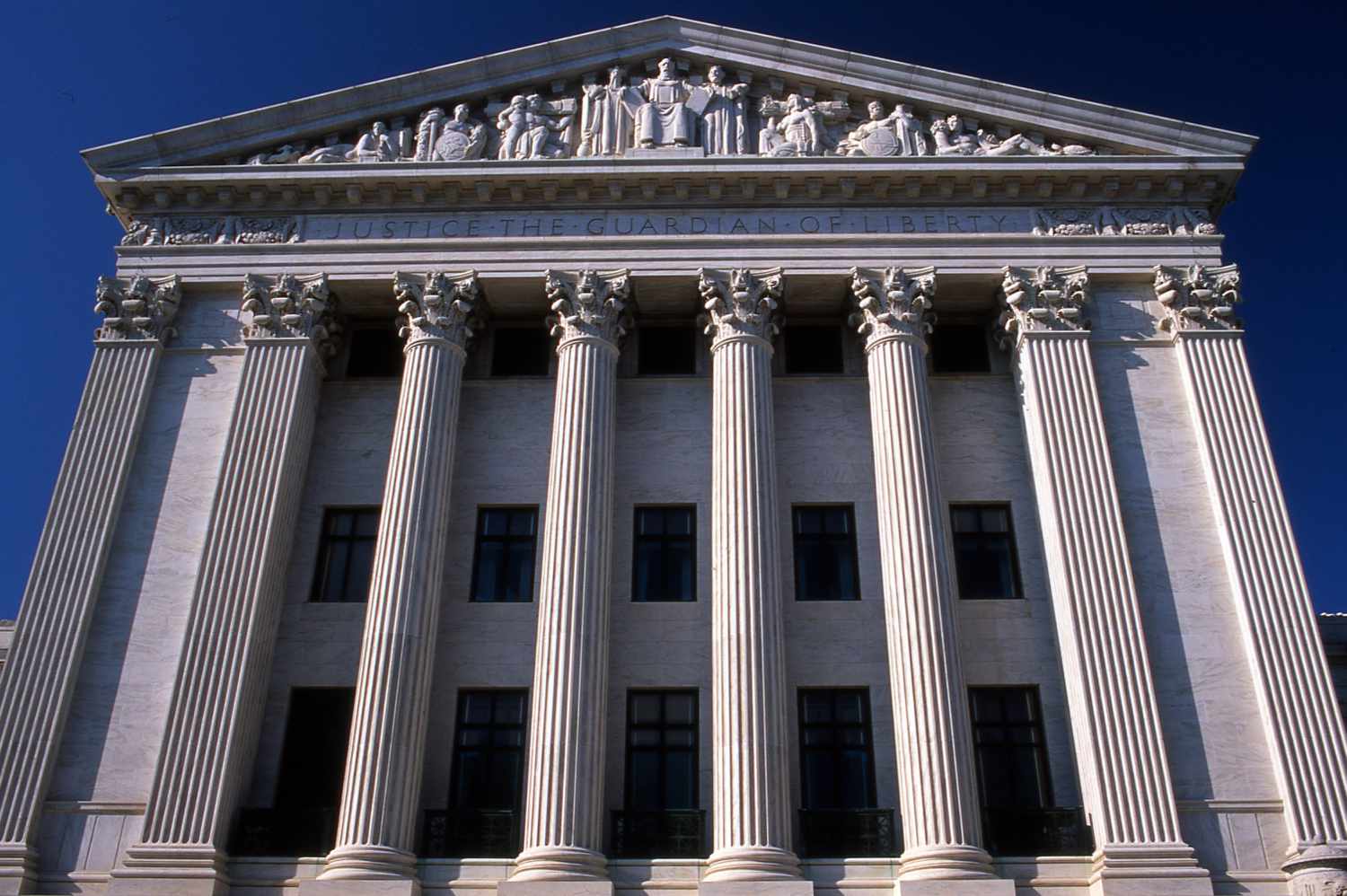
One of the quietest civic habits Americans have picked up in modern life is this: when a constitutional question gets hard, we treat it like a problem we must ship to Washington and hand to nine people in black robes.
Sometimes that habit feels comforting. Courts speak in crisp sentences, issue a final judgment, and give us something to cite at dinner or in a classroom. It is understandable to want a single, authoritative answer when the stakes are high and the arguments are loud. Predictability and uniformity are not trivial things in a country this large.
But the comfort can come with a cost. When we act as if the Supreme Court owns the Constitution, we shrink the Constitution itself. We turn a public framework for self-government into something that can feel like a specialized product, available mainly through a small professional class.
The Constitution was not designed to work only one way. Not because judges are unimportant, and not because law is optional, but because constitutional meaning has long been treated by many Americans as a shared civic project, shaped by ordinary people, elected branches, states, movements, and yes, courts too.
Join the Discussion
Review vs. supremacy
Let’s start with a distinction that gets blurred constantly.
- Judicial review is the idea that courts can refuse to enforce laws that conflict with the Constitution in cases properly before them.
- Judicial supremacy is the larger claim that the Supreme Court’s interpretation binds everyone else, as the final and exclusive meaning of the Constitution for the whole nation.
Those are not the same thing. Judicial review answers a practical question: what does a court do when a constitutional rule and a statute collide in a lawsuit? Judicial supremacy makes a much bigger demand: that the other branches, and by extension the public, should treat the Court’s view as the Constitution itself.
Many people argue the Constitution’s structure does not read like a plan to give the judiciary a monopoly on constitutional meaning. It creates three branches, each with duties that can require constitutional judgment. Congress debates whether a bill fits within enumerated powers. Presidents decide whether to sign or veto legislation and how to carry out laws that raise constitutional concerns. State officials take the same oath. They are sworn to the Constitution itself, not to whatever a future majority of justices might say.
Public debate mattered
When I teach patrons how to evaluate information, I often say: pay attention to who you assume is allowed to speak. Constitutional interpretation works the same way.
For the better part of two centuries of U.S. history, the American people understood that they, and not the Supreme Court, were the final arbiters of the Constitution. Constitutional disputes were expected to be fought out in public life: in elections, party platforms, pamphlets, sermons, newspapers, petitions, and legislative debates. Courts were part of the story, but they were not the only stage where constitutional meaning was made.
That is one reason so many major constitutional shifts are hard to explain through Supreme Court opinions alone. Think about how constitutional understandings of federal power, labor rights, segregation, voting rights, and gender equality actually changed. In each case, the Court’s role mattered, but so did sustained public pressure and political conflict. The constitutional culture moved, and then doctrine moved with it, sometimes trailing, sometimes resisting, sometimes ratifying what the rest of the country had already forced into view.
Neutral umpire claims
The modern pitch for judicial supremacy usually leans on neutrality. The story goes like this: judges are not political; they are simply calling balls and strikes, so we should accept their decisions as the cleanest, least biased answer.
But legitimacy is not a magic cloak. It is something institutions earn through consistent, understandable methods and a public sense that the rules apply evenhandedly.
In recent years, many Americans have stopped believing the Court is operating as a neutral actor. You can see it in public opinion, in the anger that follows major rulings, and in the way people talk about confirmation battles. When the Court is perceived as political, judicial supremacy becomes a harder sell. If nine unelected officials are going to function as the nation’s final constitutional voice, the public will demand more than “trust us.”
That demand is not an attack on law. It is a reminder of what constitutional democracy requires: accountability, transparency, and a shared sense of ownership.
Who owns it
The honest answer is: all of us, and not in a feel-good poster sense.
The Constitution belongs to the people because the people created the government it authorizes. The text begins with “We the People” for a reason. That does not mean every interpretation is equally sound, or that expertise is worthless. It means constitutional meaning is not supposed to be fenced off from civic life.
If you want a practical way to think about it, try this library-style question: What are the “authorized users” of the Constitution? The answer is broader than the Supreme Court. It includes:
- Voters, who choose officials promising certain constitutional commitments.
- Legislators, who debate the scope of rights and powers before laws are ever challenged.
- Presidents and executive officials, who interpret the Constitution when enforcing laws and setting policy.
- State governments, which shape rights through state constitutions and enforcement choices.
- Movements and civic groups, which press constitutional claims into public consciousness.
- Courts, which resolve disputes and enforce constitutional limits in concrete cases.
In other words, the Court is a powerful participant in constitutional interpretation. It is not the sole proprietor.
Popular constitutionalism
“Popular constitutionalism” is a fancy label for a very ordinary idea: constitutional meaning is shaped through democratic engagement, not only through judicial opinions.
That can sound abstract until you translate it into familiar civic activities. Popular constitutionalism looks like:
- Members of Congress holding serious hearings about constitutional limits, rather than treating constitutional questions as someone else’s problem.
- State and local officials deciding how to protect rights in practice, including how laws are written, enforced, or declined.
- Candidates campaigning on constitutional views, and voters treating those views as job qualifications.
- Communities organizing around specific constitutional harms, then pushing policy change through elected institutions.
None of this requires rejecting the judiciary. It requires rejecting the idea that the judiciary is the only place where constitutional thinking is legitimate.
How it shifted
There is no single switch-flip moment here. Over decades, and through a mix of institutional incentives and public expectations, more constitutional fights have tended to migrate from the open arena of politics into the narrower language of litigation.
One way to understand the shift is cultural as much as legal. Institutions learn to punt. The public learns to wait. And a familiar kind of political storytelling takes hold: constitutional conflict becomes “what will the Court do,” instead of “what should the people and their representatives do.” Once those habits set in, they can reinforce each other.
That shift did not erase popular constitutionalism. It just made it feel unofficial, as if citizen arguments about constitutional meaning were commentary rather than part of the system.
Does this cause chaos
This is the most common and most reasonable worry. If everyone gets a say, do we lose the rule of law?
Here is the calmer truth: we already live with plural constitutional interpretation. Presidents, agencies, and Congress interpret the Constitution every day, whether they admit it or not. The question is whether they will do it openly and responsibly, or quietly and opportunistically.
A healthy constitutional culture does not mean every institution gets to do whatever it wants. It means:
- Courts decide cases and enforce judgments.
- Elected branches take constitutional duties seriously and explain their reasoning publicly.
- The public rewards or punishes those explanations through elections, advocacy, and sustained attention.
Stability does not come from pretending the Court is above politics. Stability comes from building a constitutional conversation that can survive disagreement without turning every dispute into an existential crisis.
Reclaim responsibility
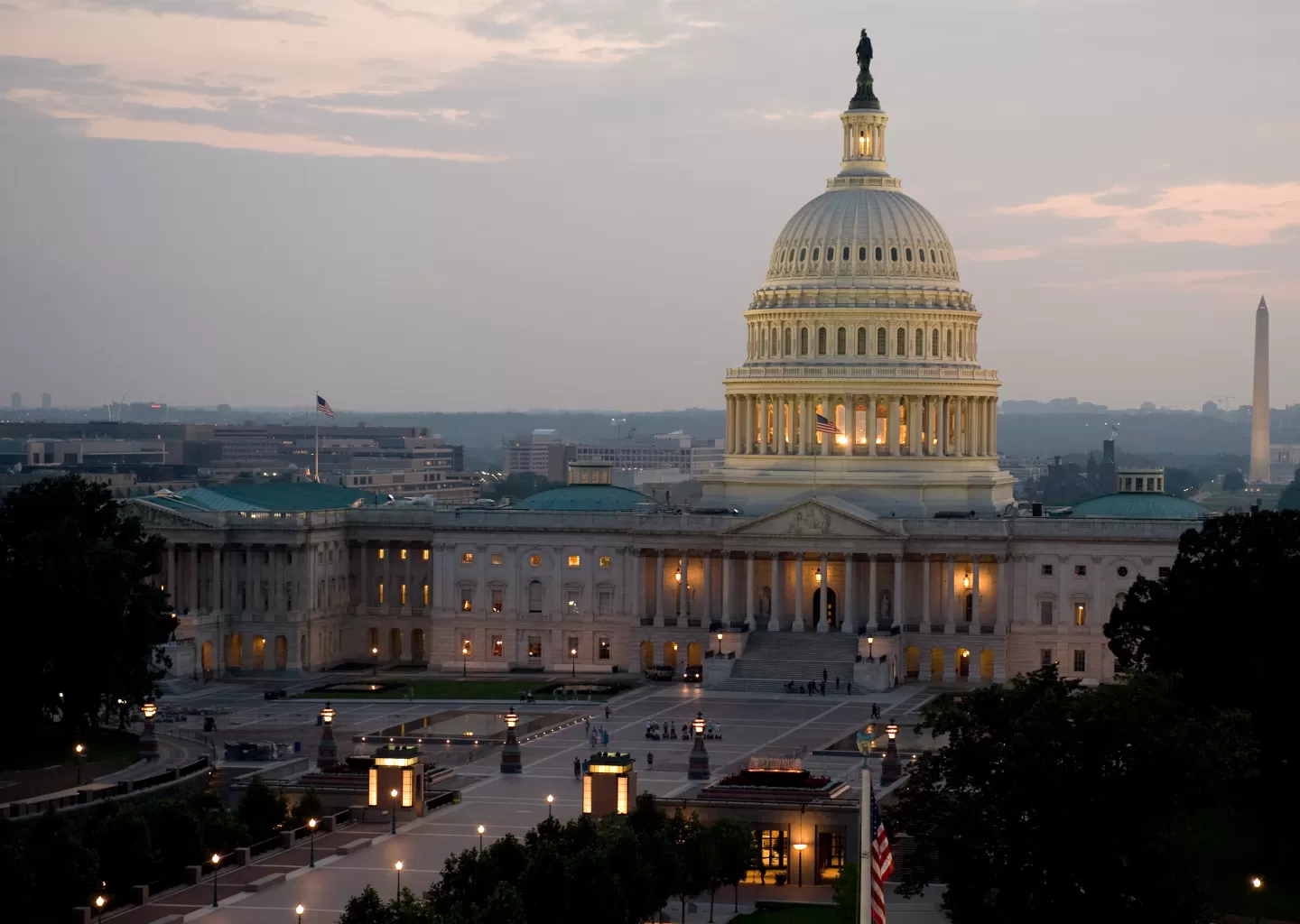
I’m a librarian by temperament, so I will offer steps that are small enough to do, but serious enough to matter.
1) Ask better questions
Try: Which constitutional value is at stake, and who has the power and duty to address it right now? That question points you toward Congress, state legislatures, local officials, and agencies, not just the Supreme Court.
2) Treat arguments as reasons
When a politician says “the Constitution requires” or “the First Amendment protects,” ask for the path from text and history to conclusion. A real argument can be examined. A slogan is meant to stop conversation.
3) Watch more than nine seats
The Supreme Court is the most visible court, but it is not where most disputes end. Lower federal courts, state courts, and state constitutions shape rights where people actually live and where many constitutional questions are resolved.
4) Demand explanations
Members of Congress and presidents do not lose their oath when a case reaches the Court. They can and should articulate their constitutional understanding, especially when making policy choices that will never be litigated.
A public document
The Supreme Court will always matter. In a nation of laws, it has to. But the idea that the Constitution belongs to nine justices alone is not a neutral description of how our system works. It is a choice about who gets to participate in self-government.
The more we outsource constitutional thinking, the more brittle our civic life becomes. The more we practice it together, the more resilient it gets.
The Constitution does not ask us to be lawyers. It asks us to be citizens.
Quick FAQ
Did the Constitution give the Court final say
No clause says the Court is the exclusive final interpreter for all branches. Judicial review developed early in practice, but the broader claim of judicial supremacy is not spelled out in the text.
Can Congress disagree
Congress must comply with binding judgments in specific cases, but it can respond through new legislation, oversight, constitutional amendments, and other tools within constitutional limits and political constraints. It can also argue publicly for a different constitutional understanding.
Is this anti-court
Not inherently. It is pro-democracy in constitutional interpretation. Courts remain vital, but they are not the only institution with constitutional responsibilities.