
“Net negative” sounds like a financial term, the kind you use when a company is losing money. In politics it means something simpler and, in a way, more revealing: more Americans say they disapprove of a president’s job performance than approve of it.
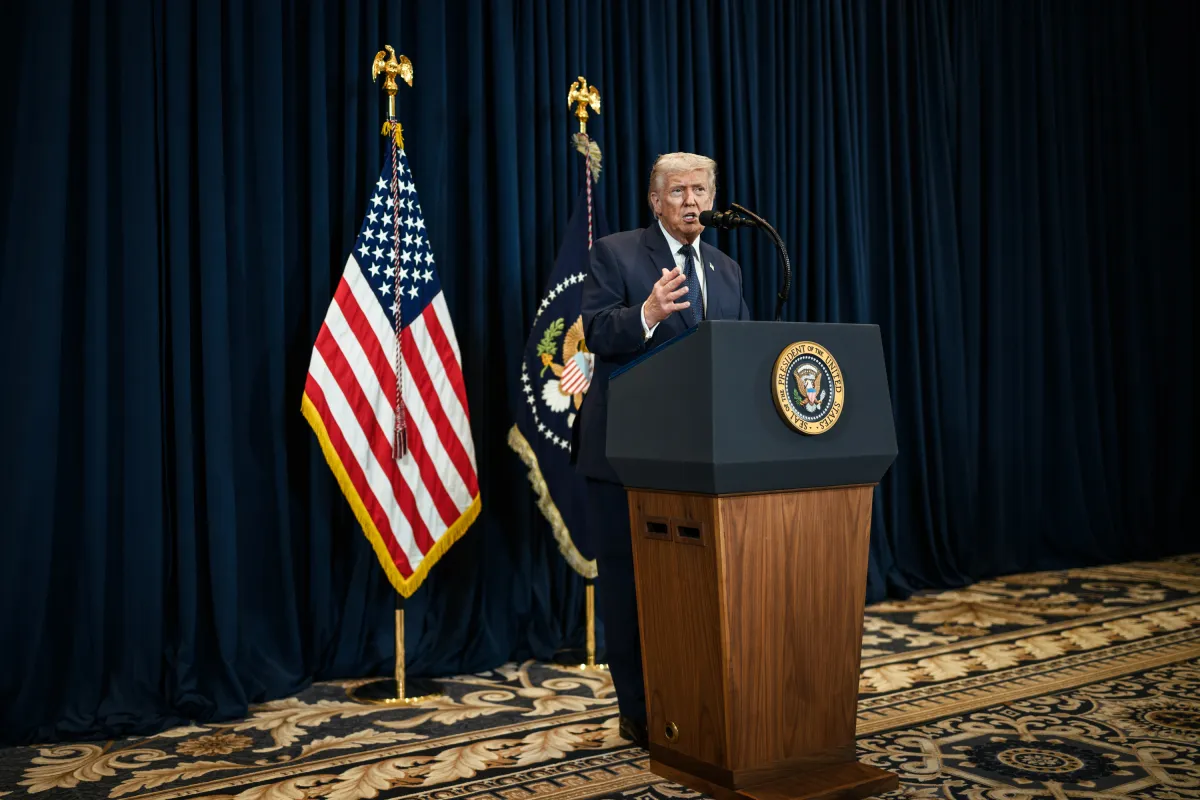
Recent national polling has put President Donald Trump in that territory in several surveys and in major poll averages. For a quick, linkable baseline that updates as new surveys come in, see FiveThirtyEight’s presidential approval tracker and RealClearPolitics’ Trump job approval average, both of which publish rolling toplines and source lists. The exact gap varies by pollster, method, and question wording, which is why it is best to think in ranges and trends, not a single headline number.
If the headlines feel inconsistent, that is because approval numbers do two things at once. They describe public mood, and they can influence the incentives of the institutions around a president. That relationship is not automatic or perfectly predictive, but it is one of the clearest ways public opinion can become practically relevant to governance.
This is the story behind the moment: net-negative approval is not a constitutional event, but it is a civics signal. It hints at how much room a president has to govern, how willing Congress is to cooperate, and how quickly ordinary policy disagreement can harden into a legitimacy fight in a polarized era, on the left and the right.
Polling note: If you want the cleanest read, look for (1) the same pollster asking the same question over time and (2) an average of many polls rather than a single survey.
Join the Discussion
What “net negative” measures
An approval rating is usually built from a question like: do you approve or disapprove of the way the president is handling his job? If 42 percent approve and 54 percent disapprove, the president is net negative by 12 points.
That net number matters because it compresses the public’s overall verdict into a single measurement of political oxygen. But it is still a measurement, not a referendum.
- It is not a vote. No policy changes automatically when approval drops, and approval is not the same thing as vote intention.
- It is not a legal judgment. Courts do not care, and the Constitution does not require popular support for the president to exercise Article II powers.
- It is not a single fact. Different pollsters use different samples, weighting, and wording. Polls can agree on direction while disagreeing on the exact number.
One more distinction helps: “net negative” is not the same thing as “low approval.” A president can be net negative with disapproval far above approval (40/55), or net negative with both numbers low (30/45). Both are underwater, but they describe different political conditions. The first suggests clear opposition. The second can suggest disengagement, softness, or a public that is simply unhappy with everything.
Polling caveats that matter
Approval is one of the most tracked numbers in American politics, but it is not frictionless science. A few basics will keep you from over-reading any one result.
- Margin of error: A typical national sample has a margin of error around plus or minus a few points. A two-point change may be noise, especially if disapproval and approval both move within that band.
- Mode and sample: Online panels, phone surveys, and mixed-mode polls can produce different results. Adult samples can differ from registered-voter or likely-voter samples.
- House effects: Some pollsters run systematically a bit higher or lower for one party’s coalition because of design choices. That is why trendlines within a pollster, or averages across pollsters, are often more informative than a one-off number.
- Polarization: In recent decades, approval has become more stable and more partisan. Big swings still happen, but they often require a major event, a sustained economic shift, or a long-running controversy.
Why approval is a side story
The Constitution is indifferent to popularity. Presidents do not serve “as long as the polls are good.” They serve fixed terms set by the Constitution and federal law, and removal is limited to impeachment by the House and conviction by the Senate, or incapacity procedures under the Twenty-Fifth Amendment. Elections, not surveys, are the mechanism for replacing a president.
And yet approval becomes constitutionally relevant in practice because so many checks on a president are not automatic. They are choices made by other actors, in political conditions shaped partly by public opinion.
Congress is co-equal, but cooperation is optional
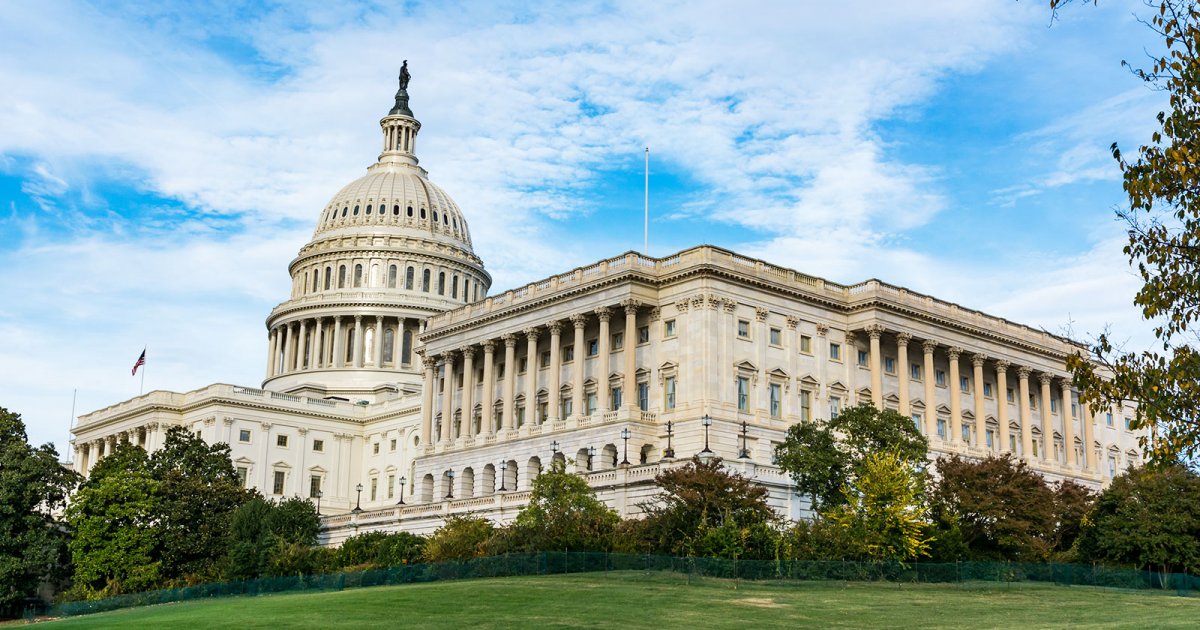
Article I gives Congress the power to legislate, spend, and oversee. When a president is popular, members of Congress often find cooperation safer than confrontation. When a president is unpopular, the cost-benefit can flip. Oversight hearings can multiply. Legislative bargaining can get harsher. Members of the president’s own party may treat distance as a form of self-defense.
A neutral example: presidents who enter midterm seasons with weak approval often see their party lose House seats, which changes the day-to-day governing math, even if nothing “constitutional” has changed on paper. (Think Clinton in 1994, Obama in 2010, Trump in 2018, or Biden in 2022, each in their own context, for different reasons and with different magnitudes of loss.)
Agencies run on delegated authority and morale
Much of modern governance happens through agencies using authority Congress has delegated. A president’s ability to steer that system depends on appointments, internal buy-in, and credibility. Net-negative approval does not change an agency’s legal authority, but it can affect how aggressively the White House pushes, how much internal resistance it meets, and how quickly internal disputes spill into public view.
The courts are insulated, but litigation is not
Judges do not tally approval ratings. But lawsuits are filed by people and institutions making strategic decisions. When a president’s political standing weakens, you can sometimes see more aggressive state-level pushback and more frequent efforts to freeze or slow executive actions in court, especially on high-salience issues where governors and attorneys general have clear incentives to fight. A concrete example from recent administrations of both parties is the rise of multistate lawsuits, including coordinated state attorney general challenges to major immigration, environmental, and public-health rules.
Disapproval vs distrust
One reason net-negative coverage lands so hard is that it is not only about job performance. Some surveys also measure personal disapproval and negative trait perceptions.
That matters because democracies run on a distinction that is easy to blur: disapproval of the officeholder versus trust in the office.
- Disapproval of the officeholder can be healthy. It is the citizen’s way of saying: I think you are governing poorly.
- Rejection of the office is more dangerous. It looks like: the presidency itself is illegitimate unless my side holds it.
When a president’s personal image becomes strongly negative, the political system can begin to interpret every action through character rather than through policy. That tends to accelerate conflict because routine powers start to be treated like existential threats, and every institutional response is framed as either resistance or sabotage. In a polarized system, both camps can fall into this habit, just with different villains and different vocabulary.
Are “record low” claims useful?
They can be, but only if you understand what they are comparing, and only if you are careful about method.
When commentators compare a president’s approval to “this century” or “modern history,” they are usually doing one of three things:
- Comparing a point in time. Approval at a similar stage of a term.
- Comparing a floor. The lowest point an administration hits, often during crises.
- Comparing trend lines. Whether approval is stabilizing, improving, or still falling.
The cleanest historical comparisons generally follow a simple rule: compare the same pollster, using the same question wording, at a similar time-in-term. Otherwise you risk mixing measurement differences with real opinion change.
The caution is that presidents inherit different conditions: wars, recessions, pandemics, and coalition structures in Congress. Approval is not a standardized test. It is closer to a weather report: it tells you what conditions are like now, and it hints at what kind of political season may be forming.
What changes first
If disapproval exceeds approval and stays there, the earliest effects are rarely constitutional showdowns. They are smaller and more structural, and they tend to show up as shifts in bargaining power rather than switches being flipped.
1) Leverage with Congress
Members of Congress are elected separately. They respond to their districts and states, not to the president’s legal authority. When a president is unpopular, lawmakers may treat White House support as a liability and White House pressure as easier to ignore.
2) The odds of major legislation
Big laws require coalitions, including moderates and sometimes cross-party votes. Net-negative approval can make coalition building harder because the president becomes a weaker brand to share. That does not make legislation impossible, but it can raise the price of every vote.
3) The intensity of oversight
Oversight is not just about wrongdoing. It is also a constitutional tool for information, bargaining, and public signaling. A president underwater in the polls can give Congress stronger incentives to perform oversight loudly and continuously.
4) The mix of governing tools
Presidents with less public support often rely more on unilateral tools: executive orders, agency action, enforcement priorities, and emergency authorities. Those tools are real, but they are also easier to litigate and easier for the next administration to reverse. Popularity can influence whether a policy becomes durable law or a temporary command.
What it does not do
This is where civics education matters, because the internet tends to treat low approval as a substitute for a constitutional mechanism that does not exist.
- It does not shorten a term. A president’s term length is set by the Constitution’s election and inauguration timetable, and the Twenty-Fifth Amendment governs incapacity. The Twenty-Second Amendment limits how many times a person may be elected president, not whether they may finish the term they won.
- It does not trigger impeachment. Impeachment is for “Treason, Bribery, or other high Crimes and Misdemeanors,” not bad polling. Conviction requires two-thirds of the Senate.
- It does not prove illegality. Many unpopular policies are fully lawful. Many unlawful actions can be popular. Legality and popularity are different accountability tracks.
- It does not tell you why people disapprove. A net-negative number can be built from many dissatisfactions: inflation, foreign policy, tone, ethics, competence, exhaustion, or simple partisanship.
Low approval is powerfully real. It is also nonbinding. Think of it as political pressure, not constitutional force.
Approval and midterms
When the president’s approval is negative heading into midterm season, history suggests the president’s party is at greater risk. But the civics point is not prediction. It is incentive.
Midterms are one of the public’s main tools for rebalancing power between the branches. If voters are unhappy with the president, they can elect a Congress that will restrain him through legislation, budgets, and oversight. If voters are satisfied, they can strengthen his governing coalition.
That is a quiet feature of the American system: you do not need to remove a president to change the terms of governance. You can change the legislature and force negotiation.
How to read the next poll
If you want to understand what is happening without getting trapped in the daily horse race, ask five questions:
- What is the trend, not the snapshot? One poll can be noisy. A cluster over time shows direction.
- What is approval among independents? Strong partisans rarely move. Independents often determine whether a presidency is merely polarizing or broadly unpopular.
- Is disapproval intense? Some polls measure strong versus somewhat disapprove. Intensity predicts turnout and activism.
- What issue is driving the number? Approval can be dragged down by a single dominant issue, or by a general sense of disorder.
- Does the poll separate job performance from personal traits? Job disapproval can be reversible with results. Character disapproval is often stickier and more corrosive to trust.
The civics bottom line
The Constitution does not require a president to be liked. It requires a president to be checked.
Net-negative approval is a strong signal that checking behavior may intensify, not because the document says so, but because human beings respond to incentives. Legislators may feel freer to oppose. Bureaucracies may slow-walk. States may sue. Courts may see more emergency requests to pause executive actions. And the president, facing resistance, may reach more often for unilateral tools.
So when you see “disapproval exceeds approval,” do not read it as a scoreboard. Read it as a pressure gauge: the system may be headed toward more friction, more conflict, and more accountability by politics rather than persuasion.
Quick FAQ
Is net negative historically rare?
No. Many presidents spend significant stretches underwater. What becomes notable is how early it happens, how deep it gets, and whether it persists long enough to reshape Congress and governance.
Does low approval affect executive power?
Not directly. Article II powers do not shrink. But political cooperation can, and many modern presidential actions depend on cooperation from Congress, agencies, and the public.
Can a president govern effectively while unpopular?
Yes, but usually by narrowing goals, prioritizing must-pass actions, leaning on executive tools, and choosing fights that unify their coalition rather than expand it.