
You can tell what a political moment is really about by what it chooses as its symbol.
This week’s symbol was not a statue, or a painting, or a disputed line on a placard. It was the word politeness.
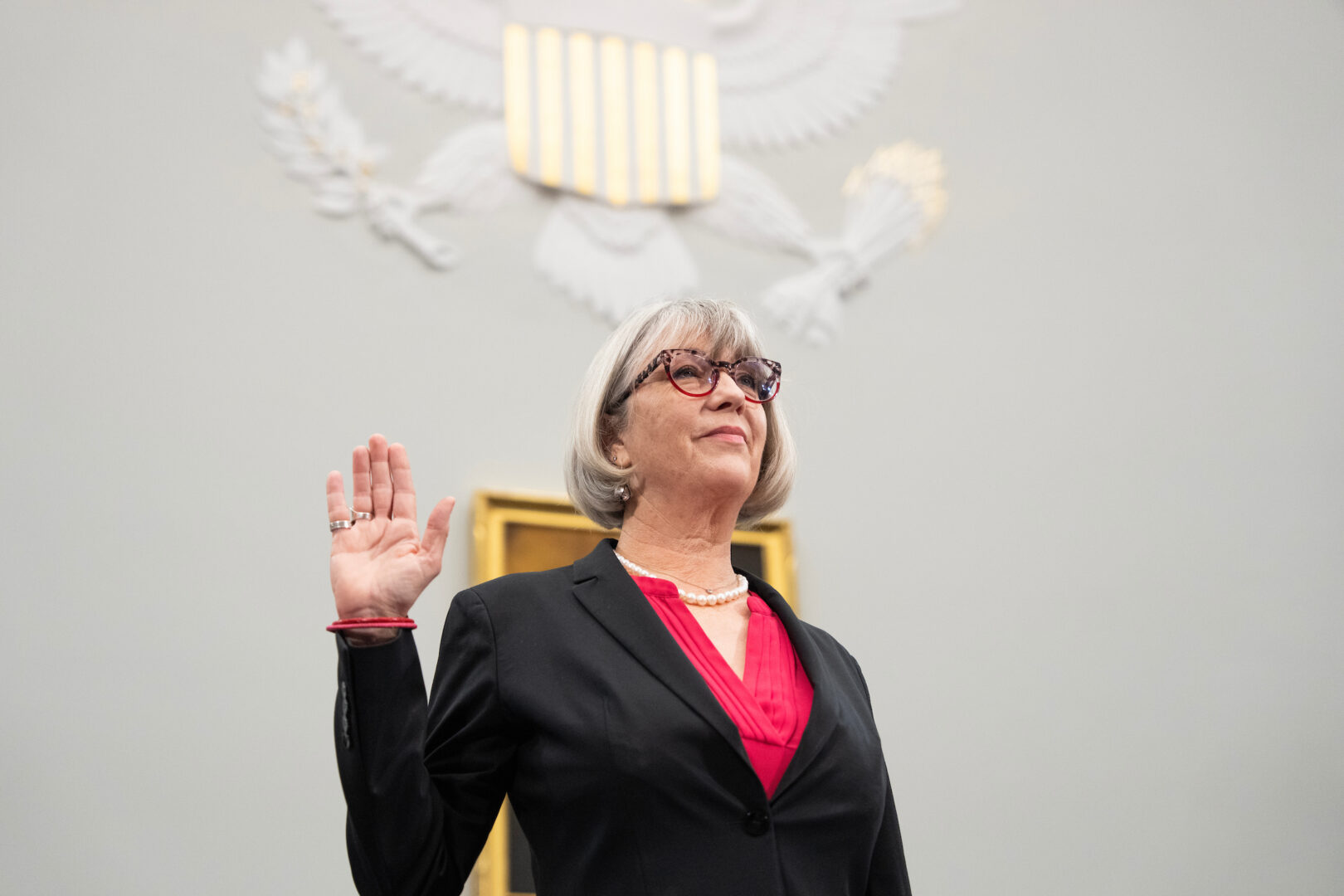
In a House hearing on July 21, 2026, Rep. Brandon Gill questioned Anthea Hartig, the director of the Smithsonian’s National Museum of American History, about Smithsonian-linked training materials that characterize traits like “politeness” and “objectivity” as features of “white supremacy culture.” Hartig agreed under questioning that politeness matters and that historians should strive for objectivity. Gill then argued the Smithsonian’s own internal framework treats those very ideals as suspect.
The clip went viral because it plays as a clean contradiction. But the durable question underneath is more constitutional than cultural: What can Congress legitimately demand from a taxpayer-funded museum, and what does it mean for a public institution to claim “objectivity” while using internal DEI concepts that critics say undermine it?
Join the Discussion
What was actually said in the hearing
The viral segment is a short sequence of questions that build toward a single point.
- Gill asks whether it is important to be polite.
- Hartig answers: “Yes, sir.”
- Gill responds by citing Smithsonian-associated materials that list politeness as an attribute of “white supremacy culture,” then presses Hartig to explain the mismatch.
He follows the same structure on historical method.
- Gill asks whether objectivity is important to the work of history.
- Hartig agrees with the ideal and says the museum strives for objectivity.
- Gill cites a “Mass Action Toolkit” reference that he says frames objectivity as part of “white supremacy culture,” and asks how the institution can endorse objectivity publicly while problematizing it internally.
The exchange broadens to other targets that travel well in a clip: gift-shop merchandise (including “Latina power” items) and the framing of certain exhibit content (including discussion tying Mickey Mouse imagery to minstrelsy history). Those add-ons are not random. They turn a debate about internal training language into a broader charge that the Smithsonian is using federal support to push a contested ideological worldview.
Why “politeness” and “objectivity” became the flashpoint
In American civic life, politeness and objectivity function like civic shorthand.
Politeness signals equal standing in public argument: you and I can disagree without treating each other as enemies. Objectivity signals legitimacy: the institution is not just narrating the past, it is attempting to describe it in a disciplined way.
So when a Smithsonian-linked framework allegedly categorizes those traits as elements of “white supremacy culture,” it is guaranteed to land as an accusation that ordinary civic norms are morally tainted. Even people who support DEI training in general can recoil at language that appears to turn basic professional expectations into ideological red flags.
But that is also why this kind of framework exists: many DEI models are designed to flag how certain “neutral” norms can be enforced unevenly, weaponized in workplaces, or used to dismiss dissent. The problem is that the public does not experience a museum as a private workplace. It experiences it as a national narrator.
The constitutional issue hiding inside the clip: who controls a museum’s message?
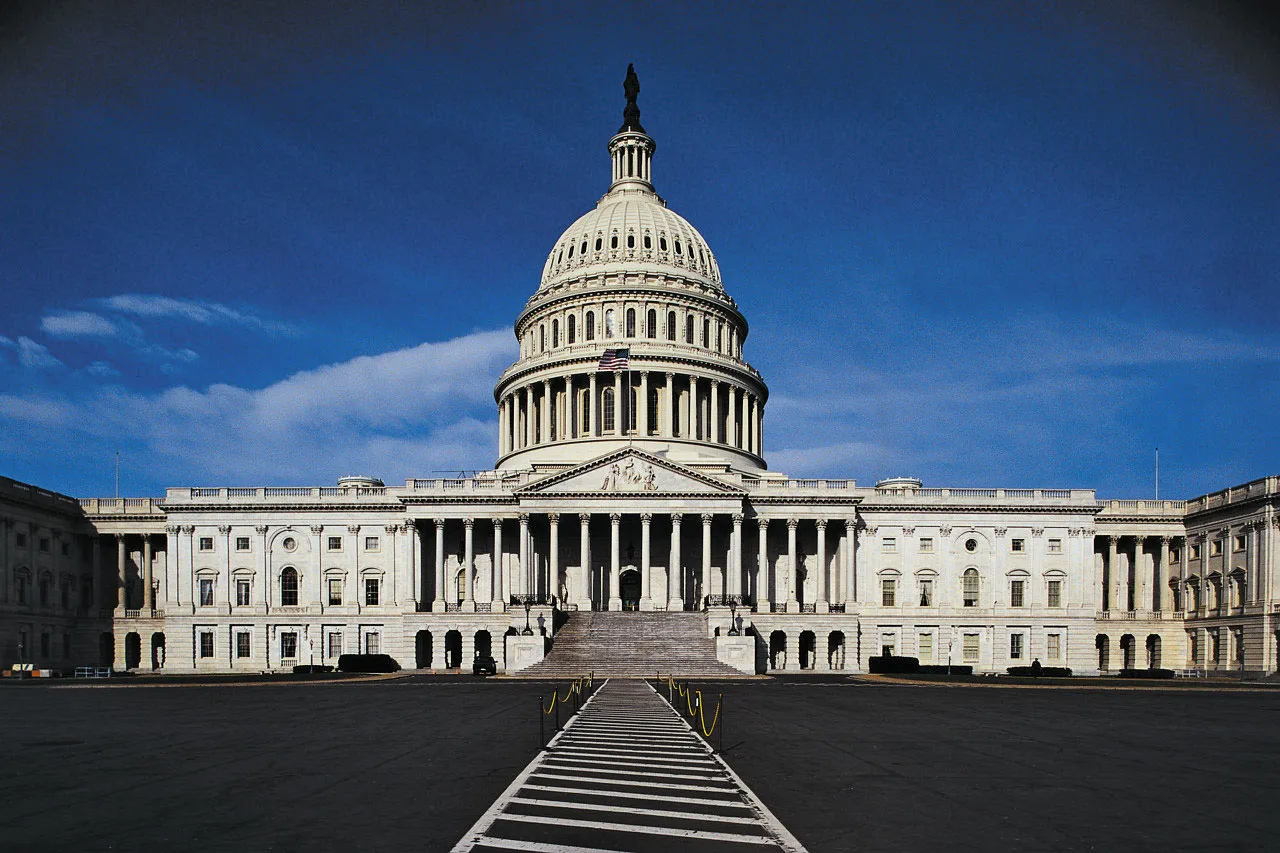
The Smithsonian is a peculiar American creation. It is not simply a private nonprofit. It is not simply a federal agency. It occupies a hybrid space, funded by public money and governed through public structures, while also operating as a cultural and educational institution.
That hybrid status is why these hearings happen at all. Congress holds the purse strings. Oversight is a core legislative function. And when Congress believes an institution it funds is drifting from its mission, lawmakers will use hearings to force clarity or create political pressure.
But Congress’s leverage has limits that are easy to miss in a viral clip.
1) Congress can condition funding, but it cannot simply command viewpoint conformity
Congress has broad authority to decide how federal funds are spent. If lawmakers want to write appropriations language that limits certain expenditures, they often can.
What gets constitutionally dangerous is when the condition becomes a demand that an institution adopt the government’s preferred viewpoint, or punish disfavored viewpoints as such. That is the territory where First Amendment principles of viewpoint discrimination and compelled speech tend to appear.
A museum is not a street-corner speaker. Yet it is also not just a procurement contract. The more Congress tries to micromanage interpretive content, the more it risks turning “oversight” into something closer to ideological management.
2) “Objectivity” is not a constitutional requirement, but it is a public trust claim
Nothing in the Constitution forces a museum to be “objective.” The Constitution protects speech, not neutrality.
Still, many public-facing institutions sell legitimacy through neutrality. When a museum tells the public it “strives to be objective,” it is making a trust promise. Gill’s viral line of attack works because it frames the Smithsonian as breaking that promise: praising objectivity on camera while training staff to treat “objectivity” as a marker of oppressive culture.
3) Oversight hearings are not trials. They are performance plus power.
Gill’s questioning style follows a familiar pattern: ask for a universally agreeable principle, then present a document that appears to condemn it, then demand a yes-or-no reconciliation. That structure produces viral clips because it compresses complexity into a binary.
But hearings also do real work. They create a record, establish a narrative for budget negotiations, and warn institutions that Congress is watching what happens beyond the exhibit floor, including internal trainings, procurement choices, and educational partnerships.
“White supremacy culture”: what the phrase does in institutions
The phrase “white supremacy culture” is doing two jobs at once, and those jobs collide.
- In the DEI context, it often functions as a framework for identifying organizational habits that can marginalize people, even without overt bigotry.
- In ordinary civic speech, “white supremacy” is a description of a moral and political evil, historically linked to violent hierarchy and explicit racial domination.
When a training document places “politeness” and “objectivity” under that label, a large portion of the public hears something like: basic professionalism equals racism. That interpretation may be unfair to the framework’s intent, but it is predictable in a country where the term “white supremacy” carries the weight of slavery, Jim Crow, and organized racial terror.
This is the deeper lesson of the viral clip. Words that work inside an internal training culture can fail catastrophically in public culture, especially when the institution is publicly funded and claims national authority.
The gift-shop argument: why merchandise became evidence
Gill also pressed Hartig about gift-shop items framed as political or identity messages, including “Latina power” merchandise. Critics treat this as proof that the museum is endorsing contemporary ideological commitments rather than curating history.
From a constitutional perspective, the gift shop matters less as “speech” and more as mission and public subsidy. If the institution is selling items that lawmakers view as partisan signaling, Congress can respond politically through oversight, appropriations language, or governance pressure.
But the harder question is conceptual: when does “representing Americans” become “campaigning at Americans”? Museums have always made value judgments through selection, emphasis, and framing. The fight is over whether those judgments are being disciplined by historical method, or by an internal ideology that predetermines heroes and villains.
The exhibit framing fight: history as diagnosis vs. history as narrative
The hearing exchange also touched exhibit framing, including references to minstrelsy history connected to early American entertainment and iconic characters.
This is another place where two legitimate impulses clash:
- Diagnosis impulse: excavate the racial and cultural assumptions embedded in popular artifacts.
- Narrative impulse: tell a story that a broad public can recognize as “American history” without feeling that the museum’s primary job is moral indictment.
Neither approach is unconstitutional. But in a national museum, the balance becomes politically explosive because it shapes what the state’s cultural megaphone appears to be saying about the country itself.
What would a serious resolution look like (and what would not)
Viral hearings create incentives for maximalism. Either the museum is “radical” or the lawmakers are “censors.” The Constitution usually lives in the messy middle.
What would help
- Transparency about what the Smithsonian officially endorses versus what is “associated,” “linked,” or used in optional trainings. The public deserves to know what is truly institutional policy.
- Clear definitions in internal frameworks. If a tool uses a morally loaded phrase like “white supremacy culture,” it should define it with care, explain scope, and warn against simplistic application.
- Recommitment to professional standards that are legible to the public: sourcing, evidentiary balance, and distinguishable lines between historical description and contemporary advocacy.
What would not help
- Congress dictating exhibit conclusions or banning interpretive topics as such. That is the shortest path to politicizing museums into alternating party mouthpieces.
- Institutions hiding behind ambiguity, speaking in the language of neutrality while allowing internal doctrine to stigmatize the very standards they invoke to earn trust.
Why this keeps happening
The United States built cultural institutions to do something almost impossible: tell a shared national story in a country that cannot agree on what the nation is.
When a museum adopts internal frameworks that sound like moral theory, and lawmakers demand public-facing “objectivity,” the clash is inevitable. Not because one side loves truth and the other hates it, but because both sides are fighting over who gets to define legitimacy in public memory.
The viral clip works because it turns that fight into a single question with a single trap: Is politeness white supremacy?
The constitutional question is harder and far more important: In a republic, who gets to shape the institutions that teach the people who they are?
FAQ
Did Anthea Hartig call politeness “white supremacy”?
In the viral exchange, Hartig agreed that politeness is important. Gill then cited Smithsonian-linked training materials he said list “politeness” as a trait of “white supremacy culture,” and pressed her on that inconsistency. The controversy is about the relationship between the museum’s public commitments and the frameworks used in internal or affiliated materials.
Can Congress punish the Smithsonian for its viewpoint?
Congress has broad power over appropriations and oversight, but direct viewpoint-based punishment raises serious First Amendment concerns. In practice, many disputes play out through budgets, governance, and political pressure rather than clear courtroom lines.
Why does “objectivity” matter so much in a museum fight?
Because “objectivity” is less a guarantee than a public trust claim. If a national museum says it strives for objectivity, critics will treat internal materials that problematize objectivity as evidence the institution is not being candid about how it operates.