
A “criminal referral” from Congress sounds like the beginning of a prosecution. It is not. It is closer to a formal request backed by an allegation: a committee says, in writing, that it believes evidence suggests a federal crime, and it asks the Department of Justice to take a look.
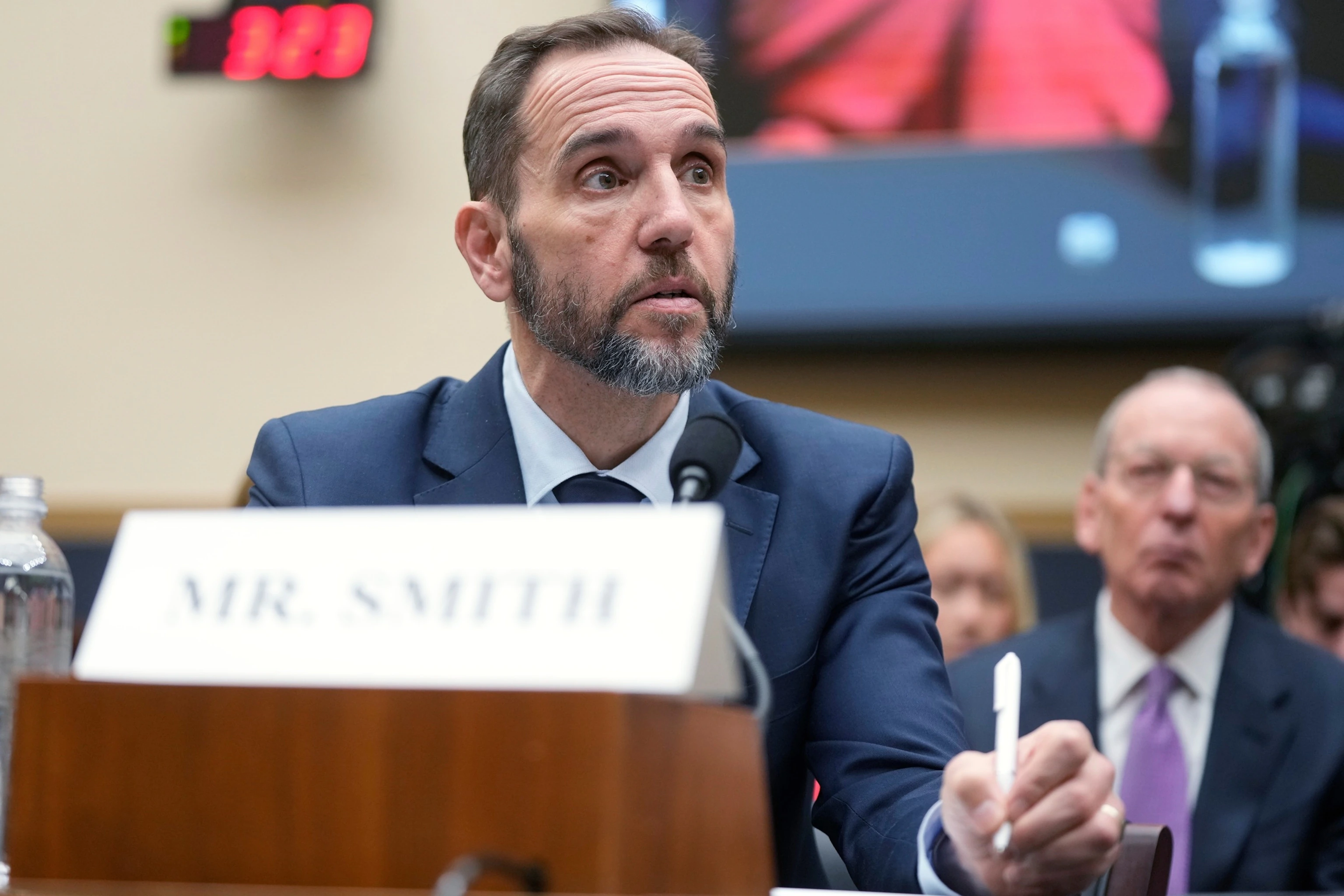
That difference matters in moments like the current one, where House Judiciary Committee Chair Jim Jordan has sent DOJ a letter he described as a criminal referral. In that letter, Jordan claims Special Counsel Jack Smith made false statements to Congress in a dispute involving access to lawmakers’ communications. The headlines can make it sound like Congress just charged a prosecutor with a crime. A referral does not do that.
What Congress has actually done is use a familiar oversight tool: gather information, assess credibility, and then press the executive branch to enforce federal law. Whether anything happens next is not up to Congress.
Join the Discussion
What a criminal referral is
A congressional criminal referral is a request. A committee, a committee chair, or sometimes an entire chamber sends a letter or report to the Department of Justice stating that, in Congress’s view, certain conduct may violate federal criminal law and should be investigated or prosecuted.
Referrals most commonly arise from oversight investigations, contempt fights, or testimony disputes. Congress hears something in testimony or receives it in writing, compares accounts, and concludes that a witness or official may have crossed a criminal line.
Congress can refer suspected violations of many statutes, but the ones that come up repeatedly in oversight battles include:
- 18 U.S.C. § 1001 (false statements)
- 18 U.S.C. § 1621 (perjury)
- 2 U.S.C. §§ 192 and 194 (criminal contempt of Congress pathway to DOJ)
- Obstruction-related statutes depending on facts
The referral itself does not start a case in court. It does not create criminal liability. It does not carry penalties. It is essentially Congress telling DOJ: we think this merits enforcement attention.
How referrals get made
Not every “referral” carries the same political weight, even though the legal effect is the same: DOJ still decides what, if anything, to do.
- Chair letter: A chair can send a letter framing allegations and requesting DOJ review. It may or may not reflect a committee vote.
- Committee action: A committee can vote to approve a referral or adopt a report that is transmitted to DOJ.
- Full chamber action: The House or Senate can refer matters through resolutions or by transmitting materials under chamber authority.
Those distinctions matter mainly for optics and institutional backing, not for DOJ’s legal obligations.
Does DOJ have to prosecute?
No. The Department of Justice is not legally required to open a case, seek an indictment, or bring charges because Congress sent a referral.
This is separation of powers in practice. Congress has the power to investigate as part of its legislative and oversight functions. The executive branch, through DOJ, has the power to prosecute. Those powers often interact, and sometimes collide, but they are not the same.
Even when alleged conduct looks serious, DOJ may decline for many reasons, including:
- Insufficient admissible evidence
- Ambiguity about intent or materiality
- Witness credibility problems
- Jurisdiction and venue issues
- Statute of limitations concerns
- Policy and institutional considerations (including precedential impact)
It is also common for DOJ to say little or nothing publicly about referrals. Many receive no public acknowledgment at all, which can surprise readers who expect a visible next step.
“Lying to Congress” is real, but narrower than the phrase
People say “lying to Congress” as if it is a single offense with a simple rule: say something false, go to jail. Federal law is not that clean. These cases turn on elements like intent, materiality, and the exact setting in which a statement was made.
18 U.S.C. § 1001: False statements
A common charge in this space is 18 U.S.C. § 1001, which makes it a crime to knowingly and willfully make a materially false statement in a matter within the jurisdiction of the federal government.
In plain English, prosecutors generally must prove:
- A statement was made (spoken, written, or in some cases concealment by trick)
- It was false
- It was material (capable of influencing an official decisionmaker, not necessarily actually influential)
- The person acted knowingly and willfully
- The matter was within federal jurisdiction
Two nuances matter here. First, § 1001 does not require that the statement be under oath. That is why it can show up in interviews, letters, forms, and some communications involving Congress. Second, the “jurisdiction” element is usually most straightforward when the statement relates to an executive branch function (for example, an agency program, a federal investigation, or an administrative decision). When the setting is purely legislative and disconnected from executive action, the fit can be more contested, so the forum and context can matter a lot.
Perjury: 18 U.S.C. § 1621 (and a close cousin)
If a witness lies under oath, prosecutors may consider perjury statutes. In congressional settings, that is typically discussed under 18 U.S.C. § 1621, alongside § 1001 depending on how the statement was made.
Readers may also see 18 U.S.C. § 1623 referenced. That statute is commonly used for false declarations in federal court and grand jury proceedings, which is a different context than most congressional oversight exchanges. Mentioning it here helps avoid confusion, because the labels sound similar even when the forums are not.
Perjury is often hard to prove because it requires clear proof of falsity and intent, and it can become a credibility contest. That is one reason § 1001, when available, is often the more practical tool.
What counts as “false” in Washington
Not every wrong answer is a felony. Vague statements, imprecise phrasing, misunderstandings, good-faith memory gaps, and answers to poorly drafted questions can make a case hard to charge, even when lawmakers say they were misled.
And the materiality requirement is a real gate. Prosecutors must be able to argue that the statement mattered to an official inquiry, not merely that it was inaccurate or politically useful.
What the Jordan referral changes
Procedurally, the effect is simple: Congress has created a record and transmitted an allegation to the executive branch.
Constitutionally, the posture is also familiar: Congress is using oversight power and applying pressure, while DOJ retains the final say on criminal enforcement.
Where things get complicated is not the referral itself, but what it implies about three overlapping questions:
- Oversight: What information does Congress have a right to demand from prosecutors, including a special counsel, while investigations are ongoing?
- Accountability: If lawmakers believe a prosecutor misled Congress, what mechanisms exist besides criminal prosecution?
- Independence: How insulated should special counsel activity be from partisan conflict, given that special counsels are still executive branch officials?
A referral is Congress’s way of moving the conflict onto DOJ’s terrain, where evidence rules, intent standards, and institutional caution usually slow things down.
Can Congress prosecute directly?
Not in the ordinary sense. Congress cannot indict. Congress cannot run a federal criminal trial. Those are executive and judicial functions.
Congress does, however, have its own enforcement tools that can look prosecutorial to the public:
- Contempt of Congress (criminal route): Under 2 U.S.C. §§ 192 and 194, Congress can vote contempt and certify the matter for potential prosecution, typically by transmitting it to the U.S. Attorney for the District of Columbia. Even then, DOJ still exercises prosecutorial discretion. DOJ has also historically taken the position that it may decline to pursue contempt where executive privilege or executive-branch immunity claims are asserted.
- Inherent contempt: A rarely used, historically recognized power where each chamber can detain and sanction a contemnor to compel compliance. It has not been used to detain or arrest someone in many decades (often summarized as not since the 1930s), but the concept is still discussed as a live congressional power even if it is politically and practically difficult today.
- Civil enforcement: Congress can go to court to enforce subpoenas in some circumstances, seeking judicial orders rather than criminal penalties.
These tools reflect a basic constitutional reality: Congress is not a criminal prosecutor, but it is not powerless when stonewalled.
Special counsel accountability
“Special counsel” can sound like an officer floating above ordinary government. In reality, a special counsel is still part of the Department of Justice, operating under DOJ regulations and within the executive branch.
That structure creates tension by design. The point is to reduce conflicts of interest when DOJ is investigating politically sensitive matters. The risk is that oversight fights become proxy battles over the legitimacy of the underlying prosecution.
Accountability mechanisms for a special counsel typically include:
- DOJ supervision (through the Attorney General or designee, as outlined in the special counsel regulations)
- Professional responsibility rules (ethical obligations and potential bar discipline)
- Inspector General review in appropriate circumstances
- Congressional oversight through testimony and documents, subject to privilege, ongoing investigation sensitivities, and separation-of-powers constraints
- Courts, through motions, discovery disputes, sanctions, and appellate review
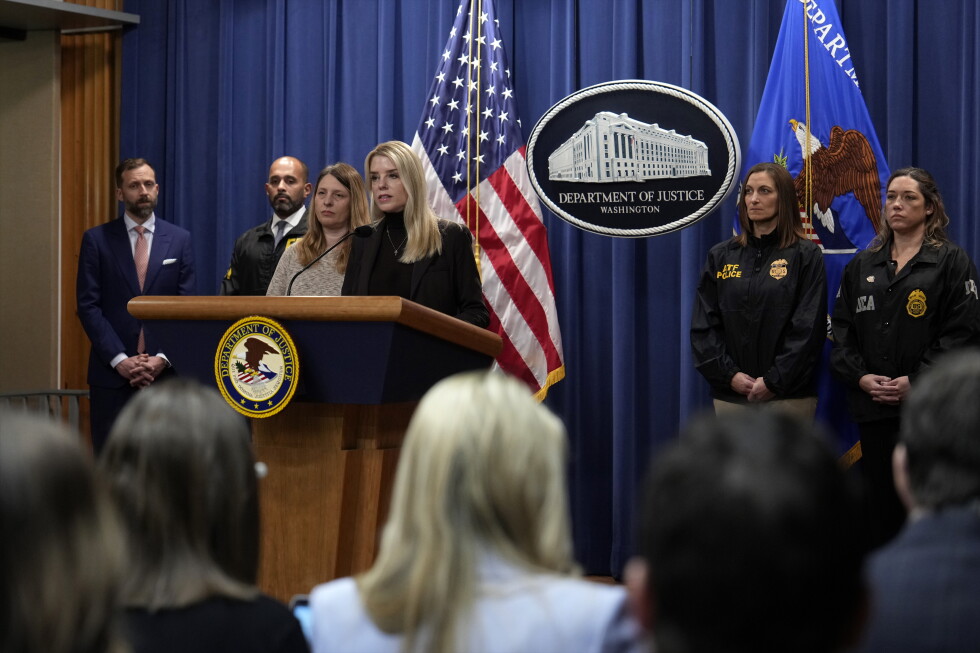
When the subject of a referral is a DOJ official, another practical question can arise: who inside DOJ would review it. Depending on facts and ethics rules, DOJ can route matters to a different component, use standard recusal processes, or otherwise structure review to avoid conflicts. In politically sensitive matters, reviews can also be handled through components such as the Public Integrity Section or an appropriate U.S. Attorney’s Office, depending on the allegations. None of that guarantees action, and DOJ often will not confirm any review publicly, but it is part of how the institution handles allegations that touch its own personnel.
What happens next
If DOJ takes a referral seriously, the next steps are usually internal and quiet:
- Intake and review by a relevant DOJ component
- Fact-checking against transcripts, correspondence, and underlying documents
- Legal analysis of whether the alleged statement was actually false, material, and willful
- Decision: close it, investigate further, or open a formal criminal investigation
If DOJ opens an investigation, that still does not guarantee charges. If DOJ seeks charges, it generally must persuade a grand jury to return an indictment.
And if the dispute is entangled with executive privilege, law enforcement privilege, or classified information, the process can become slower and more litigated, even before any charging decision.
FAQ
Is a criminal referral the same thing as an indictment?
No. An indictment is a formal charging document returned by a grand jury. A congressional criminal referral is a request that DOJ consider investigating or prosecuting.
Does a referral have to come from a full House vote?
No. A referral can come from a committee, a committee chair, or the full chamber. The difference is mostly political and institutional, not legal. DOJ still chooses whether to act.
What is the penalty for lying to Congress?
It depends on the statute. Under 18 U.S.C. § 1001, false statements can be punished by fines and imprisonment, with the maximum penalty depending on context. Perjury statutes also carry significant penalties. Actual sentencing, if there is a conviction, depends on federal sentencing guidelines and the facts.
If Congress says someone lied, is that legally binding?
No. Congress can make findings, but DOJ and the courts apply criminal statutes. The same act can be described as “lying” politically and still be difficult to prove beyond a reasonable doubt legally.
Can a member of Congress have someone arrested for lying in a hearing?
Not directly through ordinary criminal process. Congress can refer, seek contempt remedies, and in rare circumstances use inherent contempt. Criminal arrest and prosecution flow through DOJ and the courts.
The constitutional point
Criminal referrals sit in a constitutional gray zone that Americans tend to misunderstand. Congress is not a prosecutor, but it is not helpless. DOJ is not Congress’s servant, but it is not immune from oversight. A special counsel is designed to be insulated from political pressure, but still must answer to law and institution.
That is why these episodes recur. They are not just fights over a person or a soundbite. They are skirmishes along the separation-of-powers fault line, where oversight ends, prosecution begins, and both branches insist the Constitution is on their side.